
← Back to Blog
Market Trends
Oslo, New York Has the Strongest Reputation Overall Real Estate Market Guide: Prices, Neighborhoods and Timing
By Leander Mosseng
September 16, 2026 · 10 min read
Oslo, New York has built a strong reputation as one of Western New York's more stable and accessible real estate markets, and understanding what drives that reputation matters whether you are buying, selling, or relocating here. This guide covers what home prices look like right now in September 2026, what distinguishes the different pockets of Oslo and its surrounding areas, and how to read the market calendar so your timing works in your favor.
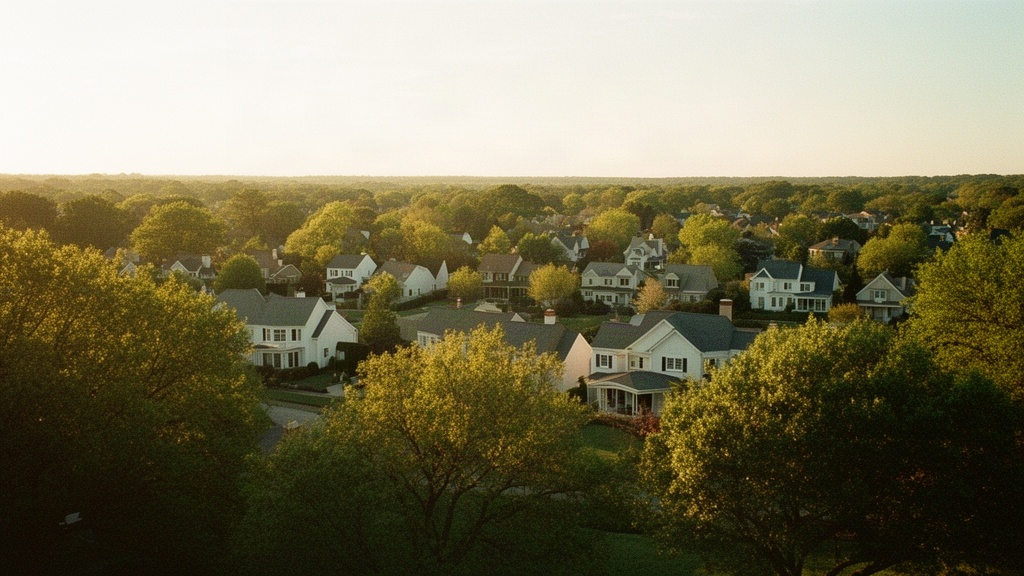
1. What Makes Oslo, New York's Real Estate Market Stand Out
Oslo, New York's real estate market holds a distinct position in Chautauqua County. It is a rural town in the northwestern corner of the county, situated between the Lake Erie shoreline and the rolling agricultural interior of Western New York. That geography shapes everything about how property here is priced and how quickly it moves.
A Rural Market With Real Infrastructure
Oslo sits roughly five miles from the city of Dunkirk and about eight miles from the Village of Fredonia, which means residents have access to groceries, medical offices, restaurants, and the SUNY Fredonia campus without living in a dense suburban setting. Route 5, which runs along the Lake Erie shoreline, connects Oslo to both Dunkirk to the east and to the Pennsylvania state line to the west within a short drive. Interstate 90 is accessible from Dunkirk, putting Buffalo approximately 45 miles away and making a regional commute realistic for many households.
The housing stock in Oslo reflects its rural character: you will find single-family homes on larger lots, older farmhouses on multi-acre parcels, lakefront or lake-view properties along the Lake Erie corridor, and occasional converted agricultural properties. New construction is limited, which means most of what comes to market is existing inventory with character and land.
How Oslo Fits Into the Broader Upstate New York Picture
Upstate New York as a whole has drawn significant attention from buyers priced out of downstate markets and from remote workers seeking more land for their dollar. Forbes reported that Upstate New York markets were among the fastest-appreciating in the country in recent years, driven by exactly that dynamic. Oslo and the surrounding Chautauqua County area benefit from this trend without experiencing the extreme price compression that hit markets closer to the Hudson Valley or Albany metro.
That means Oslo has appreciated meaningfully while still offering entry points well below what buyers encounter in more publicized Upstate markets. For anyone relocating from a higher-cost area, the contrast in purchasing power is immediate and substantial.
2. Home Prices in Oslo, New York Right Now
Prices in Oslo span a wide range depending on acreage, proximity to Lake Erie, and the condition of the structure. Understanding where a specific property falls within that range requires knowing the local comparables, not just county-wide averages.
What the Numbers Look Like in September 2026
As of September 2026, single-family homes in Oslo and the immediately surrounding area of Chautauqua County's northwestern corridor are generally trading in the $120,000 to $350,000 range for non-waterfront properties. Lakefront or lake-view parcels along the Lake Erie corridor command premiums that can push prices to $400,000 and above depending on frontage, lot depth, and structural quality. Smaller starter homes and older farmhouses in need of updating can still be found below $150,000, which is a meaningful entry point for first-time buyers.
For a deeper look at what prices are doing month to month, the article What Are Home Prices Doing in Oslo New York Right Now in September 2026 breaks down current market data in more detail. That context matters because price movement in a small rural market like Oslo can shift noticeably from one quarter to the next based on a handful of transactions.
Price Ranges by Property Type
Vacant land parcels in Oslo, particularly agricultural or wooded acreage in the interior of the town, can range from $20,000 for a few acres to $100,000 or more for larger tracts with road frontage and usable terrain. Multi-family properties are rare in Oslo proper but occasionally surface in nearby Dunkirk and Silver Creek, where duplexes and small apartment buildings attract investors looking at rental income potential.
Property taxes in Chautauqua County are a meaningful part of the ownership calculation in this market. If you want to understand what annual tax costs look like on a specific purchase price, the article What Is the Property Tax Rate in Oslo NY and How Much Would I Pay on a $300,000 Home? walks through the numbers clearly.
3. Neighborhoods and Areas Around Oslo: What You Get for Your Money
Oslo is not a large town with distinct named neighborhoods the way a city would be. Instead, the meaningful distinctions come from geography: how close a property sits to Lake Erie, whether it is in a hamlet cluster or on a standalone rural parcel, and how far it is from the service centers of Dunkirk and Fredonia. Each of those variables affects both price and lifestyle in concrete ways.
Properties Along the Lake Erie Shoreline Corridor
The stretch of Route 5 running through Oslo's northern edge follows the Lake Erie bluff line. Properties here range from modest seasonal cottages to year-round homes with lake views and private beach access. Lot sizes along this corridor tend to be narrower but deep, reflecting the historic subdivision pattern of shoreline properties in this part of Western New York.
Buyers drawn to this corridor should understand that some structures in this zone were originally built as seasonal use properties and may require updates to mechanical systems, insulation, and foundations to function comfortably as year-round residences. That renovation potential is often already reflected in the asking price, but a thorough inspection is essential before committing.
Inland Rural Parcels and Hamlet Clusters
Moving south from the lake, Oslo's interior is characterized by farmland, woodlots, and rolling terrain. Homes here sit on larger parcels, often one to ten acres or more, and the architecture tends toward older two-story farmhouses, ranch-style homes built from the 1950s through the 1980s, and the occasional newer construction on a subdivided agricultural lot.
These inland properties offer the most land per dollar in the Oslo market. A buyer willing to take on a project-level farmhouse can acquire a substantial acreage for under $200,000 in many cases. Buyers seeking move-in-ready condition will find fewer options in this zone but can still locate updated ranch homes and recently renovated two-stories in the $175,000 to $280,000 range.
Proximity to Dunkirk and Fredonia
Oslo's eastern edge borders the city of Dunkirk, which gives properties in that part of town quick access to Dunkirk's harbor area, Point Gratiot Park, the Chautauqua County Fairgrounds, and the commercial corridors along Central Avenue and Route 20. Fredonia, home to SUNY Fredonia and the Village's historic downtown with its restaurants, coffee shops, and the historic Fredonia Opera House, is approximately eight miles from Oslo's center.
For buyers who want a rural address but do not want to drive twenty minutes for a gallon of milk or a doctor's appointment, the eastern and northern parts of Oslo offer the best of both situations. Properties in those zones tend to price slightly higher than comparable homes deeper in the town's interior, reflecting the convenience premium.
If you are weighing Oslo against nearby communities or thinking about commute logistics to Buffalo or Rochester, the article How Long Does It Take to Commute from Oslo NY to Buffalo or Rochester for Work gives you the realistic drive-time numbers.
4. Market Timing: When to Buy and When to Sell in Oslo, NY
Timing in a small rural market like Oslo matters more than most buyers and sellers realize. Because inventory is limited, the difference between listing in March versus October can translate to a meaningful difference in how many buyers see your home and how quickly you receive an offer.
The Seasonal Pattern in Oslo's Market
Western New York's winters are real, and they affect buyer behavior in Oslo the same way they do across Chautauqua County. Buyer activity picks up noticeably in March and April as snow recedes and people begin planning spring moves. The May through August window is historically the most active period for showings and offers in this market. September, where we are right now, sits at the tail end of the active season: motivated buyers are still in the market, but the pool is narrowing as fall approaches.
For lakefront and lake-view properties specifically, the seasonal effect is amplified. Buyers tend to want to see and feel a lake property in summer conditions, which means lakefront listings that hit the market in June often move faster and at stronger prices than equivalent properties listed in November. Sellers of shoreline homes in Oslo should factor that into their planning calendar.
What Days on Market Tell You Right Now
Days on market is one of the most useful single numbers for reading the current state of any local market. When homes sell quickly, sellers hold leverage; when homes sit, buyers gain negotiating room. The article How Long Are Homes Sitting on the Market in Oslo NY This Fall covers exactly where that number stands heading into fall 2026 and what it means for your strategy.
In a market with limited inventory like Oslo, a well-priced home in good condition can still move within two to four weeks even in September. Overpriced listings or properties with deferred maintenance tend to sit through the fall and winter, often requiring price reductions before finding a buyer the following spring. Getting the price right from day one is not a suggestion in this market; it is the single biggest factor in how your sale goes.
5. What Buyers and Sellers Need to Know Before Acting
The Oslo market rewards preparation on both sides of the transaction. Buyers who arrive pre-approved and sellers who have priced realistically tend to reach the closing table with far fewer complications than those who approach the process loosely.
For Buyers: What to Expect in Negotiations
In a lower-inventory environment, well-maintained homes priced at market value in Oslo are not sitting long enough for buyers to negotiate aggressively. Offers that come in at or near asking price with clean terms tend to win. That said, properties that have been on the market for more than 60 days are a different story. Those sellers are often more flexible, and a buyer who has done their homework on comparable sales can make a reasonable case for a price reduction.
Inspection contingencies remain standard in this market. Given the age of much of Oslo's housing stock, inspections regularly turn up items like aging roofs, older electrical panels, and septic systems that need evaluation. Budget for the possibility of negotiating repairs or a price adjustment after the inspection report comes back, and do not waive that contingency to compete.
New construction options in Oslo are limited, but understanding what is being built nearby can help buyers calibrate expectations. The article Are There Any New Housing Developments or Construction Projects Happening in Oslo, New York in 2026? covers the current development landscape.
For Sellers: How to Position Your Home
Sellers in Oslo need to understand that the buyer pool for rural Chautauqua County properties is smaller than in a suburban market, which makes accurate pricing and strong presentation more important, not less. Buyers who are seriously considering Oslo are often comparing it against other rural Western New York options, so a home that photographs well, is priced within five percent of its actual market value, and has no deferred maintenance surprises will consistently outperform listings that cut corners on any of those three factors.
Sellers should also think carefully about what their property's unique attributes are. Acreage, lake proximity, a renovated kitchen, a newer roof, a detached garage or barn: these are the features that Oslo buyers are specifically searching for, and highlighting them clearly in the listing description and marketing materials makes a measurable difference in how quickly qualified buyers respond.
The broader New York State market provides useful context for understanding where Oslo sits within statewide trends. Forbes covers the statewide picture in detail, and comparing those macro trends against what is happening locally in Oslo helps sellers understand whether their timing aligns with favorable conditions at both levels.
FAQ
Is Oslo, New York a buyer's market or a seller's market right now?
As of September 2026, Oslo sits in a market that leans modestly toward sellers for well-priced, well-maintained properties, primarily because inventory remains limited relative to the number of active buyers in the area. However, properties that are overpriced or in poor condition are sitting longer, giving buyers more leverage on those specific listings. The honest answer is that it depends heavily on the individual property: a lakefront home priced correctly will move quickly, while a neglected inland farmhouse at an optimistic price may sit for months. Knowing where a specific home falls in that spectrum requires reviewing recent comparable sales, which is where working with a local expert like Leander Mosseng gives you a real advantage.
What types of homes are most common in Oslo, New York?
Oslo's housing stock is dominated by single-family homes, ranging from older two-story farmhouses and ranch-style homes built between the 1950s and 1980s to a smaller number of more recently updated properties. Lakefront and lake-view homes along the Lake Erie corridor make up a distinct segment of the market and command a premium over comparable inland properties. Vacant land, including agricultural parcels and wooded acreage, is also available and attracts buyers looking to build or invest in land. Multi-family properties are uncommon within Oslo's town boundaries but appear more frequently in the neighboring city of Dunkirk. New construction is limited, so most buyers in Oslo are working with existing inventory.
How do I find out what a specific home in Oslo, New York is actually worth?
The most reliable way to determine a specific home's market value in Oslo is to review recent comparable sales, meaning homes with similar square footage, lot size, condition, and location that have closed within the past three to six months. Online automated valuation tools can give you a rough starting point, but they often struggle with rural markets where sales volume is low and properties vary widely, which describes Oslo precisely. A comparative market analysis prepared by a local agent who knows the Oslo and Chautauqua County market will be far more accurate than any algorithm. Leander Mosseng can prepare that analysis for you at no obligation, giving you a grounded number before you make any decisions.