← Back to Blog
Market Trends
What is the average home price in South Austin right now in September 2026
By Leila Showery
Compass RE · DRE# 760085
October 10, 2026 · 6 min read
What is the average home price in South Austin right now in September 2026, and how should buyers and sellers use that number? This article explains where to find the local median and average, which subareas matter inside South Austin, and how to interpret comparable sales for your house.
1. Quick Answer and How to Verify It Yourself
Short answer: the single number that callers mean by this question is either the median sales price or the average sale price for homes that sold inside the South Austin area during the latest 30 to 90 day reporting window. To verify the figure yourself this month, pull the median sales price and mean sale price for closed listings in south Austin from the MLS or the county appraisal district for September 2026.
Where to check MLS and public data
MLS pull. Ask your agent for a closed-sales report filtered to South Austin for dates covering at least the last 30 days, and request both median and average sale prices plus number of sales and days on market.
Public records. Travis County appraisal and deeds records list sale prices and dates; these can confirm MLS figures and sometimes capture off-market transfers.
2. How South Austin Is Defined for Price Measures
Short answer: South Austin is not a single official boundary for real estate statistics; different reports use different lines. Know which definition your source uses before you compare numbers.
Common boundaries used in local reports
City planning vs MLS areas. The City of Austin planning map, the Austin Board of Realtors MLS areas, and county assessor zones each draw South Austin differently. MLS Area 14 and the ZIP codes 78704, 78745, 78748, 78704 extension toward Ben White, and parts of 78704 south of Lady Bird Lake are often included in local South Austin reports.
Subareas that change the average
Key subareas. Travis Heights, Bouldin Creek, South Congress corridor, South Lamar, Onion Creek, and neighborhoods farther south near Slaughter Lane have distinct housing types and price bands; including or excluding them will move the reported average materially.
3. Local Price Ranges and Housing Stock
Short answer: South Austin has a broad spread of values because it contains both small bungalows near the river and newer single family homes on larger lots farther south. Look at price ranges by home type to understand what an average represents.
Typical prices by housing type
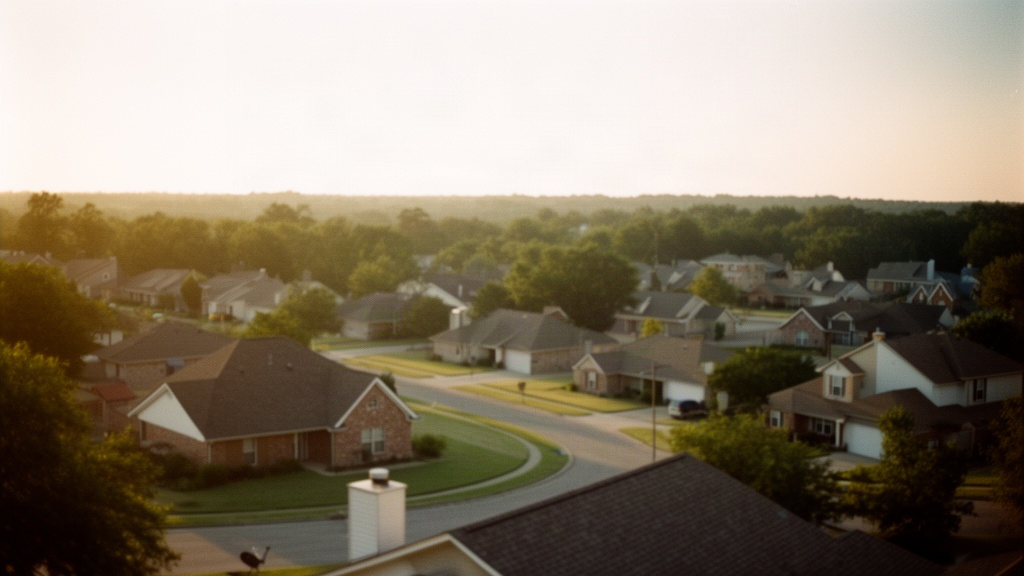
Bungalows and small infill homes. Houses in older neighborhoods near South Congress and Travis Heights often appear as smaller footprints on modest lots; their sale prices can cluster differently from new construction farther south.
Newer single family construction. Areas near Slaughter Lane and FM 1826 include larger lots and newer builds; those homes often list and sell at different price points than river-adjacent parcels.
- Median price: Pull the median for closed sales in your exact South Austin boundary from MLS
- Average (mean) price: Get the mean sale price to see how high-priced sales skew the numbers
- Price per square foot: Compare similar-sized homes rather than all homes combined
- Sales count: Use the number of closed sales to judge sample size
4. How Buyers and Sellers Should Use the Average
Short answer: treat the average or median as a starting point, then build a comparable sales selection that matches the home's lot size, age, and block to get a price for a specific property.
What to ask your agent about comps
Pull these comps. Ask for 3 to 6 closed sales within the last 6 months that are within a mile of the subject property, match square footage within 10 to 20 percent, and have similar lot sizes and number of bedrooms.
Adjusting for renovation, lot, and location
Common adjustments. Increase or decrease the comparable values for recent renovations, sizable lots, views of the river or proximity to major roads, and unique features like accessory dwelling units. Your agent should show the math behind each adjustment.
5. Where to Watch for Data and What It Means
Short answer: use local MLS reports for the most precise South Austin averages, supplement with county records for verification, and read a couple of national real estate coverage pieces for context about market reporting conventions.
Suggested local metrics to watch monthly. Median sales price, average sale price, number of closed sales, new listings, days on market, and months of inventory for your defined South Austin boundary.
National and industry context. Industry reporting can use different windows and filters; for background on seller pricing pressure and the nuance behind pending sales counts, see HousingWire and Inman coverage linked below.
Another useful read. A piece on pending sales explains why a simple drop in pending listings is not always a signal about buyer leverage, and it helps show how local data should be interpreted in context.
- What to pull from MLS: Median sale price, average sale price, sales count, DOM, price per square foot
- What to verify in public records: recorded sale amount and deed date
- What to compare: Similar size, lot, age, and proximity instead of broad neighborhood averages
Leila Showery note. As a Compass agent focused on Austin, I can pull the exact MLS report for the South Austin boundary you care about and walk you through the comparable sales and adjustments that arrive at a realistic price for your specific home or search.
6. Practical Steps to Get the Average for Your Street Right Now
Short answer: follow a three-step process using MLS, county records, and a tailored comparable analysis to produce the reliable average or median for your specific South Austin location.
- Step 1, Pull MLS closed sales for the last 60 to 180 days in your defined boundary
- Step 2, Verify price and deed date in Travis County records for each comparable
- Step 3, Adjust comparables for square footage, lot size, and renovations, then calculate the median and mean
Time and sample size. If you have fewer than 10 closed sales in your immediate area in the last 90 days, expand the window to 180 days or widen the radius to one mile to get a useful sample.
Tools mention. Tools like Trolto generate listing videos automatically from your photos. The property descriptions you provide become the foundation for how those videos appear in search.
7. Local Context: Commutes, Parks, and Landmarks That Affect Price
Short answer: proximity to Lady Bird Lake, South Congress, Zilker Park, and major corridors like South Lamar and Ben White influences what buyers pay in different parts of South Austin.
Examples. Homes within a short bike or walk to Zilker Park and Barton Springs generally show different listing profiles than newer homes near Slaughter Lane that offer larger lots and quieter streets.
Commuting distances. South Austin commutes into downtown or the Domain area vary; from South Lamar near Ben White the drive to downtown is typically 8 to 15 minutes without heavy traffic, while areas near Slaughter Lane can be 20 to 30 minutes depending on time of day.
FAQ
How is median different from average and which should I use?
Median is the middle sale price of your data set, while average or mean adds all sale prices and divides by the count. Median reduces distortion from very high or low sales. For South Austin, start with the median for a neighborhood-level read, then check the mean if you suspect a few high-end sales are skewing results.
Can I rely on public websites for the average price in South Austin?
Public consumer sites can give quick ballpark figures but they may use different boundaries and lag MLS data. For an accurate, actionable average, have a licensed agent pull MLS closed sales for your precise count and boundary and verify key comparables with Travis County records.
How many comparables do I need to price my home accurately?
Aim for at least 3 to 6 good comparables within a one mile radius and within 6 months to 12 months of your list date. If your immediate area has very few sales, expand to a larger radius or timeframe and document why each comp is included and any adjustments made.