
← Back to Blog
Neighborhoods
What Is It Actually Like to Live in the Main South Neighborhood of Worcester MA
By Lina To Carter
September 9, 2026 · 10 min read
If you have been asking what it is actually like to live in the Main South neighborhood of Worcester MA, you deserve a straight answer rooted in real details, not marketing copy. Main South is one of Worcester's most historically layered urban neighborhoods, sitting roughly a mile south of City Hall, and it looks and feels quite different from the suburban-style pockets further out on the city's edges. This guide covers the housing stock, price ranges, commute patterns, local institutions, and day-to-day texture of the neighborhood so you can make an informed decision.
1. Where Main South Actually Is and What It Looks Like
Main South is Worcester's urban core extended southward. The neighborhood runs roughly from Main Street on the east to Chandler Street on the west, and from Park Avenue in the north down toward Canterbury Street in the south. It sits about one mile from Worcester's downtown and City Hall, and the walk between the two takes under 25 minutes on foot.
The neighborhood's boundaries are described in detail by the Main South Community Development Corporation, which has been working in the area for decades. Their maps and community profiles give a useful baseline if you want to verify exactly which streets fall within the official neighborhood footprint.
The Physical Footprint
Main South covers approximately 1.3 square miles. The terrain is gently hilly, which is typical of Worcester's drumlin topography. Streets like Chandler, Main, and Pleasant carry significant traffic volume and are lined with a mix of commercial storefronts, older apartment buildings, and institutional uses. Side streets like Sigourney, Piedmont, and Oread tend to be quieter and more residential.
Clark University anchors the southern portion of Main South, occupying a compact campus along Main Street near Downing Street. The university's presence shapes a noticeable stretch of the neighborhood, with academic buildings, student housing, and university-affiliated facilities clustered in that corridor.
Street-Level Character
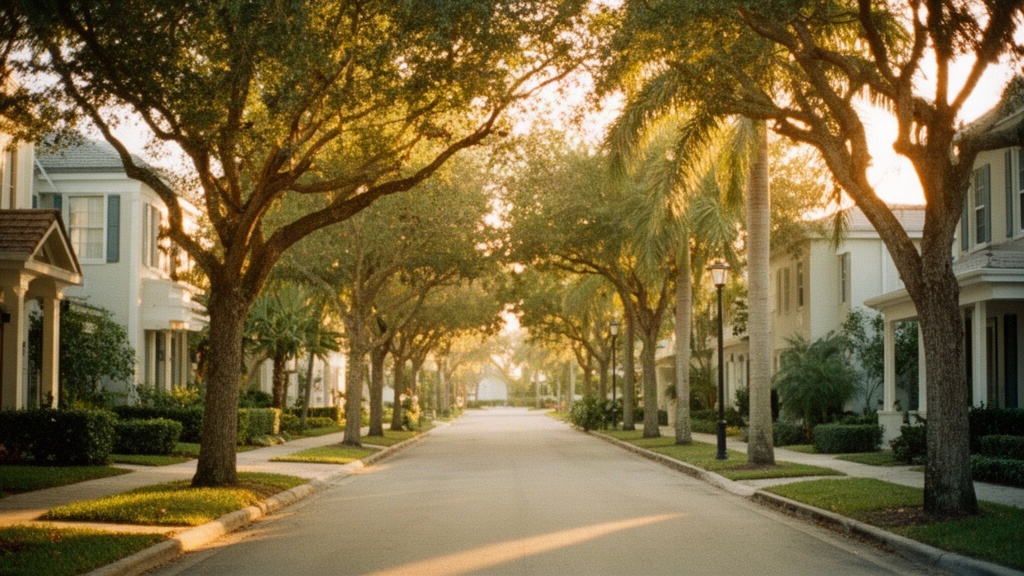
Walking through Main South, you encounter a dense, urban streetscape with a lot of architectural variety. Triple-deckers built between 1890 and 1930 sit next to early 20th-century brick commercial blocks. Some blocks have been significantly reinvested over the past decade, with renovated facades and new landscaping visible on streets like Piedmont and Oread. Other stretches are still mid-renovation or have older building stock in its original condition.
The neighborhood is genuinely urban in its density and pace. If you are coming from a suburban background, the tighter lot sizes, on-street parking, and proximity of neighbors will be a noticeable shift. If you are relocating from a larger city, Main South will likely feel more manageable and less intense than what you are used to.
2. Housing Stock and What You Can Expect to Pay
Main South is predominantly a multi-family neighborhood, which directly shapes both the buying and renting experience here. The housing stock reflects Worcester's industrial-era growth: the city grew rapidly between the 1880s and 1920s, and the triple-decker became the dominant housing form for working-class households. Main South has one of the highest concentrations of these structures in the city.
Multi-Family and Triple-Deckers
A triple-decker in Main South typically offers three stacked units, each with its own living room, kitchen, two or three bedrooms, and a back porch. Lot sizes are compact, often 4,000 to 6,000 square feet, and off-street parking is limited to one or two spaces in the rear. Many buyers purchase these as owner-occupied investments, living in one unit while renting the other two. Gross rents for a two-bedroom unit in the neighborhood currently run in the range of $1,400 to $1,900 per month as of September 2026, depending on condition and whether utilities are included.
Larger apartment buildings, including some six-unit and eight-unit structures, also exist in Main South. These tend to be owned by investors rather than owner-occupants and are less frequently listed for sale.
Single-Family and Condo Options
True single-family homes are less common in Main South than in Worcester's outer neighborhoods, but they do exist, particularly on quieter residential side streets. When they come to market, they tend to be two-story colonials or Victorian-era structures with original woodwork, narrow staircases, and smaller rooms than newer construction. Condominiums converted from older multi-family buildings represent another option, and these occasionally appear near the Clark University corridor.
Current Price Ranges in September 2026
As of September 2026, Main South sits below Worcester's citywide median price point, which makes it one of the more accessible entry points into the Worcester market. Two-family and three-family properties in the neighborhood have been trading roughly in the $320,000 to $480,000 range, depending heavily on condition, unit configuration, and whether the building has been recently updated. Fully renovated triple-deckers with new roofs, updated electrical, and modern kitchens push toward the upper end of that range. Buildings needing significant capital investment come in lower.
Single-family homes in Main South, when they surface, have been listing in the $260,000 to $380,000 range in 2026. Condos tend to run $175,000 to $280,000. For broader context on Worcester pricing across all neighborhoods, the guide to homes for sale in Worcester MA in 2026 covers the full citywide picture.
3. Getting Around: Commutes, Transit, and Walkability
Main South's central location within Worcester gives it commute advantages that outer neighborhoods do not have. Being a mile from downtown means that most destinations within the city are reachable in under 15 minutes by car in non-peak hours. The neighborhood also has reasonable access to Route 9, which runs along its northern edge, and Interstate 290, which is accessible within a five-minute drive.
Driving and Parking
Driving to downtown Worcester from Main South takes about five to eight minutes in normal traffic. Getting to Worcester's Union Station, which serves Amtrak and commuter rail to Boston's South Station, takes roughly the same amount of time. The Boston commuter rail trip from Union Station runs approximately 75 to 90 minutes depending on the train, which is a meaningful consideration for anyone working in Boston who wants Worcester's lower housing costs.
Parking is the most consistent friction point for Main South residents. Most triple-deckers have one or two off-street spaces in the rear, but additional cars must park on the street. Street parking is competitive on many blocks, particularly in the evenings. If you own two vehicles and are considering a triple-decker here, factor this in before making an offer.
WRTA Bus Service
Main South has solid WRTA (Worcester Regional Transit Authority) bus coverage. Several routes run along Main Street and Chandler Street, connecting the neighborhood to downtown Worcester's hub at the WRTA bus terminal. From there, connections to other parts of the city and to Union Station are straightforward. For residents without a car or those who prefer not to drive, the bus network is a functional option for daily errands and downtown trips.
Walking and Biking
Walk scores in Main South are among the higher readings in Worcester, reflecting the neighborhood's density and the presence of commercial corridors within easy reach. Chandler Street in particular has a walkable commercial strip with restaurants, a pharmacy, and small retailers. Biking is possible but requires comfort with urban traffic, as dedicated bike infrastructure is limited on the main arterials.
4. Local Institutions, Parks, and Day-to-Day Amenities
Day-to-day life in Main South is shaped by a set of local institutions and physical amenities that are worth knowing before you commit to the neighborhood. The area has more going on at street level than many parts of Worcester, which reflects both its density and its long history as a residential and commercial hub.
Green Spaces and Recreation
Hadwen Park sits on the western edge of Main South and offers a meaningful green space within walking distance of most of the neighborhood. The park includes open lawn areas, mature trees, and a pond, and it connects to the broader park system along the Blackstone River corridor. Elm Park, one of the oldest municipal parks in the United States, is a short walk or drive north and provides additional open space, walking paths, and two ponds.
Clark University's campus also contributes green space and recreational facilities to the area, including athletic fields and landscaped grounds that are accessible during normal hours. The university regularly hosts public events, lectures, and cultural programming that neighborhood residents can attend.
Grocery, Food, and Everyday Errands
Chandler Street is the neighborhood's primary commercial corridor and handles most everyday retail needs. There are several convenience stores, a handful of ethnic grocery options, and a range of restaurants reflecting Worcester's diverse food scene. For a full-service supermarket, residents typically drive to the Market Basket on Grafton Street or the Stop and Shop locations a few minutes away. The distance to a major grocery store is roughly 10 to 15 minutes on foot or three to five minutes by car.
The neighborhood has a genuine restaurant culture, with Vietnamese, Latin American, and other cuisines represented along Main Street and Chandler Street. This is not a neighborhood where you will struggle to find a good meal within walking distance.
Community Organizations and Civic Life
Main South has an unusually active civic infrastructure for a neighborhood of its size. The Main South Community Development Corporation has operated in the neighborhood since 1991, running housing development programs, homebuyer education, and community organizing efforts. Their presence has contributed to a number of building renovations and new construction projects on previously vacant lots over the past two decades.
Clark University's Community Engagement program also connects the institution to neighborhood initiatives, including the Main South Alliance for Public Safety and various neighborhood improvement projects. For buyers who want to be part of an active community rather than a passive resident, Main South has more organized civic life than many Worcester neighborhoods.
For school information, the Worcester Public Schools district serves Main South. The district's website and the Massachusetts Department of Elementary and Secondary Education publish detailed school data. Lina To Carter recommends reviewing those sources directly, as school choices are a personal decision that depends on each household's priorities.
5. What the Main South Real Estate Market Looks Like Right Now
As of September 2026, Main South represents one of Worcester's more active sub-markets for multi-family investment and owner-occupied two-family purchases. Inventory in the neighborhood has been tight through most of 2026, consistent with the citywide pattern. Properties that are priced correctly and in reasonable condition are moving in under 30 days in many cases. Overpriced listings or buildings with deferred maintenance have been sitting longer, sometimes 60 to 90 days.
Who Is Buying Here and Why
The Main South buyer pool in 2026 skews toward first-time buyers using FHA financing and investors purchasing with conventional loans. The owner-occupied multi-family purchase, where a buyer lives in one unit and rents the others to offset the mortgage, is a common strategy in this neighborhood. Rental income from two units in a triple-decker can realistically cover $1,500 to $2,200 per month toward the mortgage, which makes the math work for buyers who would otherwise struggle to afford a single-family home in Worcester's pricier pockets.
Proximity to Clark University also drives demand from buyers who want to rent to students or university-affiliated tenants, though this introduces its own considerations around lease terms and tenant turnover that are worth discussing with a local agent before committing.
What to Watch for as a Buyer or Seller
Buyers in Main South should budget carefully for deferred maintenance on older buildings. Triple-deckers built before 1940 frequently have aging roofs, knob-and-tube wiring in some units, and plumbing that has been updated piecemeal over the decades. A thorough home inspection by an inspector experienced with Worcester's older multi-family stock is not optional here; it is essential. Budget for a minimum of $1,500 to $3,000 in inspection costs for a multi-family property to cover all units properly.
Sellers in Main South should price carefully relative to recent comparable sales. The neighborhood has enough transaction volume that appraisers and buyers' agents will have solid data. Overpricing by even 5 to 8 percent above recent comps tends to result in extended days on market and eventual price reductions, which can cost more than the original overpricing gained.
For a broader view of how Main South compares statistically to other Worcester sub-markets, the NeighborhoodScout profile for Main South aggregates census and real estate data in one place and is worth bookmarking as a reference alongside your own research.
FAQ
Is Main South a good area to buy a triple-decker in Worcester MA?
Main South has one of the highest concentrations of triple-decker housing in Worcester, and these properties have historically attracted buyers who want to offset their mortgage with rental income from the other units. As of September 2026, three-family properties in the neighborhood have been trading in the $320,000 to $480,000 range depending on condition. The owner-occupied multi-family strategy works well here because rental demand near Clark University and the broader neighborhood keeps vacancy rates relatively low. That said, older buildings require careful inspection, and buyers should budget for potential capital improvements to roofing, electrical, and plumbing systems before making an offer.
How far is Main South from downtown Worcester and how easy is the commute?
Main South sits approximately one mile south of Worcester's downtown and City Hall, which translates to a five-to-eight-minute drive in normal traffic or a 20-to-25-minute walk. From Main South, Worcester's Union Station is also reachable in about five to eight minutes by car, giving residents access to the MBTA commuter rail line to Boston's South Station. The Boston commute by train runs roughly 75 to 90 minutes. WRTA bus routes along Main Street and Chandler Street connect the neighborhood to the downtown transit hub for residents who prefer not to drive.
What should I know about schools in Main South, Worcester MA?
Main South is served by the Worcester Public Schools district, and specific school assignments depend on your exact address within the neighborhood. For detailed and current information, the Massachusetts Department of Elementary and Secondary Education publishes school profiles at their official website, which you can search by school name or district. The Worcester Public Schools website also lists school assignments by address and describes available programs. Because school preferences are personal and depend on your household's specific needs, Lina To Carter recommends reviewing those official sources directly and visiting schools of interest before making a decision.