← Back to Blog
Selling
Selling a Home in the League City Market: Pricing, Timeline and What to Expect
By Lindsay Rose
Foundations Realty
September 29, 2026 · 12 min read
Selling a home in the League City market in 2026 involves more moving parts than most sellers anticipate, from setting the right list price to navigating inspection negotiations and closing day logistics. This guide walks through the full process: pricing strategy, how long each stage typically takes, what costs to plan for, and the local factors that shape outcomes in communities like Tuscan Lakes, South Shore Harbour, Victory Lakes, Bay Colony, and Westover Park. Whether you are listing for the first time or have sold before, knowing what to expect here specifically will help you make sharper decisions.
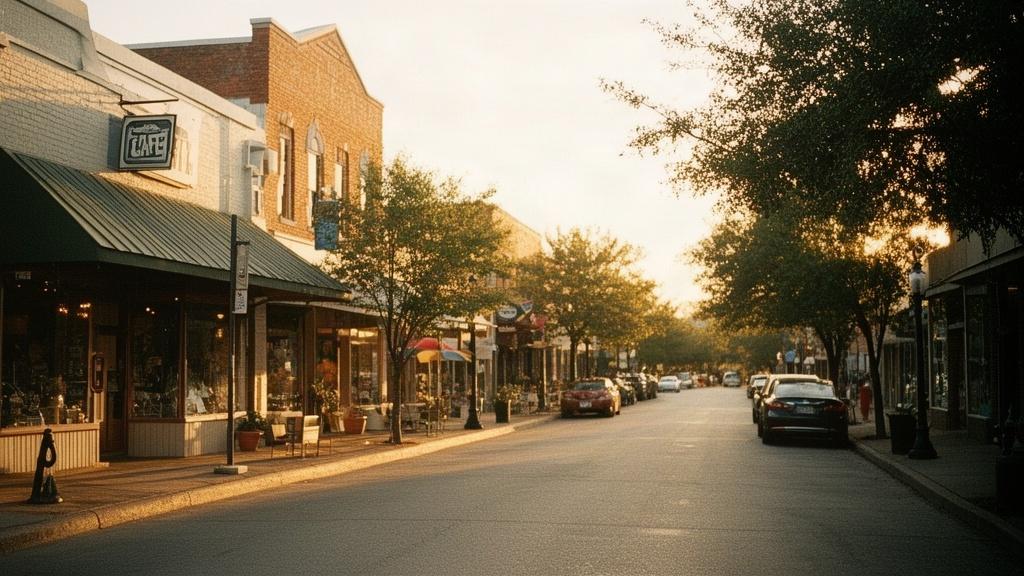
1. What the League City Market Looks Like Right Now
The League City housing market in September 2026 sits in a more balanced position than the frenzied pace sellers experienced in 2021 and 2022. Inventory has grown, buyers have more choices, and homes that are not priced and presented well are sitting longer than sellers expect.
Current Price Ranges by Community
Prices vary meaningfully across League City's established and newer communities. In South Shore Harbour, single-family homes currently range from roughly $320,000 for older three-bedroom models to over $600,000 for larger waterfront-adjacent properties. Tuscan Lakes, with its newer construction and resort-style amenities along the FM 518 corridor, sees median prices in the $400,000 to $550,000 range. Victory Lakes homes, many built in the early 2000s on larger lots near Interstate 45, typically list between $280,000 and $420,000. Bay Colony, closer to the Galveston Bay shoreline, includes townhomes starting near $250,000 and custom homes exceeding $700,000. Westover Park, a master-planned community near FM 270, generally runs $350,000 to $480,000.
These ranges shift based on lot size, flood zone designation, age of the home, and updates to kitchens and primary bathrooms. If your property sits in a Special Flood Hazard Area, that affects buyer financing options and insurance costs, which in turn affects what buyers are willing to offer. You can check your address against FEMA flood maps, and Lindsay Rose's article on flood zones in League City walks through exactly how to do that before you list.
How Supply and Demand Are Shifting
Active listings in the League City and Clear Creek area have climbed compared to September 2025, meaning buyers are not competing as aggressively as they once were. New construction from builders like Perry Homes, David Weekley, and Meritage continues to add inventory along the Highway 96 and FM 518 corridors, which creates direct competition for resale sellers. Homes that are updated, well-staged, and priced within the range that comparable sales support are still moving in two to four weeks. Homes that are not are collecting days on market and requiring price reductions.
For a broader view of current conditions across the area, the League City real estate market guide covers price trends, absorption rates, and how the market has shifted over the past twelve months.
2. How to Price Your Home to Sell in League City
Pricing is the single variable with the most influence over how quickly your home sells and how close to list price you ultimately receive. Set it too high and buyers skip your listing in favor of newer or better-priced competition. Set it accurately and you generate the early traffic that leads to strong offers.
What a Comparative Market Analysis Actually Covers
A comparative market analysis, commonly called a CMA, is not an appraisal but it uses similar data. It pulls closed sales from the past three to six months within your immediate area, filtered by square footage, bedroom and bathroom count, lot size, garage configuration, and condition. In League City, a CMA for a home in Tuscan Lakes should not be compared against sales in Victory Lakes without adjustments for community amenities and age of construction. The two communities have different buyer pools and different price-per-square-foot norms.
A thorough CMA will also account for active competition: what is currently listed nearby and at what price. If three similar homes in your subdivision are listed between $415,000 and $430,000, pricing at $449,000 without a clear differentiator means buyers will tour those other homes first. Lindsay Rose builds CMAs that reflect the specific micro-market around your address, not just a broad League City average.
The Cost of Overpricing in a Balanced Market
In a balanced market, overpricing does not just delay a sale. It can actually reduce your final net proceeds. Homes that sit on the market for more than 30 days in League City begin to carry a stigma. Buyers start asking what is wrong with it. When a price reduction finally happens, the listing gets a second wave of attention, but buyers now negotiate harder because they sense the seller's motivation has shifted.
Research from the National Association of Realtors confirms this pattern: homes that require a price reduction typically sell for less than they would have if priced correctly from the start, as covered in NAR's guidance on navigating listing price reductions. The takeaway for League City sellers is straightforward: accurate pricing on day one outperforms aspirational pricing followed by a cut.
3. The Realistic Timeline for Selling a Home in League City
From the day you decide to sell to the day you hand over keys, the full process in League City typically runs eight to fourteen weeks for a well-prepared listing. That window compresses if your home is move-in ready and priced sharply, and it stretches if repairs are needed, if the first contract falls through, or if the buyer's financing hits a snag.
Pre-Listing Preparation: Two to Four Weeks
Most sellers underestimate how much time pre-listing work takes. Decluttering and deep cleaning a three or four-bedroom home in South Shore Harbour or Westover Park realistically takes a full weekend minimum. If you need paint touch-ups, landscaping work, or minor repairs like a leaky faucet or a sticking door, add another week. Professional photography, which is non-negotiable in today's market, needs to be scheduled after the home is fully prepared. Lindsay Rose coordinates professional photography and, where appropriate, video walkthroughs as part of the listing process.
Before any of that begins, there are important conversations to have. The article on who to contact first before listing your home in League City outlines the sequence: agent consultation, title company, and whether a pre-listing inspection makes sense for your property.
Active Listing Period: Days on Market
In September 2026, well-priced homes in League City are going under contract in roughly fourteen to twenty-eight days. Homes in the $280,000 to $400,000 range, which aligns with much of Victory Lakes and older sections of South Shore Harbour, tend to move faster because buyer demand at that price point is consistent. Homes priced above $550,000 in communities like Bay Colony or the larger lots in Tuscan Lakes can sit for thirty to fifty days before receiving an offer, simply because the buyer pool is smaller.
The first seven to ten days on market are the most important. That is when buyer interest peaks, showings are most frequent, and the likelihood of receiving multiple offers is highest. If you have not received a showing request within the first five days, that is a signal worth discussing with your agent immediately, because it usually points to a pricing or presentation problem rather than a market problem.
Contract to Close: Thirty to Forty-Five Days
Once you accept an offer, the closing timeline in Texas is typically thirty to forty-five days. Cash transactions can close in as few as fourteen days. Conventional loans typically close in thirty to thirty-five days. FHA and VA loans, which are common among buyers in League City's mid-range price tiers, can take thirty-five to forty-five days due to additional appraisal requirements. Your title company, which handles the closing in Texas rather than an attorney, will coordinate the payoff of your existing mortgage, proration of property taxes, and transfer of the deed.
4. Staging, Presentation, and First Impressions
Presentation directly affects both sale price and time on market. This is not a subjective opinion; it is documented. Buyers form a strong impression within seconds of seeing the first listing photo, and that impression drives whether they schedule a showing at all.
What Staging Data Shows
According to a NAR report on home staging, staged homes sell faster and at higher prices than comparable unstaged homes. Buyers' agents consistently report that staging helps buyers visualize the space as their own, which is especially relevant in League City where many homes have open-concept floor plans that can feel either spacious or cavernous depending on how furniture is arranged.
Full professional staging is not always necessary. For occupied homes, the most impactful steps are depersonalizing, removing excess furniture to make rooms read larger in photos, and ensuring every space is clean and well-lit. For vacant homes, which are common when sellers have already relocated, virtual staging or physical staging of the primary living areas and master bedroom can meaningfully improve online engagement.
Curb Appeal in the Gulf Coast Climate
League City's humidity and heat create specific curb appeal challenges that sellers in cooler climates do not face. Lawns can look stressed in late summer, driveways accumulate mildew stains, and exterior paint fades faster in the Gulf Coast sun. Before listing, power-washing the driveway, front walkway, and exterior walls makes a significant visual difference. Fresh mulch in flower beds photographs well and signals to buyers that the home has been maintained. If your lawn is dormant or patchy in September, an application of fertilizer four to six weeks before listing can help, though results depend on the variety of grass.
5. Seller Costs, Net Proceeds, and What Surprises People
Sellers often focus on the list price and are surprised by how much comes out before they see net proceeds. Understanding the full cost picture before you list helps you set realistic expectations and avoid last-minute surprises at the closing table.
Closing Costs Sellers Typically Pay
In a typical League City transaction, sellers can expect to pay the following from their proceeds at closing. Real estate commission covers both the listing agent and the buyer's agent and is negotiated at the time of listing. Title insurance, which in Texas is typically paid by the seller, runs roughly $1,500 to $2,500 on a $400,000 home depending on the title company. Property tax prorations mean you will owe taxes for the portion of the year you owned the home, calculated at closing. HOA transfer fees apply in communities like Tuscan Lakes, South Shore Harbour, and Westover Park, and can range from $150 to $500 depending on the association. Attorney or document preparation fees, recording fees, and any outstanding liens or judgments on the property are also settled at closing.
Total seller closing costs in League City, excluding commission, typically run one to two percent of the sale price. On a $450,000 home, that is $4,500 to $9,000 before commission. Your net sheet, which Lindsay Rose can prepare before you list, will show you a line-by-line estimate of what you will walk away with based on your current mortgage payoff and expected sale price.
Repairs, Concessions, and Negotiated Credits
After the inspection, buyers in League City almost always submit a repair request or ask for a closing cost credit. This is standard and does not mean something is wrong with your home. Common items flagged in League City inspections include HVAC systems that are approaching the end of their service life (typically fifteen to twenty years in the Gulf Coast climate), roof conditions, attic ventilation, and any signs of moisture intrusion near the foundation or in the crawl space. Budgeting $2,000 to $5,000 for post-inspection negotiation is a reasonable planning assumption for most resale homes.
Sellers can choose to make repairs before listing, offer a credit at closing, or negotiate item by item after the inspection. Each approach has trade-offs. Pre-listing repairs reduce negotiation friction but require upfront cash. Credits keep the process simpler but may reduce your net proceeds. Lindsay Rose can walk you through the pros and cons based on the specific condition of your home and the current buyer expectations in your price range.
6. From Offer to Closing: Inspections, Appraisals, and Final Steps
Accepting an offer is the midpoint of the sale, not the finish line. The period between executed contract and closing involves several contingencies that can affect whether the transaction closes on schedule, or at all.
The Inspection Period in Texas
Texas residential contracts include an option period, typically five to ten days, during which the buyer pays a small fee for the unrestricted right to terminate the contract for any reason. The buyer's inspector will examine the structure, roof, foundation, HVAC, plumbing, electrical, and appliances. In League City, foundation inspections deserve particular attention because the expansive clay soils common in Galveston County cause settling over time. Most inspectors will recommend a structural engineer's evaluation if they see significant pier movement or interior door misalignment.
As a seller, you do not attend the inspection, but you should be prepared for the report to surface items you were unaware of. That is normal. The inspection report is not a list of deal-killers; it is a starting point for negotiation. How you respond to it, with repairs, credits, or a combination, determines whether the transaction moves forward smoothly.
Appraisal Gaps and How to Handle Them
If the buyer is financing, the lender will order an appraisal to confirm the home's value supports the loan amount. In a balanced market like League City in September 2026, appraisals are more likely to come in at or near the contract price than they were during the rapid appreciation of 2021 and 2022. However, if you priced aggressively or accepted an offer above recent comparable sales, there is a risk the appraisal comes in lower than the contract price.
When an appraisal gap occurs, the seller and buyer have three options: the seller reduces the price to the appraised value, the buyer makes up the difference in cash, or the two parties split the gap. Negotiating this outcome requires clear communication and a realistic read on how motivated the buyer is and how much comparable support exists for your original price. Lindsay Rose has navigated appraisal gap negotiations across League City's diverse price tiers and can help you evaluate your options without letting emotion drive the decision.
If you are also planning to buy in League City after your sale, understanding your full cost picture on both sides matters. The guide to typical closing costs for buying a home in League City covers what you will owe as a buyer, which helps you plan the bridge between your sale proceeds and your next purchase.
FAQ
How long does it take to sell a home in League City right now?
In September 2026, well-priced homes in League City are typically going under contract within fourteen to twenty-eight days of listing. The full process from the day you decide to sell through closing runs eight to fourteen weeks for most sellers, depending on how much pre-listing preparation is needed, how quickly you receive an offer, and which loan type the buyer is using. Homes priced above $550,000 or those in flood-prone areas may take longer because the buyer pool is smaller and due diligence is more involved. Homes that require a price reduction after sitting on the market tend to add two to four additional weeks to the total timeline.
What are the biggest mistakes League City sellers make when pricing their homes?
The most common mistake is pricing based on what a neighbor sold for in 2022 rather than what comparable homes are selling for right now in 2026. The market has shifted, and buyers have access to the same data agents do, so an inflated list price gets filtered out quickly. A second common error is failing to account for active competition: if similar homes in your subdivision are listed at $415,000, pricing at $449,000 without a clear differentiator means buyers tour the other homes first. A thorough comparative market analysis that reflects your specific community and current inventory is the foundation of a sound pricing decision.
Do I need to make repairs before listing my home in League City, or can I sell it as-is?
You can sell a home as-is in League City, but you should price it to reflect its condition. Buyers who are financing will still have an inspection, and lenders may require certain repairs before approving the loan, particularly for FHA and VA buyers. Selling as-is typically attracts investors or buyers paying cash, who will discount their offers to account for the work the home needs. For most sellers, addressing the most visible and functional issues before listing produces a better net outcome than pricing down to compensate for deferred maintenance. Lindsay Rose can help you identify which repairs are worth doing and which ones buyers are likely to overlook or accept as-is.