
← Back to Blog
Market Trends
Denver, Colorado Real Estate Market Guide: Prices, Neighborhoods and Timing for Friends and Referrals
By Lisa Hintgen
September 29, 2026 · 10 min read
When friends or family ask you what the Denver, Colorado real estate market is actually like right now, it helps to have a reliable, detailed answer ready. This guide covers current prices, key neighborhoods, market timing, and the practical details that matter most in September 2026, so you can share something genuinely useful with anyone you know who is buying, selling, or relocating to Denver.
1. Where Denver Home Prices Stand in September 2026
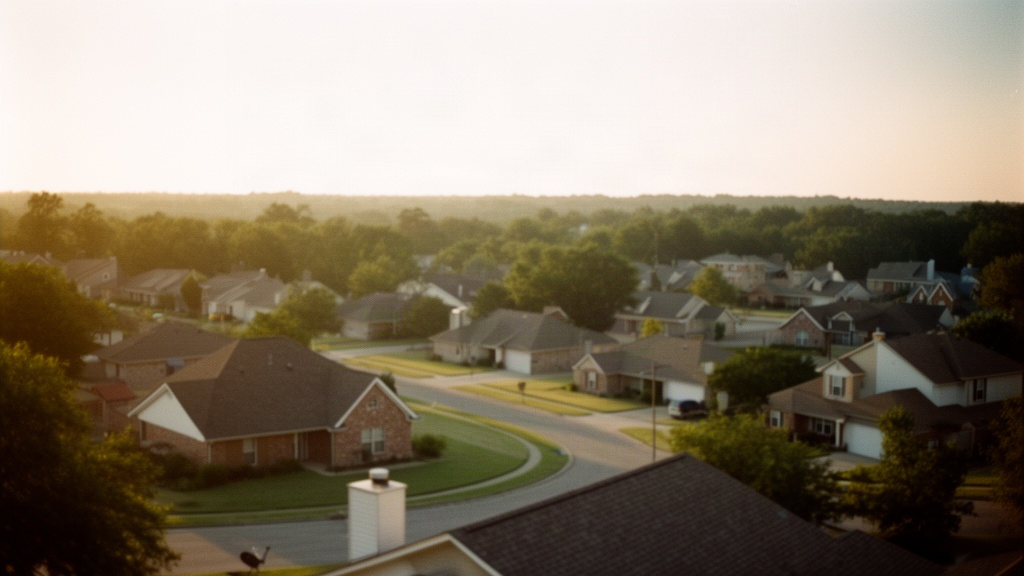
Denver's median home price sits at approximately $560,000 as of September 2026, down modestly from the peak years of 2022 and 2023 but still well above pre-pandemic levels. That figure covers everything from attached condos under $350,000 in areas like Aurora and Englewood to single-family homes pushing past $900,000 in neighborhoods closer to Cherry Creek and Washington Park.
What the Numbers Show Right Now
The broader Denver metro is tracking a slight year-over-year price softening of roughly 2 to 4 percent compared to September 2025. That correction has been uneven: entry-level condos and townhomes have held value better than larger detached homes in the $700,000 to $900,000 range, where supply has grown faster than demand. For detailed trend data, Norada Real Estate's Denver market forecast tracks median prices, active inventory, and absorption rates on a rolling basis.
Condos in LoDo and RiNo are averaging closer to $400,000 to $500,000 depending on square footage and floor level. Townhomes in the Highlands and Sloan's Lake area are generally landing between $550,000 and $750,000. Single-family detached homes in Park Hill, Montclair, and Hilltop are typically ranging from $650,000 to over $1 million depending on lot size and renovation level.
How Price Varies Across Denver's Areas
Price per square foot is one of the clearest ways to compare value across Denver's neighborhoods. In Cherry Creek North, price per square foot for detached homes frequently exceeds $500. In Central Park (formerly Stapleton), newer construction townhomes are running $300 to $380 per square foot. In Green Valley Ranch and Montbello on the far northeast side, you can still find detached homes at $250 to $290 per square foot.
For anyone you are referring to Denver who wants a deeper look at how Cherry Creek specifically is priced and trending, the Cherry Creek Denver real estate market guide on this site breaks that submarket down in detail.
2. Denver's Distinct Neighborhoods: What the Housing Stock Looks Like
Denver is not a uniform city. Each neighborhood has its own architectural character, lot sizes, walkability profile, and price range. When friends ask where to look, the most helpful thing you can do is describe what each area physically offers rather than making blanket recommendations.
Central and Inner-Ring Neighborhoods
LoDo (Lower Downtown) and RiNo (River North Art District) are dense, walkable, and built primarily around loft-style condos and newer mixed-use developments. Union Station anchors LoDo, with the A-Line light rail connecting directly to Denver International Airport in about 37 minutes. Ceilings tend to run 10 to 14 feet in converted warehouse units; HOA fees typically range from $400 to $700 per month in these buildings.
Washington Park sits about 3 miles south of downtown and is built almost entirely around bungalows and craftsman-style homes from the 1920s through 1940s, with some newer infill construction. The park itself covers 165 acres and includes two lakes, tennis courts, and a recreation center. Lot sizes are typically 5,500 to 7,000 square feet. Prices for detached homes here are generally $700,000 to $1.2 million.
East and Southeast Denver
Park Hill, Montclair, and Hilltop contain some of Denver's most architecturally varied housing stock, with Tudor revivals, Spanish eclectic bungalows, and mid-century ranch homes all within a few blocks of each other. Lot sizes in these neighborhoods are often 6,000 to 9,000 square feet, and mature trees line most streets. City Park, Denver's largest park at 330 acres, borders Park Hill to the west and includes the Denver Zoo and Denver Museum of Nature and Science.
Cherry Creek is the city's most concentrated luxury corridor. The Cherry Creek Shopping District and the Cherry Creek Trail system, which runs 40 miles through the metro, are central to daily life here. New construction townhomes and condos have added significant inventory over the past three years, with prices on new builds typically starting around $800,000.
North and Northwest Denver
The Highlands neighborhood (West Highland and Highland proper) sits on a bluff northwest of downtown with views of the downtown skyline and the Front Range. Victorian-era homes, Queen Anne cottages, and newer row homes all coexist here. Tennyson Street is the commercial spine, lined with independent restaurants, bookstores, and coffee shops. Prices for detached homes in the Highlands typically fall between $650,000 and $950,000.
Sloan's Lake, directly west of the Highlands, wraps around a 177-acre reservoir and has seen significant new townhome and condo construction over the past five years. Townhomes here are often 1,800 to 2,400 square feet and are priced from roughly $575,000 to $750,000. The lake itself has a 2.6-mile perimeter trail used for running, cycling, and kayaking.
Suburban Corridors and Outer Areas
Central Park (formerly Stapleton) is one of Denver's largest planned communities, built on the site of the old Stapleton International Airport. It has over 80 miles of trails, a town center with retail and dining, and a mix of production homes, custom builds, and townhomes. Prices range from around $450,000 for attached townhomes to over $900,000 for larger detached homes on premium lots.
For anyone relocating who will be commuting to downtown, the commute times from Central Park to downtown Denver guide covers drive times, light rail options, and what to expect on I-70 during peak hours.
3. Market Timing: Is Right Now a Good Moment to Buy or Sell?
September 2026 sits in a more balanced market than Denver has seen in several years, which changes the calculus for both buyers and sellers compared to the frenzied conditions of 2021 and 2022. Active inventory is up significantly from those years, giving buyers more options and more negotiating room than they had before.
What the Inventory Data Tells Us
Active listings across the Denver metro are currently running above 8,000 units, a level not seen consistently since before the pandemic. That represents roughly 3 to 3.5 months of supply, which is higher than the 1 to 1.5 months seen during peak seller conditions but still below the 6-month threshold that traditionally defines a full buyer's market. Denver is in a transitional zone, and that matters for how buyers and sellers should approach negotiations.
For a fuller breakdown of whether this market currently favors buyers or sellers, the article Is the Denver Housing Market a Buyers or Sellers Market in Fall 2026 goes deeper into the supply and demand dynamics driving conditions right now.
How Long Homes Are Sitting on the Market
Median days on market across Denver is currently around 28 to 35 days, up from single digits during the 2021 to 2022 peak. Well-priced homes in high-demand areas like the Highlands, Wash Park, and Central Park are still moving in 10 to 15 days. Overpriced homes, particularly in the $750,000 to $1 million range, are sitting 45 to 60 days or longer before sellers adjust.
Price Reductions and What They Mean for Buyers
Price reductions are more common now than at any point since 2019. According to reporting from HousingWire's Denver market coverage, a meaningful share of active Denver listings have seen at least one price cut before going under contract. For buyers, that means there is real room to negotiate on homes that have been sitting, especially when inspection findings give additional leverage.
Sellers who price correctly from day one are still achieving strong results. The homes that are struggling are those that entered the market 5 to 10 percent above where comparable sales actually support. Buyers in September 2026 are doing their homework, and overpriced listings are getting skipped rather than negotiated.
4. What Buyers Moving to Denver Need to Know Before They Start
Anyone entering the Denver market as a buyer right now has more leverage than they would have had two or three years ago, but the market still moves fast in the right price ranges and the right neighborhoods. Preparation is what separates buyers who close on homes they want from those who keep losing out.
Mortgage Rates and Purchasing Power
Mortgage rates in September 2026 are in the mid-to-high 6 percent range for a 30-year conventional loan, which significantly affects monthly payment math compared to the sub-3 percent rates of 2021. On a $560,000 purchase with 10 percent down, a rate of 6.75 percent produces a principal and interest payment of roughly $3,270 per month. That number is the starting point for most affordability conversations buyers need to have before they start touring homes.
Colorado has several down payment assistance programs available through CHFA (Colorado Housing and Finance Authority) that first-time buyers in particular should explore. The first-time home buyer guide for Denver on this site covers those programs, income limits, and how to apply.
Closing Costs and What to Budget
Buyers in Denver should budget 2 to 3 percent of the purchase price for closing costs on top of their down payment. On a $560,000 home, that is roughly $11,200 to $16,800 in lender fees, title insurance, prepaid property taxes, and homeowner's insurance. Colorado uses title companies rather than attorneys for closings, and the buyer typically chooses the title company.
Working With a Local Agent From Day One
Out-of-state buyers in particular benefit from having a local agent before they start their search, not after. Denver's neighborhoods are distinct enough that a buyer who only knows the city from online listings can easily end up touring homes in areas that do not match what they actually want once they understand the differences. An agent who knows the city can compress that learning curve significantly.
If you are sharing this guide with someone relocating from out of state, the article on relocating to Denver from out of state covers the specific steps and considerations for buyers who are moving from another state and may only have one or two trips to Denver before making an offer.
5. What Sellers in Denver Should Understand Before Listing
Selling in September 2026 is a different exercise than it was in 2021 or even 2023. Buyers have more choices, more time to think, and more data at their fingertips. Sellers who approach the market with that reality in mind tend to do far better than those who expect the old rules to still apply.
Pricing Strategy in a More Balanced Market
The single biggest factor in how quickly a Denver home sells right now is whether it is priced accurately on day one. Homes that debut at or slightly below the level that comparable sales support are generating multiple showings in the first week and, in some cases, competing offers. Homes that debut 5 percent or more above that level are sitting, accumulating days on market, and often selling for less than they would have if priced correctly from the start.
Preparation and Presentation Matter More Now
In a market with more inventory, buyers are comparing your home to ten or fifteen others, not two or three. Pre-listing inspections, fresh paint, updated fixtures, and professional photography are no longer optional extras; they are baseline expectations from buyers who have seen enough listings to know the difference. Sellers who skip this step are typically leaving money on the table.
Timeline Expectations for Denver Sellers
A well-prepared, correctly priced Denver home in September 2026 is typically going under contract within 2 to 4 weeks of hitting the market. From accepted offer to closing, Colorado contracts typically run 30 to 45 days. Sellers should plan for a total timeline of 8 to 12 weeks from the time they start preparing the home to the time they receive proceeds at closing.
FAQ
What is the median home price in Denver, Colorado right now?
As of September 2026, Denver's metro-wide median home price is approximately $560,000. That number varies significantly by property type and location: condos in LoDo and RiNo are averaging $400,000 to $500,000, while detached single-family homes in neighborhoods like Washington Park and the Highlands are typically priced from $700,000 to over $1 million. Entry-level detached homes in outer areas like Green Valley Ranch can still be found in the $380,000 to $480,000 range. Price per square foot is often the most useful metric for comparing value across Denver's different neighborhoods and housing types.
Is it a good time to buy a home in Denver in 2026?
The Denver market in September 2026 is more favorable for buyers than it has been in several years, with active inventory above 8,000 units and median days on market around 28 to 35 days. Buyers have more negotiating room, especially on homes that have been sitting for more than 30 days or have already had a price reduction. That said, well-priced homes in high-demand neighborhoods are still generating strong interest and moving quickly. The key for buyers is getting pre-approved, understanding the specific neighborhoods that fit their needs, and working with a local agent who can identify value before a home becomes widely visible.
How do I refer a friend to buy or sell a home in Denver?
The most useful thing you can do for a friend entering the Denver market is connect them with a knowledgeable local agent before they start searching online or attending open houses on their own. Denver's neighborhoods differ substantially in housing stock, price range, commute access, and overall character, and a good agent helps buyers understand those differences quickly rather than spending weeks figuring it out through trial and error. For sellers, an agent who knows current Denver pricing and buyer expectations can mean the difference between a home that sells in two weeks and one that sits for two months. Lisa Hintgen works with buyers, sellers, and relocating clients across the Denver metro and is a straightforward starting point for anyone you want to refer.