
← Back to Blog
Neighborhoods
What Is It Actually Like to Live in the Wash Park Neighborhood in Denver?
By Lisa Hintgen
September 24, 2026 · 9 min read
If you are wondering what it is actually like to live in the Wash Park neighborhood in Denver, the short answer is this: it is a walkable, tree-lined pocket of the city built around a 165-acre park, with a mix of century-old bungalows and newer infill homes, and a real estate market that consistently draws serious buyer competition. This guide covers daily life, housing costs, commute realities, local dining and retail, and everything else you need to make an informed decision about this part of Denver.
1. The Park Itself: What Washington Park Actually Offers Day to Day
Washington Park is the defining feature of the neighborhood, and it is not just a backdrop. At 165 acres, it is one of the largest urban parks in Denver, and residents use it daily rather than occasionally. The park sits roughly between South Downing Street to the west, South Franklin Street to the east, East Virginia Avenue to the north, and East Mississippi Avenue to the south.
The Two Lakes and the Loop
The park contains two lakes, Smith Lake to the south and Grasmere Lake to the north. Both are stocked and open for fishing. The 2.6-mile perimeter loop is the social spine of the neighborhood. On any given morning you will find runners, cyclists, dog walkers, and people pushing strollers on the same path. The loop is paved and well-lit, which means it gets used year-round, even in Denver winters.
The replica of the Mayflower II flower gardens near the center of the park is a detail most visitors miss but residents notice every spring. The formal gardens were modeled after those at Mount Vernon and are maintained by Denver Parks and Recreation. They bloom from late April through early October, which adds a visible seasonal rhythm to the neighborhood that residents frequently mention when describing why they stay.
Recreation Facilities Inside the Park
Beyond the loop and the lakes, the park includes tennis courts, a recreation center with an indoor pool, volleyball courts, a lawn bowling green, and a boathouse. The Washington Park Recreation Center charges separate membership fees and offers fitness classes, lap swimming, and youth programming. For residents who want gym access without a separate commute, this is a meaningful convenience. The outdoor volleyball courts are some of the most consistently used in Denver from May through September.
2. What Is It Like to Live in the Wash Park Neighborhood in Denver: Housing Stock and Architecture
Wash Park's housing stock is one of the most architecturally varied in Denver's inner ring. The neighborhood developed primarily between 1900 and 1940, which means the dominant styles are Craftsman bungalows, Tudor revivals, and Dutch colonials. Many of these homes sit on 6,250-square-foot lots, which is the standard Denver lot size from that era. You will also find a meaningful number of infill homes and duplexes built after 2000, particularly on the edges of the neighborhood closer to South Broadway.
Bungalows, Tudors, and Infill Construction
Original bungalows in Wash Park typically run between 1,100 and 1,800 square feet on the main level, often with an unfinished or partially finished basement that adds additional square footage. Many have been renovated, with updated kitchens and bathrooms while retaining original hardwood floors and built-in cabinetry. Tudor-style homes on the blocks closest to the park tend to be larger, sometimes reaching 2,500 to 3,200 square feet above grade.
Infill construction is a real factor in Wash Park. Developers have torn down smaller original homes and replaced them with modern two-story builds that can reach 3,500 to 4,500 square feet. These newer homes tend to have open floor plans, rooftop decks, and two-car attached garages. They sit on the same 6,250-square-foot lots as the originals, so they feel taller and more prominent on the block. Buyers who want original character should pay close attention to which side of a block they are looking at.
Lot Sizes and Block Layout
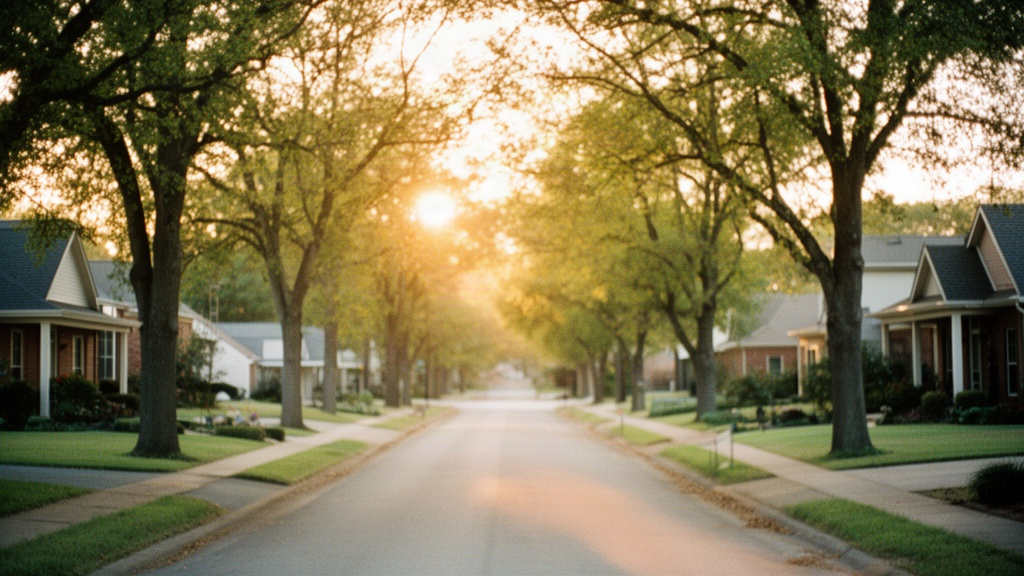
Most blocks in Wash Park follow Denver's standard grid, with alleys running behind homes. The alley system means garages are typically accessed from the rear, which keeps the street-facing fronts clean and pedestrian-friendly. Mature elms and cottonwoods line many of the streets, creating a canopy effect that is especially pronounced in summer. The blocks immediately bordering the park on South Downing and South Franklin command the highest prices because of the direct park-facing views and proximity to the lake.
3. Wash Park Real Estate Prices in September 2026
Wash Park is one of Denver's higher-priced established neighborhoods, and the numbers in September 2026 reflect that. Buyers should go in with a clear understanding of what different price points actually buy here, because the range is wide. For a broader look at what is happening across the Denver market right now, the guide on homes for sale in Denver provides useful context on inventory and buyer conditions citywide.
What Buyers Are Paying Right Now
As of September 2026, detached single-family homes in Wash Park proper are selling in a wide range depending on condition, size, and proximity to the park. Entry-level renovated bungalows with two or three bedrooms are trading in the low to mid $900,000s. Larger renovated homes and newer infill builds on interior blocks are typically priced between $1.1 million and $1.6 million. Park-facing homes on South Downing and South Franklin regularly exceed $1.7 million, with fully updated Tudors and custom infill builds pushing past $2 million. Condos and attached townhomes, which are less common in Wash Park than in Capitol Hill or RiNo, tend to fall between $550,000 and $850,000.
For additional neighborhood context and a detailed look at the Wash Park real estate market, the Washington Park neighborhood guide at Homes.com provides current listing data and market statistics that are worth reviewing alongside any active home search.
How Competitive Is the Market
Well-priced homes in Wash Park, particularly renovated bungalows and park-adjacent properties, still generate multiple offers in September 2026. Days on market for desirable listings is typically under two weeks. Homes that are overpriced relative to condition or that require significant work tend to sit longer and are where buyers occasionally find negotiating room. Sellers who price correctly and present well are still seeing strong results in this neighborhood.
4. Daily Life: Commuting, Walkability, and Getting Around
Wash Park sits roughly 3 miles south of downtown Denver, and that distance shapes daily life in concrete ways. The neighborhood has a Walk Score in the mid-70s, which reflects the fact that most errands require a car or a bike ride rather than a short walk. The exception is the South Gaylord Street commercial strip, which is walkable from the western blocks of the neighborhood.
Driving and Parking
The drive to downtown Denver via South Broadway or South Downing Street typically takes 12 to 20 minutes depending on the time of day. During weekday morning rush hours, South Broadway can back up considerably between Alameda and 6th Avenue, adding time to that estimate. The drive to the Denver Tech Center in Greenwood Village is roughly 20 to 25 minutes via I-25 south. Parking within the neighborhood itself is generally available on residential streets, though blocks closest to the park fill up on weekends and during summer events.
Biking and Public Transit
Wash Park has a Bike Score in the high 80s, and the neighborhood genuinely earns it. The Cherry Creek Trail is accessible within a short ride, and the trail connects riders to downtown, Cherry Creek North, and points east and west without significant street exposure. Many residents bike to Cherry Creek shopping and dining rather than driving. The RTD bus routes along South Broadway and South Downing provide transit options, though most residents who work downtown drive or bike rather than rely on bus service.
Denver B-Cycle stations are located near the park, making short-trip rentals an option for residents who do not own a bike. The nearest light rail stations are at I-25 and Broadway or Alameda, both of which require a 10 to 15-minute bike ride or a short drive from most of the neighborhood. For residents who commute by rail to Union Station or the airport, this connection works reasonably well.
5. Eating, Shopping, and Spending Time Outside the Park
Living in the Wash Park neighborhood in Denver means having a walkable commercial strip on one edge and several strong dining and retail corridors within a short drive or bike ride. The neighborhood is not a destination dining hub itself, but it is surrounded by options that residents use regularly.
South Gaylord Street
South Gaylord Street, running between East Mississippi and East Ohio avenues, is the neighborhood's own commercial spine. It is a compact, walkable strip with independent restaurants, a wine shop, a hardware store, a bookshop, and several coffee options. Wash Park Grille anchors the dining end of the street and has been a neighborhood fixture for years. The street has a local, low-key character; it is not a nightlife destination, which residents tend to appreciate. Street parking is available but fills on weekend evenings.
Nearby Corridors and Retail
South Broadway, roughly 10 blocks west of the park's eastern edge, is a longer commercial corridor with antique shops, bars, restaurants, and a handful of music venues. It has a different energy than South Gaylord, more eclectic and higher-traffic. Cherry Creek North is a 10 to 15-minute bike ride north and offers higher-end retail, grocery options including Whole Foods and Trader Joe's, and a concentration of restaurants along East 2nd and 3rd avenues. For everyday grocery shopping, a King Soopers on South Colorado Boulevard is one of the closer full-service options for Wash Park residents.
The Old South Pearl Street Farmers Market, held on Sundays from May through November, is a short bike ride from Wash Park and draws many neighborhood residents weekly. It runs along South Pearl Street between East Jewell and East Iowa avenues and features local produce, prepared foods, and artisan vendors. For residents who prioritize access to local food markets, this is a meaningful amenity.
6. Schools and What Buyers Should Research
School assignment in Denver Public Schools is based on attendance boundaries and the district's choice enrollment process, which means the schools serving Wash Park addresses can vary. Rather than relying on any ranking or rating, buyers with children should go directly to the Denver Public Schools website to look up boundary assignments for specific addresses and to review school choice options. The Colorado Department of Education also publishes school-level data including enrollment figures, program offerings, and other factual information that buyers can review and weigh for themselves.
Private school options within a short drive of Wash Park include several established institutions in the South Denver area, and buyers interested in private enrollment should contact those schools directly regarding admissions timelines and availability. School decisions are personal and depend on a child's specific needs and a family's priorities. Lisa Hintgen can help you identify which DPS boundary applies to any specific address you are considering, so you can do your own research from the right starting point.
FAQ
What is the difference between West Wash Park and East Wash Park?
West Wash Park generally refers to the blocks west of South Downing Street, closer to South Broadway and the South Gaylord Street commercial strip. East Wash Park covers the blocks east of South Franklin Street, extending toward South Colorado Boulevard. West Wash Park tends to have slightly more commercial activity nearby and a mix of older bungalows and some infill. East Wash Park is quieter and more residential, with larger lots on some blocks. Prices on both sides are strong, but park-facing blocks on either side command a premium over interior blocks.
Is Wash Park walkable enough to live without a car?
Living car-free in Wash Park is possible but requires intentional planning. The South Gaylord Street strip covers some daily needs, and the Cherry Creek Trail provides a strong bike connection to Cherry Creek North and downtown. However, full grocery shopping, most medical appointments, and trips to other parts of Denver will be easier with a car or a reliable bike. The RTD bus network serves the area but is not as frequent or fast as what you would find in denser parts of the city like Capitol Hill or LoHi. Residents who bike regularly and do not mind occasional rideshare use manage well without a car.
How does living in Wash Park compare to living in Cherry Creek North?
Both neighborhoods sit in Denver's inner south, but they have a different feel and a different housing mix. Cherry Creek North is denser, with more condos, townhomes, and high-end retail concentrated along East 2nd and 3rd avenues. Wash Park is more residential, with a larger share of detached single-family homes and a neighborhood park as its anchor rather than a shopping district. Cherry Creek North tends to have higher condo prices but a lower entry point for attached housing; Wash Park's detached home prices are among the highest in Denver's established neighborhoods. The right choice depends on what kind of daily environment you want, and both are worth visiting before deciding.