← Back to Blog
Market Trends
San Antonio Housing Market Slowed: Still a Sellers Market?
By Lisa Reyna
Option One Real Estate
August 30, 2026 · 6 min read
If you have been watching San Antonio real estate lately and wondering whether the housing market has slowed down and whether it is still a sellers market, you are not alone. The answer is more nuanced than a simple yes or no, and understanding what is actually happening on the ground here can make a real difference in how you approach buying or selling a home right now. This post breaks down current market conditions across San Antonio, what the data is showing, and what it means for you.
1. The Short Answer: What the San Antonio Market Looks Like Right Now
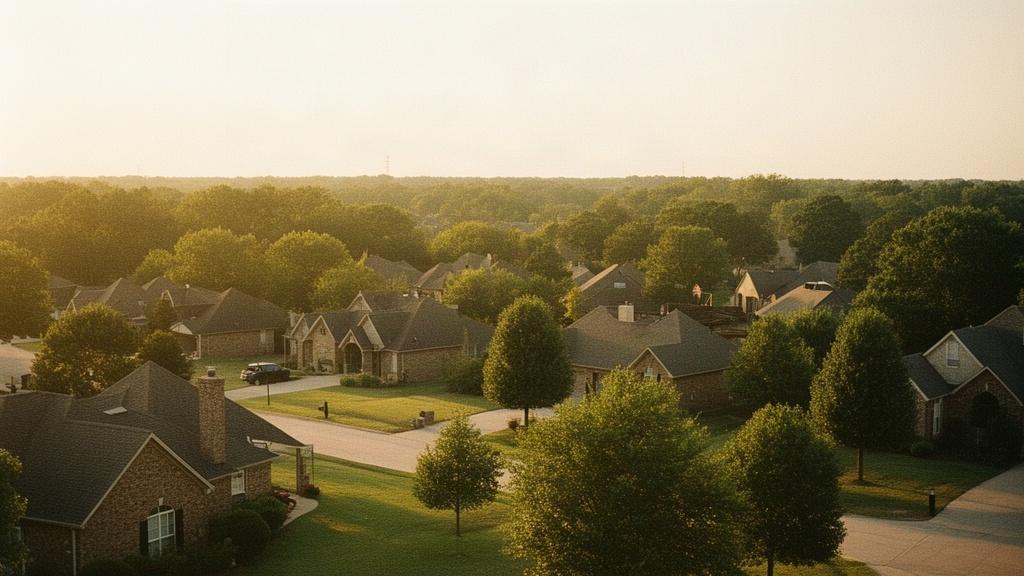
The San Antonio, Texas housing market has slowed down meaningfully compared to the frenzied pace of 2021 and 2022, but it has not collapsed. Homes are sitting on the market longer, inventory has climbed, and sellers are no longer fielding a dozen offers the first weekend a home goes live. That said, calling it a full buyers market is an oversimplification, and the picture varies considerably depending on which part of the city you are looking at and what price range you are in.
Inventory Has Grown Significantly
Active listings across the San Antonio metro have risen sharply over the past two years. Where buyers once competed over a thin pool of available homes, there are now multiple months of supply in many segments. Months of supply is a key indicator: anything under three months typically signals a sellers market, while four to six months suggests a more balanced market, and above six months tilts toward buyers. San Antonio is currently hovering in that transitional zone, with some price brackets already crossing into balanced or buyer-friendly territory.
Price Growth Has Cooled
Median home prices in San Antonio are not in freefall, but the double-digit appreciation of prior years has given way to modest, uneven movement. Some neighborhoods closer to the urban core, like the areas around the Pearl District and Southtown, have held value well due to limited land and consistent demand. Suburban corridors along Highway 281 North, the Loop 1604 expansion zones, and communities like Helotes and Schertz have seen more price softening as new construction flooded those areas. The days of a home selling for 10 percent over asking with no contingencies are largely behind us in most of the metro.
2. Is San Antonio Still a Sellers Market?
San Antonio is no longer the aggressive sellers market it was a few years ago, though sellers in certain price ranges still hold an advantage. The market has shifted toward balance, and in some segments it has tipped further toward buyers. Understanding exactly where the leverage sits depends on price point, location, and condition of the home.
What the Numbers Actually Show
Reporting from the San Antonio Report in 2026 has tracked this shift closely. According to their analysis of the San Antonio housing market, the metro is sitting in a transitional state where neither buyers nor sellers hold a commanding edge across the board. Homes priced under $300,000 still tend to move relatively quickly because demand at that entry level remains firm and supply is tighter. Homes priced above $400,000 are sitting longer, and sellers in that range are more frequently offering concessions like rate buydowns or closing cost assistance to attract buyers.
New Construction Is Adding Pressure
One of the biggest forces reshaping the San Antonio market is the volume of new construction competing directly with resale homes. Builders in master-planned communities along the far north side, the Converse and Cibolo corridors, and the southwest side near Lackland have been aggressively incentivizing buyers with mortgage rate buydowns, upgraded finishes, and flexible closing timelines. This has put real pressure on existing homeowners trying to sell, particularly those whose homes need updates or cannot match the appeal of a brand-new build. A detailed look at how builders are competing harder for buyers in San Antonio illustrates just how much the competitive landscape has changed for sellers of existing homes.
3. What This Means If You Are Buying in San Antonio
Buyers in San Antonio right now have more options and more negotiating room than at any point in the past four years. That does not mean every deal is easy or that prices are dramatically lower, but the dynamics have shifted enough that buyers can take a breath, do their due diligence, and ask for things that would have been laughed at in 2022.
More Choices Across the City
Whether you are drawn to the established neighborhoods near Alamo Heights with their mature oak-lined streets and bungalow-era architecture, the newer master-planned communities in Stone Oak or Alamo Ranch, or the walkable blocks near the San Antonio River Walk, there is more inventory to consider than there has been in years. Buyers can now schedule multiple showings without feeling like a home will be gone before they finish their coffee. That breathing room translates to better decisions and fewer buyer's remorse situations.
Negotiating Power Is Back on the Table
Inspection contingencies, appraisal gaps, and repair requests are all back in play in most San Antonio price ranges. Buyers are successfully negotiating seller-paid closing costs, requesting repairs after inspections, and in some cases getting sellers to contribute toward a mortgage rate buydown. If you waived every contingency two years ago just to get an offer accepted, the current climate is a meaningful change in your favor. Working with someone who knows the local market well is still critical, because knowing when to push and when to hold back is what separates a good deal from a missed one.
4. What This Means If You Are Selling in San Antonio
Selling in San Antonio right now requires a sharper strategy than it did a few years ago, but well-priced, well-presented homes are still selling. Sellers who price to current 2026 conditions and adjust their expectations accordingly are the ones finding success. Buyers have options, and they know it.
Pricing Strategy Matters More Than Ever
Pricing a home accurately from the start is one of the most important decisions a seller can make in today's San Antonio market. Homes priced right from day one generate stronger early momentum, attracting more showings and offers before the listing loses its freshness in buyers' minds. A comparative market analysis done by someone with current, local knowledge of San Antonio neighborhoods is worth its weight in gold before you list.
Presentation and Condition Drive Offers
In a market with more inventory, buyers can afford to be selective, and they are. Homes that show well, with fresh paint, clean landscaping, updated fixtures, and professional photography, are separating themselves from the competition. San Antonio buyers touring homes near Dominion, Castle Hills, or the Medical Center area are comparing your home side by side with several others. First impressions, both online and in person, carry more weight now than they did when inventory was scarce and buyers had no choice but to overlook flaws.
FAQ
Has the San Antonio, Texas housing market slowed down compared to previous years?
Yes, the San Antonio housing market has slowed meaningfully from the pace seen in 2021 and 2022. Active inventory has grown, homes are spending more days on the market before going under contract, and the bidding war environment that defined those years has largely dissipated. Price appreciation has also cooled, with some suburban corridors experiencing modest price softening while closer-in neighborhoods have held steadier. The market has not crashed, but it is operating at a more measured pace that gives both buyers and sellers more time to make thoughtful decisions.
Is San Antonio still a sellers market in 2026?
San Antonio sits in a transitional zone in August 2026, neither a clear sellers market nor a full buyers market across the board. Homes priced in the entry-level range below $300,000 still tend to attract solid interest because supply at that level remains relatively constrained. In the mid-to-upper price ranges, inventory is higher and sellers are more frequently offering concessions to close deals. Whether a specific home is in a sellers or buyers market depends heavily on its price point, condition, location within the metro, and how it competes with nearby new construction.
Should I wait to buy in San Antonio, or is now a reasonable time to move forward?
The decision to buy depends on your personal financial situation, your timeline, and what you are looking for in a home, not on trying to time the market perfectly. What is true right now is that buyers in San Antonio have more negotiating room, more inventory to choose from, and more time to make decisions than they have had in several years. Interest rates remain a factor, and your purchasing power is tied closely to where rates land when you lock. Speaking with a local agent who tracks San Antonio market conditions closely can help you understand what your budget realistically gets you in today's market before you commit to a timeline.