← Back to Blog
Market Trends
What is the average home price in San Antonio Texas right now in September 2026
By Lisa Reyna
Option One Real Estate
October 10, 2026 · 5 min read
What is the average home price in San Antonio Texas right now in September 2026, and how should buyers and sellers interpret that number? This post explains where to find the official figures, how to break the city into meaningful price bands, and which local resources to check.
1. Quick answer and where to check the official figure
Direct answer. The single figure people mean by "average home price" can come from different sources, so check the source before acting. For a citywide, official series you can consult the All-Transactions House Price Index for the San Antonio-New Braunfels MSA, which reports standardized house price levels, or market reports from local brokerages and Realtor associations for recent median and average sales prices.
2. How to interpret an "average" for San Antonio
Median versus mean. Median price is the middle sale price, and mean or average adds all sale prices and divides by count. For San Antonio, where a mix of entry level, midrange and higher priced homes exist in the same metro, median is usually more representative of what a typical buyer or seller will see for single-family homes.
Why property type matters
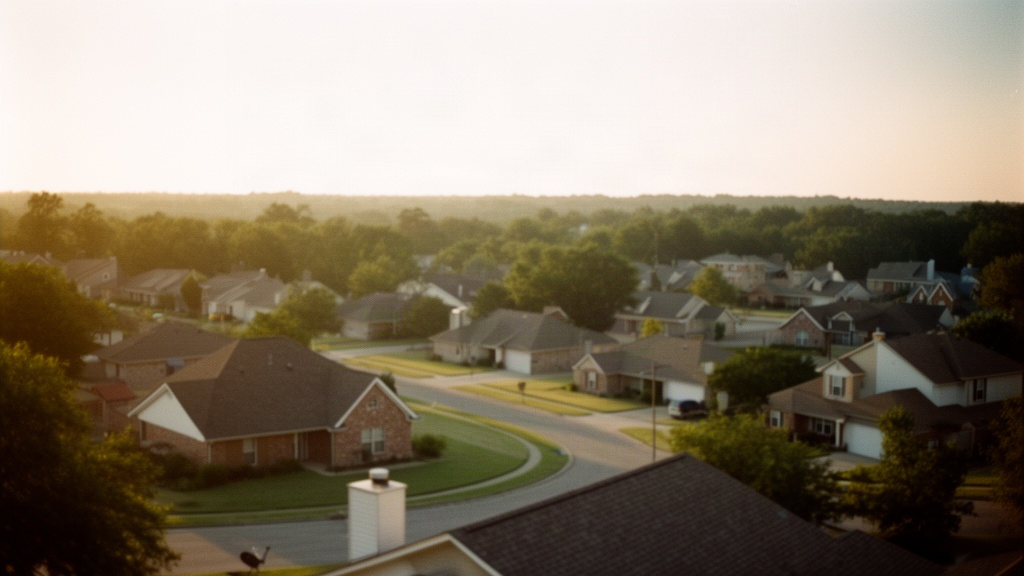
Property mix. San Antonio's market includes older bungalows near downtown, midcentury ranches in established neighborhoods, new build subdivisions in the north and northwest, and gated luxury homes around places like The Dominion and Stone Oak. Condos and townhomes generally list and sell at lower absolute prices than single-family homes, so any citywide "average" will combine those categories unless the report separates them.
3. Local price bands and examples across San Antonio
Price band overview. Instead of one citywide number, look at price bands that match where you want to live. Below are practical bands with local examples to help you translate an "average" into what listings in San Antonio actually look like.
- Entry level band: Typical listing range for many starter single-family homes and condos within 10 to 20 miles of downtown, with smaller yards or older interiors.
- Midrange band: Common for newer subdivisions in the northwest, north central, and parts of the northeast corridor, often with 3 to 4 bedrooms and 0.2 to 0.4 acre lots.
- Upper band: Includes luxury subdivisions, larger downtown-area historic homes, and gated communities with custom builders in places such as The Dominion and the far north side.
Central San Antonio examples
Neighborhood features. Homes near Alamo Heights and Olmos Park are often older, with larger lots and mature landscaping. Southtown and King William offer historic homes and more walkable blocks near the River Walk. Those physical features influence prices in each pocket, and you should treat them separately when looking for a neighborhood match.
North and suburban corridors
Newer construction and lot sizes. Areas north of Loop 410 toward Stone Oak and far north communities have more recent subdivisions, larger homes and homes on larger lots. Commute distance to downtown varies from 20 to 35 minutes depending on traffic and exact location, which affects demand for those bands.
4. How to verify the number for a specific property
Direct answer. To test whether the citywide average matters for one address, pull comparable sales that match on property type, square footage, lot size and the same neighborhood or within a 1.5 mile radius for central areas.
- Select comps by property type: Use only single-family sales to value a single-family home.
- Match on size: Within 10 to 20 percent of the subject home's finished square feet.
- Adjust for lot and age: Older homes with significant updates need adjustments to reflect upgrades.
- Check days on market and concessions: These tell you how the sale price compares to list price and are important for pricing strategy.
Where to pull comps. Ask your agent for an MLS-powered comparative market analysis. Public sites give a starting point, but the MLS provides recorded sales, days on market and private remarks that matter for accuracy.
Tech tools. Tools like Trolto can produce listing videos and quick property summaries from photos, which helps present a property online. Use those for marketing, but verify valuation with sold comps from the MLS and documented public records.
5. Practical next steps for buyers and sellers
Buyers checklist
- Get preapproved: A lender preapproval confirms your budget before you shop.
- Define target band: Choose the price band and neighborhoods you can afford after taxes and insurance.
- Ask for recent comps: Request 3 to 6 comparable sales within 90 days when possible.
- Inspect and research: For San Antonio houses, check foundation condition, roof age and HVAC history, since older systems are common in central neighborhoods.
Sellers checklist
- Request an MLS CMA: Have your agent produce an MLS-based comparative market analysis for a precise suggested list price.
- Document upgrades: Create a list of improvements, permits and utility history to give buyers confidence and justify price.
- Market the features: Highlight lot size, recent roof or HVAC replacements, proximity to parks like Brackenridge Park or government centers if relevant.
- Prepare for showings: Clean, stage and provide high quality photos and a short video; Trolto-style automated videos can supplement a robust listing presentation.
Local nuance. Commuting times in San Antonio are variable. For example, a drive from Stone Oak to downtown can take 25 to 40 minutes depending on time of day. That matters when buyers compare homes in the north to those closer to the core.
Local data source note. Realtor.com recently reported on San Antonio pricing and inventory trends; consult their market articles for timely summaries and local context when reading a quoted average.
6. Practical examples: translating an average into a plan
Direct answer. If you see a headline average for San Antonio, break it into the price band that matches your target, pull three recent sold comps from MLS, and then apply the checklists above. That gives you a usable number for offer or list price.
Example action steps. Buyers: get preapproval, choose two target neighborhoods, and ask your agent for comps in those neighborhoods. Sellers: request a CMA, list three comparable solds and one active competitor, and plan marketing that highlights local amenities.
Contact for local help. If you want a precise median or mean figure for San Antonio right now in September 2026 and a tailored analysis for a specific property, contact Lisa Reyna of Option One Real Estate. She can pull an MLS-based CMA, explain how the citywide numbers apply to your address, and help with next steps whether you are buying, selling, or relocating.
FAQ
Where can I find the official average home price for San Antonio right now?
Official long run indices are available from the Federal Reserve Bank of St. Louis, which hosts the All-Transactions House Price Index for the San Antonio-New Braunfels MSA. Local market snapshots, including recent median and average sale prices, appear in Realtor.com market writeups and local brokerage reports.
Does the citywide average tell me what my house is worth?
No single citywide average can replace a property specific valuation. To estimate your house value, compare three to six recently sold properties that match your home in type, size, lot, condition and neighborhood, and request an MLS comparative market analysis from a local agent.
Should I trust public websites for average prices or use an agent?
Public websites provide useful context and headline figures, but they often lag or mix property types. An MLS-based CMA from a local agent provides the most accurate, up-to-date comparables, days on market and sale conditions for San Antonio neighborhoods.