
← Back to Blog
Selling
Downsizing From a Larger Home in Henderson, Kentucky: Options, Costs and Timing
By Logan Stone
September 14, 2026 · 11 min read
Downsizing from a larger home is one of the most significant housing decisions you can make, and in Henderson, Kentucky, the local market gives you real options worth understanding before you commit to a direction. This guide covers the full picture: what smaller housing looks like here, what it costs to make the move, and when the timing tends to work in your favor.
1. What Downsizing Actually Looks Like in Henderson, Kentucky
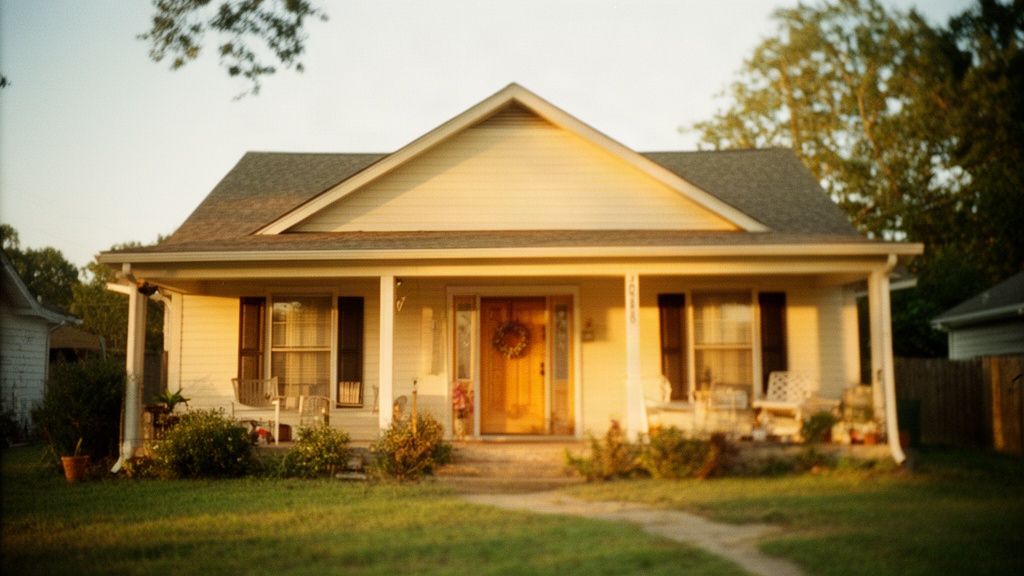
Downsizing from a larger home in Henderson means something specific to this market. It is not the same as downsizing in Louisville or Nashville. Henderson is a city of roughly 28,000 people sitting on the Ohio River, and its housing stock reflects that scale: a mix of older craftsman and ranch-style homes in established neighborhoods, newer construction on the city's south and east sides, and a modest but growing inventory of patio homes and smaller footprint properties. When people here talk about moving to something smaller, they are usually trading a three or four-bedroom house on a quarter-acre or larger lot for something in the 1,100 to 1,600 square foot range.
The Local Housing Stock You Are Working With
Henderson's existing home inventory skews toward single-family detached properties. Neighborhoods like those near Audubon State Park, along the riverfront corridor, and in the older downtown-adjacent blocks tend to have homes built between the 1940s and 1980s, many of which are two and three-bedroom properties that are already on the smaller side. Newer subdivisions on the outskirts of the city, particularly off US-41 and toward the Robards Road area, have seen more varied construction including some patio home and smaller footprint options. Understanding what is actually available here shapes every other decision in the downsizing process.
What Counts as Downsizing Here
For most Henderson homeowners considering a downsize, the starting point is a three or four-bedroom home in the 1,800 to 2,800 square foot range, often with a yard that requires ongoing maintenance. The target is typically something in the 1,000 to 1,600 square foot range, one or two bedrooms, with less exterior upkeep. That reduction in square footage usually translates to a meaningful drop in utility costs, insurance premiums, and the general time and money required to maintain a property. In Henderson, where property taxes are relatively modest compared to larger metro areas, the monthly savings from downsizing come primarily from reduced utilities, insurance, and maintenance rather than from dramatic tax relief.
2. Your Options When Downsizing From a Larger Home
Henderson offers several distinct paths for someone helping people downsize from a larger home, and the right one depends on your lifestyle priorities, your budget, and how much maintenance you want to take on going forward. None of these options is universally better than another; each has trade-offs that are worth mapping against your specific situation.
Smaller Single-Family Homes
This is the most common downsizing path in Henderson. A two or three-bedroom single-family home in the city currently lists in a wide range depending on location, condition, and age, with many updated smaller homes in established neighborhoods priced between $130,000 and $220,000 as of September 2026. You keep the independence of a detached home, you still have a yard if you want one, and you retain the ability to customize the property. The trade-off is that exterior maintenance remains your responsibility.
Neighborhoods near downtown Henderson and along the riverfront area tend to have some of the city's most compact single-family options, often on smaller lots with walkable access to the Audubon Mill Park greenway, the Ohio River waterfront, and the restaurants and shops along Second Street. If you want to understand the broader Henderson market before narrowing your search, the Henderson, Kentucky Real Estate Market Guide covers current pricing and inventory trends across different parts of the city.
Condos and Attached Housing
Condo inventory in Henderson is limited compared to larger cities. This is not a high-rise condo market. What exists tends to be smaller attached or semi-detached units, and availability fluctuates. When they do come to market, they typically price below comparable single-family homes, which can make them attractive for buyers looking to free up equity. The trade-off is less control over the exterior, HOA fees that add to monthly costs, and a thinner resale market when you eventually want to move again.
Active Adult Communities and Patio Homes
Patio homes, sometimes called zero-lot-line homes, offer a middle ground that appeals to many people downsizing from larger properties. You get a detached or semi-detached structure with minimal yard maintenance, often with exterior upkeep handled through a homeowners association. Henderson has seen some new patio home construction in recent years, particularly in newer subdivisions on the south side of the city. Pricing for these properties in September 2026 generally runs from the upper $100,000s into the $250,000 range depending on finish level and location. If you are curious about what new construction looks like in this category, the guide to new construction and development projects in Henderson, KY in 2026 has current details.
Renting as a Bridge or Long-Term Option
Some people downsizing from a larger home choose to rent temporarily after selling, either to take time finding the right smaller property or to test whether a particular area of Henderson fits their day-to-day life before committing to a purchase. Rental inventory in Henderson is modest. Single-family rentals and apartments exist throughout the city, with monthly rents for a two-bedroom unit generally ranging from around $700 to $1,100 depending on age and condition as of September 2026. Renting indefinitely after a downsize sale can also make sense for those who want to convert home equity into investable assets rather than locking it into another property.
3. The Real Costs of Downsizing in Henderson
The financial picture of downsizing involves more line items than most people anticipate. Understanding the full cost structure on both sides of the transaction, selling your current home and buying or renting the smaller one, is essential before deciding whether and when to move.
Selling Costs on Your Current Home
When you sell a home in Henderson, the costs you absorb at closing typically include agent commissions, title fees, any seller-paid closing costs negotiated with the buyer, and potential repair or staging expenses before listing. Total selling costs in this market commonly run between 7% and 10% of the sale price when you account for all of the above. On a $250,000 home, that means $17,500 to $25,000 comes off the top before you see net proceeds. The full breakdown of what to expect when selling in Henderson walks through each of those costs in detail.
Buying Costs on the Smaller Property
If you are purchasing a smaller home rather than renting, plan for closing costs on the buy side as well. In Kentucky, buyer closing costs typically run 2% to 4% of the purchase price and include lender fees (if you are financing), title insurance, the appraisal, recording fees, and prepaid items like homeowners insurance and property tax escrow. On a $175,000 smaller home, that is roughly $3,500 to $7,000 at closing. If you are purchasing with cash from your sale proceeds, you skip the lender fees but still pay title, recording, and insurance costs.
Property taxes in Henderson County are worth factoring into your ongoing cost comparison as well. Kentucky's property tax rates are generally lower than the national average, and Henderson County's effective rate reflects that. A smaller, lower-assessed property will carry a lower annual tax bill than the home you are leaving. For a detailed look at how property taxes are calculated here, see the guide on property taxes on a $250,000 home in Henderson, Kentucky.
Moving, Storage and the Hidden Expenses
The costs that catch most downsizers off guard are not the closing table numbers. They are the expenses that come from the physical transition: professional movers (a local Henderson move for a three to four-bedroom home typically runs $800 to $2,000 depending on distance and volume), storage units if you need a temporary place to hold furniture that does not fit the new space, and the cost of selling or donating items you are not keeping. Some people spend $500 to $2,000 on estate sale services or junk removal alone.
How the Numbers Often Pencil Out
A realistic downsizing scenario in Henderson might look like this: you sell a $280,000 home, net roughly $245,000 after selling costs, and purchase a $165,000 smaller property, spending about $5,000 in buyer closing costs and $3,000 in moving and transition expenses. That leaves you with approximately $72,000 in freed equity, plus reduced monthly carrying costs going forward. The ongoing savings in utilities, insurance, and maintenance on a smaller property in Henderson can realistically amount to $300 to $700 per month, depending on the age and condition of both properties. Over five years, that is $18,000 to $42,000 in cumulative savings beyond the equity you freed at closing.
4. Timing Your Downsize: When to Sell and When to Buy
Timing a downsize well means understanding both the Henderson market and your own personal timeline. These two factors do not always align perfectly, and knowing how to navigate the gap between them is one of the most practical things a local agent can help you work through.
Reading the Henderson Market Right Now
As of September 2026, Henderson's housing market has maintained relatively stable demand with limited inventory, which has kept prices firm compared to the broader softening seen in some larger metro areas. Homes priced correctly and in good condition are still moving within a reasonable number of days on market. For sellers, this is a favorable environment to list a larger home; for buyers of smaller properties, competition for well-priced inventory in the sub-$200,000 range remains active. The detailed current picture is in the September 2026 Henderson home price update.
Sell First or Buy First
This is one of the most common questions in any downsize, and there is no single right answer. Selling first gives you certainty about your net proceeds and removes the financial risk of carrying two properties. The downside is that you may need temporary housing while searching for the right smaller home. Buying first eliminates the gap but requires either cash reserves or bridge financing to cover the period when you own both properties. In Henderson's current market, where smaller homes in good condition move quickly, many downsizers find that selling first and negotiating a post-closing occupancy agreement with their buyer is a practical middle path that gives them 30 to 60 extra days to find their next property.
Life Triggers That Affect the Timeline
Retirement, a change in health, children leaving home, and the death of a spouse are the most common triggers for downsizing decisions. Each of these creates a different urgency level and a different emotional context. A retirement-driven downsize often has a flexible timeline and benefits from planning 12 to 24 months in advance. A health-driven move may need to happen within weeks. Understanding where you are on that spectrum shapes whether you have the luxury of waiting for ideal market conditions or whether you need to move regardless of the current environment.
Research from HousingWire has highlighted that many older Americans feel stuck in homes that no longer fit their needs, often because the financial and logistical complexity of moving feels overwhelming. Breaking the decision into smaller steps, starting with a clear-eyed look at the numbers, tends to make the path forward more manageable.
5. Making the Transition Smoother
The logistical and emotional side of downsizing from a larger home deserves as much attention as the financial side. People who plan the transition carefully report significantly less stress than those who try to manage everything at once in the weeks before closing.
Sorting What Goes and What Stays
Start the sorting process earlier than feels necessary, ideally six months before your target move date. Walk through your current home room by room and measure your furniture against the floor plan of the smaller property you are targeting. Oversized sectionals, large dining sets, and king bedroom suites often do not fit in homes under 1,400 square feet, and knowing that early gives you time to sell or donate those items rather than scrambling at the last minute. Henderson has several local consignment and estate sale services that can help move larger furniture pieces.
Having the Conversation With Family
When downsizing involves an older parent or relative, the conversation around the move can be as challenging as the logistics. The National Association of Realtors has published guidance on how to approach downsizing conversations with seniors in a way that respects their autonomy while helping them see the practical benefits. The key is to lead with the positives, less maintenance, lower costs, a home that fits current needs, rather than framing the move as a loss.
Adult children often have emotional attachments to the family home that complicate the seller's decision. Acknowledging those feelings while keeping the financial and practical case clear tends to move the conversation forward more effectively than focusing solely on the numbers.
Working With a Local Agent Who Knows Both Sides
Downsizing is a two-transaction process, and having an agent who understands both the sell side and the buy side in Henderson specifically matters more than most people realize. The pricing on your larger home, the negotiation of a post-closing occupancy period, the identification of smaller properties that actually fit your needs, and the coordination of both closings on a timeline that works for you all require local knowledge and experience. An agent who has handled multiple downsize transactions in Henderson knows which neighborhoods have the smaller footprint inventory you are looking for, what those homes actually sell for versus what they list for, and how to structure the sequence of events so you are not caught without a place to live.
If you are weighing when to start the process, the guide on who to call first and when to move in Henderson, Kentucky gives a clear framework for sequencing those early decisions.
FAQ
How much equity can I expect to free up by downsizing in Henderson, Kentucky?
The amount depends on the current value of your larger home and the price of the smaller property you purchase. In Henderson's September 2026 market, a homeowner selling a $280,000 three or four-bedroom home and purchasing a $165,000 smaller property could realistically net $60,000 to $80,000 in freed equity after accounting for selling costs of 7% to 10%, buyer closing costs of 2% to 4%, and moving expenses. If you have significant mortgage debt remaining on your current home, that balance reduces your net proceeds accordingly. A local agent can run a net sheet for your specific situation before you commit to a direction.
What is the best time of year to list a larger home in Henderson when downsizing?
Spring, typically March through May, has historically produced the strongest buyer activity in Henderson, which tends to result in faster sales and stronger offers for sellers. That said, Henderson's market is small enough that well-priced homes in good condition attract buyers year-round. If your personal timeline points toward a fall or winter listing, that does not necessarily mean a worse outcome; it means pricing and presentation need to be sharp. Working with a local agent to review current days-on-market data and active competition in your price range will give you a more accurate read than any general seasonal rule.
Can I downsize within Henderson and still stay close to the amenities I use regularly?
Yes, and this is one of the advantages of downsizing within a smaller city like Henderson rather than relocating to a larger metro. The city is compact enough that most smaller homes are within a short drive of the Ohio River waterfront, Audubon State Park, the Central Park area, and the retail and dining along US-41 and downtown Second Street. If proximity to specific amenities matters to you, identifying which neighborhoods have smaller-footprint inventory near those locations is a core part of the search process. A local agent with current knowledge of what is available and where can narrow that search significantly.