← Back to Blog
Market Trends
Are There Any New Residential Developments or Construction Projects Happening in Hunt Valley Maryland Right Now?
By Louis Chirgott
CORE Mayland Real Estate
September 24, 2026 · 11 min read
Yes, there are new residential developments and construction projects happening in Hunt Valley, Maryland right now, and the pipeline is more active than many buyers and sellers realize. From large-scale townhome proposals near the former Delta Hotel site to a senior living campus on 31 acres, the corridor running through Hunt Valley and into adjacent Sparks is seeing a meaningful wave of new construction activity in September 2026. This article breaks down what is being built, what is still in the approval process, and what all of it means if you are buying or selling in this market.
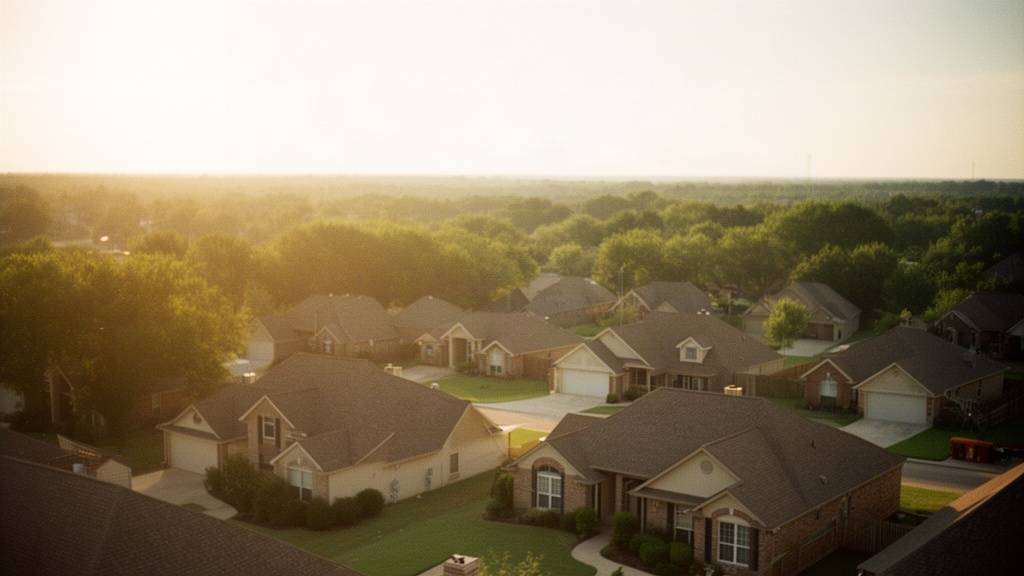
1. The Big Projects Currently in the Pipeline
Several significant residential construction projects are either approved, proposed, or under review in the Hunt Valley area right now. The activity is concentrated along the I-83 corridor, which connects Hunt Valley to Timonium to the south and Sparks to the north, and reflects the area's continued appeal to both developers and the households looking to live near the Hunt Valley business district.
290 Townhomes at the Former Delta Hotel Site
One of the most talked-about proposals in the Hunt Valley area right now involves the former Delta Hotel property. A developer has proposed 290 townhomes for that site, which sits on a well-positioned parcel with direct access to the Hunt Valley Towne Centre and the broader employment corridor along McCormick Road. The hotel closed years ago, and the site has sat largely dormant since, making it one of the more visible redevelopment opportunities in the immediate area.
If approved and built as proposed, 290 townhomes would represent a substantial addition to Hunt Valley's housing inventory. Townhome product in this corridor tends to attract buyers who want proximity to the I-83 on-ramp at Shawan Road, the restaurants and retail at Hunt Valley Towne Centre, and the employment base anchored by companies like McCormick and Company, whose global headquarters sits just off Wight Avenue. The project is still working through the Baltimore County approval process as of September 2026, so buyers interested in this specific development should monitor county planning records for updates on timeline and pricing.
Senior Living Campus on 31 Acres
A separate project involves a senior living community planned for a 31-acre parcel in Hunt Valley. The scale of that footprint is notable: 31 acres in a built-out suburban market like Hunt Valley is a large piece of land, and the project signals that developers see sustained demand for residential options in this ZIP code beyond the traditional single-family and townhome categories.
For people currently weighing their options in the Hunt Valley area, this type of project matters for a specific reason. It reflects an overall pattern of investment in the corridor, which tends to support property values in surrounding neighborhoods over time. If you are considering a move related to a change in living situation, the article on downsizing in Hunt Valley covers the full range of options currently available, including what resale inventory looks like alongside new construction.
Villa Homes and Assisted Living in Baltimore County
A Baltimore County development approved in early 2025 calls for 52 villa-style homes alongside an assisted living facility. Villa homes in this context typically refer to single-story or low-maintenance attached or detached units designed for buyers who prefer not to deal with stairs or large yards. The combination of villa homes and assisted living on the same campus is a format that has grown in the Baltimore suburbs, and this project adds to a cluster of similar developments taking shape along the northern stretch of the I-83 corridor.
The 52-unit scale keeps this project relatively contained, which is worth noting for buyers who want new construction without the density of a large townhome community. Villa-style product in Baltimore County has historically moved at a measured pace, partly because the price points tend to run higher than standard attached townhomes, and partly because the buyer pool for this specific format is more targeted.
2. What These Developments Mean for the Existing Housing Market
New construction activity in and around Hunt Valley does not exist in a vacuum; it interacts directly with the resale market in ways that both buyers and sellers need to understand. The key question is whether new supply will relieve the inventory pressure that has kept resale prices elevated, or whether demand in this corridor is strong enough to absorb new units without meaningfully softening existing home values.
Pricing Pressure and Inventory Shifts
Hunt Valley and the surrounding communities in Baltimore County's northern suburbs have operated with tight inventory for several years. Resale townhomes in the Hunt Valley zip code have been trading in a range that reflects that scarcity. When a large new-construction project adds hundreds of units to a market, it can shift negotiating leverage toward buyers over time, but the effect is rarely immediate: most large projects take 18 to 36 months from groundbreaking to the point where a meaningful number of units are available for occupancy.
The 290-townhome proposal at the Delta Hotel site, if it clears Baltimore County planning and zoning, would be the single largest addition to Hunt Valley's housing stock in recent memory. Sellers who are planning to list in the next one to two years should keep an eye on the approval timeline for that project, because a large new-construction community coming to market simultaneously with a resale listing creates a different competitive environment than listing in a cycle with no new inventory.
How New Construction Affects Resale Homes
Resale homes in Hunt Valley have several advantages over new construction that often get overlooked in the excitement around a new development. Established homes come with mature landscaping, known HOA track records, and a price that is not subject to builder upgrade markups. Many resale townhomes in communities like Hunt Valley Overlook or the neighborhoods directly off Shawan Road sit within walking distance of the Towne Centre, a proximity that new construction on peripheral parcels cannot always match.
At the same time, new construction does set a price ceiling of sorts. If a builder is delivering townhomes at a certain price per square foot, resale sellers need to price with that in mind, particularly for homes that are dated or require updates. A well-maintained, move-in-ready resale home in Hunt Valley can still command a premium over new construction when you factor in lot maturity, established community infrastructure, and the absence of construction noise and disruption during a multi-phase build-out.
3. The Hunt Valley Corridor: Why Developers Are Paying Attention
The volume of new residential development proposals in and around Hunt Valley is not accidental. Developers follow employment, infrastructure, and retail, and Hunt Valley checks all three boxes in ways that few other suburban markets in Baltimore County can match at this scale.
Location and Infrastructure
Hunt Valley sits at the northern end of I-83, roughly 20 miles north of downtown Baltimore. The Shawan Road interchange gives residents direct access to the highway without navigating surface-street congestion, and the Maryland Transit Administration's Light Rail line runs through the area, with the Hunt Valley station at the northern terminus of the line. That combination of highway access and rail transit is relatively rare in Baltimore County's suburban ring and makes the corridor attractive to households that commute in multiple directions.
The Hunt Valley Towne Centre anchors the area's retail and dining scene with roughly 90 tenants, including a mix of national retailers, restaurants, and service businesses. Oregon Ridge Park, a Baltimore County park covering more than 1,000 acres just west of the business district, provides hiking trails, a lake, and an outdoor concert venue that draws visitors from across the region. These are the kinds of amenities that sustain residential demand over time, which is why developers continue to view this corridor as a viable place to build.
Employment Base and Demand Drivers
The Hunt Valley business district is one of the largest suburban office and light-industrial parks in the Baltimore region. McCormick and Company's global headquarters on Wight Avenue employs several thousand people. Sinclair Broadcast Group, Laureate Education, and a range of healthcare and technology companies also maintain significant operations in the park. That employment base creates consistent residential demand from people who want to live close to where they work, and it insulates the housing market from the kind of volatility that affects markets with weaker employment anchors.
For buyers relocating to the area for work, the question of where to live relative to the Hunt Valley business park is often the first one they ask. The article on buying a home in the Hunt Valley corridor covers the process, costs, and timeline in detail for buyers at every stage of the search.
4. What Buyers Should Know Before Choosing New Construction Over Resale
New construction in Hunt Valley sounds appealing on paper, but the purchase process differs significantly from buying a resale home, and several of those differences carry real financial weight. Understanding them before you visit a builder's model home puts you in a much stronger position.
Timeline and Completion Risk
Large residential projects rarely deliver on their original schedule. Permit delays, material supply issues, and phased build-outs can push a projected completion date back by six months to over a year. If you are buying a new-construction home and simultaneously selling your current home, that timing mismatch can force you into temporary housing, which adds cost and stress to the transaction. Buyers should ask builders for specific completion guarantees in writing and understand what remedies exist if those dates are missed.
Projects that are still in the proposal or approval stage, like the 290-townhome Delta Hotel site redevelopment, carry even more uncertainty. A project can receive preliminary approval and still take two to three years to break ground, depending on financing, final permitting, and market conditions at the time the builder is ready to move. Buyers who are eager to be among the first residents of a new community should treat any pre-approval timeline as an estimate, not a commitment.
Costs, Upgrades, and What Is Not Included
The base price a builder advertises rarely reflects what a finished home actually costs. Structural options, design center upgrades, lot premiums for corner or end units, and closing cost contributions that the builder may or may not offer all affect the final number. In the Hunt Valley market, where resale townhomes have been trading in ranges that can compete with or exceed builder base prices, buyers sometimes find that a fully upgraded new-construction unit is priced well above a comparable resale home just a few blocks away.
Landscaping is another common omission. Most new-construction townhomes in this region deliver with minimal grading, seed or sod on a small rear patio area, and little else. Buyers who want a finished outdoor space should budget an additional several thousand dollars for landscaping, fencing, and hardscaping after closing.
Representation at the Builder's Sales Office
The agent sitting in a builder's model home works for the builder, not for you. That is not a criticism of those agents; it is simply the structure of the relationship. Having your own buyer's agent when purchasing new construction in Hunt Valley costs you nothing as a buyer in most cases, because builder commissions are typically built into the project's marketing budget. What it does give you is someone whose job is to review the purchase agreement on your behalf, flag terms that are unfavorable, negotiate on your behalf where the builder allows it, and coordinate your financing and closing independently of the builder's preferred lender.
If you are weighing new construction against resale condos in the area, the article on buying a condo in Hunt Valley breaks down the specific considerations for that product type, including HOA structures and what to look for in a condo association's financials.
5. What Sellers Should Know When New Construction Is Nearby
If you own a home in Hunt Valley and are thinking about selling in the next one to three years, the new construction pipeline is relevant to your planning, even if the projects are not yet built. Knowing what is coming and when gives you the ability to time your listing strategically rather than reacting to market conditions after they shift.
How to Position a Resale Home
Resale homes that are updated, well-maintained, and priced correctly have consistently sold in the Hunt Valley market even during periods of elevated new-construction activity. The key is positioning. A resale home in an established Hunt Valley community with mature trees, a known HOA, and a location that is already walkable to the Towne Centre offers something a new-construction unit on a raw lot at the edge of the corridor cannot. Sellers who lean into those specific advantages in their marketing tend to attract buyers who have already toured new construction and decided the trade-offs are not worth it.
Condition matters more in a market with new-construction competition than it does when resale homes are the only option. Buyers who are comparing a resale home to a brand-new unit will notice deferred maintenance, dated kitchens, and worn flooring much more acutely than they would in a market where new construction is not available. Sellers who invest in targeted updates before listing, particularly in kitchens and primary bathrooms, tend to see a stronger return on that investment in this specific competitive environment.
Timing Your Listing Around New Inventory
The window before a large new-construction project delivers its first units is often the strongest period for resale sellers in the same market. Buyers who want to live in the Hunt Valley area but cannot wait two or three years for a new community to be ready will turn to resale inventory. That creates a period of heightened demand for existing homes that sellers can take advantage of by listing before the new supply arrives.
Once a new community begins delivering units at scale, the resale market typically sees a modest softening in days on market and negotiating leverage, as buyers gain more options. The effect is rarely dramatic in a market with Hunt Valley's employment base, but it is real. Sellers who are on the fence about timing should factor the new-construction pipeline into that decision. The article on selling a home in Hunt Valley covers pricing strategy and timeline expectations in more detail.
FAQ
Are there any new residential developments or construction projects happening in Hunt Valley, Maryland right now in September 2026?
Yes. As of September 2026, the most significant active proposal is a 290-townhome project at the former Delta Hotel site in Hunt Valley, which is working through Baltimore County's planning and zoning process. Separately, a senior living community is planned for a 31-acre parcel in Hunt Valley, and a Baltimore County development featuring 52 villa-style homes alongside an assisted living facility has received approval. These projects are at different stages, ranging from early proposal to approved, so buyers interested in purchasing new construction in this corridor should monitor Baltimore County's planning department for current status updates on each project.
How do new construction projects in Hunt Valley affect home prices for existing resale homes?
New construction adds inventory to the market, which over time can shift negotiating leverage toward buyers and put modest pressure on resale pricing, particularly for homes that are dated or need updates. However, the effect in Hunt Valley tends to be gradual rather than abrupt, because most large projects take 18 to 36 months from groundbreaking to meaningful unit delivery, and the area's strong employment base sustains consistent demand. Resale homes with established locations close to the Hunt Valley Towne Centre or Oregon Ridge Park, and those that are well-maintained and move-in ready, have historically held their value even when new construction is active nearby. Sellers who price accurately and present their homes in strong condition are generally well-positioned even in a market with new supply entering.
Do I need my own agent if I want to buy a new-construction home in Hunt Valley?
Having your own buyer's agent when purchasing new construction in Hunt Valley is strongly advisable, and in most cases it costs you nothing as a buyer because builder commissions are typically incorporated into the project's marketing budget. The agent in a builder's model home represents the builder's interests, not yours, which means they are not positioned to negotiate on your behalf, flag unfavorable contract terms, or advise you independently on financing. A buyer's agent familiar with the Hunt Valley market can review the purchase agreement, compare the builder's pricing against comparable resale homes in the area, and help you understand what the upgrade costs, lot premiums, and closing terms actually mean for your total out-of-pocket expense.