← Back to Blog
Selling
What Sells Homes the Fastest in Hunt Valley, Maryland: Pricing, Timeline and What to Expect
By Louis Chirgott
CORE Mayland Real Estate
September 27, 2026 · 11 min read
Selling a home in Hunt Valley, Maryland and wondering what actually moves properties the fastest comes down to three things: sharp pricing, deliberate preparation, and a clear understanding of how this specific market behaves. This article breaks down the pricing strategies, realistic timelines, and local conditions that determine how quickly your home sells, so you can go in with a plan rather than a guess.
1. How the Hunt Valley Market Shapes Your Sale
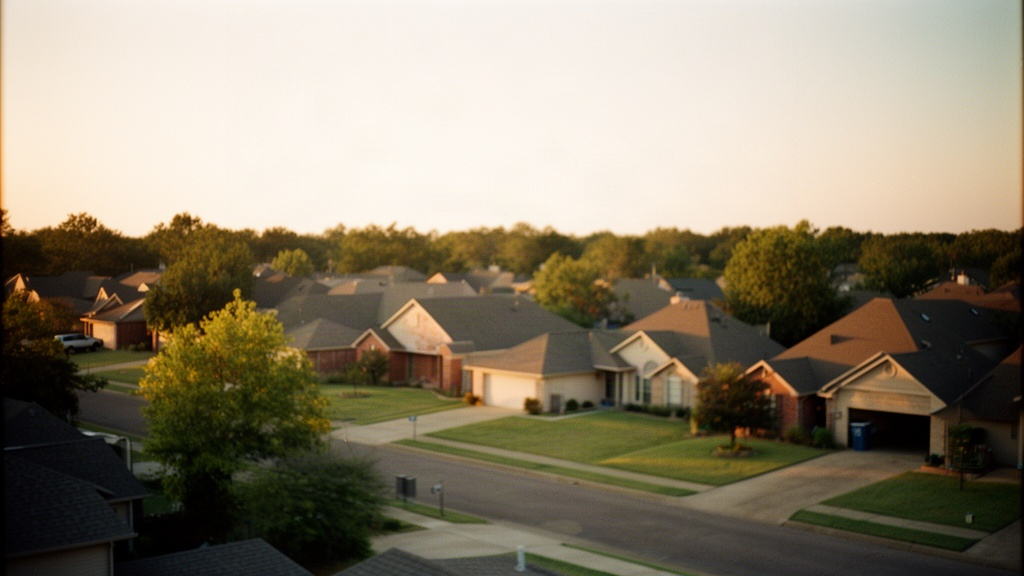
Hunt Valley operates within a narrow, specific housing corridor in northern Baltimore County. The area sits along the I-83 corridor, roughly 20 miles north of downtown Baltimore, and draws buyers who work in Towson, Baltimore City, and York, Pennsylvania. That geographic pull creates a buyer pool with particular priorities: commute access, lot size, and home condition rank near the top of nearly every search.
What Buyers Are Looking For Right Now
As of September 2026, buyers active in Hunt Valley are paying close attention to move-in condition. Homes near Hunt Valley Towne Centre, the Maryland Hunt Club area, and the Shawan Road corridor tend to generate the most immediate interest because buyers can picture the lifestyle: quick access to Wegmans, the nearby trail system at Oregon Ridge Park, and a sub-30-minute commute to Towson. Properties that check those boxes and present cleanly are the ones that see multiple offers within the first weekend.
The housing stock in this corridor ranges from townhomes in the low-to-mid $300,000s to detached colonials and four-bedroom Colonials in the $500,000 to $750,000 range, with luxury properties on larger lots pushing well past $1 million. For a fuller breakdown of what each price band looks like, see what types of homes are available in Hunt Valley and what price ranges they fall into. Understanding where your home fits in that spectrum is the first step toward setting a price that attracts rather than repels buyers.
How Inventory Levels Affect Your Timeline
Hunt Valley has historically carried limited resale inventory compared to broader Baltimore County. In September 2026, active listings in the 21030 and 21031 zip codes remain relatively tight, which gives correctly priced sellers a structural advantage. When a well-prepared home hits the market at a price that reflects current comparable sales, it often faces fewer direct competitors than a seller might expect. That dynamic shortens the time between list date and accepted offer, but it only holds if the pricing is grounded in data rather than wishful thinking.
2. Pricing Strategy: The Single Biggest Variable in Speed
Pricing is the lever that controls everything else in a home sale. A home priced within two to three percent of its true market value in Hunt Valley will attract serious buyers, generate showings in the first week, and typically go under contract before the second weekend. A home priced five to ten percent above market will sit, accumulate days on market, and often sell for less than it would have if it had been priced correctly on day one.
What Overpricing Actually Costs You
The Hunt Valley buyer pool is informed. Most active buyers in this corridor have been watching the market for weeks or months before they schedule a showing. They know what a four-bedroom colonial on a half-acre lot in the Cockeysville-Hunt Valley area traded for last month. When a listing comes in noticeably above those comps, buyers either skip it entirely or they wait, expecting a price reduction. That waiting period costs the seller momentum, and momentum is what produces competitive offers.
Homes that sit on the market for more than 30 days in this area begin to carry a stigma in buyers' minds. Buyers start asking what is wrong with it, even when the answer is simply that it was overpriced. A price reduction can reset some of that perception, but it rarely fully recovers the energy of a strong launch week. The data on this is consistent: homes that sell within the first 14 days in Baltimore County typically sell closer to, or above, their list price. Homes that sit longer tend to close below it.
How to Anchor Your List Price in Local Data
A solid list price in Hunt Valley is built from recent comparable sales, not from online estimates or what a neighbor sold for two years ago. Comparable sales should be drawn from homes that closed within the past 90 days, within roughly a half-mile to a mile of your property, and with similar square footage, lot size, and bedroom count. In a market with limited inventory like Hunt Valley, you may need to expand that radius slightly, but the closer the comps, the more defensible the price.
Condition adjustments matter too. A home with a renovated kitchen and updated bathrooms can support a premium over a comparable home that has not been touched in 15 years, but that premium has a ceiling. Buyers in this price range are also looking at new construction options in the area, so an older home asking new-construction prices without new-construction finishes will struggle. For context on how new development is affecting buyer expectations locally, see the article on new residential developments and construction projects in Hunt Valley.
Strategic pricing in a shifting market is both an art and a data exercise. For a broader look at how agents approach this challenge nationally, Inman's breakdown of pricing homes strategically in a shifting market offers useful context on the methodology behind competitive pricing decisions.
3. Preparation Steps That Compress Your Time on Market
Preparation is the second major driver of how fast a home sells in Hunt Valley. Price and preparation work together: a well-prepared home justifies its price, and a correctly priced home gives buyers confidence that the seller is serious. Skipping preparation in favor of a faster list date almost always backfires, because the photos, the first showing experience, and the inspection results all become negotiating points.
Exterior and Interior Presentation
In Hunt Valley, curb appeal carries real weight. Many of the homes in this corridor sit on wooded or landscaped lots, and buyers arriving from I-83 or Shawan Road for a showing form their first impression before they reach the front door. Fresh mulch, trimmed shrubs, a clean driveway, and a pressure-washed exterior cost a few hundred dollars and consistently return multiples of that investment in buyer perception.
Inside, decluttering and depersonalizing are the highest-return tasks. Buyers in the $500,000 to $750,000 range in this market are often comparing your home to four or five others they toured the same weekend. Homes that photograph well and feel spacious during showings stay in buyers' minds longer. Professional photography is not optional at these price points; it is the baseline expectation. Virtual tours and video walkthroughs have become standard for Hunt Valley listings since buyers relocating from outside the area often do preliminary research online before scheduling in-person visits.
Pre-Listing Inspections and Disclosures
A pre-listing home inspection is one of the most underused tools available to Hunt Valley sellers. Having an independent inspector walk the home before it goes on the market gives the seller time to address issues on their own terms, at their own pace, rather than scrambling to negotiate credits after a buyer's inspector surfaces problems. Older homes in the Cockeysville and Hunt Valley area, particularly those built in the 1970s through 1990s, often have deferred maintenance items that are inexpensive to fix but alarming to buyers when they appear on an inspection report mid-contract.
Maryland's seller disclosure requirements are specific, and completing them accurately before listing protects you legally and signals transparency to buyers. Buyers who feel confident that a seller has been forthcoming are more likely to move forward without excessive contingencies, which directly shortens the path to a clean closing.
4. The Hunt Valley Selling Timeline: Week by Week
Understanding the full timeline from decision to closing helps sellers plan around their own move and avoid costly surprises. In Hunt Valley, a well-executed sale from the day you decide to list to the day you hand over keys typically runs between 60 and 90 days. That includes pre-market preparation, active listing time, and the contract-to-close period. For a deeper look at how days on market break down locally, see the article on how long it typically takes to sell a house in Hunt Valley this year.
Pre-Market Phase
The pre-market phase typically runs two to four weeks and is where most of the outcome is determined. This is when the pricing analysis is completed, repairs are made, the home is staged or decluttered, professional photography is scheduled, and the listing is prepared for MLS entry. Sellers who treat this phase as optional and rush to list without it consistently spend more total days on market than those who invest the time upfront.
In Hunt Valley, the MLS launch day matters. Listings that go live on a Wednesday or Thursday tend to capture the most weekend showing traffic, since buyers and their agents plan their weekend tours mid-week. A Friday or Monday launch misses part of that planning window. Your agent should coordinate the go-live date intentionally, not simply list whenever the paperwork is ready.
Active Listing Phase
The first seven to ten days on market are the most valuable period of any listing. Buyer interest peaks immediately after a new listing appears, then fades steadily over time. In Hunt Valley's current market, a correctly priced and well-presented home should generate a meaningful number of showings in the first weekend and ideally receive at least one offer by day seven to ten. If showings are happening but offers are not coming, the price is the most likely culprit. If showings are not happening at all, the issue may be pricing, photography, or listing description.
Under Contract to Closing
Once a contract is ratified in Maryland, the typical path to closing runs 30 to 45 days for a financed sale. This period includes the buyer's home inspection (usually within the first ten days), any inspection negotiation, the appraisal if the buyer is financing, and the lender's underwriting process. Cash sales can close in as few as two to three weeks. Sellers should plan for at least one round of inspection-related negotiation; this is standard and does not mean the deal is in trouble.
Maryland uses an attorney or title company at closing rather than an escrow-only model, so you will work with a settlement company to handle the final transfer. Sellers should also budget for their share of closing costs, which in Maryland typically includes transfer taxes, recordation fees, and any agreed-upon credits. For a detailed look at what closing costs look like on the buy side of a Hunt Valley transaction, the article on closing costs when buying a home in Hunt Valley provides a useful reference for understanding what your buyer is managing simultaneously.
5. Timing, Seasonality, and When to List
Seasonality in Hunt Valley follows a pattern similar to most of the Baltimore metro, but with some local nuances. Spring, specifically late March through May, is historically the most active period for buyer traffic and tends to produce the strongest sale prices. Fall, particularly September and October, is the second-most active window. Summer slows as families settle in before the school year, and the period between Thanksgiving and mid-January is the quietest stretch of the year.
Spring vs. Fall in This Market
Spring listings in Hunt Valley benefit from high buyer motivation and the visual appeal of the area's wooded lots and landscaping coming to life. Oregon Ridge Park, the Gunpowder Falls trail system, and the rolling terrain along Shawan Road all look their best in late April and May, which creates a favorable first impression for buyers touring the area for the first time. Homes with mature trees and outdoor living spaces photograph particularly well in spring light.
Fall listings, like one entering the market now in late September 2026, face a shorter active window before the holiday slowdown but benefit from a buyer pool that is highly motivated to close before year-end. Buyers active in September and October are typically serious; they are not browsing casually. A well-prepared home that lists in late September or early October and prices accurately can still generate strong competition before the market quiets in November.
When Your Personal Timeline Does Not Match the Market
Not every seller can wait for the optimal season, and that is a real constraint worth planning around rather than ignoring. Job relocations, estate sales, and life changes do not follow the spring market calendar. When a seller's timeline does not align with peak buyer demand, the pricing and preparation variables become even more important, because you cannot rely on a flood of buyers to absorb a mediocre listing. For a broader perspective on navigating this tension, the analysis at Inman on what to do when seller timeline does not match market reality offers practical framing for sellers in exactly this position.
Sellers who must list in a slower window should also consider whether a brief delay of two to four weeks to complete preparation work is worth it, even under time pressure. A home that lists in November fully prepared and correctly priced will almost always outperform one that listed in October in poor condition. The calendar matters less than the fundamentals.
FAQ
What price range sells the fastest in Hunt Valley, Maryland right now?
As of September 2026, homes in the $400,000 to $650,000 range in Hunt Valley tend to move the fastest, largely because that bracket has the deepest pool of qualified buyers relative to available inventory. Townhomes and smaller detached colonials in the low-to-mid $400,000s attract both move-up buyers and buyers relocating from higher-cost markets, which keeps demand consistent. Homes above $800,000 carry a longer average days-on-market figure because the buyer pool is smaller and those buyers tend to take more time before committing. Pricing within the most active demand band for your property type is the most reliable way to minimize time on market.
How much should I spend on repairs and updates before listing my Hunt Valley home?
The general principle is to spend money on items that affect buyer perception or are likely to surface on a home inspection, and to avoid large cosmetic renovations that you cannot recoup in the sale price. In Hunt Valley, fresh interior paint, updated light fixtures, refinished hardwood floors, and landscaping cleanup consistently deliver strong returns relative to their cost. Major kitchen or bathroom renovations completed solely for resale are riskier, because buyers have specific taste preferences and may not value your choices the way you do. A pre-listing inspection, typically costing $400 to $600 in this area, is often the best first investment because it tells you exactly what needs attention before a buyer's inspector finds it.
Can I sell my Hunt Valley home while I am still living in it?
Yes, and most Hunt Valley sellers do exactly that. The key is managing showings in a way that keeps the home accessible to buyers while minimizing disruption to your daily routine. Agreeing to a flexible showing window, typically one to two hours' notice, significantly increases the number of buyers who can tour your home, which directly improves your chances of receiving competitive offers quickly. Decluttering before listing is especially important when you are still occupying the home, because lived-in spaces need extra effort to feel spacious in photos and during showings. Your agent should help you set up a showing management system that balances accessibility with your schedule.