← Back to Blog
Buying
Where to Find Homes for sale in melbourne: A Local Guide
By Lucky Verma
October 21, 2026 · 5 min read
Looking for homes for sale in melbourne? This guide breaks down what houses and apartments look like across the city, typical price ranges by suburb, commute times, and practical steps to buy or sell in Melbourne.
1. How Melbourne housing is built and priced
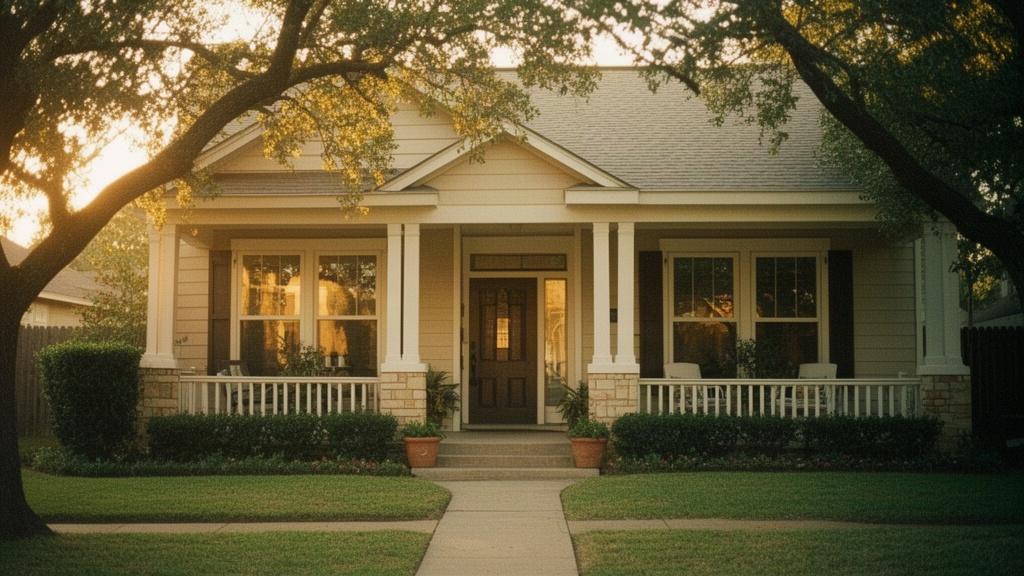
Melbourne's housing stock mixes Victorian terrace houses, postwar brick single storey homes, 1990s brick veneer, and contemporary apartment towers. That mix affects lot sizes, maintenance needs, and price ranges across suburbs.
Housing stock and architecture
Feature note: Terrace homes are common in Carlton, Fitzroy and inner-city parts of Richmond; single-front brick and weatherboard houses dominate in suburbs like Bentleigh, Preston and Ivanhoe; modern medium-rise apartments appear along the Yarra and in Docklands, Southbank and along Chapel Street.
Typical price ranges and lot sizes
Quick reference: Expect wide variations: inner-city apartments and terraces often list at higher per-square-metre rates while middle-ring detached houses on 400 to 800 square metre lots can show lower per-square-metre costs. Lot sizes inside the middle ring tend to be smaller than in outer suburbs, where 600 to 800 square metre lots are more common.
2. Where to look by suburb and transport
Short answer: Choose suburbs by commute time, amenities and the housing type you want, then narrow to streets and blocks that match lot size and building age preferences.
Inner city and bay side suburbs
Key points: Suburbs such as Southbank, Docklands and South Yarra provide apartments and townhouses close to the CBD and tram routes. The bayside suburbs including Brighton, Sandringham and Elwood have a mix of period homes and modern apartments, with beach access and train services in some locations.
Middle-ring suburbs
Key points: Bentleigh, Camberwell, Brunswick and Hawthorn offer detached homes, older character properties and pockets of infill townhouses. These areas typically sit 8 to 15 kilometres from the CBD with train and tram corridors that set commute times.
Outer suburbs and growth corridors
Key points: Areas such as Werribee, Craigieburn and Point Cook tend to offer larger lots and new builds, with commuting times often tied to highway or suburban rail links. New estates include planned parks, shopping centres and schools as part of the development.
3. How to evaluate a specific home
Direct answer: Evaluate a property by checking comparable sales, completing a focused inspection, and mapping commute and amenity distances.
Comparable sales to pull
Checklist: Pull three to five sold listings within 500 metres to 1 kilometre of the property, matched for lot size, bedroom count and building age. Include auction results and private sales where possible, and note sale dates to ensure relevance.
Inspection checklist
Inspection essentials: Check roof and gutter condition, signs of rising damp or timber pest, window and door seals, heating and cooling systems, and the orientation of living spaces for winter sun. For older homes, request recent reports for wiring and plumbing.
Commute and amenity checks
Practical steps: Drive or take public transport at peak times to measure commute. Walk the nearest streets to check local shops, playgrounds, parks and tram stops. Confirm exact distances to the nearest train station and major arterial roads.
4. Steps to buy or sell in Melbourne
Short answer: Follow a clear sequence: prepare finances or the property, shortlist suburbs and homes, inspect, negotiate and complete legal checks through settlement.
Buying steps
Buyer action list: Get pre-approval from a lender, set a clear price range, shortlist suburbs and properties, attend inspections, obtain pest and building reports where needed, and instruct a conveyancer to prepare contracts.
Selling steps
Seller action list: Arrange pre-sale inspections, collect title and council zoning documents, choose a marketing method and campaign length, photograph and present the property, and set clear negotiation rules with your agent.
Working with a local agent
Why local expertise matters: A local agent knows street-level differences, typical selling times for specific property types, and which comparable sales to use. I am Lucky Verma, based in Melbourne, and I can show recent local comps and walk you through inspections and contracts.
5. What to watch in the market and useful sources
Direct answer: Monitor credible data sources, check auction clearance rates and local days on market, and ask agents for recent comparable sales in your target streets.
Additional source: Commercial and new project information can be checked through developer and property groups that publish project pipelines and market outlooks.
Local indicators to monitor: Watch auction clearance rates from the major agencies, median sale values published by state data, and the number of active listings in your chosen suburb. Ask your agent to show comparable sold prices from the last three months for relevant streets.
- Comparable sales to pull: three to five recent local sales within 500 metres to 1 kilometre
- Inspection reports: building and pest where the house is older than 20 years
- Commute checks: drive or catch public transport during peak hour
- Legal checks: title, covenants and any planning overlays from the local council
Practical tip: If you are relocating from interstate or overseas, arrange virtual inspections and ask for high-resolution photos of basements, roofs and service cupboards. I can coordinate remote viewings and provide drone or 3D tour links where sellers have them.
6. Local amenities, schools and lifestyle checks
Direct answer: Check the physical amenities and use official sources for school zones and council services rather than relying on general statements.
Amenity checklist: List the nearest supermarkets, hospitals, parks and public transport stops. Note park names such as Princes Park, Albert Park or the Yarra River trail if they are relevant to a property. For school zoning and performance, consult the state education department and the local council for objective information.
Service note: If you need recent comparable sales or a quick suburb report, contact me. I produce tailored suburb packs that include sold prices, commute times, and council overlays for Melbourne suburbs.
FAQ
How do I start looking for homes for sale in melbourne from interstate?
Begin with a price range and a shortlist of three suburbs. Arrange virtual inspections and request recent comparable sales and inspection reports from the listing agent. Ask a local agent, such as Lucky Verma, to coordinate remote viewings and provide a suburb pack with commute times and nearby amenities.
What should I ask during a property inspection in Melbourne?
Ask for the age of the roof, records of any structural or pest treatments, council rates and zoning, and the history of renovations. Check for drainage and boundary fencing, and measure exact room dimensions for fit. If the home is older than 20 years, consider commissioning a building and pest inspection prior to exchange.
Can I rely on online listing prices when searching for homes for sale in melbourne?
Online listings give a starting point but may not reflect recent private sales or conditional offers. Cross check with sold data, ask for auction results where applicable, and have your agent pull comparable sales in the immediate area to confirm value before making an offer.