
← Back to Blog
Market Trends
Is Right Now a Good Time to Buy a Home in Mérida, Mexico or Should I Wait?
By Luis Eduardo García del Río
August 27, 2026 · 7 min read
If you have been asking yourself whether right now is a good time to buy a home in Mérida, Mexico or whether you should wait, you are not alone. Buyers relocating from the United States, Canada, and across Mexico are weighing the same question as property values, peso exchange rates, and construction activity all shift at once. This post breaks down the real market conditions in Mérida right now so you can make a decision grounded in facts, not guesswork.
1. What the Mérida Market Actually Looks Like in August 2026
Mérida has been one of the most discussed real estate markets in Latin America for several years, and the conversation has not cooled in 2026. According to TheLatinvestor's 2026 market analysis, Mérida continues to see sustained demand from both domestic Mexican buyers and international relocators, with property values rising steadily across multiple corridors of the city.
The key context here is that Mérida is not a single, uniform market. Prices, inventory, and competition vary considerably depending on whether you are looking at the historic Centro, the northern residential zones near Altabrisa, or the expanding periférico communities to the northwest. Understanding those distinctions is essential before you decide to buy or wait.
Price Trends Across Key Corridors
Prices have risen across most of Mérida's residential corridors over the past two years. In the northern zone, properties along the Prolongación Paseo de Montejo and around the Santa Fe and Altabrisa areas have seen notable appreciation, driven by continued commercial development and infrastructure investment. Colonial properties in Centro, particularly those in the streets surrounding the Plaza Grande and the Barrio de Santiago, remain highly sought after and command premium prices per square meter for well-restored homes.
That said, price growth has not been uniform. Some newer residential developments further from the city core are still in their early phases, and buyers willing to accept a longer commute to Mérida's commercial center on Avenida Colón or the hospital zone near Calle 60 Norte can find more competitive entry points.
Construction and Inventory Levels
New construction in Mérida has been active, particularly in the northern and northwestern quadrants. Developments ranging from private gated communities with amenity packages to smaller boutique projects of 10 to 30 units are competing for the same pool of buyers. This level of supply has kept some segments from overheating, but well-located resale homes in established neighborhoods continue to move quickly once listed.
2. The Case for Buying Right Now
For many buyers asking whether right now is a good time to buy a home in Mérida, Mexico, the honest answer is that several conditions currently favor taking action rather than waiting. That does not mean every buyer in every situation should move immediately, but the market dynamics in August 2026 present genuine opportunities.
Exchange Rate Dynamics for Foreign Buyers
Buyers converting US dollars or Canadian dollars into Mexican pesos have seen their purchasing power shift meaningfully over the past 18 months. When the peso strengthens against the dollar, properties priced in pesos effectively cost more in foreign currency terms. Locking in a purchase during a window when your home currency converts favorably can represent real savings on a transaction worth several million pesos. Exchange rates are unpredictable, and waiting for a better rate while prices continue to climb can erode any potential gain.
Demand Is Not Slowing Down
Mérida's appeal as a destination city has not diminished. The city's international airport connects to major US and Mexican hubs, the Centro Histórico draws consistent interest for its colonial architecture, and the Gran Museo del Mundo Maya and Paseo de Montejo remain anchors of civic life that attract visitors who then become buyers. As long as demand from relocators and domestic buyers holds, sellers have little incentive to reduce prices significantly.
Forbes has noted Mérida specifically as one of the more compelling property markets in Mexico for international buyers. You can read that perspective in their overview of where to buy property in Mexico, which highlights the city's infrastructure, quality of life infrastructure, and relative stability compared to coastal resort markets.
3. The Case for Waiting
Waiting is not always the wrong answer. There are specific circumstances where holding off on a purchase in Mérida makes sense, and being honest about those scenarios is just as important as understanding why the market favors buyers who act.
When Waiting Makes Financial Sense
If you have not yet resolved your financing structure, waiting is the right call. Foreign buyers purchasing through a fideicomiso (bank trust) or a Mexican corporation need time to set up that legal structure properly, and rushing that process to chase a property can create costly mistakes. Similarly, if you have not visited Mérida in person and spent time in the neighborhoods you are considering, buying remotely based on listings alone carries real risk.
Buyers who are still deciding between Mérida and another Mexican city, or who have not yet determined their budget ceiling after accounting for closing costs (typically 5 to 8 percent of the purchase price in Mexico), should take the time to get those fundamentals sorted before committing.
What Could Change in the Next 12 Months
No market moves in a straight line. Mérida's continued growth depends on infrastructure investment, national economic conditions in Mexico, and sustained interest from relocators. If any of those factors shift significantly, inventory could increase and price pressure could ease. Buyers who are patient and not under time pressure may find that waiting 6 to 12 months opens up options, particularly in newer developments where developers may offer incentives to move unsold units.
4. Neighborhoods and Property Types Worth Understanding
The question of whether right now is a good time to buy a home in Mérida, Mexico is partly a question of which Mérida you are buying into. Each zone of the city has a distinct character, price range, and set of trade-offs.
Colonial Centro and Paseo de Montejo
The historic Centro is Mérida's architectural heart. Properties here are typically colonial-style homes built around interior courtyards, with thick stone walls, high ceilings, and original tile work. Lot sizes tend to be narrow and deep. Prices for restored homes in good condition have climbed steadily, with well-located properties on streets within walking distance of the Plaza Grande or the Mercado Lucas de Gálvez now commanding prices that rival comparable properties in Mexico City's Condesa. Unrestored properties still exist at lower price points, but they require significant renovation budgets and patience.
Norte and Altabrisa Corridors
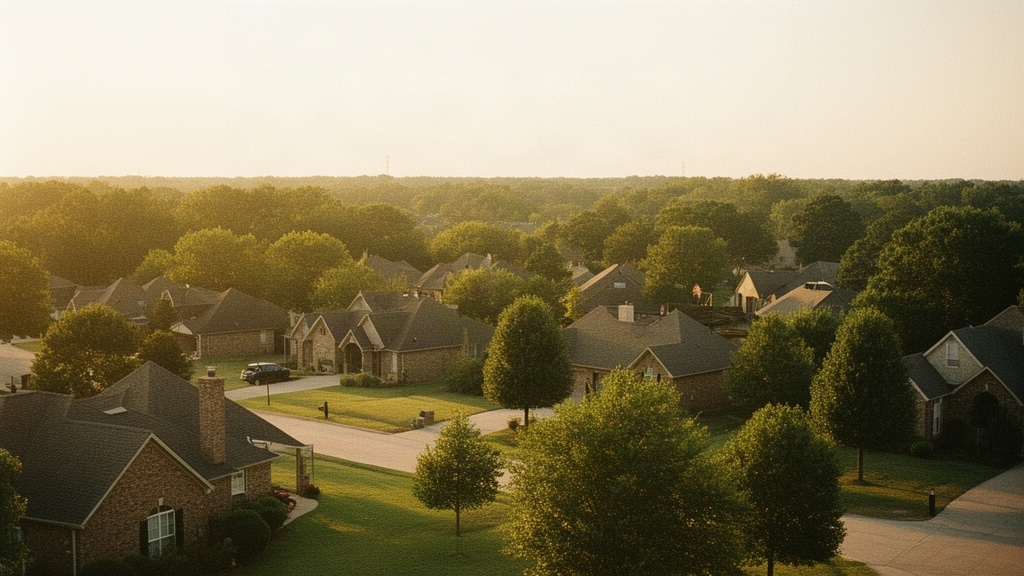
The northern residential zone, anchored by the commercial activity along Avenida Altabrisa and the Prolongación Paseo de Montejo, offers a different product entirely. Homes here tend to be newer construction, often in private fraccionamientos with shared amenities. Lot sizes are more standardized, and the commute to the Centro is roughly 15 to 25 minutes by car depending on traffic. This corridor has seen consistent price appreciation and remains one of the more liquid segments of the Mérida market.
Cholul, Temozón Norte, and the Periférico Expansion
Communities to the northwest along the Periférico and into former comisarías like Cholul and Temozón Norte represent Mérida's growth edge. Land is less expensive here, lot sizes are larger, and newer developments offer more square meters per peso than comparable products closer to the city core. The trade-off is distance: commutes to central Mérida can run 30 to 45 minutes during peak hours. Buyers who prioritize space and newer construction over proximity to the Centro often find this zone worth exploring.
5. How to Make the Decision That Is Right for You
Ultimately, whether right now is a good time to buy a home in Mérida, Mexico depends on your personal financial position, your timeline, and how clearly you understand what you are buying. The market conditions in August 2026 are favorable for prepared buyers, but preparation matters more than timing.
Run Your Personal Numbers First
Before you look at a single listing, get clear on your total budget including closing costs, any renovation allowance, and your ongoing carrying costs in Mexico. Predial (property tax) in Mérida is low by international standards, but maintenance costs on older colonial properties can be substantial. If you are buying as a non-resident, also account for the cost of setting up your fideicomiso, which typically runs between 500 and 1,000 US dollars to establish and carries an annual fee.
Work With Someone Who Knows the Market
Mérida's real estate market does not operate the same way as markets in the US or Canada. There is no single MLS system, listings are often shared informally between agents, and due diligence on property titles requires working with a qualified notario público. Having an experienced local agent who can navigate those realities, identify off-market opportunities, and flag potential title issues before you make an offer is not optional. It is the difference between a smooth transaction and an expensive lesson.
FAQ
Can foreigners buy property in Mérida, Mexico without restrictions?
Foreigners can own property in Mérida without the restrictions that apply in Mexico's restricted coastal zone, which covers land within 50 kilometers of the coastline. Because Mérida is an inland city, non-Mexican buyers can hold title directly in their own name rather than through a fideicomiso bank trust, though many buyers still choose a trust or a Mexican corporation for estate planning or tax reasons. You will still need to work with a Mexican notario público to close the transaction, and the notario handles title verification, deed preparation, and registration. It is strongly recommended to have an independent attorney review the title history before signing anything.
What price range should I expect for homes in Mérida in 2026?
Prices in Mérida vary widely depending on location, condition, and property type. As of August 2026, unrestored colonial homes in Centro can start around 1.5 to 2.5 million pesos for smaller properties needing full renovation, while fully restored colonials in prime Centro locations can reach 8 to 15 million pesos or more. In the northern residential corridors, newer construction homes in private fraccionamientos typically range from 3 to 10 million pesos depending on size and amenities. Luxury properties along the Prolongación Paseo de Montejo or in high-end northern developments can exceed 15 to 25 million pesos. These figures reflect general market conditions in August 2026 and individual properties vary, so working with a knowledgeable local agent to assess specific listings is essential.
Is it better to buy a colonial home in Centro or a newer construction home in the north?
This depends entirely on your priorities, lifestyle, and budget for ongoing maintenance. Colonial homes in Centro offer architectural character, walkability to markets, restaurants, and cultural sites like the Teatro Peón Contreras and the Palacio de Gobierno, and they tend to hold strong appeal for the international buyer market. However, they often require significant investment to restore or maintain, and older plumbing and electrical systems can be a source of ongoing costs. Newer construction homes in the northern zones offer modern infrastructure, private amenity packages, and lower initial maintenance demands, but they typically involve longer commutes to the historic center and offer less architectural distinctiveness. Both property types have their own financial logic, and the right choice depends on how you plan to use the property and what trade-offs matter most to you.