← Back to Blog
Local Living
Relocating to Waverly, Iowa: Neighborhoods, Costs and Timelines
By Lydia Negan
Structure Real Estate · S# 70285000
September 27, 2026 · 11 min read
Relocating to Waverly, Iowa brings a lot of moving pieces together at once: figuring out which part of town fits your lifestyle, understanding what housing actually costs in September 2026, and building a realistic timeline so nothing catches you off guard. This guide covers all three in plain terms, using current local data and specific details about Waverly's streets, neighborhoods, and market conditions.
1. What Waverly, Iowa Looks Like on the Ground
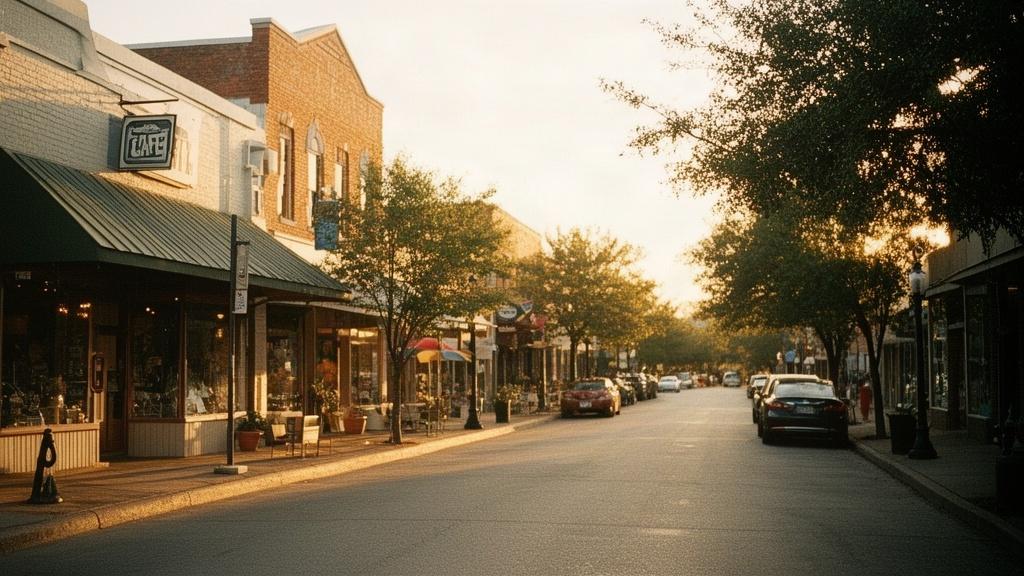
Waverly is a city of roughly 10,000 people in Bremer County, Iowa, sitting along the Cedar River about 20 miles north of Waterloo and Cedar Falls. It is compact enough to cross by car in under ten minutes, yet it has a complete set of services: a regional hospital (Waverly Health Center), a full grocery infrastructure, a downtown commercial district along Bremer Avenue, and Wartburg College anchoring the northeast side of the city.
The Physical Layout of the City
Waverly is organized around a fairly simple grid. The Cedar River runs through the western and southern edges of the city, creating natural boundaries and some of the most scenic residential streets in town. Highway 218 runs north-south through the area, connecting Waverly to the Waterloo metro. Downtown sits near the center, and residential neighborhoods fan out in every direction from there, with newer development concentrated on the south and west sides.
Waverly Shell Rock Community Schools serves the city, with multiple elementary buildings, a middle school, and Waverly-Shell Rock High School on the north side of town. For information about the district's programs, test data, and enrollment, the Iowa Department of Education maintains publicly accessible records at educateiowa.gov, which is the most objective place to research schools before making a housing decision.
What the Housing Stock Actually Looks Like
The majority of Waverly's homes were built between the 1940s and the 1980s, so you will find a lot of ranch-style homes, split-levels, and two-story colonials on established lots with mature trees. Lot sizes in the older sections of town typically run from about 7,000 to 11,000 square feet. Newer subdivisions on the south side tend toward slightly larger lots, often a quarter acre or more, with homes built from the early 2000s through the present. The city also has a modest inventory of duplexes and smaller multi-family properties, concentrated closer to the downtown core.
2. Neighborhoods in Waverly: What Each Area Offers
Waverly does not have sharply defined named neighborhoods the way a large city does, but buyers relocating here quickly notice that different parts of town have distinct characters based on lot size, home age, street layout, and proximity to specific anchors like the river, Wartburg College, or downtown. For a deeper look at what each section of the city offers, the full neighborhood breakdown on this site goes into more detail.
Established Residential Areas Near Downtown
Streets within walking distance of Bremer Avenue and the downtown core tend to feature older homes, often with covered front porches, original hardwood floors, and character details that newer construction does not replicate. Homes in this zone typically range from around 1,000 to 1,800 square feet. Prices in September 2026 for move-in-ready homes in this range are generally in the $130,000 to $200,000 band, though updated properties with recent kitchen or bath work can push higher. Lot sizes here are smaller, and garages are often detached or converted from older carriage-style structures.
Proximity to downtown means walkable access to Waverly's restaurants along Bremer Avenue, the public library, and the Cedar Valley Nature Trail trailhead. The trail itself runs along a former railroad corridor and connects Waverly southward toward Evansdale and beyond, giving residents a paved path for cycling and walking without needing a car.
Newer Construction on the South and West Sides
The south and west sides of Waverly hold most of the city's post-2000 construction, including several active and recently completed subdivisions. These homes tend to be larger, typically 1,600 to 2,400 square feet, with attached two-car garages, open floor plans, and main-floor laundry. Prices for homes in this category currently sit in the $230,000 to $330,000 range depending on finish level, lot position, and whether the home is resale or new construction. New builds from active subdivisions carry a premium, often landing in the $280,000 to $360,000 range for a completed spec home.
Quieter Streets Along the Cedar River Corridor
Some of Waverly's most distinctive residential streets run along or near the Cedar River, particularly on the west side of town near Kohlmann Park and the river access points. Homes here vary widely in age and size, from mid-century ranches to larger two-stories with river views. Kohlmann Park itself sits on the west bank and includes a boat ramp, picnic shelters, and open green space. Buyers drawn to outdoor access and a quieter residential feel tend to look closely at this corridor. Prices vary considerably based on lot elevation, flood zone designation, and proximity to the water, so a flood zone check through FEMA's map service center is an important step before making an offer on any river-adjacent property.
3. What It Costs to Buy a Home in Waverly Right Now
As of September 2026, Waverly's housing market sits at a median sale price in the low-to-mid $200,000s, which puts it well below the national median and significantly below what comparable homes cost in larger Iowa metros like Des Moines or Iowa City. You can track current price trends through Redfin's Waverly housing market page, which updates regularly with median sale price, days on market, and sale-to-list ratios.
Current Price Ranges by Home Type
Waverly's inventory in September 2026 spans a wide range, and understanding where different home types land helps you set a realistic budget before you start touring.
- Entry-level and fixer-upper homes: $90,000 to $140,000. Typically older ranches or two-stories in the central or north part of the city, often needing cosmetic or mechanical updates.
- Move-in-ready mid-range homes: $150,000 to $230,000. Updated older homes or well-maintained 1990s and early 2000s builds. Most common price band in Waverly's active listings.
- Larger resale homes and newer builds: $240,000 to $330,000. Post-2005 construction with larger square footage, attached garages, and modern finishes.
- New construction spec homes: $280,000 to $380,000 depending on builder, lot, and finish package. Custom builds can run higher.
- Acreage and rural residential on Waverly's edges: Varies widely. Properties on one to five acres outside city limits but within a short drive of town can range from $200,000 to $450,000 or more depending on outbuildings and land quality.
Ongoing Ownership Costs to Factor In
Beyond the purchase price, buyers relocating to Waverly should budget for property taxes, which in Bremer County run roughly 1.4% to 1.7% of assessed value annually depending on the specific property and any applicable exemptions. On a $220,000 home, that translates to approximately $3,080 to $3,740 per year, or $257 to $312 per month added to your housing cost. Iowa's Homestead Tax Credit reduces the taxable value for owner-occupied primary residences, so filing that exemption after closing is an important early step. The full breakdown of how Waverly property taxes are calculated is covered in the property tax guide on this site.
Closing costs for buyers in Iowa typically run between 2% and 3% of the purchase price, covering lender fees, title insurance, prepaid homeowner's insurance, and escrow setup. On a $220,000 purchase, expect to bring $4,400 to $6,600 to closing in addition to your down payment.
4. Your Relocation Timeline: From Decision to Move-In
Most buyers relocating to Waverly from out of town complete the process in three to five months from initial decision to closing, though the timeline compresses or stretches based on inventory, financing complexity, and how quickly you can visit in person. Here is how a realistic timeline breaks down.
Months One and Two: Research and Pre-Approval
The first phase is about getting your financial foundation in place and narrowing your geographic priorities before you ever set foot in Waverly. Start by getting pre-approved with a lender, not just pre-qualified. Pre-approval means the lender has reviewed your income documentation, credit, and assets, which makes your offer credible the moment you find the right home. In a market where well-priced Waverly homes are selling in under 30 days, showing up without pre-approval puts you at a real disadvantage.
Use this phase to research the city remotely. The Waverly Welcome Home housing resource maintained by the city is a useful starting point for understanding housing options and community resources available to people moving in. Pair that with a conversation with a local agent who can give you real-time inventory context before your first trip.
Months Two Through Four: Active Search and Offer
Plan at least one dedicated visit to Waverly during this phase, ideally two to three days so you can tour multiple homes and drive the city at different times of day. Waverly's total active inventory at any given time in 2026 has been running in the range of 30 to 60 listings across all price points, which is a manageable number to work through efficiently. Your agent can pre-screen listings based on your priorities so you are not wasting time on homes that do not fit.
Months Four Through Six: Closing and Move-In
Once you are under contract, the closing process in Iowa typically runs 30 to 45 days. During that window, your lender orders an appraisal, the title company conducts a title search, and you complete a home inspection. Iowa does not require an attorney to close, so a title company typically handles the closing itself. You will sign final documents and receive keys on closing day.
Build in at least two weeks after closing before your actual move date if possible. That buffer gives you time to handle utility transfers, address changes, and any minor work you want done before furniture arrives. Iowa's winters arrive in earnest by November, so if you are targeting a fall move, aim to close no later than mid-October to avoid coordinating a move in cold or snowy conditions.
5. Practical Things to Know Before You Move
Relocating to Waverly, Iowa involves more than finding the right house. The day-to-day logistics of living in a small Iowa city are different from what many people moving from larger metros expect, and knowing what to plan for ahead of time prevents surprises.
Getting Around Waverly and to Nearby Cities
A car is essential in Waverly. There is no local public transit system, and while the city is walkable for errands near downtown, most residents drive to work, school, and shopping. The commute to Waterloo is approximately 20 to 25 minutes via Highway 218 under normal conditions, and Cedar Falls sits about the same distance to the southwest. Both cities offer additional employment, medical specialists, and retail options that Waverly does not have locally. The commute article on this site breaks down exactly what that daily drive looks like in different seasons and traffic scenarios.
Des Moines is roughly two hours south on Highway 218 and Interstate 380, making it a realistic day-trip destination for specialty shopping, airports, or events. The Eastern Iowa Airport in Cedar Rapids is about 75 miles south and offers more flight options than the Waterloo Regional Airport, which is closer at about 20 miles.
Utilities, Internet and Day-to-Day Services
Waverly Municipal Utilities provides electric service to city residents, and the city also operates its own fiber-optic internet network called WaverlyCommunications, which offers gigabit-speed internet to most addresses within city limits. This is a meaningful practical advantage for remote workers relocating from larger cities, where fiber availability varies widely by neighborhood. Natural gas service is provided through Alliant Energy. Water and sewer are municipal services billed through the city.
Waverly Health Center is a full-service hospital located on the north side of the city, offering emergency care, surgical services, and a range of outpatient clinics. For specialty care not available locally, the UnityPoint Health system in Waterloo is the primary referral destination. Hy-Vee and Fareway both operate grocery stores in Waverly, and there is a Walmart Supercenter approximately 20 miles south in Waterloo for broader retail needs.
Waverly has a city parks system with more than a dozen parks, including Kohlmann Park along the Cedar River, Riverside Park on the south side with athletic fields and a splash pad, and Bremer County Fairgrounds on the north edge of the city. The Cedar Valley Nature Trail provides a paved multi-use path connecting Waverly to communities to the south, which is a notable outdoor amenity for cyclists and walkers.
FAQ
How long does it realistically take to buy a home when relocating to Waverly, Iowa from out of state?
Most out-of-state buyers complete the process in three to five months from their initial decision to closing day. The biggest variables are how quickly you secure mortgage pre-approval, how many in-person trips you can make to tour homes, and how fast Waverly's inventory moves in the price range you are targeting. In September 2026, well-priced homes in Waverly are selling in under 30 days, so being pre-approved and ready to act when you find the right property is essential. Budget 30 to 45 days from accepted offer to closing once you are under contract, which is standard for Iowa real estate transactions.
What is the typical total cost of buying a home in Waverly, Iowa when you include taxes and closing costs?
On a $220,000 home in Waverly, a buyer should plan for roughly $4,400 to $6,600 in closing costs (2% to 3% of the purchase price), plus a down payment of 3.5% to 20% depending on loan type. Property taxes in Bremer County run approximately 1.4% to 1.7% of assessed value annually, which works out to about $3,080 to $3,740 per year on a $220,000 assessment. Filing Iowa's Homestead Tax Credit after closing reduces your taxable assessed value and should be done promptly. Homeowner's insurance in Iowa for a home in this price range typically runs $1,200 to $1,800 per year depending on the age and condition of the home.
Does Waverly, Iowa have high-speed internet for remote workers?
Yes. Waverly operates its own municipal fiber-optic network called WaverlyCommunications, which delivers gigabit-speed internet service to most residential addresses within city limits. This is a significant practical advantage for remote workers or households with high bandwidth demands, since many small cities of Waverly's size rely on cable or DSL infrastructure with slower speeds. When touring homes, it is worth confirming the specific address is on the WaverlyCommunications network, particularly for properties on the outer edges of the city or in recently developed subdivisions where network extension may still be in progress.