← Back to Blog
Market Trends
Waverly, Iowa Has the Best Online Reviews from Past Clients: Real Estate Market Guide — Prices, Neighborhoods and Timing
By Lydia Negan
Structure Real Estate · S# 70285000
September 29, 2026 · 10 min read
When people search for a real estate agent in Waverly, Iowa, one of the first things they check is what past clients have said. This guide pulls together what those reviews consistently highlight, alongside a current look at prices, neighborhood characteristics, and timing so you have everything you need to make a confident move in the Waverly market in September 2026.
1. What Past Client Reviews Actually Tell You About the Waverly Market
Online reviews from past clients are one of the most reliable signals you have when evaluating a real estate agent in a smaller market like Waverly. Unlike a major metro where hundreds of agents compete and reviews blur together, Waverly's tighter market means that a pattern of consistent feedback, positive or critical, carries real weight. A handful of detailed reviews from local homeowners tells you far more than a generic five-star rating.
Why Reviews Matter More Than Marketing
A polished website or a yard sign count tells you nothing about what it is like to work with an agent during a stressful negotiation or a tight inspection timeline. Reviews fill that gap. The themes that appear repeatedly in Waverly client feedback tend to center on communication speed, local pricing accuracy, and whether the agent understood the specific street or subdivision the buyer or seller was dealing with. Those are exactly the things that determine whether a transaction closes smoothly or falls apart.
For context on how agents across the country approach review generation and what separates meaningful feedback from hollow testimonials, Inman's coverage of online review strategy is a useful reference. The short version: volume matters less than specificity. A review that mentions a specific street in Waverly, a particular price negotiation outcome, or a tricky closing situation is worth ten generic five-star ratings.
What Waverly Clients Consistently Say
In a city of roughly 10,000 residents, word travels fast. Waverly buyers and sellers frequently mention three things in their post-transaction feedback: whether their agent knew the difference between a 1950s ranch on 4th Street SW and a newer build off Horton Road, whether pricing guidance was grounded in what Bremer County comps actually supported, and whether the agent was reachable when something came up on a Tuesday evening. Those are Waverly-specific concerns, not generic ones.
Lydia Negan of Structure Real Estate has built her Waverly practice on exactly that kind of local depth. If you want to understand what past clients say about working with her specifically, her reviews speak to her knowledge of the Waverly housing stock, her straightforward pricing conversations, and her responsiveness through the full transaction. That reputation is what this guide is designed to sit alongside: concrete market data that reflects the same level of local specificity her clients describe.
2. Current Prices in Waverly, Iowa
Waverly sits in a price range that remains accessible relative to larger Iowa metros, though values have shifted meaningfully over the past two years. As of September 2026, the median sale price for a single-family home in Waverly is running in the low-to-mid $200,000s, with meaningful variation depending on age, lot size, and location within the city. That figure is consistent with the broader northeast Iowa market and reflects the inventory constraints that have kept prices firm even as mortgage rates have stayed elevated.
Median Home Prices Right Now
The median sale price in Waverly in September 2026 is approximately $205,000 to $225,000 for a standard three-bedroom single-family home. Entry-level properties, typically smaller two-bedroom homes or older ranch-style houses needing cosmetic updates, are still available in the $130,000 to $165,000 range. Move-up properties with four bedrooms, a finished basement, and a two-car garage tend to land between $250,000 and $320,000. Anything above $350,000 in Waverly is considered the higher end of the local market, and that segment has its own dynamics covered separately on this site.
For a broader Iowa and national context, the NAR's Metropolitan Median Area Prices and Affordability data shows that smaller Midwest markets like Waverly remain well below the national median, which is part of why relocation interest from larger cities has stayed steady through 2026. Waverly's price point, combined with its proximity to Waterloo and Cedar Falls, continues to attract buyers who want more square footage and lot size than those larger cities offer at comparable prices.
Price Ranges by Property Type
Condominiums and townhomes in Waverly are relatively rare compared to single-family inventory, but when they come to market they typically price between $120,000 and $175,000. Duplexes and small multifamily properties, which attract both owner-occupants and investors, have been selling in the $180,000 to $260,000 range depending on unit condition and rental history. Rural acreage properties on the outskirts of Waverly, where you get a home on one to ten acres with a Bremer County address, carry a wider range from around $250,000 to well above $400,000 depending on improvements and tillable land. For a detailed look at the acreage segment, the rural acreage guide on this site covers those specifics.
If you are looking at the upper tier of the Waverly market, the higher-end properties guide on this site breaks down that segment in detail, including what drives price differences between comparable homes in that range.
3. Waverly Neighborhoods: What the Housing Stock Looks Like
Waverly's residential areas each have a distinct character shaped by when they were built and how they relate to the Cedar River, downtown, and the Wartburg College campus. Understanding those physical differences helps you interpret price variation and decide where to focus your search. The full neighborhood breakdown on this site goes deeper, but here is what you need to know at the market level.
Established Residential Streets Near Downtown
The blocks surrounding downtown Waverly and running toward the Cedar River corridor contain the city's oldest and most architecturally varied housing. You will find two-story Craftsman homes, Victorian-era houses with original woodwork, and mid-century ranches on lots that typically run 50 to 75 feet wide. Many of these homes have been updated over the decades, though some carry deferred maintenance that is reflected in price. Streets like 4th Street SW and the blocks near Bremer Avenue offer walkable access to the downtown shops, the Waverly Public Library, and Kohlmann Park along the river.
Prices in this area vary more than in newer subdivisions because condition and renovation history matter enormously. A fully updated four-bedroom near downtown can command $240,000 or more, while an unrenovated comparable two blocks away might list at $160,000. Buyers who are comfortable with a renovation project and want character architecture tend to focus here. Sellers in this area benefit from strong curb appeal when the home is well maintained.
Newer Construction on the North and East Sides
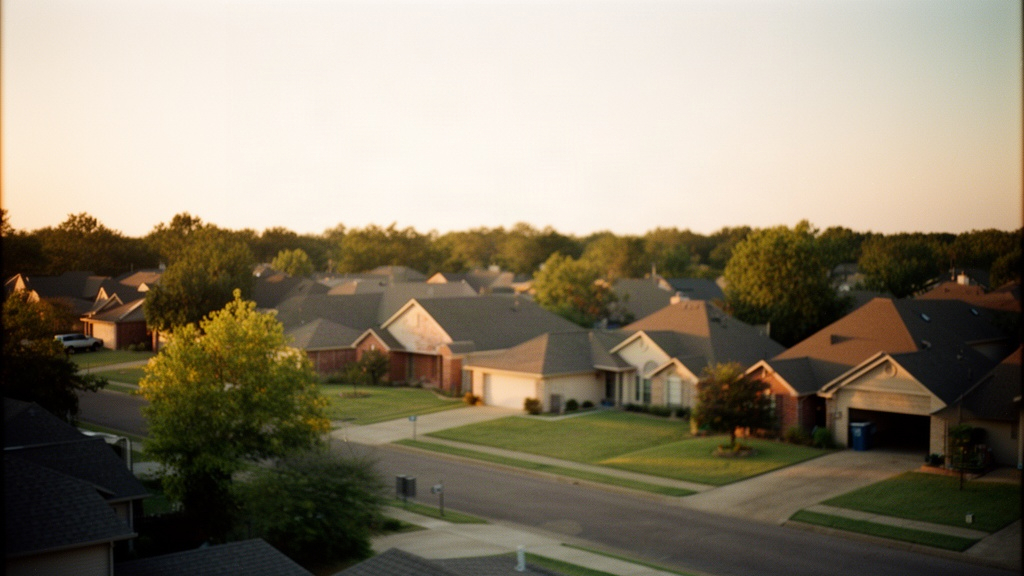
Waverly's north and east sides have seen the bulk of residential growth since the 1990s, with subdivisions off Horton Road, Oster Drive, and the areas near the Waverly-Shell Rock school campus adding ranch-style and two-story homes on larger lots. These homes typically range from 1,400 to 2,400 square feet, sit on lots of a quarter acre or more, and include attached two-car garages. Construction quality is more consistent here than in the older stock, and buyers get fewer surprises on inspection. Prices in these subdivisions cluster between $210,000 and $310,000 depending on square footage, finish level, and lot position.
New construction is also happening in this part of Waverly in 2026. The new housing developments guide on this site covers which subdivisions are actively building, what lot sizes and price points are available, and what the builder timelines look like for buyers who want a new home rather than existing inventory.
Rural Acreage Within City Limits and Just Outside
Waverly's position in Bremer County means that true rural properties, homes on one to ten acres or more, are available within a short drive of the city's amenities. Some of these are acreage properties that sit just outside the city limits on gravel roads, offering privacy and space while keeping the commute to Waverly or to Waterloo reasonable. The drive from a rural Bremer County acreage to downtown Waverly is typically 10 to 20 minutes depending on exact location. These properties attract buyers who want outbuildings, space for animals, or simply more land than any city lot can offer.
4. Timing the Waverly Market in September 2026
September 2026 is a transitional moment in the Waverly real estate calendar, and the timing dynamics are different for buyers and sellers. The peak spring and summer listing season has wound down, which means active inventory is lower than it was in May or June, but motivated sellers who are still on the market tend to be genuinely ready to transact. That combination creates specific opportunities and constraints worth understanding before you act.
What Fall Means for Buyers
Buyers in Waverly right now are seeing fewer competing offers than they would have faced in the spring, which means more room to negotiate on price, closing date, and inspection terms. The tradeoff is that total inventory is thinner. If you have a specific requirement, a four-bedroom with a three-car garage on the north side, for example, you may need to wait for the right property to come available rather than choosing from multiple options. Buyers who are flexible on features tend to find fall a productive time to move.
The question of whether to buy now or wait until spring is one Waverly buyers ask frequently. The fall 2026 versus spring timing guide on this site walks through that decision in detail, including what typically happens to Waverly prices and inventory between October and March.
What Fall Means for Sellers
Sellers listing in September 2026 are competing with fewer other properties, which helps their visibility. The buyers who are active in the fall market in Waverly are typically serious: they are not browsing casually, they have financing in place, and they have a reason to move before the end of the year. That buyer profile tends to produce cleaner transactions with fewer contingency complications. The risk for sellers is that if a home sits past mid-October without an offer, it may need to carry through a slower winter market before spring activity picks back up.
Pricing accuracy matters more in the fall than in the spring. In a thinner buyer pool, an overpriced home sits longer and accumulates days-on-market data that buyers will notice. Getting the list price right from day one is the single most important thing a Waverly seller can do in September. The selling guide on pricing and timeline on this site explains how that pricing process works in the Waverly context specifically.
5. How to Use Reviews and Market Data Together When Choosing an Agent
The most useful thing you can do before hiring a Waverly real estate agent is read their reviews alongside their actual transaction history in the local market. Reviews tell you about the experience of working with someone. Market data tells you whether their pricing guidance and negotiation results are grounded in reality. You need both.
Reading Reviews With a Critical Eye
Look for reviews that mention specific outcomes rather than general praise. A review that says the agent helped a client navigate a low appraisal on a home near the Wartburg campus, or negotiated a repair credit on an older home with a failing sump pump, tells you something concrete. A review that only says the agent was friendly and professional tells you much less. In Waverly's market, where the housing stock ranges from pre-war bungalows to brand-new construction, an agent's ability to handle property-specific complications is what separates a smooth closing from a stressful one.
Also pay attention to the recency of reviews. The Waverly market in 2026 is materially different from what it was in 2021 or 2022. An agent with strong reviews from that earlier period but nothing recent may not have stayed current with how buyer and seller dynamics have shifted as rates rose and inventory tightened. Look for feedback from transactions completed within the last 12 to 18 months.
Pairing Reviews With Local Market Knowledge
Ask any agent you are considering to walk you through a recent comparable sale in the specific part of Waverly you are targeting. If they can speak to why a home on Oster Drive sold for $15,000 more than a similar home on a street two blocks west, and explain it in terms of lot depth, garage configuration, or finish level rather than vague market forces, that is a sign their local knowledge is real. That kind of specificity is what Waverly buyers and sellers describe in the strongest reviews, and it is what produces the best outcomes in a market this size.
If you are relocating to Waverly from outside the area and want a broader orientation before diving into agent selection, the relocation guide on this site covers neighborhoods, cost of living, and what the transition timeline typically looks like for out-of-area buyers.
FAQ
What do past clients most often mention in reviews of Waverly, Iowa real estate agents?
In a smaller market like Waverly, the reviews that carry the most weight tend to highlight three things: whether the agent understood the specific neighborhood and property type, whether their pricing guidance was accurate relative to what Bremer County comps supported, and whether they were responsive when something came up during the transaction. Generic praise is common, but the reviews that actually help buyers and sellers make a decision are the ones that describe a specific challenge the agent navigated, such as a low appraisal, a complicated inspection, or a tight closing timeline. Recency also matters. Reviews from 2026 transactions reflect the current market conditions in Waverly, which are meaningfully different from the low-rate environment of a few years ago.
What is the current median home price in Waverly, Iowa as of September 2026?
As of September 2026, the median sale price for a single-family home in Waverly is in the low-to-mid $200,000s, with most standard three-bedroom homes selling between approximately $205,000 and $225,000. Entry-level properties in need of updates can still be found in the $130,000 to $165,000 range, while move-up homes with four bedrooms, a finished basement, and a two-car garage typically sell between $250,000 and $320,000. Prices vary significantly by neighborhood and property age, with older homes near downtown showing wider condition-based variation than newer subdivisions on the north and east sides of the city. Rural acreage properties in the surrounding Bremer County area carry a broader range depending on lot size and outbuildings.
Is September 2026 a good time to buy or sell a home in Waverly, Iowa?
September 2026 presents different conditions for buyers and sellers in Waverly. Buyers are seeing less competition than during the spring peak, which creates more room to negotiate on price, inspection terms, and closing dates, though total inventory is thinner so finding a specific property may take patience. Sellers benefit from a motivated buyer pool: people who are actively looking in the fall typically have financing in place and a genuine reason to move before year end, which tends to produce cleaner transactions. The most important factor for sellers right now is pricing accuracy, since an overpriced home in a thinner fall market accumulates days on market quickly and becomes harder to sell as winter approaches. Working with an agent who has current, specific knowledge of Waverly comparable sales is the most reliable way to price correctly from day one.