← Back to Blog
Selling
Downsizing in Fort Worth: Options, Costs and Timing for Homeowners Ready to Make the Move
By Madison Mitchell
TK Realty
September 19, 2026 · 13 min read
Downsizing is one of the most significant financial and lifestyle decisions a homeowner can make, and helping people downsize well requires a clear picture of the options, costs, and timing involved. In Fort Worth, where the housing market has shifted meaningfully over the past few years and property tax bills have climbed alongside home values, the math on downsizing can be surprisingly compelling. This guide walks through everything you need to know before you list your larger home and start shopping for something smaller.
1. Why Fort Worth Homeowners Are Downsizing Right Now
Fort Worth homeowners are downsizing at a notable rate in September 2026 because the combination of accumulated home equity and rising carrying costs has made the decision financially attractive. Many owners who purchased in the 2010s or earlier are sitting on equity gains that can fund a comfortable next chapter, while the ongoing cost of maintaining a four-bedroom house in the suburbs has grown harder to justify.
What Is Driving the Decision
The motivations vary widely. Some homeowners have children who have moved out and simply no longer need 2,800 square feet in a Keller or North Richland Hills subdivision. Others are watching their Tarrant County property tax bill climb every year and want to reduce that obligation by moving into a smaller, lower-assessed property. A growing number are relocating within Fort Worth itself, trading a large lot in the far southwest for a smaller, lower-maintenance home closer to cultural amenities like the Cultural District, the Fort Worth Botanic Garden, or the Near Southside.
A recent HousingWire analysis found that many older Americans feel stuck in homes that no longer fit their lives, often because they underestimate how much flexibility the local market can actually offer them. In Fort Worth, that flexibility is real: the city has a wide range of smaller housing types at multiple price points, and the resale market for larger suburban homes remains active.
The Equity Advantage in Today's Market
Fort Worth home values have appreciated substantially since 2019, which means many owners of three-bedroom and four-bedroom homes in established neighborhoods are carrying equity they may not fully appreciate. If you purchased a home in areas like Wedgwood, Summerfields, or far west Fort Worth a decade ago for $250,000 and that home is now worth $380,000 to $420,000, the net proceeds from a sale, after paying off any remaining mortgage, can be substantial. That capital can either be redeployed into a smaller home outright or used to significantly reduce the mortgage on your next property.
For a detailed look at what Fort Worth home prices are doing right now, see this breakdown of current Fort Worth home price trends as of September 2026. Understanding where your current home sits in the market is the first step in building a realistic downsizing plan.
2. Your Downsizing Options in Fort Worth
Fort Worth offers more downsizing pathways than most Texas cities its size, from compact single-family homes in established neighborhoods to lock-and-leave condos near Sundance Square. Knowing which product type fits your lifestyle and budget before you start searching saves significant time and prevents you from making an emotional decision under pressure.
Smaller Single-Family Homes
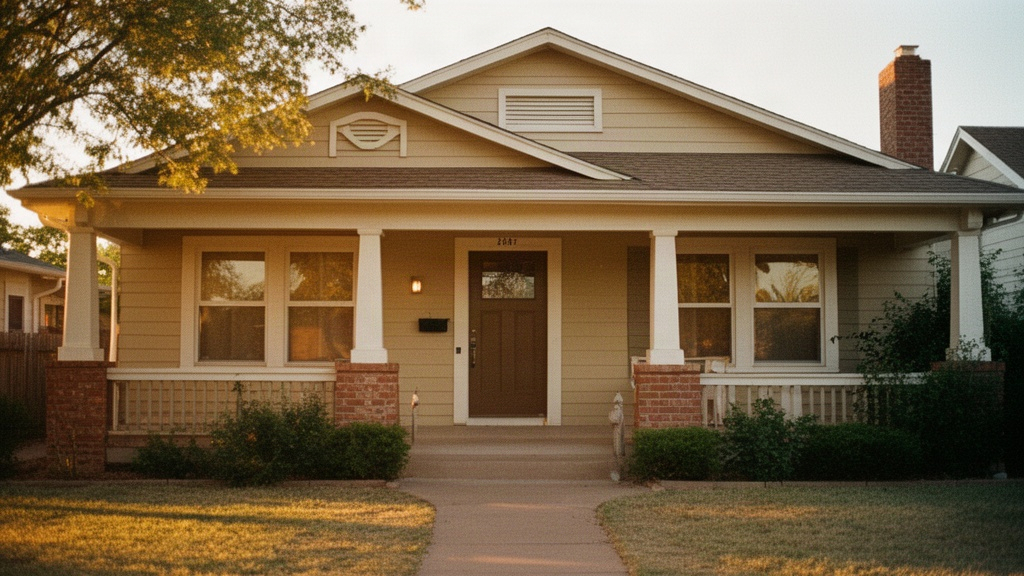
The most common downsizing path in Fort Worth is trading a larger home for a smaller single-family property, typically moving from 2,500 to 3,500 square feet down to 1,200 to 1,800 square feet. Neighborhoods like Fairmount, Ryan Place, and parts of the Near Southside offer well-built homes from the 1930s through the 1960s on modest lots, often with two or three bedrooms and updated kitchens, in the $280,000 to $450,000 range depending on condition and exact location. These homes tend to have lower maintenance footprints than large suburban properties and are closer to walkable retail and dining.
In areas like Benbrook and southwest Fort Worth, smaller ranch-style homes on quarter-acre lots are available in the $250,000 to $350,000 range. These are particularly appealing to homeowners coming out of larger properties in the same general corridor who want to stay close to familiar roads and services without the upkeep of a bigger yard.
Townhomes and Patio Homes
Townhomes and patio homes have grown as a product category in Fort Worth over the past several years, particularly in the areas around the Cultural District, West 7th, and along the Trinity Trails corridor. These properties typically run 1,400 to 2,000 square feet across two or three stories, with HOA fees covering exterior maintenance, landscaping, and sometimes insurance on the structure. Prices in the Cultural District and West 7th area generally range from $350,000 to $550,000, while more affordable options exist in the Sycamore School Road corridor and parts of south Fort Worth in the $250,000 to $360,000 range.
The HOA component is worth examining carefully. Monthly fees typically run $150 to $400 depending on the community and what is included. That cost replaces much of what you would otherwise spend on lawn service, exterior painting, and roof maintenance, so the net financial picture is often better than the sticker price suggests.
Condos and Lock-and-Leave Living
Fort Worth's condo market is smaller than Dallas's but has genuine options, particularly downtown and in the Sundance Square area. Units in the downtown core range from around $200,000 for a one-bedroom to $500,000 or more for a two-bedroom with views and premium finishes. HOA fees in downtown high-rise buildings tend to be higher, often $400 to $700 per month, reflecting amenities like concierge service, fitness centers, and secured parking.
For homeowners who travel frequently or want to spend extended time elsewhere, the condo lifestyle eliminates the worry of maintaining a yard and exterior while they are away. The tradeoff is less square footage and higher monthly carrying costs through HOA fees, which do not build equity.
Active Adult and 55-Plus Communities
The greater Fort Worth area has several age-restricted communities designed specifically for buyers aged 55 and older. Del Webb's communities in the Alliance corridor in far north Fort Worth and in Mansfield to the southeast offer single-story homes ranging from roughly 1,200 to 2,200 square feet, with resort-style amenities including pools, fitness centers, and organized activities. Home prices in these communities currently run from approximately $300,000 to $550,000 depending on the floor plan and lot position.
These communities are worth evaluating carefully in person because the HOA fees, which typically run $150 to $300 per month, fund the shared amenities. If you will use those amenities regularly, the cost is reasonable. If you prefer a quieter lifestyle with minimal organized programming, a standard neighborhood might be a better financial fit.
Using a Home Equity Conversion Mortgage
Some homeowners aged 62 and older who are downsizing explore a Home Equity Conversion Mortgage for Purchase, which allows them to use the proceeds from selling their current home to buy a smaller property without taking on a monthly mortgage payment. This is a federally insured FHA product with specific eligibility requirements, and it is not the right tool for every situation, but for buyers with significant equity and limited monthly income, it can make a smaller home achievable without depleting savings.
For a deeper look at how this product works in a downsizing context, Inman's overview of the Home Equity Conversion Mortgage for downsizing seniors is a useful starting point. A HUD-approved counselor is required before you can proceed, and speaking with a lender who has closed these loans in Texas is essential since the state has specific rules around reverse mortgage products.
3. What Downsizing Actually Costs in Fort Worth
The total cost of downsizing involves three separate buckets: what it costs to sell your current home, what it costs to buy your next one, and the transition expenses in between. Many homeowners focus only on the sale price and the purchase price and are surprised by the fees and moving costs that sit between those two numbers.
Selling Costs on Your Current Home
When you sell a home in Fort Worth, the largest cost is typically real estate commissions, which in 2026 are negotiated rather than fixed following industry-wide changes in 2024 and 2025. Sellers should budget for their own agent's fee plus any buyer agent compensation they agree to offer. Beyond commissions, common seller costs include title policy premiums (in Texas, the seller typically pays for the owner's title policy, which on a $400,000 home runs roughly $2,000 to $2,400), any agreed-upon repairs or concessions, prorated property taxes, and a home warranty if offered.
In total, sellers in Tarrant County should plan for closing costs of roughly 7 to 9 percent of the sale price when commissions are included. On a $420,000 home, that is approximately $29,000 to $38,000 coming off the top before you see net proceeds. Knowing this number in advance prevents the shock that can derail a downsizing plan at the closing table.
Buying Costs on Your Next Home
As a buyer, you will face a separate set of closing costs on your next property. In Fort Worth, buyers typically pay for their lender's title policy, loan origination fees, appraisal, home inspection, prepaid homeowners insurance, and the initial escrow setup for taxes and insurance. On a $300,000 purchase with a mortgage, total buyer closing costs generally run $6,000 to $10,000 depending on the lender and loan type. Cash buyers pay less but still owe title fees, inspection costs, and prepaid insurance.
For a full breakdown of what buyers pay at closing in Fort Worth, this detailed guide to buyer closing costs in Fort Worth in 2026 covers each line item with current figures.
One cost that downsizers often overlook is the ongoing property tax difference between their current home and the new one. If you are moving from a $450,000 home to a $280,000 home in Tarrant County, your annual tax bill drops meaningfully, and that savings compounds over time. The Tarrant County Appraisal District website publishes current tax rates by jurisdiction, and Texas also offers a homestead exemption that reduces your taxable value once you establish the new property as your primary residence.
Moving, Storage and Transition Costs
A local move within Fort Worth using a professional moving company typically costs $1,500 to $4,000 depending on the volume of belongings and the distance between properties. If you are moving from a 3,000-square-foot home into a 1,400-square-foot townhome, you will almost certainly need to sell, donate, or store furniture and belongings that will not fit in the new space. Storage unit costs in the Fort Worth area run $80 to $200 per month for a 10x10 to 10x20 unit, depending on the facility and climate control.
If your sale and purchase do not close on the same day, you may also need temporary housing. Short-term furnished apartments in Fort Worth run $1,800 to $3,500 per month, and extended-stay hotels in the Alliance, Fossil Creek, or TCU corridor areas are an option for stays of two to four weeks. Building a two-week buffer into your timeline and budget for this possibility is prudent.
4. When Is the Right Time to Downsize in Fort Worth
Timing a downsize well in Fort Worth means reading both the local housing market and your own personal circumstances simultaneously. The best time to sell is not always the best time to buy, and the reverse is also true, so understanding both sides of the transaction before you commit to either is essential.
Reading the Local Market
In September 2026, Fort Worth's resale market remains competitive for well-priced larger homes in established neighborhoods, though inventory has increased compared to the extreme lows of 2021 and 2022. Sellers of three-bedroom and four-bedroom homes in the $350,000 to $500,000 range are still seeing reasonable activity, particularly in zip codes like 76132, 76109, and 76116. Homes that are priced accurately and well-presented are moving, while overpriced listings are sitting longer than they would have two years ago.
On the buying side, the smaller-home and townhome inventory in Fort Worth has also grown, which gives downsizers more options than they had in 2022 or 2023. This is a meaningful shift: you are less likely to be forced into a bidding war on a small patio home in the Cultural District corridor than you would have been two years ago, though well-located properties still attract multiple offers when priced correctly.
For a current look at inventory conditions across Fort Worth, this article on Fort Worth housing inventory levels in 2026 gives a data-grounded picture of where supply stands right now.
Personal Timing Factors That Matter
Beyond market conditions, personal timing factors often drive the decision more than anything else. Homeowners who are approaching or recently past retirement, who have experienced a health change, or who are paying to maintain a home that no longer serves their day-to-day needs are often better served by moving sooner rather than waiting for a theoretically perfect market moment.
Tax timing also matters. If you have lived in your home for at least two of the past five years, you may be eligible to exclude up to $250,000 in capital gains from the sale ($500,000 for married couples filing jointly) under current IRS rules. This exclusion does not last forever if you move out before selling, so homeowners who are considering renting out their current home before downsizing should speak with a CPA about how that affects their tax position.
5. How to Execute a Smooth Downsize in Fort Worth
Helping people downsize successfully in Fort Worth comes down to sequencing the transaction correctly, reducing friction in the physical move, and working with someone who knows both the selling and buying sides of the local market. Each of those three elements can make or break the experience.
Sequence Your Sale and Purchase Carefully
The most common sequencing mistake downsizers make is buying before they sell, which leaves them carrying two mortgages and two sets of carrying costs simultaneously. In a market like Fort Worth's, where larger homes are selling but not instantly, that double-carry can last 60 to 90 days and cost thousands in duplicate mortgage payments, utilities, and insurance.
The cleaner approach for most downsizers is to list the current home first, accept an offer with a closing date 45 to 60 days out, and use that window to identify and go under contract on the smaller property. A leaseback agreement, where you remain in your current home for 30 to 60 days after closing as a tenant, can give you additional time to close on the purchase without rushing. These agreements are common in Fort Worth and are straightforward to negotiate when both parties understand the terms upfront.
If you want to understand the full closing timeline before you commit to a sequence, this step-by-step guide to how long it takes to close on a house in Fort Worth walks through the process from contract to keys.
Declutter Before You List
Decluttering before you list accomplishes two things at once: it makes your current home photograph and show better, which directly affects how quickly it sells and at what price, and it forces you to make decisions about what you are taking to the smaller space before the chaos of moving day. Homes that show clean and spacious consistently sell faster and for more money than cluttered ones, even when the underlying square footage is identical.
In Fort Worth, estate sale companies and donation organizations like Habitat for Humanity's ReStore on Hemphill Street or the Salvation Army locations throughout the city can help you move furniture and household goods quickly. For items with significant value, an estate sale held in your home over a weekend can generate $2,000 to $10,000 in proceeds depending on what you have accumulated over the years.
Work With Someone Who Knows the Local Inventory
Downsizing is not a standard transaction. You are simultaneously a seller trying to maximize proceeds and a buyer trying to find the right smaller property, often under time pressure. The agent you work with needs to understand both sides of that equation and have current knowledge of Fort Worth's smaller-home inventory, including townhomes, patio homes, and compact single-family options that do not always get broad marketing exposure.
Madison Mitchell works with Fort Worth homeowners on exactly this kind of transition, helping sellers price and position their current homes accurately while simultaneously identifying suitable smaller properties across the city. Having one person who understands your full picture, what you are selling, what you need next, and what your financial constraints are, makes the process significantly less stressful than trying to coordinate two separate transactions through two different agents.
FAQ
How much money do most Fort Worth homeowners actually save by downsizing?
The savings depend on the gap between your current home's value and your next home's purchase price, but the financial benefits extend well beyond the equity you pocket at closing. A homeowner moving from a $420,000 home with a $150,000 remaining mortgage into a $280,000 smaller property purchased with cash would eliminate their mortgage payment entirely, reduce their Tarrant County property tax bill by roughly $2,500 to $4,000 per year, and lower their homeowners insurance premium. Add reduced utility costs and lower maintenance expenses on a smaller property, and the annual savings can easily reach $15,000 to $25,000 depending on the specific properties involved. Over a decade, that is a meaningful financial shift that compounds in retirement planning calculations.
Should I sell my Fort Worth home before I start looking for a smaller one?
In most cases, yes, getting your current home under contract before committing to a purchase is the lower-risk approach in Fort Worth's current market. Carrying two properties simultaneously is expensive, and if your current home takes longer to sell than expected, the financial pressure can force you into a poor decision on the purchase side. The practical exception is if you are a cash buyer who can close on the smaller property without needing the proceeds from your sale, or if you have a bridge loan in place. A leaseback agreement negotiated into your sale contract can give you 30 to 60 additional days after closing to find and close on your next home without rushing.
What parts of Fort Worth have the most options for downsizers right now?
In September 2026, the areas with the strongest inventory of smaller, lower-maintenance homes include the Cultural District and West 7th corridor for townhomes and patio homes, the Near Southside and Fairmount neighborhoods for compact single-family homes with character, and the Alliance area in far north Fort Worth for new-construction active adult communities. The Benbrook and southwest Fort Worth areas also offer affordable ranch-style homes in the $250,000 to $350,000 range for buyers who want to stay on the western side of the city. Each of these areas has distinct housing stock, price ranges, and commute profiles, so the right fit depends on your priorities around maintenance, price, and proximity to specific amenities.