← Back to Blog
Market Trends
Fort Worth, Texas Real Estate Market Guide: What Buyers and Sellers Often Overlook on Prices, Neighborhoods and Timing
By Madison Mitchell
TK Realty
September 21, 2026 · 9 min read
Most Fort Worth, Texas real estate market guides cover the basics: median prices, days on market, and a list of neighborhood names. This guide goes further, focusing on the specific details about prices, neighborhoods and timing that buyers and sellers consistently overlook, and that consistently cost them money or time when ignored.
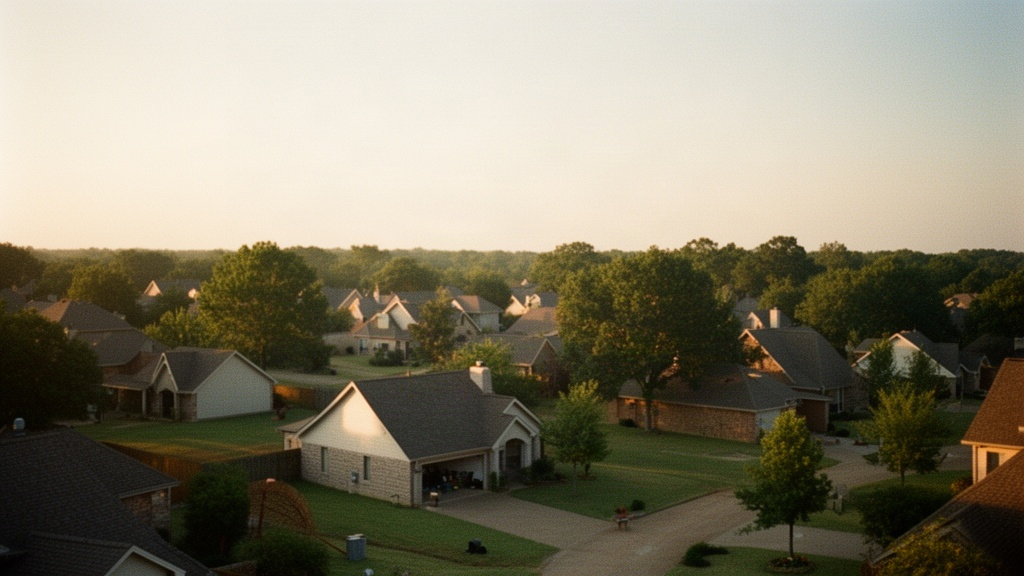
1. Why the Fort Worth Market Behaves Differently Than You Expect
Fort Worth is not a suburb of Dallas. It is a separate, fast-growing city with its own employment base, its own development pipeline, and its own supply and demand pressures. Understanding that distinction is the starting point for any honest Fort Worth, Texas real estate market guide on prices, neighborhoods and timing.
The Westoplex Effect on Pricing
Fort Worth anchors what analysts now call the Westoplex, a corridor of growth running west and northwest of the traditional DFW core. As HousingWire has reported, Fort Worth's growth is actively redrawing the Dallas-Fort Worth housing map, pulling demand westward toward Alliance, Haslet, and the far north Fort Worth corridors. That shift means pricing in Fort Worth proper does not always mirror what is happening in Frisco or Plano, and buyers who treat the two markets as interchangeable tend to misread both.
How Population Growth Reshapes Demand
Tarrant County added residents at a pace that outpaced housing starts for several consecutive years, which compressed inventory and pushed prices upward from 2020 through mid-2024. The market began normalizing in late 2024 and into 2025, with more listings coming online and fewer bidding wars. By September 2026, the Fort Worth market sits in a more balanced position, though it is not a buyer's market in the traditional sense. Sellers still hold an edge in move-in-ready homes priced accurately below $450,000.
2. Price Layers Most Buyers Miss
The headline median price for Fort Worth tells you roughly where the market sits, but it does not tell you what you will actually pay for a specific home in a specific pocket. This Fort Worth, Texas real estate market guide focuses on the price layers underneath that headline number, because those layers are where deals are won or lost.
What the Median Does Not Tell You
As of September 2026, the median home price in Fort Worth is approximately $310,000 to $320,000 depending on the data source and the trailing period used. That figure blends a wide range: a 1,200-square-foot 1950s bungalow in Polytechnic Heights, a 2,400-square-foot 2005-build in Fossil Creek, and a 3,800-square-foot newer home in Presidio Village can all land within $100,000 of each other in list price while having almost nothing else in common. Buyers who anchor to the median without understanding what is inside it often either overbid on older stock or underbid on newer construction.
Price Per Square Foot by Area
Price per square foot is a more useful comparison tool than list price alone, but it still requires context. In established inner-loop neighborhoods like Fairmount and Ryan Place, price per square foot runs roughly $190 to $240 as of September 2026, reflecting the value buyers place on walkability, lot size, and proximity to the Cultural District and Magnolia Avenue. In far north Fort Worth zip codes like 76131 and 76179, newer construction trades closer to $155 to $185 per square foot, offering more total square footage at a lower per-foot cost but with longer commutes to downtown and the medical district.
For more detail on how specific zip codes are performing right now, the article on Fort Worth zip codes where homes are selling fastest in September 2026 breaks down velocity by area, which is a useful companion to any pricing analysis.
The New Construction Premium
New construction in Fort Worth currently carries a meaningful premium over comparable resale homes, but builders are also offering incentives that offset part of that gap. In the Alliance corridor and the Walsh Ranch development near Aledo, builders have been offering rate buydowns, closing cost contributions, and design upgrades as inventory has grown. Buyers who negotiate only on purchase price and ignore builder incentives often leave $15,000 to $30,000 in value on the table. The incentive structure changes frequently, so current terms matter more than what a neighbor received six months ago.
3. Neighborhood Factors That Affect Your Offer Strategy
Every Fort Worth neighborhood has its own micro-market characteristics, and those characteristics directly shape how you should write an offer, what contingencies matter, and how much negotiating room actually exists. This section covers the physical and structural factors that affect strategy, not quality rankings or lifestyle judgments.
Lot Size and Deed Restrictions
Lot size in Fort Worth varies dramatically by era and location. Homes built in the 1940s through 1960s in areas like Wedgwood and Ridglea Hills often sit on lots of 8,000 to 12,000 square feet, sometimes more. Newer subdivisions in far north Fort Worth and Burleson frequently offer lots of 5,000 to 6,500 square feet. That difference affects everything from outdoor space to what you can build or add later, and deed restrictions in older neighborhoods can limit additions, accessory dwelling units, or commercial use in ways that are not always obvious from a listing sheet.
HOA Structure and Age of Community
HOA fees in Fort Worth range from zero in older, non-HOA neighborhoods to $150 or more per month in master-planned communities with pools, trails, and maintained common areas. What buyers often miss is that HOA financial health matters as much as the monthly fee. A community with deferred maintenance on shared amenities or a thin reserve fund can face a special assessment that costs homeowners thousands in a single year. Requesting the HOA's reserve study and recent meeting minutes before closing is a step many buyers skip entirely.
Proximity to Major Corridors
Access to I-35W, I-30, Loop 820, and SH-183 shapes commute times and daily convenience in ways that listing photos never show. A home in southwest Fort Worth near Benbrook Lake might be 12 miles from downtown but take 35 minutes on a weekday morning due to I-30 congestion near the split. A home in Haltom City, technically closer to downtown by distance, might have a faster commute via surface streets. Buyers relocating to Fort Worth often underestimate how much the specific corridor matters relative to the raw mileage.
If you are weighing commute times from specific areas, the article on the commute from Benbrook to downtown Fort Worth on a typical weekday morning gives a ground-level look at what that drive actually involves.
4. Timing the Fort Worth Market Without Guessing
Timing in real estate is real, but it is rarely as dramatic as headlines suggest. In Fort Worth specifically, seasonal patterns, rate sensitivity, and inventory cycles all interact in ways that create genuine windows of opportunity, but those windows require local knowledge to spot.
Seasonal Patterns in Tarrant County
Fort Worth follows a modified version of the national spring surge pattern. New listings typically peak in March through May, which also drives the highest buyer competition and the fewest days on market. By August and September, listing volume drops and buyer demand softens, which is exactly the window that creates negotiating room for buyers who stayed patient. Sellers who list in September through October face less competition from other sellers but also a smaller pool of active buyers, so pricing accuracy becomes more important, not less.
How Rate Sensitivity Affects Inventory Windows
A large share of current Fort Worth homeowners hold mortgages at rates between 2.75% and 4%, which creates a lock-in effect that suppresses resale inventory. When 30-year fixed rates drop toward 6% or below, that lock-in loosens and more resale listings enter the market, which gives buyers more choices but also brings more competing buyers off the sidelines simultaneously. Watching rate movement is not just about your monthly payment; it is about predicting when inventory will shift. The DFW market analysis from HousingWire's 2026 reset overview explains why the region is in a reset phase rather than a collapse, which is a useful frame for understanding current conditions.
What September 2026 Looks Like Right Now
Right now in September 2026, Fort Worth sits in a market where active inventory is higher than it was in 2022 and 2023 but still below pre-pandemic norms for Tarrant County. Homes priced accurately and in good condition are still moving within 20 to 35 days in most zip codes. Overpriced homes are sitting for 60 days or more, which is a meaningful shift from two years ago when almost anything sold quickly regardless of condition or price. Buyers have more leverage than they did in 2022, but sellers in the right price band still receive multiple offers in some pockets.
For a closer look at how inventory levels have shifted across Fort Worth this year, the article on housing inventory levels in Fort Worth in 2026 covers the trend in detail.
5. What Sellers Consistently Get Wrong About Pricing and Preparation
Sellers in Fort Worth right now are navigating a market that punishes overconfidence more than it did two years ago. The homes that sell quickly and at strong prices share three characteristics: accurate pricing from day one, condition that matches or exceeds buyer expectations for the price point, and timing that accounts for local competition rather than personal convenience.
Overpricing in a Flattening Market
The single most common and most costly mistake sellers make right now is pricing based on what a neighbor sold for in early 2024. Appreciation in Fort Worth has moderated significantly since that peak period. A home that might have sold for $385,000 in March 2024 may realistically be worth $365,000 to $375,000 today depending on the neighborhood and condition. Listing at $395,000 does not create a negotiating cushion; it creates a days-on-market problem that forces a larger price cut later and signals to buyers that something is wrong with the home.
Condition Adjustments Buyers Actually Make
Buyers in the current Fort Worth market are making mental and written deductions for deferred maintenance that sellers often underestimate. An HVAC system that is 14 years old in the Texas heat gets discounted $5,000 to $8,000 in buyer offers, even if it is still functional. A roof with 4 to 5 years of estimated life left draws similar deductions or inspection-period repair requests. Sellers who address these items before listing, or who price them in accurately from the start, close faster and with fewer surprises than sellers who expect buyers to overlook them.
Timing Your Listing Around Competition
Sellers often think about when they want to move rather than when buyers are most active and competing for their type of home. In Fort Worth, a 3-bedroom, 2-bath home under $350,000 will attract more buyers in late February through April than in August or December. A luxury home above $700,000 has a smaller buyer pool year-round and is less affected by seasonal timing. Knowing which category your home falls into should shape your list date as much as your personal schedule allows.
For a full breakdown of what the selling process looks like in Fort Worth from pricing to closing, the article on selling a home in Fort Worth, Texas covers each stage in detail.
FAQ
How is the Fort Worth real estate market different from the Dallas market right now?
Fort Worth and Dallas have distinct housing markets despite being part of the same metro. Fort Worth has a lower median price point, a larger share of its growth concentrated in the northwest and far north corridors near Alliance and Haslet, and a different employment base anchored by healthcare, defense, and logistics rather than finance and tech. As of September 2026, Fort Worth also carries more new construction inventory relative to its size, which gives buyers additional options that do not exist in tighter Dallas submarkets. Treating the two cities as interchangeable leads to mispriced offers and missed opportunities in both directions.
Is now a good time to buy a home in Fort Worth, Texas?
September 2026 offers more negotiating room than buyers had in 2022 or early 2023, with higher inventory, longer average days on market, and sellers more willing to contribute to closing costs or accept contingencies. The trade-off is that mortgage rates remain elevated compared to the historic lows of 2020 and 2021, which affects monthly payments significantly. Whether now is the right time depends on your financial position, your timeline, and the specific price range and neighborhood you are targeting. Buyers who are financially ready and planning to stay in a home for five or more years generally have less to lose from buying in a moderately balanced market than those with shorter horizons.
What should I know about property taxes before buying in Fort Worth?
Property taxes in Tarrant County are a meaningful part of the total cost of homeownership and are often underestimated by buyers relocating from lower-tax states. The effective tax rate in Fort Worth varies by the specific taxing entities covering a property, including the city, Tarrant County, the school district, and any municipal utility district or special district. On a $400,000 home, total property taxes can run $8,000 to $10,000 per year or more depending on location. Texas does not have a state income tax, which partially offsets this, but buyers should calculate the full tax load before committing to a price range. Your lender's payment estimate will include an escrow projection, but verifying the actual tax history on a specific property through the Tarrant Appraisal District website is always worth doing before closing.