← Back to Blog
Selling
Selling a Home in Arkadelphia, Arkansas: Pricing & Timeline
By Mandy Ledbetter, Realtor
Crye Leike Pro Elite Realty · DRE# 00093355
September 2, 2026 · 10 min read
Selling a home in Arkadelphia, Arkansas involves more moving parts than most people expect, from setting the right price in a market shaped by Clark County's unique mix of university employment and rural demand, to navigating inspections, appraisals, and a closing table that arrives faster than it used to. This guide walks you through every stage of the process with real numbers, local context, and the details that actually matter when you are selling in Arkadelphia.
1. How Arkadelphia Home Prices Are Set in 2026
Pricing is the single most consequential decision you will make when selling a home in Arkadelphia, Arkansas. Set it right and you attract motivated buyers quickly. Set it too high and the listing stagnates, which signals to buyers that something is wrong even when nothing is.
What the Local Market Looks Like Right Now
As of September 2026, the Arkadelphia residential market remains driven by a combination of Ouachita Baptist University and Henderson State University employment, steady demand from Clark County families upgrading or downsizing, and a modest but consistent stream of buyers relocating from Little Rock and Hot Springs who want lower price points and a quieter pace. Median sale prices in Arkadelphia hover in the $150,000 to $195,000 range for single-family homes, though brick ranch homes on larger lots near Caddo Valley Road and along DeGray Lake's feeder corridors have been pushing closer to $220,000 and above when they show well.
Inventory in Arkadelphia has remained relatively tight compared to pre-2022 levels, which gives well-priced sellers an edge. Homes that are priced accurately and prepared properly are still moving within 30 to 45 days of listing in most cases. Homes priced above what the comparable sales support tend to sit, and the longer a home sits in a small market like Arkadelphia, the more buyers assume there is a problem.
The Role of Comparable Sales in Arkadelphia
A comparative market analysis, or CMA, is how your listing price gets established. Your agent pulls recent closed sales of homes similar to yours in size, age, condition, and location within Arkadelphia and the surrounding Clark County area. Because Arkadelphia is a smaller city, the comparable pool can be limited, which means your agent may need to look at sales going back six to nine months or expand the geographic radius slightly to find enough data points. This is where local knowledge matters enormously.
The National Association of Realtors offers a helpful breakdown of what goes into pricing your home, including how condition, location, and market timing all factor into a defensible list price. In Arkadelphia specifically, proximity to the universities, access to Highway 67, lot size, and whether the home has a carport or garage all influence where buyers peg value.
Why Overpricing Costs You More Than It Saves
Many sellers assume they can price high and negotiate down. In Arkadelphia's market, that strategy tends to backfire. When a listing sits for 60 or 90 days without an offer, buyers begin to wonder what the inspection will reveal or whether the seller is difficult to work with. A price reduction at that point often yields a lower final sale price than if the home had been priced correctly from day one. Staying close to your CMA-supported value from the start is almost always the better financial decision.
2. The Selling Timeline in Arkadelphia, Arkansas
The full process of selling a home in Arkadelphia, Arkansas typically takes eight to fourteen weeks from the moment you decide to sell to the day you hand over the keys. That window breaks into three distinct phases: pre-listing preparation, active marketing and offer acceptance, and the contract-to-close period.
Pre-Listing Preparation: What to Do Before You Go Live
Plan for two to four weeks of preparation before your home goes active on the MLS. This phase covers repairs, deep cleaning, decluttering, professional photography, and finalizing your pricing strategy with your agent. In Arkadelphia, where a large share of the housing stock consists of brick ranch homes and older craftsman-style houses built between the 1950s and 1980s, sellers often discover deferred maintenance items during this phase that are worth addressing before buyers see them: HVAC servicing, roof inspections, and updating older fixtures in kitchens and bathrooms are the most common.
Timing your listing launch matters. Research consistently shows that homes listed in late spring and early summer attract the most buyer activity nationally, and Arkadelphia follows that pattern. However, the university calendar adds a local wrinkle: listings that go live in late July and August also benefit from faculty and staff relocating before the fall semester begins at OBU and Henderson State. If you are selling a home near either campus or in the neighborhoods along Pine Street and Caddo Street, that late-summer window can be particularly productive.
Days on Market: What to Expect Once You List
A well-priced, well-presented Arkadelphia home typically receives its first showing requests within the first week of going active. Serious offers often come in during days seven through twenty-one. If you reach day thirty without an offer, that is a signal worth discussing with your agent, whether the price needs adjustment, the photos are not doing the home justice, or the listing description is missing key selling points like a detached workshop, a large backyard, or proximity to DeGray Lake State Park.
From Accepted Offer to Closing Day
Once you accept an offer, the contract-to-close period in Arkansas typically runs thirty to forty-five days. During that window, the buyer schedules a home inspection (usually within the first ten days), the lender orders an appraisal, title work is completed, and both parties work through any repair negotiations or contract contingencies. Closings in Clark County are handled through title companies, and the closing attorney or title agent coordinates the final paperwork. Plan to sign a significant stack of documents at closing and to have your moving arrangements finalized well before that date.
3. Preparing Your Arkadelphia Home to Sell
Preparation is where sellers have the most direct control over their outcome. Buyers in Arkadelphia, like buyers everywhere, form their first impression within seconds of arriving at the property. That impression drives whether they move through the home with an open mind or start looking for reasons to walk away.
Repairs, Curb Appeal, and First Impressions
Arkadelphia's older housing stock means that most sellers will have at least a short list of items to address before listing. Common priorities include repainting trim and front doors, pressure-washing driveways and sidewalks, servicing HVAC systems (Arkansas summers are hard on equipment), replacing dated light fixtures, and ensuring that any visible wood rot on porches or eaves is repaired. Buyers who see obvious deferred maintenance on the outside immediately assume there is more hiding inside, which affects both the offers they submit and the repair requests they make after inspection.
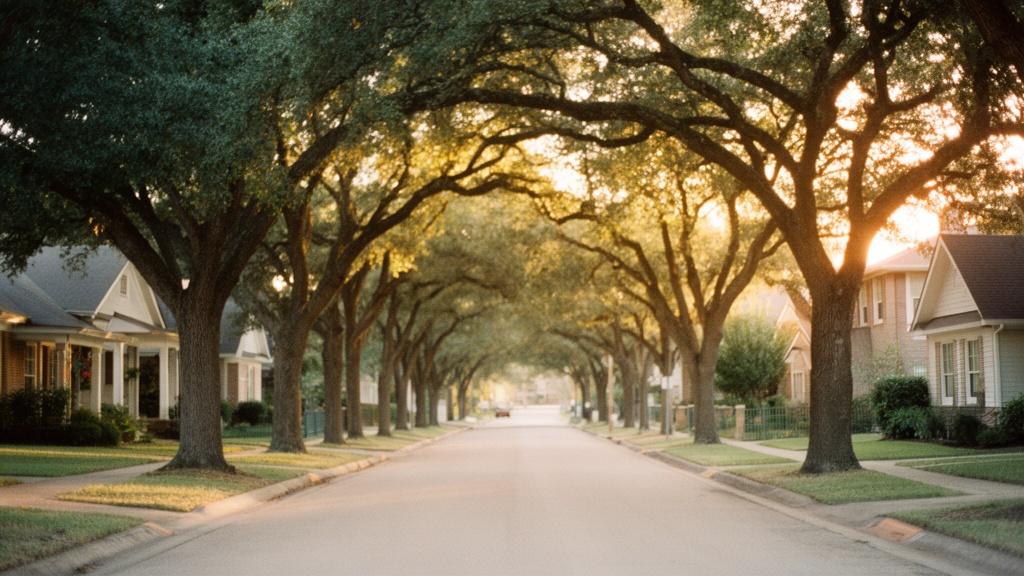
Landscaping matters more than many sellers expect. Arkadelphia's tree canopy and lush yards are genuine assets in listing photos, but overgrown shrubs, dead grass, or a cluttered carport undercut them. A few hundred dollars in mulch, trimming, and seasonal color plantings can shift a buyer's perception significantly.
Staging and Photography in a Small-City Market
Professional photography is not optional in 2026. The vast majority of buyers begin their search online, and the photos are what determine whether they schedule a showing. In Arkadelphia, where many listings still use phone photos or dated images, professional photography is a straightforward way to stand out. Wide-angle shots that capture natural light, clean countertops, and tidy living spaces consistently generate more showing requests.
Staging does not have to mean renting furniture. Even light staging, which means removing excess personal items, rearranging furniture to improve flow, and adding a few neutral accents, can make a meaningful difference. According to the National Association of Realtors, staging has been shown to boost sale prices and reduce time on market, with staged homes selling faster and often for more than comparable unstaged properties. In a market like Arkadelphia where buyers are comparing a limited pool of listings, a home that photographs and shows beautifully has a real competitive advantage.
4. Costs and Net Proceeds: What Sellers Actually Keep
Understanding your net proceeds before you list helps you plan your next move with confidence. Most sellers are surprised by how many line items appear on the closing disclosure, so walking through the numbers early prevents sticker shock at the closing table.
Closing Costs Sellers Pay in Arkansas
Arkansas sellers typically pay the following costs at closing. Real estate commission runs five to six percent of the sale price, split between the listing agent and the buyer's agent. Owner's title insurance, which protects the buyer's ownership interest, is customarily paid by the seller in Arkansas and typically costs between $500 and $1,200 depending on the sale price. Transfer taxes in Arkansas are modest, generally around $3.30 per $1,000 of sale price. Sellers also pay any prorated property taxes owed through the closing date, and sometimes contribute to the buyer's closing costs as a negotiated concession, which is common in Arkadelphia transactions involving FHA or USDA financing.
How to Estimate Your Net Proceeds
Start with your expected sale price, then subtract your remaining mortgage balance, commission, closing costs, and any agreed-upon repair credits or concessions. On a $175,000 sale in Arkadelphia, a seller with a $90,000 mortgage balance might net roughly $72,000 to $76,000 after all costs, depending on the commission structure and concessions negotiated. Your agent can prepare a seller's net sheet that lays out these numbers precisely based on your specific situation before you ever sign a listing agreement.
If you are also buying your next home in the Arkadelphia area or relocating elsewhere in Arkansas, coordinating the timing of your sale and purchase matters. Mandy Ledbetter of Crye Leike Pro Elite Realty regularly helps sellers in Clark County work through these logistics, including bridge scenarios where the sale of the current home funds the down payment on the next one. For a broader look at how the local market is moving, the Arkadelphia real estate market guide on this site covers current price trends and timing in detail.
5. Navigating Offers, Inspections, and Appraisals
Receiving an offer is exciting, but the work is not finished. The period between offer acceptance and closing involves several steps that can affect your final proceeds and your timeline, and knowing what to expect makes each one easier to navigate.
Reading an Offer Beyond the Price
The purchase price is only one piece of an offer. Closing date, financing type, earnest money amount, inspection contingency terms, and any seller concessions requested all affect the net value of the deal and the likelihood it actually closes. In Arkadelphia, a meaningful share of buyers use USDA Rural Development loans, which are available in much of Clark County due to the area's rural designation. USDA loans have specific property condition requirements and appraisal standards that sellers should understand before accepting an offer from a buyer using that financing.
FHA financing is also common in Arkadelphia's price range. FHA appraisals include a health-and-safety component, meaning the appraiser will flag issues like peeling paint on homes built before 1978, missing handrails, or broken windows as conditions that must be repaired before the loan can close. If your home is an older brick ranch or a craftsman bungalow built in the 1960s or 1970s, it is worth walking through the property with your agent's eye for these items before you accept an FHA offer.
The Inspection and Appraisal Process in Clark County
Home inspectors in the Arkadelphia area typically complete their inspection within two to three hours and deliver a written report within twenty-four to forty-eight hours. The buyer's inspector will examine the roof, foundation, electrical panel, plumbing, HVAC, and visible structural elements. Older homes near downtown Arkadelphia and in the College Hill area frequently show aging electrical panels, cast-iron drain lines, or original single-pane windows, all of which inspectors note and buyers may use as negotiation points.
The appraisal follows the inspection and is ordered by the buyer's lender. The appraiser compares your home to recent sales in Arkadelphia and Clark County to confirm that the purchase price is supported by market data. If the appraisal comes in below the contract price, you and the buyer will need to renegotiate: the buyer can pay the difference in cash, you can reduce the price, or you can split the gap. Having an agent who knows the local comparable sales well enough to challenge a low appraisal with additional data is a genuine advantage in this situation.
If you are still in the process of choosing who will represent you through the sale, it is worth taking the time to compare your options carefully. The article on how to compare and vet real estate agents in Arkadelphia walks through exactly what to look for before you sign a listing agreement.
FAQ
How long does it take to sell a home in Arkadelphia, Arkansas?
From the time you decide to sell to the day you close, the full process in Arkadelphia typically takes eight to fourteen weeks. Pre-listing preparation runs two to four weeks, active marketing and offer acceptance generally takes two to four weeks for a well-priced home, and the contract-to-close period is usually thirty to forty-five days. Homes priced accurately and prepared well tend to move faster, while overpriced listings can sit for sixty to ninety days before receiving serious interest, which often results in a lower final sale price.
What are typical closing costs for sellers in Arkadelphia, Arkansas?
Arkansas sellers generally pay real estate commission of five to six percent of the sale price, owner's title insurance (typically $500 to $1,200 depending on the sale price), state transfer taxes of approximately $3.30 per $1,000 of sale price, and prorated property taxes through the closing date. Sellers may also agree to contribute toward the buyer's closing costs as part of the negotiated contract, which is common when buyers are using USDA or FHA financing in Clark County. Your agent can prepare a seller's net sheet before listing so you know your estimated proceeds upfront.
What is the best time of year to sell a home in Arkadelphia, Arkansas?
Late spring through early summer tends to bring the most buyer activity in Arkadelphia, consistent with national patterns. However, Arkadelphia's university calendar creates an additional active window in late July and August, when faculty, staff, and graduate students relocating to OBU or Henderson State are actively searching for homes. Homes near either campus or in neighborhoods with easy access to the universities can benefit from listing during that late-summer period. Your agent can look at current inventory levels and recent absorption rates to help you choose the timing that makes the most sense for your specific property.