← Back to Blog
Market Trends
Evergreen, San Jose Real Estate Market Guide: Prices, Neighborhoods and Timing
By Manjula Sharma
Doorlight · DRE# 02103906
September 18, 2026 · 12 min read
This Evergreen, San Jose real estate market guide covers what you need to know before buying or selling in one of the city's most established hillside districts: current prices, the types of homes available, how the sub-areas differ from one another, and how to read the market calendar so your timing works in your favor.
1. What Makes Evergreen Distinct in the San Jose Housing Market
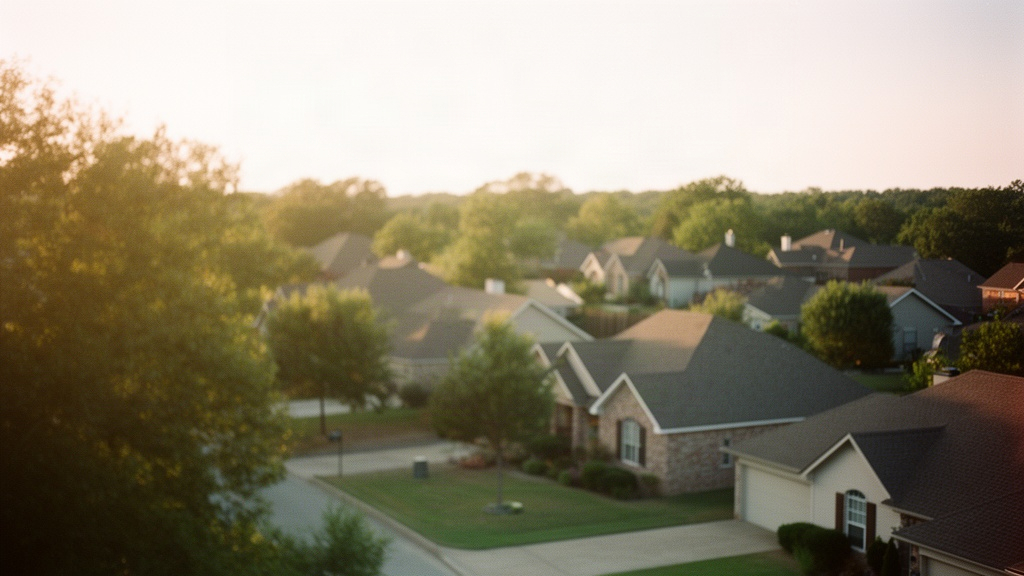
Evergreen sits in the southeastern corner of San Jose, bordered by the Diablo Range foothills to the east and the Silver Creek Valley to the west. It is not a single neighborhood but a collection of planned communities, hillside tracts, and flat valley-floor streets that were built out primarily between the mid-1970s and the early 2000s. That relatively recent construction era means the housing stock is generally well-maintained, with fewer of the deferred-maintenance surprises buyers sometimes encounter in older San Jose districts like Willow Glen or Berryessa.
Geography and Setting
The area is roughly bounded by Quimby Road to the north, the Evergreen Valley Hills to the east, Silver Creek Road to the south, and Yerlan Road and Capitol Expressway to the west. Evergreen Valley College sits near the center of the district and serves as a practical landmark. The Evergreen Hills Open Space, Coyote Creek Trail access points, and Hellyer County Park along Monterey Highway provide significant outdoor space within a short drive. Elevation ranges from roughly 200 feet near Capitol Expressway to over 1,000 feet on the upper hillside streets, which means views, lot sizes, and even microclimates vary considerably depending on where a property sits.
Housing Stock Overview
Single-family detached homes dominate the Evergreen market. The typical home is a two-story, three-to-five bedroom house with an attached two-car garage, built on a lot ranging from about 5,000 to 10,000 square feet on the flatter streets and up to a quarter acre or more on the hillside parcels. Townhomes and attached condos do exist, particularly near Yerlan Road and along the Silver Creek corridor, and they represent a more accessible price point for first-time buyers. True single-story ranch homes are less common here than in Almaden Valley or parts of West San Jose, but they do appear, particularly in the older tracts built in the 1970s near Quimby Road.
2. Evergreen San Jose Real Estate Prices in 2026
Evergreen single-family home prices currently range from roughly $1.1 million for a smaller, flat-lot home on the western edge of the district to $2.2 million or more for a larger hillside property with panoramic views. The broad middle of the market, the three-to-four bedroom homes on standard lots that make up most of the inventory, trades in the $1.3 million to $1.7 million range as of September 2026. That represents a meaningful increase from where prices stood in mid-2024, reflecting both the broader San Jose market's resilience and Evergreen's consistent demand from buyers who want newer construction and hillside settings without leaving the city limits.
The National Association of Realtors reported that home prices increased in 80% of metro areas in the second quarter of 2026, and the San Jose metro was among the markets posting continued appreciation. You can read the full NAR metro-level data in their Q2 2026 report. Evergreen has tracked closely with that broader trend, with well-presented homes in desirable sub-areas still drawing multiple offers when priced correctly.
Median Price Benchmarks
These figures reflect closed sales data for Evergreen-area zip codes, primarily 95148 and 95138, as of September 2026. The median sale price for single-family detached homes currently sits near $1.45 million. Townhomes and attached condos in the same zip codes have a median closer to $820,000 to $900,000, making them one of the more accessible attached-home options in San Jose's southeastern quadrant. Homes on the upper hillside streets, particularly those with views of the Santa Clara Valley, command premiums of 15% to 25% over comparable flat-lot homes, and that premium has held steady through 2026.
Price Variation by Sub-Area
Location within Evergreen matters more than many buyers initially expect. A four-bedroom home on a flat street near Yerlan Road might close at $1.25 million, while a comparable home in square footage on a ridge street in the Evergreen Valley Hills could close at $1.65 million or higher, purely on the strength of the lot, the views, and the perceived privacy. The Silver Creek Country Club corridor, with its golf course frontage and larger custom lots, represents the upper tier of Evergreen pricing, where homes regularly exceed $2 million and occasionally approach $3 million for the most expansive properties.
How Evergreen Compares to the Broader San Jose Market
Across San Jose as a whole, the citywide median for single-family homes is currently near $1.35 million, which means Evergreen's median sits slightly above the city average. That premium reflects the newer construction, the hillside lots, and the larger average square footage compared to older central San Jose neighborhoods. Districts like Willow Glen carry their own premium for different reasons, primarily the bungalow architecture and walkable village character, so the comparison is less about one being more valuable than the other and more about what a buyer is prioritizing. If you are weighing Evergreen against other parts of San Jose, our article on what it is like to live in Willow Glen can help you understand how the two districts differ in character and housing type.
3. Evergreen Neighborhoods: What Each Area Actually Looks Like
Evergreen is not uniform. The district breaks into several distinct pockets, each with its own street character, lot sizes, and price range. Understanding these differences is one of the most practical things a buyer can do before making an offer.
Evergreen Valley Hills and the Upper Slopes
The hillside streets east of Evergreen Valley College represent the most visually dramatic part of the district. Streets like Quimby Road, Yerlan Road as it climbs east, and the upper reaches of Aborn Road pass through terrain where lots are often larger, driveways are steeper, and the views across the Santa Clara Valley can extend to the Santa Cruz Mountains on clear days. Homes here tend to be larger, built in the 1980s and 1990s, with square footage commonly ranging from 2,000 to 3,500 square feet. The tradeoff is distance: a drive from the upper hillside to downtown San Jose takes 25 to 35 minutes depending on traffic, and the nearest grocery and retail options require descending back toward Capitol Expressway or Yerlan Road.
Quito and Silver Creek Corridor
The Silver Creek Valley Road corridor and the streets surrounding Silver Creek Country Club form a distinct enclave within Evergreen. The country club itself anchors an 18-hole golf course, and several streets back directly to the fairways or feature golf course views. Homes in this pocket were largely built in the late 1980s through early 2000s and often feature Mediterranean or Spanish-influenced architecture with tile roofs, stucco exteriors, and interior layouts designed around formal living and dining rooms. Lot sizes here are generous by San Jose standards, frequently 8,000 to 15,000 square feet, and the streetscape is notably wide and landscaped. This is the part of the Evergreen, San Jose real estate market guide that most buyers associate with the district's upper price tier.
East Foothills Fringe and Flatter Streets Near Yerlan Road
The western and northern edges of Evergreen, roughly the streets between Capitol Expressway and Yerlan Road, offer the most accessible price points in the district. Homes here were often built in the 1970s and early 1980s, tend to be single-story or smaller two-story plans, and sit on standard 5,000 to 7,000 square foot lots. The proximity to Capitol Expressway, Eastridge Mall, and the Evergreen branch of the San Jose Public Library makes this part of the district the most convenient for daily errands. Townhome complexes are also concentrated here, offering attached housing in the $800,000 to $950,000 range that represents a realistic entry point for buyers who want the Evergreen zip code without the hillside price tag.
For buyers who will be commuting to downtown San Jose or to tech campuses in Santa Clara, Sunnyvale, or Mountain View, the location within Evergreen has a real impact on daily drive times. Our dedicated article on commute options from Evergreen to downtown San Jose and Silicon Valley tech campuses breaks down the specific routes and times from different parts of the district.
4. Timing the Evergreen Market: When to Buy and When to Sell
Evergreen follows the broader San Jose seasonal pattern, but with some local nuances worth understanding before you decide when to list or when to make an offer.
Spring Listing Season
February through May is consistently the most active period for new listings and buyer activity in Evergreen. Sellers who list in this window benefit from the largest pool of active buyers, and well-priced homes frequently receive multiple offers within the first two weeks. The hillside homes with views photograph particularly well in spring when the hills are green, and that visual advantage translates directly into more online engagement and more showing requests. For sellers, spring is the window that tends to produce the strongest sale prices, particularly for the upper-tier hillside properties.
Summer and Fall Dynamics
June through August sees continued activity but with a somewhat thinner inventory, as many sellers who planned to list have already done so. Buyers who are relocating for a job that starts in August or September often enter the market in June and July, creating a secondary wave of demand. This period can actually be advantageous for buyers because competition, while still real, is less intense than it was in March or April. Fall, from September through November, brings a second listing pulse as sellers who missed spring try again before the holidays. The homes that come to market in September and October in Evergreen are often priced with more negotiating room than spring listings, particularly if they have been sitting unsold since summer.
What September 2026 Looks Like Right Now
Currently, in September 2026, Evergreen is in its fall transition period. Active inventory is slightly higher than it was during the spring peak, and homes are spending a median of 18 to 25 days on market before going into contract, compared to 10 to 14 days during the February-April window. That additional time on market gives buyers a bit more room to conduct thorough inspections and negotiate on condition items, which was harder to do in the spring multiple-offer environment. Sellers listing right now should expect to price carefully: homes priced at or slightly below the most recent comparable sales are still moving, while overpriced listings are sitting and accumulating days on market that will require a price reduction.
San Jose's housing market has continued to outperform many California metros in 2026. HousingWire noted that San Jose's housing market has defied broader national trends, driven by persistent tech-sector employment and a chronically undersupplied housing stock. That structural undersupply is particularly relevant in Evergreen, where the buildable land is essentially exhausted and new construction is nearly nonexistent.
5. What Buyers and Sellers Need to Know Before Acting
Whether you are buying or selling in Evergreen, the specific steps you take before going to market or making an offer have a direct impact on your outcome. This section covers the practical preparation that separates smooth transactions from difficult ones.
For Buyers: What to Prepare
Get fully underwritten pre-approval, not just a pre-qualification letter, before you make any offers in Evergreen. Sellers in this market, particularly on the hillside homes where multiple offers are common in spring, will not take a buyer seriously without documentation that a lender has already reviewed income, assets, and credit. Budget for a thorough home inspection that includes a roof inspection, a sewer lateral inspection, and, for hillside properties, a review of any retaining walls or drainage systems. Hillside lots in Evergreen can have grading and drainage features that require maintenance, and understanding those before you remove contingencies protects you from expensive surprises.
First-time buyers entering the Evergreen market at the townhome or entry-level single-family price point should also review our guide on finding a realtor in San Jose for first-time buyers, which covers how to structure your search and what to expect from the offer process.
For Sellers: What Drives Your Price
In Evergreen, the four variables that most reliably predict your final sale price are: location within the district, lot size and usability, views, and the condition of the kitchen and primary bathroom. Buyers in this price range expect updated kitchens with quartz or stone countertops, stainless appliances, and modern cabinetry. A kitchen that was last updated in 2005 will cost you more in final price than the renovation would have cost you to complete. Conversely, a home with original finishes but a premium hillside lot and unobstructed valley views will often outperform a flat-lot home with a full renovation, because the lot is the one thing a buyer cannot change.
Sellers should also think carefully about agent selection. The Evergreen market rewards agents who know the sub-area comparables precisely, because a $50,000 pricing error in either direction has real consequences. Our article on who is the best listing agent in Evergreen, San Jose walks through what to look for and what questions to ask before signing a listing agreement.
Schools and Research Resources
School attendance zones are one of the most common questions buyers ask about Evergreen, and the answer requires direct research rather than relying on generalized information. Evergreen falls within the Evergreen Elementary School District for K-8 and the East Side Union High School District for grades 9 through 12. Attendance boundaries within both districts are drawn by street address and can change. The authoritative source for current boundary information is each district's own website, and we cover exactly how to use those tools in our dedicated article on researching San Jose Unified and East Side Union High School attendance zones before you buy. Always verify the specific school assigned to a property's address before making a purchase decision.
Understanding how long the purchase process takes from accepted offer to keys is also important for planning your move. Our article on how long it takes to close on a house in San Jose in 2026 gives a realistic timeline so you can coordinate with landlords, movers, and employers without surprises.
FAQ
What is the typical price range for a single-family home in Evergreen, San Jose right now?
As of September 2026, single-family detached homes in Evergreen generally sell between $1.1 million and $2.2 million, with the broad middle of the market concentrated in the $1.3 million to $1.7 million range. Hillside homes with valley views command premiums of 15% to 25% over comparable flat-lot homes. Townhomes and attached condos in the same zip codes, primarily 95148 and 95138, trade in the $820,000 to $950,000 range, representing the most accessible entry point in the district. Pricing varies meaningfully by sub-area, so understanding exactly where a property sits within Evergreen matters as much as the overall market median.
Is Evergreen a good time to buy or sell in September 2026?
September 2026 sits in Evergreen's fall transition window, which has distinct advantages for both sides of a transaction. Buyers benefit from slightly more inventory than spring, longer average days on market (currently 18 to 25 days versus 10 to 14 days in spring), and more room to negotiate on condition items and contingency timelines. Sellers who price at or just below the most recent comparable sales are still moving their homes, while overpriced listings are accumulating days on market. If you are a seller who missed the spring peak, pricing accurately and presenting the home well in September can still produce a strong result before the holiday slowdown in December.
How does the Evergreen real estate market differ from other San Jose neighborhoods?
Evergreen's defining characteristics are its newer construction era (primarily 1975 to 2005), its hillside terrain with valley views, its larger average lot sizes, and its location in the southeastern corner of the city near the Diablo Range foothills. The citywide San Jose median for single-family homes currently sits near $1.35 million, and Evergreen's median of approximately $1.45 million reflects the premium for these features. Unlike older central San Jose neighborhoods such as Willow Glen or Berryessa, Evergreen has essentially no vacant land left to develop, which creates a fixed supply dynamic that tends to support prices over time. The district also has a distinct commute profile: driving times to downtown San Jose run 20 to 35 minutes depending on which part of Evergreen you are in, and access to Highway 101 and Highway 85 varies by sub-area.