← Back to Blog
Market Trends
San Jose, California Is Best Known Real Estate Market Guide: Prices, Neighborhoods and Timing
By Manjula Sharma
Doorlight · DRE# 02103906
September 30, 2026 · 10 min read
San Jose, California is best known as the economic engine of Silicon Valley, and its real estate market reflects that status in nearly every price point and property type. Whether you are buying your first home, selling a property you have owned for years, or relocating from out of state, understanding how this market actually works, what things cost, where inventory sits, and when to move, is the difference between a smooth transaction and an expensive mistake. This guide covers all of it.
1. What Makes San Jose's Real Estate Market Distinct
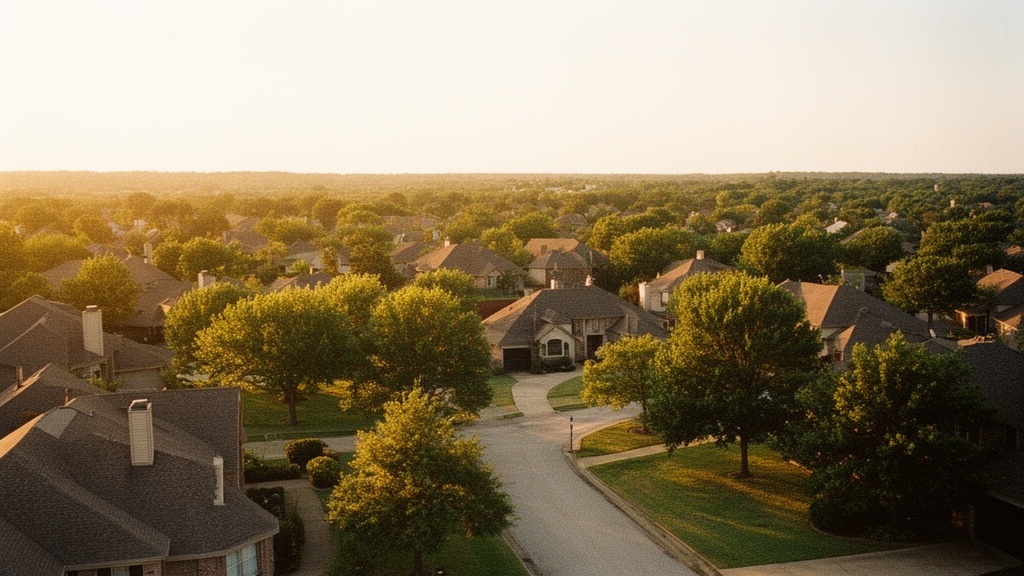
San Jose's real estate market is one of the most consequential in the United States. The city covers roughly 180 square miles and is home to about one million residents, making it the largest city in Northern California by population. Its proximity to the headquarters of Apple, Google, Cisco, Intel, and dozens of other technology companies creates sustained, high-income demand for housing that has kept prices elevated even during national downturns.
A Market Shaped by Tech and Geography
The Santa Clara Valley geography matters enormously here. The Diablo Range to the east and the Santa Cruz Mountains to the west physically constrain how far the city can expand. That geographic pressure, combined with restrictive zoning that favored single-family housing for decades, means supply has never kept pace with demand. The result is a market where even modest homes command prices that would be considered luxury in most of the country.
San Jose also benefits from proximity to Caltrain stations, BART's Berryessa and Milpitas stops, and Highway 101, Interstate 280, and Interstate 880, giving residents multiple commute corridors to reach employment centers throughout the Bay Area. That connectivity is priced into homes near transit, particularly in North San Jose and the Berryessa district.
Price Floors That Surprise Out-of-State Buyers
Buyers relocating from outside California consistently underestimate what the entry point looks like. Finding a detached single-family home anywhere in San Jose for under $900,000 is rare in September 2026, and most move-in-ready homes in established neighborhoods start well above $1.1 million. Condos and townhomes represent the primary path to homeownership for buyers working with budgets under $900,000. Understanding this price floor before you begin your search saves weeks of recalibration.
San Jose's sustained price strength has been documented nationally. As HousingWire has reported, San Jose's housing market has consistently outperformed broader national trends, driven by the concentration of high-income employment and the structural scarcity of buildable land.
2. Current Prices Across San Jose's Housing Types
Prices in San Jose vary meaningfully by property type, location within the city, lot size, and age of construction. As of September 2026, the broad price ranges below reflect what is actually transacting in the market. These are not list prices; they are the ranges where deals are closing.
Single-Family Homes
The median sale price for a detached single-family home in San Jose sits in the range of $1.35 million to $1.55 million as of September 2026, depending on the district. Homes in the flatlands of East San Jose and Berryessa tend to close at the lower end of that range, typically between $1.1 million and $1.3 million for a three-bedroom home built in the 1960s or 1970s on a 5,000 to 7,000 square foot lot. Homes in hillside neighborhoods like Almaden Valley or Evergreen, where lots run larger and newer construction is more common, often close between $1.5 million and $2.2 million.
Willow Glen and Rose Garden, two of the city's most architecturally distinctive neighborhoods, command premiums for their bungalows, Craftsman homes, and Spanish Colonial Revival properties. A well-maintained three-bedroom Craftsman on a tree-lined street in Willow Glen regularly closes above $1.6 million. Larger homes with updated kitchens and bathrooms in Rose Garden routinely exceed $2 million.
Condos and Townhomes
Condos and townhomes give buyers access to San Jose at a lower entry price, though HOA fees are a real cost to factor in. A one-bedroom condo in North San Jose or near downtown currently closes in the $550,000 to $750,000 range. Two-bedroom townhomes with attached garages in neighborhoods like Cambrian, Blossom Hill, or Almaden typically close between $800,000 and $1.05 million. Monthly HOA fees across San Jose's condo and townhome communities generally run between $350 and $650, covering exterior maintenance, common areas, and in many cases water and trash.
What Drives Price Variation Within the City
Four variables explain most of the price variation you see within San Jose: lot size, year built, distance to freeway noise, and kitchen and bathroom condition. A 1,500 square foot home on a 6,000 square foot lot with original 1970s finishes will close at a meaningful discount to an identical footprint that has been fully updated. Buyers who understand this dynamic can find value in cosmetically dated homes in strong locations, while sellers who have invested in pre-listing updates consistently see stronger returns.
3. Neighborhood Housing Stock: What You Actually Get for the Money
San Jose's neighborhoods each have a distinct physical character, and knowing what the housing stock looks like before you tour helps you set realistic expectations. The city's 10 council districts contain dozens of named neighborhoods, each with its own mix of lot sizes, construction eras, and proximity to parks, retail, and transit. Here is what buyers and sellers encounter most often in the city's major districts.
Berryessa and North San Jose
Berryessa sits in the northeastern part of the city and is anchored by the BART Berryessa station, which opened in 2020 and connects directly to Oakland and San Francisco. The housing stock here is predominantly single-family homes built between the 1950s and 1980s, typically ranging from 1,200 to 1,800 square feet on lots of 5,000 to 7,000 square feet. Alum Rock Park, one of the oldest county parks in California at over 700 acres, sits on the eastern edge of the district and provides hiking and creek access. Buyers interested in this area can read more in the Berryessa realtor guide published on this site.
Willow Glen and Rose Garden
Willow Glen is one of San Jose's most architecturally varied neighborhoods, with a walkable Lincoln Avenue corridor lined with independent restaurants, coffee shops, and boutiques. Homes here range from 1920s bungalows to mid-century ranches to newer infill construction, and lot sizes vary considerably, from under 5,000 square feet on the older blocks to 8,000 square feet or more on the wider streets south of Willow Street. Rose Garden, centered around the San Jose Municipal Rose Garden on Naglee Avenue, features larger lots and a higher proportion of Spanish Colonial and Mediterranean Revival homes from the 1920s and 1930s.
Almaden Valley and Evergreen
Almaden Valley occupies the southwestern corner of San Jose and is characterized by newer tract homes built primarily between the 1970s and 1990s, many with three to five bedrooms and lots of 6,000 to 10,000 square feet. Almaden Lake Park provides a 30-acre reservoir, walking trails, and picnic areas within the neighborhood itself. Evergreen, on the southeastern hillside, features similar construction eras but with more pronounced topography; many homes have hillside views and larger lots. Calero County Park and Coyote Lake-Harvey Bear Ranch County Park are both accessible from Evergreen within 15 to 20 minutes by car.
Downtown and Midtown Corridors
Downtown San Jose and the surrounding Midtown area are where condo and high-density housing dominates. SAP Center, the San Jose Museum of Art, the California Theatre, and the San Pedro Square Market are all within walking distance of the core. The Diridon Station area is undergoing significant redevelopment, with mixed-use projects adding residential units alongside retail and office space. Buyers considering this area should review the 2026 new development guide for a detailed look at what is being built and when units are expected to come to market.
4. Timing the San Jose Market: When to Buy and When to Sell
Timing in San Jose is not just about the calendar. It is about inventory levels, interest rate expectations, and how motivated competing buyers are at any given moment. That said, the city does follow recognizable seasonal patterns that buyers and sellers can use to their advantage.
Seasonal Patterns in Inventory and Demand
Spring, from roughly late February through May, is historically the highest-volume listing season in San Jose. More homes come to market, but buyer competition also intensifies, and multiple-offer situations are most common during this window. Summer sees some softening in new listings as families manage school schedules and vacations, though serious buyers remain active. Fall, from September through November, is the second most active selling season and often produces strong results for sellers because inventory drops while motivated buyers, particularly those who missed spring, are still searching.
What the Fall 2026 Window Looks Like for Sellers
September 2026 represents a meaningful opportunity for sellers who are ready to move. Inventory in San Jose remains constrained relative to the number of active buyers, which means well-priced, well-presented homes are still generating competitive interest. Sellers who are weighing whether to list now or wait until spring 2027 can find a detailed breakdown of that decision in the fall versus spring timing analysis published on this site.
How Long Transactions Take
A standard purchase transaction in San Jose from accepted offer to close of escrow typically takes 21 to 30 days when financing is involved, and 14 to 21 days for all-cash purchases. The pre-listing preparation period for sellers, which includes any repairs, staging, professional photography, and disclosure preparation, generally adds two to six weeks before a home hits the market. Buyers who need to sell their current home before purchasing should plan for a total timeline of three to five months from the decision to move to keys in hand.
5. What Buyers and Sellers Need to Know Before They Act
The San Jose real estate market rewards preparation. Buyers who have their financing in order and understand local offer customs, and sellers who price accurately from day one, consistently achieve better outcomes than those who approach the process reactively.
Costs Beyond the Purchase Price
Buyers in San Jose should budget for closing costs that typically run between 1.5% and 3% of the purchase price on top of the down payment. On a $1.4 million purchase, that is $21,000 to $42,000 in closing costs covering lender fees, title insurance, escrow fees, and prepaid property taxes and insurance. For a full breakdown of who pays what, the San Jose buyer closing costs guide covers every line item in detail.
Sellers face their own cost structure. San Jose's city transfer tax is $3.30 per $1,000 of sale price, and the county adds another $1.10 per $1,000. On a $1.5 million sale, that is approximately $6,600 in city transfer tax alone, before agent commissions, escrow, and title fees are factored in. The full breakdown of transfer taxes and seller fees is covered in the San Jose transfer tax guide on this site.
New Development and Its Effect on Resale Inventory
San Jose has approved and broken ground on a significant number of new housing units in the Diridon Station area, along North First Street, and in several mixed-use corridors near downtown. These new units are adding supply to a market that has been undersupplied for years, but the pace of delivery is gradual. Most of the units coming online in late 2026 and into 2027 are apartments and condos rather than detached single-family homes, which means the resale market for houses remains tighter than the overall inventory numbers suggest.
San Jose's price trajectory also reflects broader California premium market dynamics. Analysis from HousingWire on California's premium market divergence shows that markets like San Jose, where high-income employment is concentrated, have maintained stronger price floors than mid-tier California markets during periods of rate volatility, because the buyer pool has more financial cushion.
Working With a Local Expert
San Jose's market moves quickly and the customs around offers, disclosures, and contingencies are specific to the Bay Area. Buyers who have previously purchased in other states are often surprised by how the disclosure process works here, how common it is to waive certain contingencies in competitive situations, and how much the agent's local knowledge affects the outcome of a negotiation. Sellers benefit equally from working with someone who has current, transaction-level data on comparable sales rather than relying on automated estimates that often lag the market by weeks.
Manjula Sharma of Doorlight works with buyers, sellers, and relocating families throughout San Jose and the surrounding Silicon Valley cities. Her knowledge of the city's neighborhoods, pricing patterns, and transaction process is grounded in current market activity, not generic advice.
FAQ
What is the median home price in San Jose, California right now?
As of September 2026, the median sale price for a detached single-family home in San Jose is in the range of $1.35 million to $1.55 million, depending on the neighborhood and property condition. Condos and townhomes provide a lower entry point, with two-bedroom units typically closing between $800,000 and $1.05 million. Prices vary meaningfully across the city's districts, with flatland neighborhoods in East San Jose and Berryessa generally closing at the lower end of the single-family range, while hillside areas like Almaden Valley and Evergreen command higher prices. Updated kitchens, bathrooms, and lot size all have a measurable effect on where a specific home lands within its neighborhood's price range.
Is it a good time to buy or sell a home in San Jose in 2026?
For sellers, September 2026 represents a solid window because inventory remains constrained and motivated buyers who missed the spring season are still active. For buyers, the market continues to favor sellers in most price ranges, but interest rate conditions and the gradual addition of new condo and townhome inventory are providing slightly more negotiating room than existed in 2024 and 2025. Buyers who are financially prepared and working with an agent who understands local offer customs are best positioned to compete effectively. The decision to act now versus waiting depends heavily on your specific property, budget, and timeline, which is why a conversation with a local agent is the most useful first step.
Which neighborhoods in San Jose have the most housing inventory for buyers?
North San Jose, Berryessa, and the areas surrounding downtown tend to carry more condo and townhome inventory than the city's hillside neighborhoods like Almaden Valley and Evergreen, where detached single-family homes turn over less frequently. Willow Glen and Rose Garden have low inventory relative to demand because homeowners in those neighborhoods tend to stay for long periods, attracted by the neighborhood's walkability and architectural character. East San Jose and the Blossom Hill corridor offer more frequent turnover of single-family homes in the $1.1 million to $1.4 million range. Buyers with flexibility on neighborhood should discuss their priorities with a local agent to match housing stock characteristics with their practical needs around commute, lot size, and property type.