← Back to Blog
Market Trends
San Jose, California Real Estate Market Guide: Prices, Neighborhoods and Timing
By Manjula Sharma
Doorlight · DRE# 02103906
September 17, 2026 · 11 min read
If you are trying to make sense of the San Jose, California real estate market guide of prices, neighborhoods and timing, you are in the right place. San Jose is one of the most dynamic housing markets in the country, shaped by Silicon Valley employment, limited land for new construction, and demand that rarely softens for long. This guide covers what homes cost right now, how the major neighborhoods differ in price and character, and how to think about timing whether you are buying, selling, or relocating.
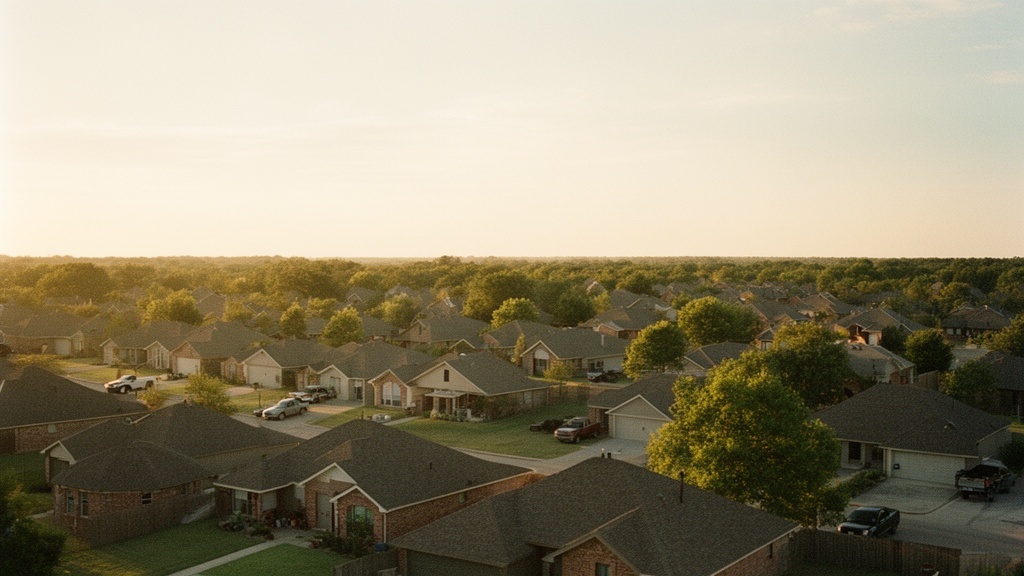
1. San Jose Housing Market Snapshot: September 2026
San Jose remains one of the most expensive and most resilient housing markets in the United States. As of September 2026, the median sale price for a single-family home in San Jose sits at approximately $1.48 million, up from roughly $1.39 million in September 2025. Condos and townhomes are trading at a median closer to $820,000, which represents the more accessible entry point into city ownership.
Inventory has loosened slightly compared to the post-pandemic lows of 2022 and 2023, but the city still averages fewer than 30 days on market for well-priced single-family homes. Multiple-offer situations remain common in the $1.1 million to $1.6 million range, which captures the largest share of transactions citywide.
Median Prices Right Now
Breaking prices down by property type gives a clearer picture. Single-family homes in the city's eastern neighborhoods, such as Berryessa and Evergreen, generally trade between $1.1 million and $1.45 million for three-bedroom homes on standard lots of 5,000 to 7,000 square feet. West San Jose and the Cambrian area push toward $1.6 million to $2.1 million for comparable square footage. Almaden Valley and the Los Gatos border corridor regularly see listings above $2 million for four-bedroom homes on larger lots.
Price per square foot across the city currently averages around $710 for single-family homes, though that number climbs above $850 in Willow Glen and Almaden Valley, where lot sizes and neighborhood character command a premium.
How San Jose Compares to the Broader California Market
San Jose consistently outpaces most California metros in both price and price appreciation. HousingWire has noted that San Jose's housing market defies broader national trends, driven by persistent demand from the technology sector and a structural shortage of buildable land within city limits. While Sacramento and the Inland Empire have seen more price volatility, San Jose's floor has held firm even during periods of rising mortgage rates.
For context, the statewide California median sits near $880,000 as of September 2026. San Jose's median is roughly 68 percent above that figure, reflecting the city's position at the center of the global technology economy.
2. San Jose Neighborhoods: What the Housing Stock Actually Looks Like
San Jose covers 180 square miles and contains dozens of distinct neighborhoods, each with its own housing stock, lot sizes, price ranges, and proximity to employment corridors. Understanding what each area physically offers is the starting point for any serious search.
Evergreen and Berryessa: East Side Price Points and Lot Sizes
Evergreen sits in the eastern foothills and contains some of the city's most recognizable planned subdivisions, built primarily from the late 1970s through the mid-1990s. Homes here tend to be two-story, three-to-four bedroom properties on lots ranging from 5,000 to 9,000 square feet. Prices in Evergreen cluster between $1.2 million and $1.7 million depending on square footage and views. The Silver Creek Valley Country Club corridor pushes higher, with some homes on the golf course exceeding $2.5 million.
Berryessa, in the city's northeast quadrant, features a mix of ranch-style homes from the 1960s and 1970s alongside newer infill construction. Lot sizes here tend to be slightly larger than in more central neighborhoods, often 6,000 to 8,500 square feet, and the area sits adjacent to Berryessa BART station, which opened the Orange Line extension in 2020. That transit access has drawn renewed buyer interest and supported price appreciation in the $1.1 million to $1.4 million range for standard three-bedroom homes. If you want a deeper look at working with an agent who knows this corridor well, see our article on finding a Realtor in Berryessa with a strong track record.
Willow Glen and Almaden Valley: Established Neighborhoods with Distinct Inventory
Willow Glen is one of San Jose's most architecturally varied neighborhoods, with bungalows and craftsman homes from the 1920s and 1930s sitting alongside Spanish colonial revivals and mid-century ranches. Lincoln Avenue serves as the commercial spine, lined with independent restaurants, coffee shops, and specialty retailers. Lot sizes in Willow Glen's core are typically 5,000 to 7,500 square feet, and homes in the $1.5 million to $2.2 million range are the norm for three-to-four bedroom properties. The neighborhood sees strong demand from buyers who want walkability and older architectural character within city limits.
Almaden Valley occupies the southwestern corner of San Jose, bordered by the Santa Cruz Mountains and Almaden Quicksilver County Park, which offers over 4,000 acres of hiking and equestrian trails. Housing here is predominantly single-story and two-story suburban homes built between the 1960s and 1990s, on lots that frequently range from 7,000 square feet to a quarter acre. The price range for a four-bedroom home runs from roughly $1.7 million to $2.6 million, with homes backing to open space or on cul-de-sacs at the higher end. For more on selling in this part of the city, our piece on listing agents in Almaden Valley covers what to look for in representation.
Downtown San Jose and North San Jose: Condos, Townhomes and New Construction
Downtown San Jose and the North San Jose corridor along North First Street offer the city's highest concentration of condos and townhomes. Condo prices downtown range from about $550,000 for a one-bedroom unit to $1.1 million for a larger two-bedroom with parking. The SAP Center, San Pedro Square Market, and the Diridon Station transit hub anchor this part of the city, and the planned Google campus near Diridon has continued to influence buyer and investor interest in the surrounding blocks.
North San Jose, sometimes called North First Street tech corridor, contains a higher share of newer townhome communities built after 2010, typically priced between $900,000 and $1.3 million for two-to-three bedroom units. These properties appeal to buyers who want newer construction and proximity to major tech campuses without a single-family home price tag.
3. Commute Times, Amenities and What You Are Actually Buying Into
In San Jose, the neighborhood you choose determines a lot more than aesthetics. It shapes your daily commute, your access to open space, and how much of your budget goes toward transportation costs on top of your mortgage.
Getting Around: Caltrain, BART, and Highway Access
San Jose is served by two major rail systems that matter to commuters. Caltrain runs along the western side of the city through the Diridon Station, connecting San Jose to Mountain View in about 20 minutes, Palo Alto in roughly 30 minutes, and San Francisco in approximately 60 to 75 minutes. BART's Orange Line extension reaches Berryessa station and connects to Milpitas and Fremont, with service into Oakland and San Francisco taking around 60 to 80 minutes depending on the destination.
By car, Highway 101, Interstate 280, and Highway 85 are the primary arteries. A commute from Evergreen to the Apple Park campus in Cupertino runs approximately 25 to 40 minutes in normal traffic. Almaden Valley to downtown San Jose is about 20 minutes. North San Jose to Santa Clara's tech campuses along Central Expressway can be as short as 10 to 15 minutes, which is one reason that corridor commands a price premium relative to its housing age.
Parks, Open Space and Everyday Amenities
San Jose has over 200 parks within city limits and borders several major open space preserves. Almaden Quicksilver County Park is the largest, at over 4,000 acres, and is accessible from the southern end of the city. Alum Rock Park in the east covers nearly 720 acres with canyon trails and picnic areas. Kelley Park in central San Jose contains the Happy Hollow Park and Zoo, a popular destination for families with young children. Guadalupe River Trail runs through the city's core and connects to the Los Gatos Creek Trail for cyclists and pedestrians.
For everyday shopping, Westfield Oakridge Mall anchors the south side, Eastridge Center serves the east side, and Santana Row in the neighboring city of Santa Clara offers a walkable mix of retail and dining just over the San Jose border. San Jose also contains Japantown, one of only three remaining Japantowns in the United States, along Sixth and Seventh Streets near downtown, with independent businesses, cultural institutions, and a weekend farmers market.
4. Timing the San Jose Market: When to Buy and When to Sell
Timing in San Jose follows recognizable seasonal patterns, but the city's tech-driven demand means those patterns are less pronounced than in slower markets. Knowing the rhythm still gives buyers and sellers a real edge.
Seasonal Patterns in San Jose
Spring, from March through May, is the highest-volume listing season in San Jose. Inventory peaks, buyer competition is strongest, and homes sell fastest during this window. Sellers who list in late February or early March often capture the most competitive offers. Buyers entering the spring market should expect to move quickly and come in with strong pre-approval letters and minimal contingencies on well-priced homes.
Summer brings a modest slowdown in July and August as families manage school transitions and vacations, but San Jose never fully stalls. September, the current month, marks the beginning of a second active window that runs through November. Buyers who missed the spring rush often find slightly less competition in the fall, while sellers still benefit from motivated buyers trying to close before the year ends. December and January are the quietest months, with the fewest listings and the fewest buyers, though serious buyers in that window face less competition.
What Rising Rates and Inventory Shifts Mean for Your Decision
Mortgage rates have remained elevated through most of 2026, hovering in the mid-to-upper 6 percent range for a 30-year fixed loan. That has pushed some buyers to the sidelines and given others more negotiating room than they would have had in 2021 or 2022. The National Association of Realtors has documented that home prices continue rising in premium markets even as affordability pressure mounts nationally, and San Jose fits that pattern. Waiting for rates to drop significantly before buying has cost many would-be buyers meaningful appreciation over the past several years.
For sellers, the current environment rewards accurate pricing above all else. Overpriced homes sit longer, collect price reductions, and often sell below what a well-priced listing would have achieved in the first two weeks. The gap between a home priced correctly and one priced optimistically has widened compared to the frenzied market of 2021 and 2022.
5. Practical Steps for Buyers and Sellers in San Jose Right Now
Whether you are buying or selling, the San Jose market rewards preparation. The steps that matter most are not complicated, but skipping them is expensive.
For Buyers: What to Expect in Offers and Negotiations
Get fully underwritten pre-approval before you tour homes. In San Jose, sellers reviewing multiple offers will frequently discount a buyer who has only a pre-qualification letter. A full underwriting approval, where the lender has verified income, assets, and credit, carries substantially more weight and can be the deciding factor when offers are otherwise close.
Know your contingency strategy before you write an offer. Inspection contingencies are common and generally accepted, but financing contingency periods are often shortened to 17 days or fewer in competitive situations. Appraisal gap coverage, where a buyer agrees to cover a portion of any gap between the appraised value and the purchase price, has become a standard tool in San Jose offers above $1.3 million. Working with an agent who has written dozens of successful offers in your target neighborhood is worth more than any online offer calculator. Our guide on what to ask before hiring a real estate agent in San Jose outlines the specific questions that separate experienced agents from the rest.
For Sellers: Pricing Strategy in a Competitive Market
Pricing strategy in San Jose is neighborhood-specific and sometimes block-specific. A comparative market analysis that draws from sales within the past 90 days and within a half-mile radius is the minimum standard. Broader comparisons, such as pulling comps from across the entire city or from sales more than six months old, will produce a number that either leaves money on the table or causes the home to sit unsold.
Presentation matters at every price point in San Jose. Professional photography, pre-sale staging, and completing deferred maintenance items before listing consistently produce higher sale prices and shorter market times. Sellers who invest $5,000 to $15,000 in preparation frequently recover three to five times that amount in the final sale price compared to as-is listings in the same neighborhood. For sellers specifically in Willow Glen, our article on experienced home selling agents in Willow Glen goes deeper on what the listing process looks like in that neighborhood.
Disclosure is thorough in California. Sellers in San Jose are required to complete the Transfer Disclosure Statement, a Natural Hazard Disclosure report, and in many cases a Seller Property Questionnaire covering everything from HOA status to known defects. Having these documents ready before the first offer arrives shortens escrow timelines and reduces the risk of a buyer backing out mid-transaction.
FAQ
What is the current median home price in San Jose, California?
As of September 2026, the median sale price for a single-family home in San Jose is approximately $1.48 million, while condos and townhomes have a median closer to $820,000. Prices vary significantly by neighborhood: east side areas like Berryessa and Evergreen generally trade between $1.1 million and $1.45 million for three-bedroom homes, while Almaden Valley and Willow Glen regularly see listings above $1.7 million. Price per square foot across the city averages around $710 for single-family homes, rising above $850 in the more established western and southern neighborhoods. These figures shift month to month, so working with a local agent who tracks current comps is the most reliable way to calibrate your expectations.
Is it a good time to buy a home in San Jose in 2026?
Whether September 2026 is the right time to buy depends on your financial position, how long you plan to stay, and your target neighborhood. Mortgage rates in the mid-to-upper 6 percent range have reduced competition compared to 2021 and 2022, giving some buyers more room to negotiate than they would have had then. San Jose prices have continued to appreciate even during periods of elevated rates, which means waiting for conditions to improve has historically cost buyers more in appreciation than they saved by delaying. The fall window, running from September through November, tends to see slightly less buyer competition than the spring peak while still offering meaningful inventory. A pre-approval and a clear budget are the first steps regardless of timing.
How do I research schools and neighborhood information for San Jose?
School and neighborhood research is best done directly through primary sources rather than third-party ranking sites, which can be outdated or use methodologies that do not match your priorities. For school information, the California Department of Education at cde.ca.gov publishes enrollment data, program offerings, and test score information by school. The Santa Clara County Office of Education also maintains district-level resources. For neighborhood-level information such as zoning, planned development, and municipal services, the City of San Jose's Planning Division at sanjoseca.gov is the authoritative source. Visiting neighborhoods at different times of day, talking to neighbors, and reviewing city council meeting minutes for the relevant district are all practical steps that no ranking website can replicate.