← Back to Blog
Market Trends
Homes for Sale in Cincinnati: Buyer & Seller Guide
By Maranda Solomon
August 22, 2026 · 6 min read
Whether you are searching for homes for sale in Cincinnati for the first time or preparing to list your property, the August 2026 market has some important dynamics you need to understand before making any decisions. Cincinnati offers a wide range of housing options, from century-old Craftsman bungalows in Oakley to newer construction in Mason and Liberty Township, and the conditions shaping each of those submarkets right now are not uniform. This guide breaks down what is actually happening with inventory, pricing, and buyer demand across the Greater Cincinnati area.
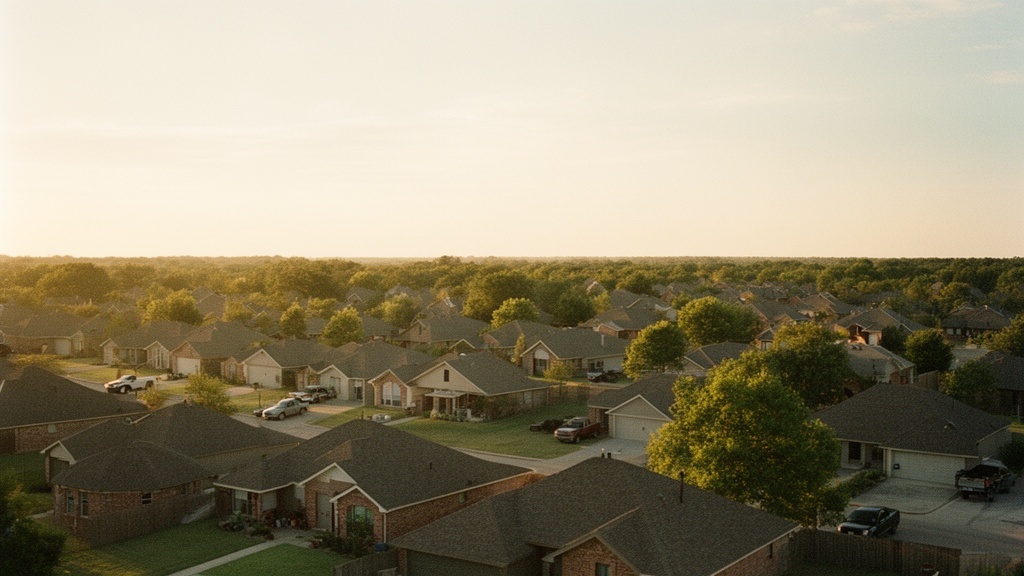
1. The State of the Cincinnati Housing Market in August 2026
Cincinnati has been one of the more closely watched Midwest markets this year. According to HousingWire's coverage of Midwest markets coming in hot for 2026, the Greater Cincinnati area entered this year with strong demand fundamentals, driven in part by its relative affordability compared to coastal metros and a steady base of employer activity anchored by companies like Procter and Gamble, Kroger, and Cincinnati Children's Hospital Medical Center.
Inventory Trends Across the Metro
Inventory remains the defining story. The number of active listings across Hamilton, Warren, and Clermont counties is still below historical averages for this time of year, which means buyers searching for homes for sale in Cincinnati are often competing for a smaller pool of properties than they might expect. Certain price points, particularly single-family homes priced between $250,000 and $400,000, tend to move quickly when they are priced and presented well.
Above the $500,000 mark, the picture is more nuanced. Homes in that range are sitting longer, and sellers in areas like Hyde Park, Indian Hill, and Anderson Township are increasingly adjusting list prices to meet buyers where they are. This creates real opportunity for buyers who have done their research and come in prepared.
What Price Cuts Actually Signal
A price reduction is not always a red flag. In many cases it reflects a seller who initially tested the market at an optimistic number and is now aligning with what comparable sales actually support. HousingWire's analysis of limited inventory and price cuts shaping Cincinnati's market notes that price adjustments in certain segments are a healthy correction rather than a sign of distress. For buyers, a price cut on a well-located property can represent a genuine opening.
2. Cincinnati Neighborhoods and Housing Stock Worth Knowing
One of the things that makes searching for homes for sale in Cincinnati genuinely interesting is the variety of housing stock available within a relatively compact geography. You can find a brick Victorian rowhouse, a mid-century ranch on a half-acre lot, and a brand-new townhome all within a thirty-minute drive of downtown.
Inside the Loop: Historic Urban Neighborhoods
Neighborhoods like Oakley, Mount Lookout, Columbia-Tusculum, and Northside feature housing stock that dates back to the late 1800s and early 1900s. You will find Craftsman bungalows, Queen Anne Victorians, and brick two-flats on tree-lined streets, many with original woodwork and updated kitchens. Lot sizes in these areas tend to be smaller, often between 3,000 and 6,000 square feet, and walkability to local restaurants, coffee shops, and parks like Ault Park is a practical feature of daily life.
Price ranges in these urban neighborhoods vary considerably by condition and exact location. Entry-level properties in need of renovation can be found in the $180,000 to $250,000 range, while fully updated homes on desirable streets in Hyde Park or Mount Lookout regularly list above $600,000. Understanding which blocks and which condition categories align with your budget is something a local agent can help you navigate precisely.
Northern Suburbs and New Construction
Warren County communities like Mason, Lebanon, and Springboro offer a different profile entirely. Lots here tend to be larger, often a quarter to a full acre, and the housing stock skews newer, with many homes built between 1990 and the present. Commutes to downtown Cincinnati from Mason run approximately 30 to 40 minutes via I-71, depending on time of day.
New construction activity has picked up in this corridor. Builders including PulteGroup have been expanding their Cincinnati-area footprint, bringing additional inventory to submarkets that have been undersupplied. If you are open to new construction, communities in Liberty Township and West Chester Township are worth adding to your search alongside resale listings.
3. Buying Homes for Sale in Cincinnati: What to Expect
Buying in this market requires preparation, not just enthusiasm. The homes that are priced correctly and in good condition are still drawing multiple offers in many Cincinnati zip codes. Coming in with a pre-approval letter and a clear sense of your target price range puts you in the strongest possible position.
Getting Pre-Approved in a Competitive Market
A pre-approval is different from a pre-qualification, and sellers know the difference. A pre-approval involves a lender actually verifying your income, assets, and credit before issuing a letter. In a market where desirable listings can go under contract within days, having that documentation ready when you find the right property can be the deciding factor.
Work with a lender who is familiar with Ohio-specific programs. The Ohio Housing Finance Agency offers down payment assistance programs that are available to qualifying buyers in Hamilton and surrounding counties, and many first-time buyers in Cincinnati are not aware these options exist until they are already deep into the process.
How to Evaluate a Cincinnati Property
Cincinnati's older housing stock comes with specific considerations. Homes built before 1978 may contain lead paint, and many properties in the urban core have aging sewer laterals that are worth inspecting. A thorough home inspection from a licensed Ohio inspector, combined with a sewer scope on older properties, gives you a clear picture of what you are actually buying.
Also pay attention to the topography. Cincinnati is a city of hills, and some properties sit on slopes that affect drainage, foundation stability, and even driveway usability in winter. These are not reasons to avoid a property outright, but they are details to understand before you make an offer.
4. Selling Your Cincinnati Home in August 2026
If you are on the sell side, the current Cincinnati market rewards sellers who are strategic, not just optimistic. Properly positioned listings priced in line with recent comparable sales are still generating strong activity even in August, while homes priced at the right level from the start consistently outperform the rest of the market.
Pricing Strategically in a Mixed Market
Pricing is the single most important decision you will make as a seller. In a market where some segments have softened and others remain tight, a comparative market analysis needs to be granular: the right comparable sales are from your specific neighborhood, in similar condition, sold within the last 60 to 90 days. A broad estimate will not give you the precision you need.
Starting at the right price from day one is the most effective strategy. A home that launches at the right price builds momentum quickly and sustains buyer confidence throughout the process. Starting at the right number generates more showings, more offers, and often a better final outcome.
Presentation and Timing
Professional photography is not optional in this market. The overwhelming majority of buyers searching for homes for sale in Cincinnati begin their search online, and the quality of your listing photos determines whether they schedule a showing or keep scrolling. Decluttering, deep cleaning, and addressing any obvious deferred maintenance before photos are taken will directly affect how your home performs in its first week on the market.
Timing within the month also matters. Listings that go live on a Thursday or Friday tend to capture weekend showing traffic, which is when the largest number of buyers are actively touring. Coordinating your go-live date with your agent to maximize that first-weekend exposure is a practical step that costs nothing.
FAQ
What is the average home price in Cincinnati right now?
As of August 2026, the median sale price for single-family homes across the Greater Cincinnati metro sits in the range of $280,000 to $320,000, though this varies significantly by submarket. Urban neighborhoods closer to downtown, like Hyde Park or Oakley, tend to run higher, while communities in Norwood, Cheviot, or parts of Hamilton County's western side offer entry points below $200,000. Warren County suburbs like Mason and West Chester Township generally fall in the $350,000 to $500,000 range for move-in-ready homes. The best way to get an accurate picture for a specific area or property type is to review recent comparable sales with a local agent who tracks those numbers weekly.
Is it a good time to buy a home in Cincinnati in 2026?
Market timing is a personal decision that depends on your financial situation, how long you plan to stay in the home, and what you are looking for in terms of location and property type. What is clear in August 2026 is that Cincinnati's market has areas of opportunity, particularly in higher price ranges where sellers are more willing to negotiate and days on market have increased. Buyers who are pre-approved, working with an agent who knows the specific submarkets well, and prepared to move decisively on correctly priced properties are finding success. Whether it is the right time for you specifically depends on factors a conversation with a lender and a local real estate agent can help you work through.
How long does it take to buy a home in Cincinnati?
From the time you start actively touring homes to the day you close, the process in Cincinnati typically takes anywhere from 30 to 90 days, depending on how quickly you find the right property and what financing you are using. Once you are under contract, a conventional loan transaction generally closes in 30 to 45 days, while FHA and VA loans can take slightly longer depending on the lender and any appraisal conditions. Getting your pre-approval completed before you start touring is the single best way to shorten the overall timeline. In competitive situations, some buyers have also used escalation clauses and flexible closing timelines to make their offers more attractive without necessarily paying more.