← Back to Blog
Neighborhoods
Oakley, Cincinnati, Ohio real estate market guide: prices, neighborhoods and timing
By Maranda Solomon
September 2, 2026 · 10 min read
Oakley is one of Cincinnati's most active inner-ring neighborhoods, and if you are buying, selling, or relocating there right now, understanding the Oakley, Cincinnati, Ohio real estate market, including prices, neighborhood layout, and timing, can make a significant difference in your outcome. This guide covers everything from current median prices and housing stock to how Oakley's streets compare block by block, what the market is doing in September 2026, and when to make your move.
1. What Makes Oakley's Real Estate Market Distinct
Oakley stands out in the Cincinnati market because it combines walkable retail corridors, older architectural character, and relatively quick access to downtown without the price ceiling of Hyde Park directly to its east. That positioning creates a market with consistent demand from buyers who want urban convenience but are working with a realistic budget.
Location and Commute Context
Oakley sits roughly four to five miles northeast of downtown Cincinnati. By car, the commute along Interstate 71 or Madison Road typically runs fifteen to twenty-five minutes depending on the time of day. Cincinnati Metro bus routes also serve the neighborhood, connecting Oakley Square to the central business district. That commute profile keeps Oakley competitive with other established east-side neighborhoods.
Oakley Square, the neighborhood's commercial heart, anchors the area around the intersection of Madison Road and Marburg Avenue. Restaurants, coffee shops, a Kroger, and local retail line the square, making daily errands walkable for residents within a few blocks. The presence of Lunken Airport Playfield and the Little Miami Scenic Trail access points adds outdoor recreation within a short drive or bike ride.
Housing Stock Overview
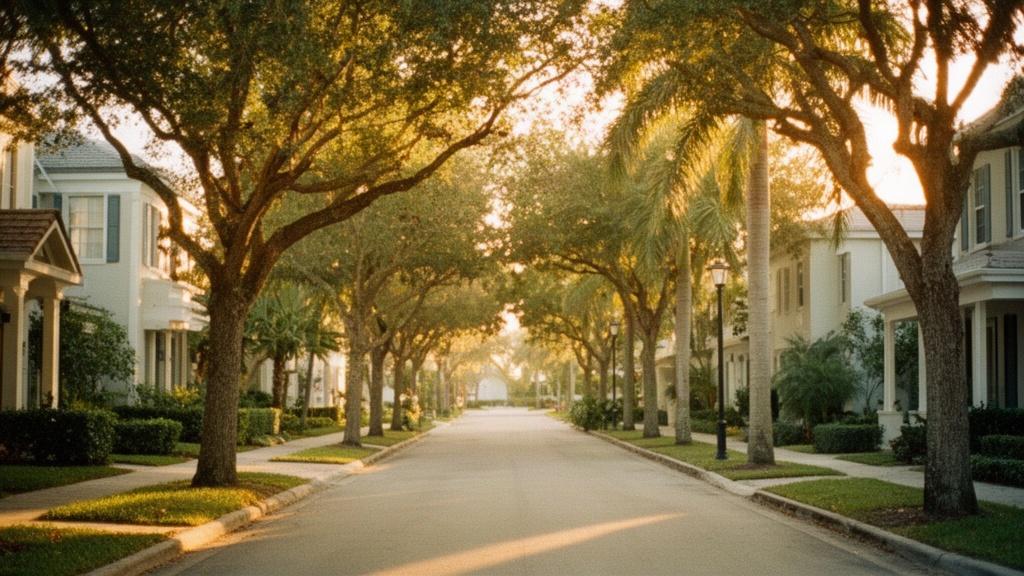
Oakley's housing stock is predominantly early-to-mid twentieth century construction. You will find brick colonials, Tudor-style homes, craftsman bungalows, and two-family doubles throughout the neighborhood. Lot sizes tend to be modest, typically running from 4,000 to 7,500 square feet, and most homes sit on tree-lined streets with detached garages. Condo and townhome inventory also exists, particularly near the Square and along busier corridors, giving buyers a range of price points within the same zip code.
Renovation quality varies considerably from block to block. Some homes have been fully updated with modern kitchens, new electrical, and finished basements, while others retain original finishes and need significant investment. That variance creates opportunity for buyers willing to do work, and it also means comparable sales analysis requires close attention to condition.
2. Oakley Home Prices in September 2026
Oakley home prices in September 2026 are holding in a competitive range, with single-family homes typically trading between $290,000 and $480,000 depending on size, condition, and exact street location. Condos and smaller attached units generally start in the $200,000 to $270,000 range. The spread is wide because the neighborhood contains both fully renovated four-bedroom colonials and original-condition two-bedroom bungalows, sometimes on the same block.
Median Price Range
The median sale price for single-family homes in Oakley currently sits in the low-to-mid $350,000 range as of September 2026. That figure places Oakley meaningfully below Hyde Park, where medians have been running closer to $500,000 to $600,000 on comparable lot sizes, but above some of the more affordable west-side neighborhoods. For buyers comparing east-side options, Oakley represents a price point where you can get a brick home with a yard and a garage without stretching as far as Hyde Park requires.
Price per square foot in Oakley currently runs approximately $175 to $230 for move-in-ready single-family homes. Homes needing cosmetic or structural work can fall below that range, creating room for buyers who are comfortable with a renovation project. Fully updated homes on quieter interior streets sometimes push the upper end of that range, particularly when they include finished lower levels or larger-than-average lots.
Price Trends and What Is Driving Them
Greater Cincinnati entered 2026 with strong pricing momentum. According to the Greater Cincinnati Realtor Alliance, the region kicked off 2026 with strong pricing and growing opportunity, a trend that has carried into the late summer months. Oakley has tracked with that broader pattern, supported by limited resale inventory and continued buyer interest in established, walkable neighborhoods.
One nuance worth noting: price cuts have become more common in Cincinnati broadly when homes are initially overpriced. Sellers who list at or near market value in Oakley are still seeing competitive activity. Sellers who overshoot tend to sit longer and eventually reduce. That pattern makes accurate pricing at launch more important than it was during the frenzied years of 2021 and 2022.
For more context on how this fits into the broader Cincinnati picture, the Cincinnati, Ohio Real Estate Market Guide on this site covers citywide trends alongside neighborhood-specific data.
3. Oakley's Neighborhood Layout: Streets, Pockets, and What You Get
Oakley is not a uniform neighborhood. The blocks closest to Oakley Square and Madison Road carry more foot traffic and commercial activity, while streets further north and south of that corridor feel quieter and more residential. Understanding which pocket you are buying into matters for both lifestyle and resale.
The Oakley Square Area
The blocks immediately surrounding Oakley Square, particularly along Marburg Avenue, Wayland Avenue, and the side streets feeding into the Square, offer the highest walkability scores in the neighborhood. Homes here tend to be on smaller lots with less off-street parking, but the trade-off is being within a short walk of restaurants, the Oakley Farmers Market (held seasonally on Saturdays), and the neighborhood's retail core. These blocks also see the most foot traffic, which some buyers value and others prefer to avoid.
Condos and small multi-unit buildings are more common near the Square than elsewhere in Oakley. Buyers looking for a lower-maintenance option without leaving the neighborhood often find their best options within a few blocks of Madison Road. Prices in this pocket can run slightly higher per square foot due to the location premium, but the overall purchase price is often lower because units are smaller.
Brotherton Road and Eastern Corridors
Moving east toward the Hyde Park boundary along streets like Brotherton Road, Observatory Road, and Erie Avenue, the housing stock shifts toward larger single-family homes on slightly bigger lots. These blocks sit in a transitional zone where Oakley's price points begin to approach Hyde Park territory. Buyers who want more square footage and a quieter street but still want Oakley's address often focus their search in this eastern corridor. For a detailed look at what Hyde Park itself offers just across the line, the Hyde Park buyer's guide on this site provides a useful comparison.
Bordering Areas That Affect Value
Oakley borders Hyde Park to the east, O'Bryonville to the south, Norwood to the north, and Evanston to the west. Each of those borders has a real effect on how buyers perceive and price specific blocks within Oakley. Homes on the Hyde Park side of Oakley often carry a slight premium over comparable homes near the Norwood or Evanston borders. When you are evaluating a specific address, the bordering neighborhood matters as much as the Oakley label itself.
The neighborhood's physical boundaries are also relevant for school district purposes. Parts of Oakley fall within Cincinnati Public Schools, while some blocks near Norwood may be in Norwood City School District. Buyers with children should verify the exact district for any specific address directly with Cincinnati Public Schools or the Hamilton County Auditor's office rather than assuming based on the neighborhood name alone.
4. Timing the Oakley Market: When to Buy or Sell
Timing in Oakley follows Cincinnati's broader seasonal rhythm, but with some nuances specific to an urban, walkable neighborhood where buyer demand tends to stay more consistent year-round than in purely suburban markets.
Seasonal Patterns in Oakley
Spring, from late February through May, is historically the highest-activity period in Oakley. Listings that hit the market in March and April tend to attract the most competing offers, and sellers who price correctly in that window often see the strongest results. Summer activity, from June through August, is still solid but slightly less frenzied as some buyers pause for vacations or school-year planning.
September, which is where the market sits right now, is a transitional month. Some buyers who were active over summer and did not find a home come back with renewed focus. Sellers who list in September and October face less competition from other listings than they would in spring, which can work in their favor if their home is priced well. The window from September through mid-November is genuinely productive for both sides of a transaction in Oakley.
Winter, from late November through January, sees the fewest listings and the fewest buyers. Sellers who list in that period face a smaller pool, but the buyers who are active in winter tend to be serious and motivated. For buyers, winter can occasionally surface opportunities where a seller has been on the market since fall and is more willing to negotiate on price or terms.
Inventory Conditions Right Now
Inventory in Oakley remains limited in September 2026, consistent with the pattern seen across Cincinnati's established east-side neighborhoods. Fewer homes are coming to market than demand warrants, which keeps upward pressure on prices for well-maintained homes. Buyers should expect that desirable listings at accurate price points move within one to three weeks, and sometimes faster. Coming in with a pre-approval letter and a clear sense of your priorities is not optional in this market; it is the baseline.
For a broader look at whether right now is the right moment to act, the article Is Right Now a Good Time to Buy a Home in Cincinnati, Ohio or Should I Wait? walks through the current rate environment and buyer calculus in detail.
5. What Buyers and Sellers Should Know Before Acting in Oakley
Whether you are buying or selling in Oakley, the neighborhood's specific characteristics, its older housing stock, its mixed price range, and its tight inventory, create a set of considerations that differ from newer suburban subdivisions. Here is what matters most for each side of the transaction.
Advice for Buyers
Budget for deferred maintenance. Homes built in the 1920s through 1950s often need updated electrical panels, newer plumbing, or roof work even when they look clean on the surface. A thorough inspection by a licensed home inspector with experience in older Cincinnati housing stock is essential. Do not skip it or waive it to win a bidding war without understanding exactly what you are accepting.
Know your specific street before you make an offer. Oakley's value varies more by block than the zip code average suggests. A home on a quieter interior street near the Hyde Park border will perform differently at resale than a comparable home on a busier corridor near Norwood. Walk the block at different times of day before committing. Look at what is across the street, what is at the end of the block, and what is happening on adjacent parcels.
For more on what to look for when evaluating a local agent to guide you through this process, the article on how to know if a Cincinnati agent is actually experienced in your neighborhood gives you the right questions to ask.
Advice for Sellers
Condition and presentation carry more weight in Oakley than in markets where every home is new construction. Buyers touring a 1930s brick colonial are already mentally calculating what they might need to update. If your home shows well, with clean finishes, working systems, and good curb appeal, you reduce that mental friction and support a stronger offer price. Small investments in paint, landscaping, and deep cleaning consistently outperform their cost in Oakley.
Pricing accuracy at launch is the single most important decision you will make as a seller. Homes that launch at the right price in Oakley generate the most activity in the first ten to fourteen days, which is when buyer interest peaks. Overpriced homes sit, accumulate days on market, and often end up selling for less than they would have if priced correctly from the start. A detailed comparative market analysis from someone who knows Oakley's block-level nuances is worth far more than a rough estimate based on zip code averages.
The article on how the Cincinnati housing market is doing for sellers right now covers the broader seller environment and what to expect from the current market conditions across Cincinnati.
For additional neighborhood context, the Cincinnati Neighborhood Spotlight on Oakley provides a useful overview of the neighborhood's character, amenities, and historical development that complements the market data above.
FAQ
What is the average home price in Oakley, Cincinnati right now?
As of September 2026, the median sale price for single-family homes in Oakley sits in the low-to-mid $350,000 range, with individual homes trading between roughly $290,000 and $480,000 depending on size, condition, and street location. Condos and smaller attached units generally start in the $200,000 to $270,000 range. Price per square foot for move-in-ready homes currently runs approximately $175 to $230. Homes needing renovation can fall below that range, creating opportunities for buyers willing to invest in updates.
Is Oakley a good neighborhood to buy in Cincinnati?
Oakley offers a combination of walkable retail, older architectural character, and a commute to downtown of roughly fifteen to twenty-five minutes by car, which sustains consistent buyer demand. The neighborhood contains a range of housing types, from brick colonials and craftsman bungalows to condos near Oakley Square, across a relatively broad price range. Whether it fits your priorities depends on what you are looking for in terms of lot size, commute route, housing style, and budget. Visiting the neighborhood at different times of day and walking specific blocks is the best way to evaluate whether it matches what you want.
When is the best time to sell a home in Oakley, Cincinnati?
Spring, from late February through May, historically produces the most buyer activity and the strongest offer conditions in Oakley. Homes listed in March and April tend to attract the most competing offers when priced correctly. September through mid-November is also a productive window, with less listing competition than spring and a pool of buyers who are motivated to close before the holiday season. Winter listings from late November through January see the fewest buyers but also the fewest competing homes, which can work in a seller's favor if the home is priced and presented well.