← Back to Blog
Neighborhoods
What Are the Different Neighborhoods in Anderson, SC and What Is Each One Like to Live In?
By Maria Kozak
North Group Real Estate · DRE# 100103
September 19, 2026 · 10 min read
Anderson, South Carolina has a surprising range of neighborhoods, from walkable streets near the historic downtown core to quiet subdivisions tucked along the shores of Lake Hartwell. If you are trying to figure out what the different neighborhoods in Anderson, SC are and what each one is like to live in, this guide breaks down the key areas by housing stock, price ranges, commute distances, and what you will actually find when you get there.
1. Downtown Anderson and the Historic Core
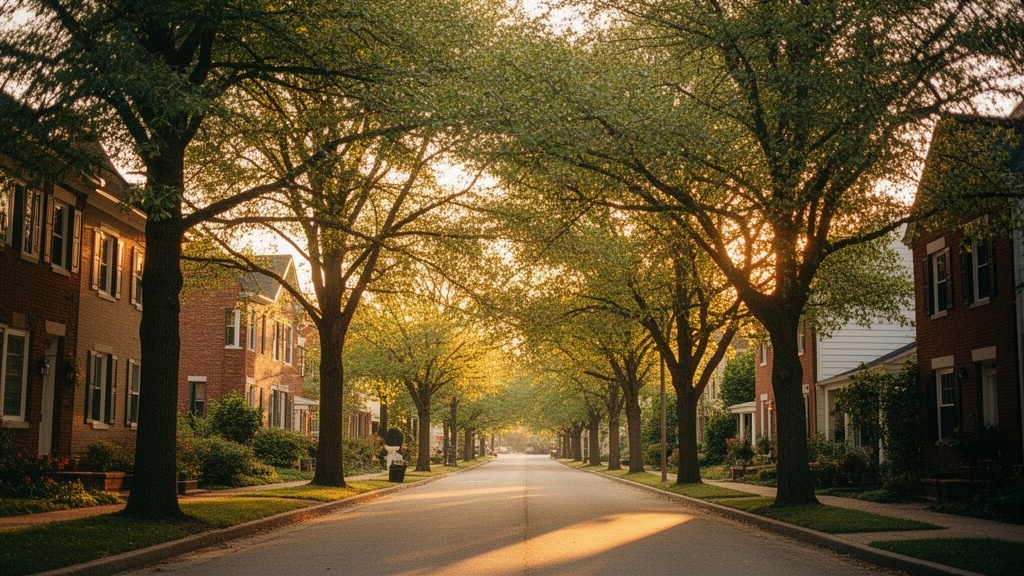
Downtown Anderson is the most walkable part of the city. The streets around the Anderson County Courthouse, Main Street, and the South Main arts corridor put restaurants, coffee shops, the Anderson Arts Center, and local retail within a short walk of front doors. This is the part of Anderson that has seen the most visible reinvestment over the past several years, and that activity shows up in both the housing stock and the buyer interest.
The Streets and Housing Stock
Homes in the downtown core and the neighborhoods immediately surrounding it tend to be older, often built between the 1920s and the 1960s. You will find Craftsman bungalows, Colonial Revival homes, and brick cottages on lots that are typically smaller than what you get further out. Streets like Boulevard, Whitner, and the blocks surrounding McCants Drive have some of the most intact historic residential fabric in Anderson County.
Listing prices in the immediate downtown area generally range from the upper $100,000s for smaller homes needing updates to the low $400,000s for fully renovated four-bedroom properties. The spread is wide because condition varies significantly from block to block. Buyers who want a renovated move-in-ready home will pay a meaningful premium over someone willing to take on a project.
What Draws Buyers Here
Proximity to Anderson University is a factor for many buyers in this part of the city. The campus sits on the northern edge of the downtown core, and the surrounding residential streets are some of the most sought-after in Anderson for buyers who want to be close to the city's cultural and commercial center. Commuters heading to Greenville, which is roughly 30 miles northeast on I-85, often find the downtown location convenient for quick highway access.
2. North Anderson: Suburban Subdivisions and Newer Builds
North Anderson is where most of the city's newer residential construction has landed over the past two decades. This part of Anderson sits along and north of Highway 76 and stretches toward the Williamston and Belton corridors. Subdivisions here tend to have larger lots, newer infrastructure, and homes built to more recent energy codes, which matters for utility costs and insurance.
Midland Valley and Surrounding Areas
The Midland Valley area and the subdivisions branching off Rocky River Road and Whitehall Road represent a significant portion of north Anderson's housing inventory. Many of these neighborhoods were developed in the 1990s through the 2010s, so you see a mix of vinyl-sided traditional homes and brick-front colonials with two-car garages, established trees, and HOA amenities like pools and tennis courts. Neighborhoods like Hunters Creek, Stonecreek, and Ashford Park fall into this general zone.
The T.L. Hanna and Westside attendance zones cover much of north Anderson. For school-specific information, the South Carolina Department of Education's School Report Cards tool at ed.sc.gov is the best place to look at performance data, enrollment, and program offerings directly. Every buyer's priorities are different, so reviewing those details firsthand gives you the clearest picture.
Price Ranges and Lot Sizes
North Anderson homes in established subdivisions currently list in a broad range, from roughly $250,000 for a three-bedroom home in an older section to $500,000 or more for larger four and five-bedroom homes in newer or higher-end communities. Lot sizes in most subdivisions run from a quarter acre to just over half an acre. Buyers wanting more land typically need to look at the rural edges of north Anderson or shift to the western side of the county.
The commute from north Anderson to downtown Greenville runs about 35 to 40 minutes on I-85 under normal conditions. Clemson University is roughly 25 miles to the southwest on Highway 76, making this part of Anderson a practical base for people who split time between both destinations.
3. East Anderson: Established Neighborhoods and Mid-Century Homes
East Anderson holds some of the city's most established residential streets, with a housing stock that skews toward mid-century construction and larger lots than you typically find closer to downtown. This part of Anderson stretches out along and south of East Greenville Street toward the Homeland Park area and beyond toward the county line.
Along Whitner Street and Beyond
The residential blocks east of downtown, particularly along and off East Whitner Street, feature a mix of ranch-style homes, split-levels, and traditional two-stories built mostly between the 1950s and 1980s. Many of these homes sit on lots of a third to a half acre with mature hardwoods. The Gluck Farm Road corridor and areas near the Anderson County Museum have a quieter, more established character than the newer subdivisions to the north.
Homeland Park, located in the southeastern part of the city, is a distinct community with its own identity. Housing there tends to be more affordable, with many three-bedroom homes listing in the $130,000 to $220,000 range in September 2026. The area has a mix of owner-occupied and rental properties, and buyers looking for value in Anderson County often find Homeland Park worth a close look.
What the Housing Market Looks Like Here
East Anderson offers some of the widest price variation of any part of the city. You can find a move-in-ready three-bedroom ranch for under $200,000 in some sections, while renovated homes with updated kitchens and bathrooms on the more desirable streets closer to downtown edge into the $300,000 range. For buyers comparing value across Anderson's different neighborhoods, this part of the city often delivers more square footage per dollar than north Anderson's newer subdivisions.
For a broader look at what buyers and sellers are navigating across Anderson right now, the Homes for Sale in Anderson, SC: What Buyers and Sellers Need to Know in 2026 article on this site covers current inventory levels, price trends, and what to expect from the local market in more detail.
4. South Anderson and the Lake Hartwell Corridor
The southern edge of Anderson leads directly to Lake Hartwell, one of the largest reservoirs in the Southeast at roughly 56,000 acres. This is the part of Anderson County that attracts buyers specifically looking for water access, and the housing along and near the lake is genuinely different from anything else in the market. Understanding what the different neighborhoods in Anderson, SC are in this corridor means understanding that lake proximity is the primary driver of price and character here.
Lakefront and Lake-Access Properties
True lakefront homes on Lake Hartwell in Anderson County start around $500,000 for smaller, older cottages and climb well past $1.5 million for newer construction with deep-water docks and updated finishes. Communities like Portman Shores, Barrington, and various cove-side neighborhoods off Highway 187 and Reed Road give buyers a range of entry points. Lake-access homes, meaning those in communities with a shared dock or boat ramp but without private waterfront, typically list in the $300,000 to $600,000 range depending on size and age.
The Army Corps of Engineers manages the shoreline of Lake Hartwell, which affects what owners can and cannot build on their waterfront property. Dock permits, vegetation management, and setback rules are all governed by Corps regulations, not just local zoning. Buyers purchasing waterfront property in this corridor should factor that permitting layer into their due diligence timeline.
Commute and Connectivity
From the lake communities in south Anderson, the drive to downtown Anderson is typically 15 to 25 minutes depending on which cove or subdivision you are in. Clemson is accessible via Highway 187 and takes roughly 20 to 30 minutes. The trade-off for lake living is that most errands require a car trip, since there is no walkable commercial area in the lake corridor itself. Highway 24 and Highway 187 are the main arteries connecting this part of the county to services.
5. West Anderson: Rural Edges and Acreage Properties
West Anderson transitions from suburban to rural more quickly than any other direction from the city center. The areas along and west of Highway 29 heading toward Iva and the areas off Pearman Dairy Road and Concord Road offer larger parcels, older farmhouses, and newer custom builds on multi-acre lots. This is the part of Anderson County where buyers who want space, privacy, and room for outbuildings or livestock tend to look.
What You Find on the Western Side
Housing in west Anderson ranges from modest three-bedroom farmhouses on two to five acres in the $200,000 to $350,000 range to larger custom homes on 10 or more acres that list above $600,000. The Sandy Springs community, located in the southwestern corner of Anderson County near the Oconee County line, sits close to the upper reaches of Lake Hartwell and offers a blend of rural character and water proximity. The Rocky River and Three and Twenty Creek corridors run through this part of the county and contribute to the landscape.
Pearman Dairy Road and the areas immediately west of I-85 also have a cluster of newer subdivisions that blur the line between suburban north Anderson and the rural west side. Buyers in those neighborhoods get larger lots than the typical north Anderson subdivision while still being within 10 to 15 minutes of the commercial corridor along Highway 76 and North Main Street.
Tradeoffs to Consider
The further west you go in Anderson County, the more likely you are to be on well and septic rather than city water and sewer. That affects both the upfront cost of the property and the ongoing maintenance picture. Buyers should confirm utility type before making an offer and, if the home uses a well, budget for a water quality test as part of the inspection process. Internet service options also vary more in rural west Anderson than in the subdivisions closer to the city center.
6. How the Different Anderson, SC Neighborhoods Compare on Price and Features
No two neighborhoods in Anderson, SC are identical, and the right area depends entirely on what you are prioritizing. Here is a factual snapshot of how each part of the city stacks up on the things buyers most often ask about, based on active and recent listing data as of September 2026.
Downtown and the historic core: Homes from the 1920s to 1960s, lots under a quarter acre, prices from the upper $100,000s to low $400,000s, walkable to Main Street and Anderson University, 30 minutes to Greenville on I-85.
North Anderson subdivisions: Homes from the 1990s to present, lots from a quarter to half an acre, prices from $250,000 to $500,000 or more, HOA amenities common, 35 to 40 minutes to Greenville, 25 minutes to Clemson.
East Anderson and Homeland Park: Mid-century ranches and traditional homes from the 1950s to 1980s, lots from a third to half an acre, prices from $130,000 to $320,000, more affordable entry points than north Anderson, 5 to 15 minutes from the city center.
South Anderson and Lake Hartwell: Cottages to custom lakefront homes, prices from $300,000 for lake-access to over $1.5 million for premium waterfront, 15 to 25 minutes to downtown Anderson, 20 to 30 minutes to Clemson, no walkable commercial area.
West Anderson and rural edges: Farmhouses and custom builds on 2 to 10-plus acres, prices from $200,000 to $600,000-plus, well and septic common, 15 to 30 minutes to the city center depending on location.
For additional context on what buyers and sellers are experiencing across these neighborhoods right now, the Moving to Anderson SC in 2026 relocation guide covers cost of living and relocation logistics that complement the neighborhood-level detail above.
Schools, crime data, and demographic information are personal research items that vary in importance from buyer to buyer. For school performance, the South Carolina Department of Education at ed.sc.gov publishes annual report cards for every public school in Anderson County. For public safety data, the Anderson Police Department and Anderson County Sheriff's Office both publish reports on their respective websites. These are the most accurate and current sources available.
FAQ
What is the most affordable neighborhood in Anderson, SC?
Homeland Park in east Anderson and parts of the rural west side of the county tend to offer the lowest entry prices in the Anderson market. In Homeland Park, three-bedroom homes regularly list in the $130,000 to $220,000 range as of September 2026, which is meaningfully below the city-wide median. Rural west Anderson also has affordable options, particularly older farmhouses on larger parcels, though buyers there need to account for well, septic, and potential infrastructure costs that can add to the total investment. The right choice depends on your priorities around location, condition, and lot size.
Which Anderson, SC neighborhoods are closest to Lake Hartwell?
The lake communities in south Anderson are the closest to Lake Hartwell, with neighborhoods like Portman Shores, Barrington, and various cove-side developments off Highway 187 and Reed Road sitting directly on or within a short drive of the water. The Sandy Springs area in the southwestern corner of Anderson County also sits near the upper reaches of the lake. True lakefront properties in these areas carry a significant price premium, starting around $500,000 for smaller older cottages and ranging well above $1.5 million for newer custom homes with deep-water docks. Lake-access communities without private frontage offer a lower-cost alternative in the $300,000 to $600,000 range.
How long is the commute from Anderson, SC neighborhoods to Greenville or Clemson?
From most Anderson neighborhoods, Greenville is about 30 to 40 minutes northeast via I-85, depending on which part of the city you are starting from. Downtown Anderson to downtown Greenville runs roughly 30 minutes under normal traffic conditions, while north Anderson subdivisions add 5 to 10 minutes. Clemson University is approximately 25 to 30 miles to the southwest via Highway 76 or Highway 28, and the drive typically takes 25 to 35 minutes from most parts of Anderson. Lake communities in south Anderson have a similar drive to Clemson via Highway 187, often in the 20 to 30 minute range. These times assume normal weekday traffic and can vary during Clemson game days or peak commute hours.