
← Back to Blog
Market Trends
Kansas City, Kansas Real Estate Market Guide: Prices, Neighborhoods and Timing
By Maria Solis, LICENSED REAL ESTATE PROFESSIONAL & ADVISOR
The Brand KC · DRE# 00251872
September 2, 2026 · 9 min read
This Kansas City, Kansas real estate market guide covers what prices look like right now, how the city's distinct neighborhoods compare on housing stock and value, and what September 2026 market conditions mean for your timing as a buyer or seller. Whether you are relocating from out of state, upgrading within Wyandotte County, or preparing to list, this guide gives you the local detail you need to make a confident decision.
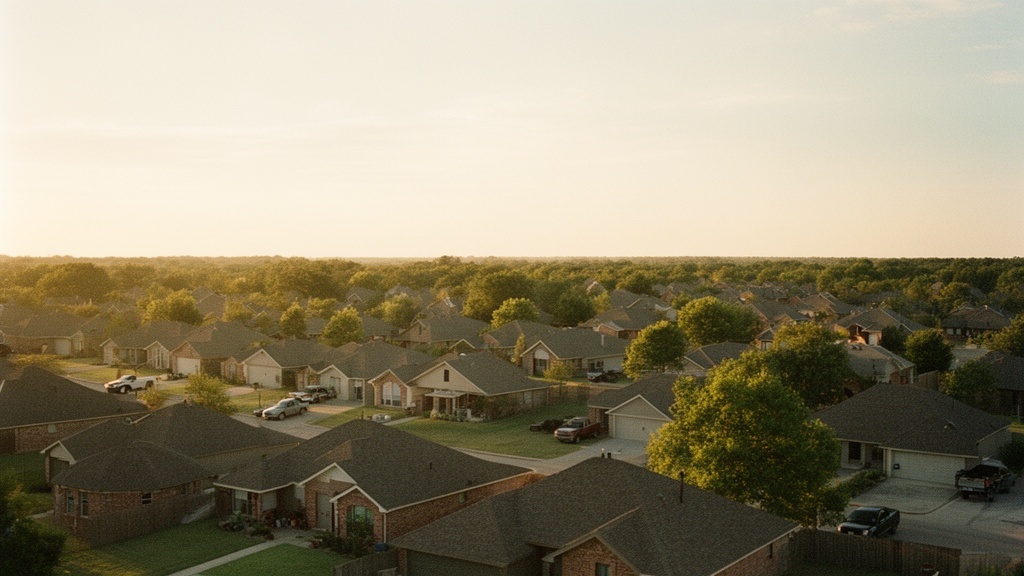
1. What the Kansas City, Kansas Market Looks Like Right Now
The Kansas City, Kansas real estate market in September 2026 is a buyer-leaning environment with more inventory than the city has seen in several years, but prices have held up better than in many comparable Midwestern cities. Median home prices in KCK currently sit in the low-to-mid $200,000s, with entry-level single-family homes in established neighborhoods often available in the $150,000 to $185,000 range and updated properties in stronger corridors pushing into the $250,000 to $310,000 range.
Median Prices and Inventory Levels
Active listings across Wyandotte County have climbed steadily through 2026, giving buyers more options and more negotiating room than they had in 2024 or early 2025. Days on market for the average KCK listing currently run between 30 and 50 days, compared to the sub-20-day pace seen during the peak seller's market of 2022. Sellers who price accurately are still moving homes within three to four weeks; overpriced listings are sitting and eventually cutting.
Nationally, research from HousingWire confirms that affordable markets are showing greater resilience than higher-priced metros, which tracks closely with what Maria Solis is seeing on the ground in KCK. Homes priced under $250,000 continue to draw multiple inquiries within the first week, while the upper end of the market is where patience is required.
How KCK Compares to the Broader Metro
Kansas City, Kansas sits on the western edge of the metro, directly across State Line Road from Kansas City, Missouri. That geographic position matters for buyers: KCK median prices run roughly 20 to 30 percent below comparable homes in Johnson County suburbs like Overland Park or Leawood, while still offering fast access to downtown Kansas City via I-70, I-35, and the Kansas Turnpike. Commute times from central KCK neighborhoods to the Power and Light District or Crown Center run 15 to 25 minutes without highway congestion.
For buyers relocating from higher-cost metros, the value gap is significant. A $220,000 home in KCK typically offers a full three-bedroom, one-to-two-bath layout on a lot of 6,000 to 8,500 square feet, often with a detached garage or basement. That square footage and lot size would cost considerably more in the Missouri side's more established zip codes.
2. A Neighborhood-by-Neighborhood Housing Breakdown
Kansas City, Kansas is not a single housing market. It is a collection of distinct communities, each with its own price range, housing stock, and character. Understanding those differences is central to any honest Kansas City, Kansas real estate market guide.
Armourdale and the River Market Edge
Armourdale occupies the low-lying land between the Kansas River and the Argentine bluffs. Housing here skews older, with many Craftsman bungalows and two-story foursquares built between 1910 and 1945. Prices in Armourdale typically range from $110,000 to $170,000, making it one of the more accessible entry points in the entire metro. Buyers should budget for updates, as many homes have original plumbing, older electrical panels, and roofs that are due for replacement. The neighborhood sits about two miles from the Village West entertainment corridor and the Kansas Speedway.
Rosedale and the Mission Hills Border Area
Rosedale climbs the bluffs south of downtown KCK and borders the state line near Mission Hills. The terrain is hilly, with winding streets and mature tree canopy. Homes here include Tudor-style residences, brick colonials, and mid-century ranches, many of them on lots of 7,000 to 12,000 square feet. Rosedale prices currently range from $175,000 to $290,000 depending on condition and lot position. The Rosedale Arch, a neighborhood landmark at Southwest Boulevard and 17th Street, marks the historic gateway to the area. The University of Kansas Medical Center is within a 10-minute drive, which makes this corridor consistently active for buyers connected to the medical campus.
Piper and the Basehor Corridor
The Piper area in northwestern Wyandotte County offers newer construction on larger lots, a contrast to the denser in-fill neighborhoods closer to downtown KCK. Homes in the Piper corridor commonly range from $230,000 to $380,000, with many built between 2000 and 2018 featuring open floor plans, attached two-car garages, and quarter-acre or larger lots. Basehor, just across the county line in Leavenworth County, draws buyers who want even more land and a quieter setting while keeping a reasonable commute to KCK or the metro core via K-32 or I-70.
Turner and Edwardsville
Turner sits in the central-south portion of Wyandotte County along the Kansas River, with a mix of post-war bungalows and 1960s ranch homes. Edwardsville, incorporated as its own city but within Wyandotte County, offers a small-town feel with access to the Legends Outlets and Village West retail district. Turner homes typically list between $140,000 and $210,000; Edwardsville ranges from $160,000 to $240,000. Both areas have seen steady interest from first-time buyers in 2026 because the price points allow buyers to qualify without stretching their debt-to-income ratios in the current rate environment.
3. Understanding Price Trends and What Is Driving Them
Price trends in KCK right now reflect two competing forces: affordability that keeps demand alive, and mortgage rates that have kept some buyers on the sidelines. The result is a market that is neither accelerating nor declining sharply, but recalibrating.
Why Affordability Keeps KCK Competitive
KCK's price floor is one of the lowest among major metros in the central United States. That affordability acts as a buffer: when rates rise and buyers in expensive markets pull back entirely, KCK buyers can often still make the math work because monthly payments on a $200,000 home remain manageable even at elevated rates. This dynamic has kept transaction volume in Wyandotte County more stable than in markets where median prices exceed $400,000 or $500,000.
The area's proximity to major employers also sustains demand. The University of Kansas Health System, Amazon fulfillment operations near Edwardsville, the General Motors Fairfax Assembly Plant, and the growing logistics and distribution sector along I-70 all generate consistent housing need from workers at various income levels.
Price Reductions and What They Signal
Price reductions have become more common across the Kansas City metro in 2026. According to reporting from HousingWire, price cuts have been rising across the metro as sellers and buyers battle for leverage, and KCK is no exception. Roughly a third of active listings in Wyandotte County have seen at least one price reduction in 2026, which is a meaningful shift from the tight conditions of 2022 and 2023.
For buyers, price reductions are not a red flag. They are a signal that the seller is motivated and that negotiation is possible. For sellers, they are a reminder that the market is pricing homes on condition and location more precisely than it did during the frenzy years. A home that is updated, well-maintained, and priced within five percent of comparable sales is still moving. One that is priced based on 2022 comps is not.
4. Timing the Market: When to Buy or Sell in Kansas City, Kansas
Timing in real estate is always relative to your personal situation, but understanding the seasonal rhythm in Wyandotte County helps you set realistic expectations and plan your move strategically.
The Seasonal Rhythm in Wyandotte County
KCK follows a fairly predictable seasonal pattern. Listing activity peaks in April through June, when inventory is highest and buyer competition is strongest. July and August see continued activity but slightly less urgency. September through November offers a window where inventory is still reasonable, buyer competition has softened from the spring peak, and sellers who have been on the market since spring are often more flexible on price and terms.
December and January are the quietest months in Wyandotte County. Fewer listings come to market, but the buyers who are active in winter tend to be serious and transact quickly. For sellers, listing in late winter, specifically February or early March, positions a home to catch the spring wave of buyers before competing listings flood the market.
What September 2026 Specifically Means for You
Right now, in September 2026, buyers are in a relatively favorable position. Spring competition has faded, some sellers have already reduced their asking prices, and lenders are actively competing for purchase business. If you have been pre-approved and are ready to move, this month and October represent a window where you can negotiate more effectively than you could have in April or May.
For sellers listing in September 2026, the key is accurate pricing from day one. Homes that enter the market at or slightly below the most recent comparable sales are still generating showings and offers within the first two weeks. Homes that enter above market are sitting through price reductions that ultimately cost more time and net proceeds than a well-priced launch would have. Maria Solis can pull a precise comparative market analysis for your specific address so you have a number grounded in what buyers are actually paying right now, not what sellers are asking.
If you are still in the research phase of buying, the companion resource on this site, Homes for Sale in Kansas City: Buyer's Guide 2026, walks through the purchase process step by step with KCK-specific detail.
5. Key Costs and Financial Realities to Plan For
Purchase price is only part of the financial picture in KCK. Property taxes, insurance, and closing costs all affect your true monthly cost and your net proceeds as a seller.
Property Taxes in Wyandotte County
Wyandotte County property tax rates are among the higher ones in the Kansas City metro, which is a real number buyers need to factor into their monthly budget. Effective tax rates in the county typically run between 1.7 and 2.1 percent of assessed value, depending on the specific taxing district and any applicable exemptions. On a $200,000 home, that translates to roughly $3,400 to $4,200 per year, or $280 to $350 per month added to your principal and interest payment.
Kansas does offer a homestead property tax refund program for qualifying residents, and income-based exemptions may apply depending on your household situation. The Kansas Department of Revenue website has current eligibility details. Buyers should also note that assessed values in Wyandotte County are reviewed on a regular cycle, so a purchase at today's price may trigger a reassessment that adjusts your tax bill in subsequent years.
Closing Costs and Loan Considerations
Buyers in Kansas should budget two to four percent of the purchase price for closing costs, covering lender fees, title insurance, escrow, and prepaid items like homeowner's insurance and the first months of property tax escrow. On a $210,000 purchase, that is roughly $4,200 to $8,400 in addition to your down payment.
Kansas Housing Resources Corporation administers down payment assistance programs that can help qualified buyers reduce out-of-pocket costs at closing. FHA loans remain common in KCK given the price range, as the low minimum down payment requirement makes entry more accessible. USDA loans may apply to properties in the Basehor and rural Wyandotte County fringe areas, so it is worth asking your lender to check eligibility if you are targeting those corridors.
For sellers, the typical cost of sale in KCK runs between seven and nine percent of the sale price when you account for agent commissions, title fees, any negotiated seller concessions, and prorated taxes. On a $220,000 sale, plan for $15,400 to $19,800 in total selling costs before your net proceeds.
FAQ
Is Kansas City, Kansas a buyer's market or a seller's market right now?
As of September 2026, KCK leans toward a buyer's market. Inventory has increased compared to 2024 and early 2025, days on market have stretched to 30 to 50 days for the average listing, and price reductions are appearing on roughly a third of active listings in Wyandotte County. That said, well-priced homes in the $150,000 to $230,000 range still move quickly because demand at that price point remains consistent. Sellers who price accurately and present their home well are not struggling; sellers who are anchored to peak-market expectations are seeing their listings sit.
What are the most affordable areas to buy a home in Kansas City, Kansas?
Armourdale and Turner offer the lowest entry points in Wyandotte County, with many homes available in the $110,000 to $185,000 range. These are older neighborhoods with housing stock dating from the early to mid-twentieth century, so buyers should budget for updates and factor inspection findings carefully into their offer. Argentine and parts of central KCK also offer lower price points with good access to the highway network. For buyers who want newer construction at a moderate price, the Piper corridor and Edwardsville provide options in the $200,000 to $280,000 range on larger lots.
How do property taxes in Wyandotte County affect the true cost of owning a home in KCK?
Wyandotte County has a higher effective property tax rate than most surrounding counties in the metro, running between 1.7 and 2.1 percent of assessed value depending on the taxing district. On a $200,000 home, that adds roughly $280 to $350 per month to your housing payment on top of principal, interest, and insurance. Buyers moving from Johnson County or Clay County should account for this difference when comparing affordability across the metro. Kansas does offer homestead refund programs for qualifying residents, which can offset a portion of the annual tax burden, so it is worth reviewing eligibility with the Kansas Department of Revenue after purchase.