
← Back to Blog
Buying
Homes for Sale in West Covina: Your Complete Buyer's Guide
By Marisol Lucardie, REALTOR®
Coldwell Banker Leaders · DRE# 02223269
September 19, 2026 · 10 min read
If you are searching for homes for sale in West Covina, CA, you are looking at one of the San Gabriel Valley's most established residential cities, where single-family neighborhoods sit close to major freeways, a large regional mall, and dozens of parks. This guide covers what the local market looks like right now in September 2026, what your budget will get you, and what to know before you make an offer.
1. What the West Covina Housing Market Looks Like Right Now
West Covina's housing market is active and competitive in September 2026, with limited inventory keeping upward pressure on prices. The city's location at the eastern edge of Los Angeles County, roughly 20 miles east of downtown LA via the 10 freeway, makes it a practical choice for buyers who want more square footage than inner-ring LA neighborhoods offer at a lower price per square foot.
Current Prices and Inventory
As of September 2026, the median sale price for homes in West Covina sits in the high $700,000s to low $800,000s for single-family detached properties, depending on size, condition, and location within the city. Condos and townhomes typically range from the mid $400,000s to the low $600,000s. Homes that are updated, on larger lots, or positioned in the hillside corridors near South Hills tend to push toward the upper end of those ranges or above them.
Inventory in West Covina has remained tighter than the historical norm throughout 2026. Well-priced homes in move-in condition routinely receive multiple offers within the first week of listing. Buyers who are pre-approved and ready to move quickly are in a significantly stronger position than those still sorting out financing. For broader context on how national inventory trends are affecting local markets like West Covina, the National Association of REALTORS existing-home sales data offers regularly updated figures on supply and demand across the country.
How West Covina Compares to the Broader SGV
Within the San Gabriel Valley, West Covina occupies a middle tier on the price spectrum. Cities like San Marino and Arcadia carry significantly higher median prices, while cities further east such as Covina and Azusa tend to come in lower. West Covina's combination of freeway access, city services, and established residential neighborhoods has kept demand steady even as mortgage rates have shifted over the past two years.
Long-term appreciation data for West Covina shows the city has tracked closely with broader LA County trends, with values rising substantially over the past decade. You can review historical appreciation rates for West Covina on NeighborhoodScout's West Covina real estate market page, which tracks long-term price growth by ZIP code.
2. What Homes for Sale in West Covina Actually Look Like
The housing stock in West Covina is predominantly single-family detached homes built between the 1950s and 1980s, with a meaningful share of condo and townhome communities scattered throughout the city. Understanding what each property type looks like on the ground helps buyers set realistic expectations before touring.
Single-Family Homes
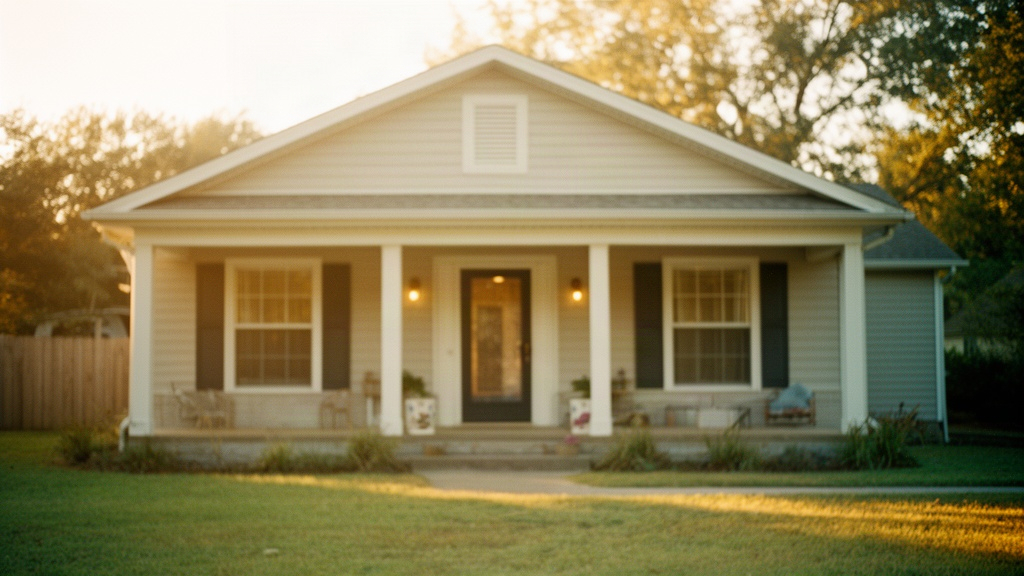
Most single-family homes in West Covina were built during the postwar suburban expansion of Los Angeles County, which means you will encounter a lot of ranch-style homes with three or four bedrooms, attached two-car garages, and lots ranging from roughly 6,000 to 10,000 square feet. Interior square footage on these homes typically falls between 1,200 and 2,000 square feet, though custom builds and larger lots in the South Hills area can push well above that. Many of these homes have been renovated over the decades, so the condition and finish level varies considerably from property to property.
Newer construction is limited in West Covina because the city is largely built out. When newer homes do appear, they are usually the result of teardown rebuilds or infill development on previously commercial parcels. These properties command a premium, often starting above $900,000 for a modest new build.
Condos and Townhomes
West Covina has a solid inventory of condos and townhomes, particularly along the Citrus Avenue and Azusa Avenue corridors and near the Eastland area. These units typically offer two or three bedrooms and between 900 and 1,400 square feet of living space. HOA fees vary by complex but commonly run between $300 and $500 per month, covering exterior maintenance, common areas, and often water. Buyers should factor HOA costs into their monthly payment calculations when comparing condos to single-family homes.
Lot Sizes and Architecture
The flat grid neighborhoods in central and north West Covina tend to have more uniform lot sizes, while the hillside streets near South Hills Country Club offer irregular, sometimes sloped lots with canyon or valley views. Architecturally, you will see a mix of original mid-century ranch homes, California bungalows, Spanish Colonial Revival styles, and homes that have been substantially remodeled to a more contemporary aesthetic. Buyers who want a specific style should work with an agent who knows which streets and pockets carry which architectural character.
3. West Covina Neighborhoods and What They Offer
West Covina spans about 16 square miles and is divided into distinct residential pockets, each with its own character in terms of housing stock, price range, and proximity to amenities. Here is a factual breakdown of the main areas buyers should understand when evaluating homes for sale in West Covina.
South Hills and the Hillside Corridors
The South Hills area occupies the southern portion of West Covina, bordered by the South Hills Country Club golf course and rising into the Puente Hills foothills. Homes here tend to be larger, with many properties exceeding 2,000 square feet on lots that offer hillside views. Prices in this corridor frequently reach into the $900,000s and above for updated homes. Streets like Lark Ellen Avenue and Shadow Oak Drive are representative of the area's residential character.
The Puente Hills Mall sits adjacent to this part of the city, giving residents walkable or short-drive access to major retail anchors, restaurants, and a movie theater. The nearby Puente Hills Habitat Preserve offers miles of hiking and equestrian trails within a few minutes of these residential streets.
Central West Covina
The central grid neighborhoods, roughly bounded by the 10 freeway to the north and Merced Avenue to the south, contain the largest concentration of the city's classic postwar ranch homes. These streets are flat, walkable, and close to Civic Center Drive where West Covina's city hall, public library, and several community facilities are located. Prices in this zone tend to be more accessible than the hillside corridors, with many three-bedroom homes available in the $700,000 to $800,000 range depending on condition.
Galster Wilderness Park, a 145-acre open space preserve within the city, is located in this general area and offers hiking trails and natural habitat that residents can access without leaving West Covina. The West Covina Sportsplex, home to soccer fields and recreational facilities, is also centrally located and draws activity from across the city.
East and North West Covina
The eastern portions of West Covina, near the border with Covina and along Azusa Avenue, tend to have slightly smaller lots and more modestly sized homes, which can translate to lower entry prices. The northern edge of the city runs along the 10 freeway, and neighborhoods here have quick on-ramp access, which is a practical advantage for buyers who commute regularly. The Eastland Center shopping area anchors the northeast part of the city with grocery, retail, and dining options.
4. Commuting, Amenities, and Day-to-Day Life
West Covina's location at the intersection of the 10 and 605 freeways makes it one of the more connected cities in the eastern San Gabriel Valley, with reasonable drive times to multiple employment centers across the region. Understanding commute logistics is often a deciding factor for buyers choosing between West Covina and neighboring cities.
Getting Around from West Covina
Downtown Los Angeles is approximately 20 to 22 miles west of West Covina via the 10 freeway. Off-peak, that drive can take 25 to 30 minutes. During morning rush hour, plan for 45 to 60 minutes or more depending on conditions. The 605 freeway provides a north-south connector that gives residents access to the 60, 210, and 105 freeways, opening routes toward the South Bay, the Inland Empire, and the San Fernando Valley without driving through downtown.
For transit riders, the West Covina Metrolink station on the San Bernardino Line connects to Union Station in downtown LA, with travel times roughly in the 45 to 55 minute range depending on the express schedule. Several Foothill Transit bus lines also serve the city, connecting to the Gold Line light rail at Azusa-Downtown and Irwindale stations for riders who prefer rail connections into Pasadena and beyond.
Parks, Shopping, and Local Landmarks
West Covina maintains over 20 public parks within the city, ranging from small neighborhood greens to larger facilities with sports fields, picnic areas, and recreation centers. Shadow Oak Park, Cortez Park, and Walnut Creek Nature Park each offer distinct outdoor settings. The Puente Hills Habitat Preserve, which borders the city to the south, adds thousands of acres of protected open space accessible via trailheads near South Hills.
The West Covina Mall (formerly Westfield West Covina) and the Puente Hills Mall together give residents two major regional shopping centers within a short drive of most neighborhoods. The dining scene along Sunset Avenue, Vincent Avenue, and the Eastland area spans a wide range of cuisines, reflecting the city's diverse population. For groceries, residents have access to multiple major supermarket chains as well as Asian supermarkets along the Garvey Avenue corridor near the San Gabriel border.
5. How to Buy a Home in West Covina: What the Process Looks Like
Buying a home in West Covina in September 2026 requires preparation, speed, and a clear strategy because inventory is lean and competition on desirable properties is real. Here is what the process looks like from start to close in this market.
Getting Pre-Approved and Setting Your Budget
A pre-approval letter from a lender is not optional in this market; it is a baseline requirement before most listing agents will take your offer seriously. In West Covina, where median prices are in the high $700,000s for single-family homes, buyers putting down 10 percent need to bring roughly $75,000 to $85,000 in down payment funds, plus closing costs that typically run 2 to 3 percent of the purchase price. A conventional loan on an $800,000 home at current rates produces a monthly principal and interest payment that most lenders will want to see supported by a household income in the $180,000 to $220,000 range, though the exact number depends on your debt load and down payment.
First-time buyer programs through CalHFA and Los Angeles County's own down payment assistance programs are worth investigating if you are purchasing for the first time and your income falls within program limits. An experienced local agent can point you toward the programs most relevant to your situation and connect you with lenders who are familiar with these products.
Making an Offer in a Competitive Market
In West Covina's current market, homes priced correctly and in good condition often receive offers at or above list price within the first five to seven days. Buyers who submit clean offers, meaning few contingencies, strong earnest money deposits, and flexible close dates aligned with the seller's needs, tend to compete more effectively than those who load their offers with conditions. That said, waiving contingencies entirely carries real risk, and a knowledgeable agent can help you decide which protections to keep and which to adjust based on the specific property and seller situation.
Inspections, Contingencies, and Closing
Even in a competitive market, a home inspection is a critical step that protects you from inheriting serious problems in a home that may be 50 or 60 years old. West Covina's older housing stock means inspectors commonly find deferred maintenance items like aging electrical panels, galvanized plumbing, and worn roofing. Knowing what is there before you close gives you the information to negotiate repairs or credits, or to walk away if the issues are too significant. Standard escrow periods in this market run 30 to 45 days, though sellers sometimes request a shorter or longer timeline.
Property taxes in West Covina follow the standard California base rate of 1 percent of assessed value, plus local bonds and assessments that typically bring the effective rate to around 1.1 to 1.25 percent. On an $800,000 purchase, that means budgeting roughly $8,800 to $10,000 per year in property taxes, or approximately $730 to $835 per month added to your housing cost.
FAQ
What is the median home price in West Covina right now?
As of September 2026, the median sale price for single-family homes in West Covina is in the high $700,000s to low $800,000s, depending on the specific neighborhood, lot size, and condition of the property. Condos and townhomes generally range from the mid $400,000s to the low $600,000s. Hillside properties in the South Hills corridor and updated homes with larger lots tend to sell above the city median. Prices have remained firm in 2026 due to limited inventory relative to buyer demand.
How long do homes for sale in West Covina typically stay on the market?
Well-priced homes in West Covina in the current market are moving quickly, with many desirable properties going under contract within one to two weeks of listing. Homes that are overpriced relative to comparable sales or that need significant work tend to sit longer, sometimes 30 to 60 days or more, before sellers adjust pricing. The fastest-moving properties are typically updated single-family homes in the $750,000 to $900,000 range with three or four bedrooms. Buyers who are pre-approved and working with a local agent who monitors new listings daily are best positioned to act before a home attracts multiple offers.
Is West Covina a good city to buy a home if I work in downtown Los Angeles?
West Covina is about 20 to 22 miles east of downtown Los Angeles, and the commute depends heavily on the time of day and your preferred mode of transportation. By car on the 10 freeway, off-peak travel takes roughly 25 to 30 minutes, while peak morning rush can stretch to 45 to 60 minutes or longer. The West Covina Metrolink station on the San Bernardino Line offers a rail alternative with travel times of approximately 45 to 55 minutes to Union Station. Buyers should test-drive the commute at the times they would actually travel before making a final decision, as freeway conditions vary significantly by day and direction.