← Back to Blog
Neighborhoods
Charlotte NC Neighborhoods: Prices, Housing Stock and What Is Nearby
By Mark Weinberg
September 10, 2026 · 10 min read
Charlotte NC neighborhoods vary more than most people expect, from 1940s bungalows on quarter-acre lots inside the I-277 loop to new construction townhomes along the light-rail corridor and sprawling ranch homes in the outer suburbs. This guide breaks down the prices, housing stock, and what is nearby in the areas buyers and sellers ask about most, so you can compare them side by side before you ever schedule a showing.
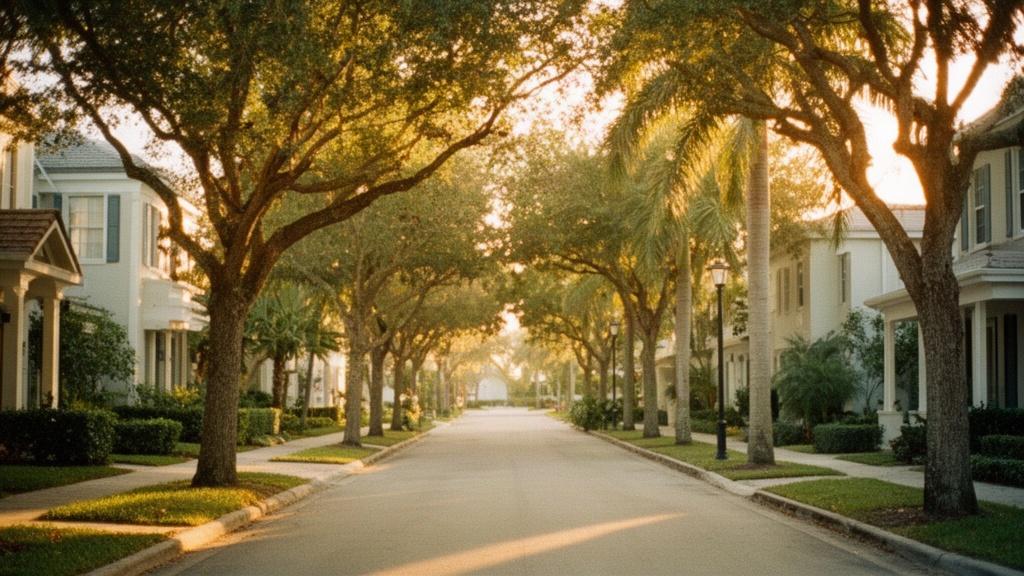
1. Inside the Loop: Dilworth, Plaza Midwood and NoDa
The neighborhoods inside or just outside Charlotte's I-277 loop contain the city's oldest and most architecturally varied housing stock. Buyers here are typically choosing between craftsman bungalows built between the 1920s and 1950s, mid-century colonials, and infill new construction that has filled gaps on formerly vacant lots over the past decade. Lot sizes tend to run from 5,000 to 9,000 square feet, which is smaller than the suburban norm but comes with walkable streets and mature tree canopy.
Dilworth
Dilworth sits about one mile south of Uptown and was Charlotte's first streetcar suburb, platted in the 1890s. Single-family homes here run from roughly $550,000 for a smaller bungalow needing updates to well over $1.2 million for a fully renovated four-bedroom on a corner lot. The neighborhood is bisected by East Boulevard, which runs a continuous strip of restaurants, coffee shops, and independent retail from Kenilworth Avenue toward South End. Latta Park, a 25-acre green space with a pond and tennis courts, sits near the center of the neighborhood.
Commute times to Uptown Charlotte from Dilworth run about 8 to 12 minutes by car during off-peak hours, though the South End light-rail station at the neighborhood's western edge gives residents a car-free option into the city center.
Plaza Midwood
Plaza Midwood, roughly two miles northeast of Uptown along The Plaza corridor, contains a dense mix of 1930s through 1960s housing. You will find Tudor revivals, cape cods, and ranch homes on lots that average around 7,500 square feet. Median sale prices in Plaza Midwood currently sit near $525,000, though renovated homes on larger lots regularly close above $700,000. The commercial stretch of Central Avenue and The Plaza offers grocery options, breweries, independent restaurants, and the historic Visulite Theatre.
NoDa (North Davidson)
NoDa is Charlotte's arts district, built around the former textile mill village of North Davidson Street about two miles north of Uptown. The housing stock is a combination of original mill worker cottages, renovated bungalows, and newer townhomes and condos that have gone up since the Gold Line light-rail extension opened. Cottages and smaller homes start around $380,000; townhomes and newer construction run $450,000 to $650,000. NoDa is anchored by live music venues, art galleries, and a walkable restaurant scene along 36th Street.
2. South Charlotte: Ballantyne, Stonecrest and Blakeney
South Charlotte neighborhoods deliver some of the largest lot sizes and most recently built housing stock in Mecklenburg County. The area from roughly Pineville-Matthews Road south to the South Carolina border is dominated by planned subdivisions built between the late 1990s and today, with brick-front homes, HOA amenities, and access to major retail corridors. For a deeper look at this part of the market, the South Charlotte buyer's guide on this site covers the area in detail.
Ballantyne
Ballantyne sits about 15 miles south of Uptown near the I-485 outer loop and the North Carolina-South Carolina state line. Homes here are predominantly two-story brick or stone-front colonials built between 2000 and 2020, with four to five bedrooms and lots ranging from 0.15 to 0.40 acres. Prices currently range from about $475,000 for a smaller townhome to $1.5 million or more for a custom home in the Ballantyne Country Club enclave. The area is anchored by the Ballantyne Village shopping center, the Ballantyne Hotel, and Backyard Beer Garden, with Novant Health Presbyterian Medical Center nearby on Rea Road.
The commute from Ballantyne to Uptown Charlotte is roughly 25 to 35 minutes by car via I-485 to I-77 North, depending on the time of day. There is no direct light-rail access from this area, so most residents drive.
Stonecrest and Blakeney Corridor
The Stonecrest and Blakeney areas, centered around the intersection of Rea Road and Ardrey Kell Road, offer a slightly more accessible price point than Ballantyne proper. Homes here run from about $400,000 for a three-bedroom townhome to $900,000 for a larger single-family home in a gated community. The Blakeney shopping center provides a Harris Teeter, multiple restaurants, urgent care, and specialty retail within a half-mile of most subdivision entrances. Waverly, a newer mixed-use development on Rea Road, adds a Whole Foods, additional dining, and a hotel to the corridor.
3. The Light-Rail Corridor: South End, Optimist Park and Belmont
Charlotte's LYNX Blue Line light-rail runs 19.3 miles from I-485 in the south to UNC Charlotte in the north, and the neighborhoods along it have seen the most concentrated new construction activity of any part of the city over the past several years. The National Association of Realtors identified Charlotte as one of the top homebuying markets for 2026, citing its population growth and transit investment as key drivers. You can read that full report here.
South End
South End is Charlotte's densest urban residential market, running along South Boulevard from Uptown to the Scaleybark station. The housing stock is almost entirely condos and townhomes built after 2010, with a growing number of high-rise apartment-to-condo conversions. Condos in South End currently list from about $290,000 for a one-bedroom unit to $700,000 or more for a two-bedroom with Uptown views. The area is walkable to breweries, the Rail Trail (a 3.5-mile multi-use path), and a concentration of tech and finance employers that have relocated offices to South End since 2020.
Optimist Park and Belmont
Optimist Park and Belmont sit just north and northeast of Uptown, within about a mile and a half of the city center. Both neighborhoods contain a mix of original mill-era cottages from the early 1900s, mid-century ranches, and infill construction that has accelerated since the Gold Line streetcar extension opened. Prices in Optimist Park range from roughly $350,000 for a smaller cottage to $600,000 for a renovated home with an accessory dwelling unit. Belmont's proximity to the Belmont light-rail station and the Camp North End adaptive reuse development, which houses restaurants, offices, and event space in a converted Ford assembly plant, adds to the area's draw.
4. North Charlotte: University City, Mallard Creek and Northlake
North Charlotte neighborhoods along the I-85 and I-485 corridors offer some of the most affordable detached single-family housing in Mecklenburg County, with prices that remain well below the city median in several pockets. The tradeoff is distance from Uptown, though the LYNX Blue Line's northern terminus at UNC Charlotte gives residents of University City a transit option that most suburban areas lack.
University City
University City surrounds UNC Charlotte's main campus about 10 miles northeast of Uptown via I-85. The housing stock is a blend of 1980s and 1990s ranch homes and two-story colonials in established subdivisions, newer townhome communities built since 2015, and a growing number of condos near the light-rail stations. Detached homes in University City currently range from about $300,000 to $550,000 depending on size and condition. University Research Park, one of the largest business parks in the Southeast, sits within the area and employs tens of thousands of workers, which keeps rental and purchase demand steady. University City Boulevard and W.T. Harris Boulevard provide retail access including Northlake Mall, multiple grocery chains, and a large concentration of medical offices.
Mallard Creek and Northlake
Mallard Creek, centered around the Mallard Creek Church Road corridor west of I-85, and the Northlake area near I-77 and Brookshire Freeway, both offer established subdivisions with ranch and two-story homes on lots of 0.20 to 0.40 acres. Prices in these areas generally run from $280,000 to $480,000 for detached single-family homes, making them among the more accessible options for buyers who want a yard and a garage. Northlake Mall and its surrounding retail strip along Statesville Road provide grocery, dining, and services within a short drive of most subdivisions. Commute times to Uptown via I-77 South average 20 to 30 minutes outside of peak hours.
5. West and Southwest Charlotte: Steele Creek, Berewick and Coulwood
West and southwest Charlotte have absorbed a significant share of the city's new construction activity over the past five years, particularly in the Steele Creek area near the South Carolina border and along the I-485 western arc. These neighborhoods tend to offer newer homes at prices that remain below comparable square footage in South Charlotte.
Steele Creek
Steele Creek sits in the southwestern corner of Charlotte, roughly 15 miles from Uptown via I-485 or South Tryon Street. The bulk of the housing stock here was built between 2005 and the present, with a heavy concentration of four and five-bedroom homes on lots ranging from 0.15 to 0.35 acres. Prices currently run from about $350,000 for a townhome to $650,000 for a larger single-family home in a newer gated community. Lake Wylie, which straddles the North and South Carolina border, is accessible within a few miles of most Steele Creek subdivisions and provides boating, fishing, and waterfront dining options. Rivergate Shopping Center on South Tryon Street anchors retail access for the area.
Berewick and Coulwood
Berewick is a master-planned community off I-485 near the Westinghouse Boulevard interchange, built primarily between 2008 and 2022. Homes range from $320,000 townhomes to $600,000 single-family homes, with community amenities including a pool, clubhouse, and walking trails built into the HOA. Coulwood, a more established area along Wilkinson Boulevard and Little Rock Road, contains 1960s and 1970s ranch homes on larger lots, often 0.30 to 0.60 acres, at prices typically between $250,000 and $400,000. Charlotte Douglas International Airport is roughly 10 to 15 minutes from both areas, which matters for frequent travelers.
6. How to Use This Information When You Are Buying or Selling
Charlotte's neighborhood price ranges shift meaningfully based on lot size, construction era, proximity to transit, and distance from Uptown. A buyer comparing a $500,000 budget across different areas of the city will get a very different home depending on the neighborhood: a two-bedroom condo in South End, a three-bedroom bungalow in Plaza Midwood, or a four-bedroom colonial in Ballantyne all fall within that range but represent completely different living situations.
For sellers, understanding how your home's age, lot size, and location compare to active inventory in your specific area is the foundation of a sound pricing strategy. The broader Charlotte market has shown resilience through 2026, with demand supported by continued corporate relocations and population growth, though price growth has moderated compared to the 2021 through 2023 period. For a current read on citywide conditions, the Charlotte NC housing market trends article on this site breaks down what is happening right now across the metro.
Buyers who are still in the early research phase should also read through the general homes for sale in Charlotte buyer's guide for a broader look at what the purchase process looks like in this market before narrowing down to a specific neighborhood.
One practical note on school research: Charlotte-Mecklenburg Schools (CMS) serves most of the city, with some areas in the southern suburbs also drawing from Union County Public Schools. School assignments, magnet program availability, and boundary lines change periodically. The most accurate and current information comes directly from the CMS website at cms.k12.nc.us, where you can enter a specific address to see current school assignments. This is a decision worth researching on your own using that primary source rather than relying on third-party summaries.
HousingWire's analysis of the Charlotte market notes that price adjustments in 2025 and into 2026 have been more neighborhood-specific than citywide, meaning hyperlocal knowledge matters more than ever when interpreting list prices and days-on-market data. You can read their current take on Charlotte's market dynamics here.
FAQ
What is the most affordable Charlotte NC neighborhood for buying a single-family home right now?
In September 2026, the most accessible price points for detached single-family homes in Charlotte are in areas like Mallard Creek, Coulwood, and parts of University City, where homes regularly list between $270,000 and $420,000. These are established neighborhoods with 1970s through 1990s housing stock on larger lots than you would find closer to Uptown. Steele Creek and Berewick in the southwest also offer newer construction at relatively accessible prices compared to South Charlotte. Keep in mind that price alone does not tell the full story; lot size, home age, HOA fees, and commute distance all affect the true cost of ownership in each area.
Which Charlotte neighborhoods are closest to the LYNX Blue Line light rail?
The LYNX Blue Line runs 19.3 miles from the I-485 South station in Pineville through South End, Uptown Charlotte, and north to the UNC Charlotte station. Neighborhoods with the most direct light-rail access include South End, Dilworth (via the New Bern and Scaleybark stations), NoDa (Gold Line streetcar connection), and University City near the northern terminus. Homes within a half-mile walk of a station tend to carry a price premium compared to similar homes further from the line, particularly in South End and the Midtown area. If transit access is a priority, it is worth mapping specific addresses against station locations rather than relying on general neighborhood proximity.
How do I research schools when comparing Charlotte NC neighborhoods?
School assignments in Charlotte are managed primarily by Charlotte-Mecklenburg Schools (CMS), and boundaries can change from year to year. The most reliable way to check which school a specific address is assigned to is to use the boundary lookup tool on the CMS website at cms.k12.nc.us. For homes in the far southern suburbs near the Union County line, some addresses fall under Union County Public Schools instead of CMS, so it is worth confirming the district for any specific property.