← Back to Blog
Buying
Buying a Home in Dilworth Charlotte: Process, Costs and Timeline
By Mark Weinberg
Albrick · DRE# 285870 / 111356
September 12, 2026 · 11 min read
Buying a home in Dilworth Charlotte is one of the more competitive moves you can make in the Charlotte market right now, and going in without a clear picture of the process, the costs, and the timeline is a real disadvantage. Dilworth sits less than two miles from Uptown, runs along the light rail corridor, and holds some of the most recognizable bungalows and Craftsman cottages in the city. This guide walks you through every stage of the purchase, from your first mortgage conversation to the day you get the keys.
1. What Makes Dilworth Different From Other Charlotte Neighborhoods
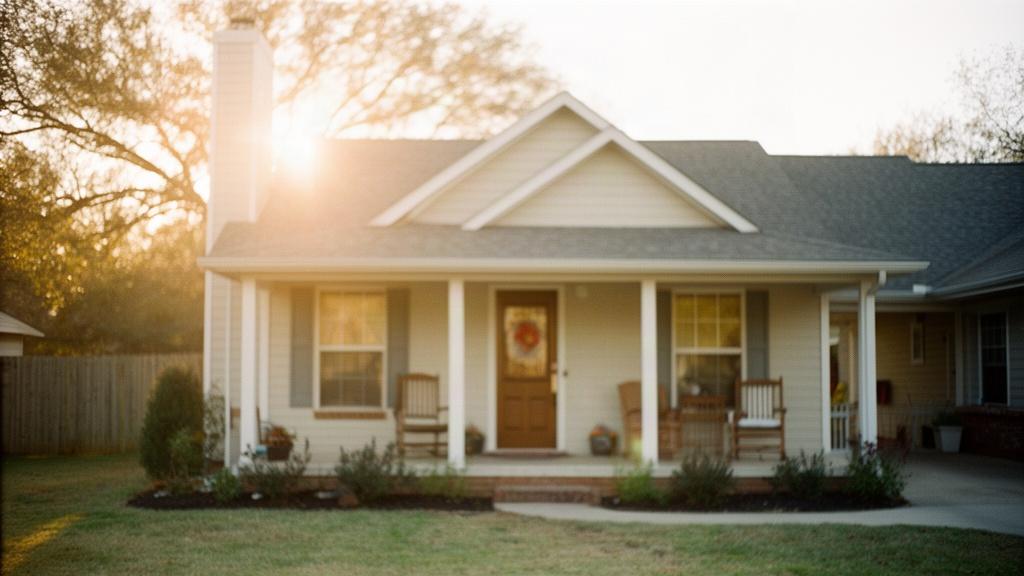
Dilworth is a distinct market within Charlotte because of its age, its architecture, and its position on the map. Most of the housing stock dates from the early 1900s through the 1950s, which means buyers encounter bungalows, Craftsman cottages, foursquares, and Colonial Revivals on tree-lined streets rather than the newer construction that dominates much of the city. Streets like East Boulevard, Ideal Way, and the blocks surrounding Latta Park carry a walkable, established character that newer Charlotte suburbs do not replicate.
The Housing Stock
Original Dilworth bungalows typically sit on lots ranging from 5,000 to 8,500 square feet, with interior square footage between 1,100 and 2,200 square feet for unrenovated or modestly updated homes. Fully renovated or expanded homes, particularly those with rear additions, detached garages converted to studios, or full gut renovations, can push past 2,800 square feet on the same lots. There is also a smaller inventory of townhomes and newer infill construction scattered through the neighborhood, giving buyers a few options beyond the historic cottage style.
Latta Park, the 22-acre green space at the heart of the neighborhood, anchors the southern section and includes a pool, tennis courts, and a dog park. The Little Sugar Creek Greenway runs along the eastern edge of Dilworth and connects to a broader trail network that extends toward South End and Uptown. East Boulevard serves as the commercial spine, with locally owned restaurants, coffee shops, and retail within walking distance of most addresses in the neighborhood.
Location and Commute
Dilworth sits roughly 1.5 to 2 miles south of Uptown Charlotte, making it one of the closest in-town neighborhoods to the city center. Driving to Uptown during off-peak hours takes under ten minutes via South Boulevard or Morehead Street. The LYNX Blue Line light rail runs along the western edge of the neighborhood, with the Tremont Station and the East/West Station providing access to South End and Uptown without a car. That combination of walkability, transit access, and proximity to major employers along the South Corridor makes the neighborhood attractive to a wide range of buyers.
2. What Homes in Dilworth Actually Cost in 2026
Dilworth is one of the higher-priced in-town neighborhoods in Charlotte, and buyers should go in with realistic expectations. As of September 2026, median sale prices in Dilworth are running in the range of $650,000 to $750,000, though the spread is wide depending on condition, lot size, and whether a home has been renovated. Entry-level bungalows needing work can occasionally be found in the upper $400,000s, while fully renovated or expanded homes on larger lots regularly trade above $900,000 and sometimes well past $1 million.
Price Ranges by Property Type
Unrenovated or lightly updated bungalows in the 1,100 to 1,600 square foot range typically list between $480,000 and $600,000 right now, depending on the block and lot depth. Mid-range renovated homes in the 1,800 to 2,400 square foot range cluster between $650,000 and $875,000. Larger renovated homes, infill construction, and properties with detached accessory dwelling units push into the $900,000 to $1.3 million range. Townhomes and newer attached construction, which are less common in Dilworth than in South End, tend to fall between $500,000 and $700,000.
How Dilworth Compares to Nearby Areas
Buyers comparing Dilworth to adjacent neighborhoods will find that South End, directly to the north, skews toward condos and townhomes rather than detached single-family homes. Myers Park, to the east and south, carries even higher price points on average, with many homes trading above $1 million. If you want to understand how those markets fit together, the Myers Park Charlotte real estate market guide on this site breaks down pricing and timing in that corridor in detail.
Price per square foot in Dilworth currently runs between $330 and $480 for most transactions, with outliers on both ends. Homes that have been expanded with rear additions or that sit on double lots can look expensive on a per-square-foot basis but represent strong value relative to comparable square footage in Myers Park. Buyers should focus on price per square foot alongside total price to make meaningful comparisons within the neighborhood.
3. The Full Buying Process in Dilworth Charlotte
The process of buying a home in Dilworth Charlotte follows the same broad steps as any Charlotte purchase, but the specifics of this market require preparation that generic advice does not cover. Inventory is limited, competition is real, and the due diligence period in North Carolina works differently from how contracts function in most other states. Understanding each phase before you start saves time and money.
Getting Pre-Approved
Pre-approval is the first concrete step, and in Dilworth it is non-negotiable before you make an offer. Sellers in this price range expect a pre-approval letter from a recognized lender attached to any offer. A pre-qualification letter, which is based only on self-reported information, will not carry the same weight. Work with a lender who can issue a fully underwritten pre-approval, meaning your income, assets, and credit have already been reviewed, so there are no surprises during the contract period. The NAR's consumer guide on preparing for homeownership outlines what lenders look at and what documents you should have ready before that first conversation.
Working With a Local Agent
Dilworth has a small enough inventory that knowing which homes are about to come to market, which sellers are motivated, and which blocks have had repeated price reductions matters more than in a high-volume suburban market. A local agent who has closed transactions in Dilworth recently will know the difference between a home priced at the top of its range and one that represents genuine value. They will also know the contractors, inspectors, and attorneys who work in this part of Charlotte and can move quickly when you need them.
Making an Offer in a Competitive Market
Well-priced, move-in-ready homes in Dilworth are still drawing multiple offers in September 2026, particularly in the $550,000 to $800,000 range. Homes that need significant work or are priced at the upper end of the market are sitting longer. Knowing which situation you are walking into shapes the offer strategy entirely. An offer on a home that has been sitting for 30 days looks very different from an offer on a home that listed 48 hours ago with a weekend open house scheduled.
For context on how days on market are trending across Charlotte right now, the article on how long homes are sitting on the market in Charlotte compared to last year gives a broader picture of absorption rates and pace across the city.
Due Diligence and Inspection
North Carolina uses a due diligence period rather than a traditional inspection contingency. Once your offer is accepted, you pay a due diligence fee directly to the seller, and you have an agreed-upon window, typically 14 to 21 days in Dilworth transactions, to complete inspections, review HOA documents if applicable, and finalize your financing. During that window, you can walk away for any reason and get your earnest money back, but the due diligence fee itself is non-refundable. This structure puts real money at risk from the moment you go under contract, which is why having a clear inspection strategy before you make an offer matters.
For older Dilworth homes, a standard home inspection should be paired with a sewer scope inspection, given that many homes in the neighborhood still have original clay or cast iron sewer lines running to the street. Electrical panels in homes from the 1940s and 1950s may still contain Federal Pacific or Zinsco panels, which insurers flag. Budgeting for a separate electrical inspection on any home built before 1970 is worth the cost.
4. Closing Costs and Other Expenses Buyers Should Budget For
Total buyer-side closing costs in North Carolina typically run between 2% and 4% of the purchase price, and in Dilworth that means budgeting $13,000 to $30,000 on top of your down payment for a home in the $650,000 to $750,000 range. That figure includes lender fees, title insurance, attorney fees, prepaid items, and the due diligence fee. Each of these categories behaves differently, so understanding them individually prevents surprises at the closing table.
Lender and Title Fees
Lender fees include the origination charge, discount points if you are buying down your rate, appraisal, and credit report fees. On a $700,000 loan, origination fees from most lenders run between $1,500 and $3,500. The appraisal on a Dilworth home typically costs $600 to $900 given the complexity of valuing older, custom-renovated properties. Title insurance in North Carolina is a one-time premium paid at closing; on a $700,000 purchase, expect to pay roughly $1,800 to $2,400 for the owner's policy. North Carolina requires a real estate attorney to conduct the closing, and attorney fees in Charlotte typically run $800 to $1,200.
Due Diligence Fees in North Carolina
The due diligence fee is a negotiated amount paid directly to the seller at contract execution, and it is separate from your closing costs. In Dilworth right now, due diligence fees on competitive listings commonly range from $5,000 to $20,000 depending on the price point and how many competing offers exist. This fee is credited toward your purchase price at closing if the transaction completes, but it is forfeited if you walk away after the due diligence period ends. Buyers relocating from states that use inspection contingencies are often surprised by this structure, so it is worth understanding before you make your first offer.
Prepaid and Escrow Items
Prepaids are not fees in the traditional sense; they are costs you are paying in advance. These include prepaid homeowners insurance for the first year, prepaid property taxes deposited into escrow, and prepaid mortgage interest covering the days between your closing date and the end of the month. On a $700,000 Dilworth home, prepaids and escrow deposits typically add $4,000 to $8,000 to your total cash needed at closing. Mecklenburg County's property tax rate is currently around $0.6169 per $100 of assessed value, so annual taxes on a $700,000 assessed home run roughly $4,300. That figure is prorated at closing based on the portion of the year the seller owned the property.
For a thorough breakdown of how closing costs stack up nationally and what buyers consistently underestimate, HousingWire's closing cost guide is a useful reference alongside your lender's loan estimate.
5. How Long the Buying Process Takes in Dilworth
From the day you start seriously searching to the day you close, buying a home in Dilworth Charlotte typically takes two to four months, though the range can stretch or compress significantly based on inventory and financing. The search phase is the most variable part of the timeline. The contract-to-close phase is more predictable once you are under contract.
From Search to Offer
Dilworth does not have a deep pool of active listings at any given time. In September 2026, the neighborhood typically has between 15 and 30 active single-family listings at any moment, which is a small number relative to the buyer demand the area attracts. Buyers who are flexible on condition and willing to consider homes that need updating tend to find opportunities faster than buyers who are only interested in move-in-ready properties. If your criteria are narrow, plan for a search phase of 60 to 90 days or longer.
Buyers who are also considering condos or attached properties in nearby South End can broaden their options considerably. The guide on buying a condo in Uptown Charlotte covers the condo-specific process for buyers who want to keep adjacent neighborhoods in play while they search in Dilworth.
From Contract to Closing
Once you are under contract, the timeline in Dilworth typically runs 30 to 45 days to closing. The due diligence period occupies the first 14 to 21 days of that window, during which you complete inspections, negotiate any repair credits or price adjustments, and finalize your loan. After due diligence ends, the transaction moves into the closing preparation phase: the lender orders the appraisal if it has not already been completed, the title attorney conducts the title search, and the closing disclosure is issued at least three business days before closing.
Appraisals on older Dilworth homes can occasionally cause delays if the appraiser struggles to find comparable sales that support the contract price. This is more common on renovated homes where the seller has made significant improvements that are not well-represented in recent sales data. Having your agent prepare a renovation summary and a list of comparable sales to share with the appraiser can help the process move smoothly. The NAR's guide on steps between signing and closing is a clear walkthrough of what happens in that contract-to-close window and what buyers are responsible for at each stage.
Buyers who are also planning to sell an existing home in Charlotte while purchasing in Dilworth face an additional layer of timing coordination. The article on selling a home in Charlotte: pricing, timeline and what to expect covers the seller side of that equation in depth.
FAQ
Is Dilworth a competitive market for buyers right now?
Yes, Dilworth remains competitive in September 2026, particularly for move-in-ready homes priced between $550,000 and $800,000. Well-priced listings in that range are still drawing multiple offers within the first week. Homes that need significant work or are priced above $950,000 are sitting longer and giving buyers more negotiating room. The key is knowing which category a specific listing falls into before you decide on your offer strategy, which is where a local agent with recent Dilworth transaction experience makes a concrete difference.
How much should I budget for a down payment and closing costs combined in Dilworth?
On a $700,000 home in Dilworth, a conventional buyer putting 20% down would need $140,000 for the down payment plus roughly $14,000 to $28,000 in closing costs and prepaids, for a total cash requirement of approximately $154,000 to $168,000. Add the due diligence fee, which could be $5,000 to $15,000 on a competitive listing, and your total out-of-pocket before closing could reach $175,000 or more. Buyers using programs that allow lower down payments will have less cash required upfront but should factor in private mortgage insurance costs, which add to the monthly payment. Getting a loan estimate from your lender before you start making offers gives you an accurate picture of your specific numbers.
What should I watch out for when buying an older home in Dilworth?
Dilworth's housing stock is one of its biggest draws, but older homes come with specific inspection priorities that buyers should plan for. Sewer line condition is the most common issue in the neighborhood: many homes still have original clay or cast iron lines that have deteriorated over decades, and a sewer scope inspection costs $150 to $300 but can reveal a $5,000 to $15,000 repair before you are committed. Older electrical panels, particularly Federal Pacific and Zinsco brands, are a known insurance issue and should be evaluated by a licensed electrician separately from the general home inspection. Foundation issues are less common in Dilworth than in some other Charlotte neighborhoods, but pier-and-beam foundations on homes from the 1920s and 1930s should be inspected carefully for moisture damage and wood rot.