

← Back to Blog
Buying
Buying a Home in Ballantyne Charlotte: Would You Recommend It? Process, Costs and Timeline
By Mark Weinberg
Albrick · DRE# 285870 / 111356
September 16, 2026 · 11 min read
Buying a home in Ballantyne Charlotte is a decision worth examining closely, and the honest answer depends on what you are looking for in a home, a commute, and a community. This guide walks through the complete process, the real costs, and a realistic timeline so you can make a well-informed decision before you ever schedule a showing. Whether you are relocating to Charlotte, moving within the metro, or comparing Ballantyne to other parts of the city, here is what you need to know.
1. What Is Ballantyne and What Does the Housing Stock Look Like?
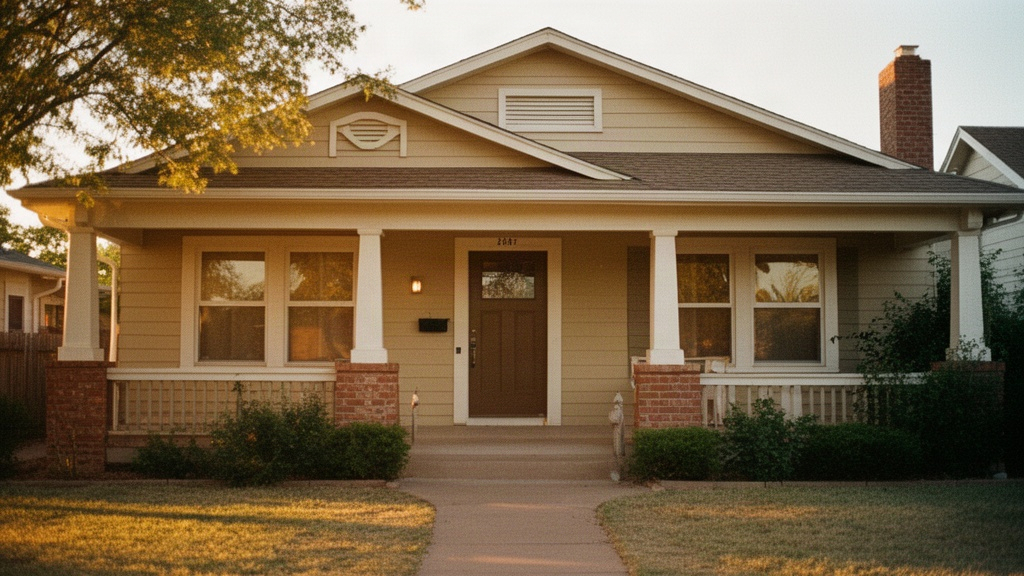
Ballantyne sits in the southern tip of Charlotte, roughly 15 to 17 miles from Uptown, straddling the border with South Carolina. It is a planned, master-developed area that grew rapidly from the late 1990s through the 2010s, which means most of the housing stock is relatively uniform in age: brick-front single-family homes, townhomes, and a growing number of newer construction builds. The area is anchored by the Ballantyne Corporate Park, a large office campus that houses regional and national corporate tenants, and the Ballantyne Hotel, which gives the area a distinct suburban professional character.
The Geography and Layout
The Ballantyne area is not a single subdivision but a collection of planned communities. Neighborhoods like Ballantyne Country Club, Piper Glen, Firethorne, and Ardrey are all part of the broader Ballantyne corridor. Each has its own character: Ballantyne Country Club wraps around a private golf course, while communities closer to Ardrey Kell Road tend to feature newer construction from the 2010s and 2020s. The area is served by a grid of well-maintained roads including Johnston Road, Rea Road, and Providence Road West, and it connects to I-485 at multiple points.
What Types of Homes Are Available
The dominant housing type in Ballantyne is the detached single-family home, typically ranging from 2,000 to 5,000 square feet on lots between 0.15 and 0.35 acres. Townhomes are concentrated near Ballantyne Commons Parkway and in newer pockets along Rea Road. You will also find a smaller number of larger estate-style homes inside gated communities like Ballantyne Country Club, where square footage can exceed 6,000 and lots are correspondingly larger. New construction continues to appear at the southern edge of the corridor, particularly near the Ballantyne Overlook and Waverly developments, where mixed-use planning has brought retail, restaurants, and residential units together.
If you are comparing Ballantyne to other parts of Charlotte, it is worth reading about the broader Charlotte market context to understand where Ballantyne prices sit relative to the city as a whole.
2. What Does It Actually Cost to Buy a Home in Ballantyne?
Ballantyne is one of Charlotte's higher-priced residential corridors, and the numbers reflect that. As of September 2026, buyers should expect to spend more here than in most other parts of the city outside of Myers Park and Eastover. That said, the range is wide enough that both move-up buyers and entry-level buyers looking at townhomes can find something.
Current Price Ranges by Home Type
Townhomes in Ballantyne currently list and close in the $380,000 to $520,000 range, depending on square footage, finishes, and whether the unit is a newer build or resale. Entry-level single-family homes, typically older builds from the late 1990s to mid-2000s with three bedrooms and around 2,000 to 2,400 square feet, are priced from roughly $530,000 to $650,000. Mid-range single-family homes with four to five bedrooms, updated kitchens, and finished basements generally fall between $650,000 and $950,000. Homes inside Ballantyne Country Club and other gated or golf-course communities routinely list above $1 million, with the upper end reaching $2.5 million or more for custom builds.
Closing Costs and Upfront Expenses
Closing costs in North Carolina typically run between 2% and 4% of the purchase price, which means buyers in Ballantyne should budget between $13,000 and $38,000 in closing costs on a $650,000 home, depending on loan type and lender fees. These costs include lender origination fees, title insurance, attorney fees (North Carolina requires a real estate attorney at closing), recording fees, and prepaid items like homeowners insurance and property tax escrow. Property taxes in Mecklenburg County currently run around 0.84% of assessed value annually, though your specific rate depends on the city versus county jurisdiction and any special district assessments.
Beyond closing costs, buyers in Ballantyne need to account for the due diligence fee, which is a negotiated, non-refundable payment made directly to the seller at contract execution. In the current Ballantyne market, due diligence fees on competitive listings often range from $5,000 to $25,000 or more, and that money is at risk if you walk away from the deal for any reason. Earnest money is separate and is typically refundable under specific contract conditions. For a thorough breakdown of all the costs involved, the HousingWire guide to closing costs is a useful reference for understanding where every dollar goes.
HOA fees are another line item that buyers sometimes underestimate. Most Ballantyne communities carry monthly HOA fees, which cover common area maintenance, amenities like pools and tennis courts, and in some cases exterior maintenance for townhomes. Fees range from around $40 per month in basic single-family neighborhoods to $300 or more per month in communities with full amenity packages or gated access. Ballantyne Country Club carries additional dues on top of any base HOA fee if you choose to join the golf or social membership.
3. The Step-by-Step Buying Process in Ballantyne
The process of buying a home in Ballantyne follows North Carolina's standard purchase contract framework, but there are local nuances that matter. North Carolina is a due-diligence state, which fundamentally changes how offers are structured compared to states that use contingency-based contracts. Understanding this before you make your first offer will save you from expensive surprises.
Getting Pre-Approved and Setting a Budget
Start with a mortgage pre-approval, not a pre-qualification. A pre-approval involves a full credit pull and income verification, and it carries real weight with sellers in a competitive market like Ballantyne. Sellers routinely receive multiple offers on well-priced listings, and an offer without a strong pre-approval letter is at a disadvantage before negotiations even begin. Work with a lender who is familiar with the Charlotte market and can turn around a commitment letter quickly when you find the right property.
When setting your budget, do not stop at the purchase price. Factor in your down payment, closing costs, due diligence fee, moving expenses, and any immediate repairs or updates you anticipate. Many buyers in Ballantyne are purchasing homes that are 15 to 25 years old, and while most are well-maintained, deferred maintenance on HVAC systems, roofs, and water heaters is common. The NAR's consumer guide to preparing for homeownership walks through the financial readiness checklist in plain language.
Making an Offer and Going Under Contract
In North Carolina, the offer is made using the standard Offer to Purchase and Contract form, which specifies the purchase price, the due diligence fee, the due diligence period (typically 21 to 30 days), the earnest money deposit, and the closing date. The due diligence fee is paid directly to the seller at contract execution and is non-refundable. It compensates the seller for taking the home off the market while you conduct inspections and secure financing. If you proceed to closing, the due diligence fee is credited toward your purchase price.
In competitive situations, buyers sometimes waive or shorten the due diligence period to make their offer more attractive. This is a significant risk and should be discussed carefully with your agent before you do it. Mark Weinberg of Albrick has navigated dozens of competitive Ballantyne offers and can help you structure an offer that is competitive without exposing you to unnecessary financial risk.
Due Diligence, Inspections and Appraisal
Once under contract, the due diligence period is your window to investigate the property thoroughly. A standard home inspection typically costs $400 to $600 in the Charlotte area for a home in the 2,500 to 4,000 square foot range. Many buyers in Ballantyne also commission a separate HVAC inspection, a radon test (the Piedmont region does have measurable radon in some homes), and a sewer scope if the home is older. Budget $600 to $1,200 for the full suite of inspections.
Your lender will order an appraisal once the inspection contingency is resolved. Appraisals in the Charlotte market currently run $500 to $750 and take one to two weeks to complete. If the appraisal comes in below the contract price and you do not have an appraisal gap coverage clause in your offer, you will need to renegotiate with the seller or make up the difference in cash. In a market like Ballantyne where prices have remained strong, appraisal gaps are a real possibility on aggressively priced listings.
4. How Long Does It Take to Buy a Home in Ballantyne?
From the day you start actively searching to the day you receive keys, most Ballantyne buyers should plan for a timeline of 60 to 120 days. The range is wide because it depends heavily on how quickly you find a home, how competitive the offer process is, and whether any issues arise during due diligence.
Market Pace in September 2026
The Ballantyne corridor currently sits in a market that is more balanced than the frenzied pace of 2021 and 2022, but it is not a buyer's market by most measures. Well-priced homes in the $550,000 to $800,000 range are moving in under 20 days on average, and multiple-offer situations still occur on properties that are staged well and priced at or below market. Homes priced above $1 million are sitting longer, often 45 to 75 days, giving buyers more room to negotiate. For a broader look at how days on market have shifted across Charlotte this year, the Charlotte days-on-market comparison provides useful context.
Realistic Timeline from Search to Keys
Week 1 to 2: Get pre-approved, define your criteria, and begin touring homes with your agent. Week 2 to 6: Active search period, including multiple showings and potentially one or more unsuccessful offers before going under contract. Week 6 to 9: Due diligence period, inspections, appraisal, and any renegotiation with the seller. Week 9 to 12: Loan processing, final underwriting, and attorney preparation for closing. Closing day itself typically takes one to two hours at the attorney's office.
If you are relocating from out of state, plan for at least one dedicated house-hunting trip of three to five days, ideally timed when you already have your pre-approval in hand. Remote offers are possible in today's market, but Ballantyne's price points make it worth seeing properties in person before committing a substantial due diligence fee. For buyers relocating specifically to Charlotte, the relocation guide for Charlotte neighborhoods covers how Ballantyne compares to other parts of the metro in terms of commute patterns and housing options.
5. Practical Things to Know Before You Buy in Ballantyne
Buying a home in Ballantyne Charlotte involves a few area-specific considerations that do not come up in every Charlotte neighborhood. Knowing these in advance will help you avoid surprises after you are already under contract.
HOA Fees and Community Rules
Nearly every community in Ballantyne has an HOA, and the rules can be detailed. Before going under contract, request the HOA's governing documents, current budget, reserve fund balance, and meeting minutes from the past 12 months. A reserve fund that is underfunded relative to the community's age and infrastructure is a warning sign for future special assessments. Some Ballantyne communities also have architectural review committees that govern exterior changes, fence installation, and landscaping modifications, which matters if you plan to customize the property.
Commute Times and Connectivity
Ballantyne is approximately 15 to 17 miles from Uptown Charlotte via I-485 and I-77, and commute times vary significantly by time of day. During peak morning hours, the drive from Ballantyne to Uptown can take 35 to 55 minutes. Off-peak, the same trip runs 25 to 35 minutes. The area does not currently have light rail access, though the CATS Silver Line BRT project, which is in planning and early development phases, is intended to eventually improve transit connectivity in the southern corridor. If you work in the Ballantyne Corporate Park itself, the commute is essentially eliminated, which is a meaningful factor for buyers employed by companies headquartered there.
The Waverly development at the corner of Providence Road West and Ardrey Kell Road has added a significant retail and dining cluster to the area, including a Harris Teeter, multiple restaurants, and service businesses. The Ballantyne Commons area along Johnston Road has additional grocery options, a movie theater, and a range of national and local retailers. Buyers who prioritize walkability should note that Ballantyne is designed around the car; most errands require driving, and Walk Score ratings for most addresses in the area reflect that.
Schools and Research Resources
School zoning in Ballantyne is managed by Charlotte-Mecklenburg Schools, and the specific school assigned to a given address depends on the street address, not the subdivision name or general neighborhood. This matters because two homes on the same street can occasionally fall into different attendance zones. Always verify the assigned schools for a specific property using the CMS school locator tool at cms.k12.nc.us before making a final decision. For a detailed breakdown of how zoning works across the Ballantyne corridor, the Ballantyne school districts and zoning guide covers the specifics in depth.
School assignment is a personal research decision, and buyers should consult the North Carolina Department of Public Instruction and Charlotte-Mecklenburg Schools directly for current performance data and enrollment information. Private school options in the southern Charlotte corridor include Ardrey Kell-area independent schools and several faith-based institutions within a 10 to 15 minute drive. These are worth researching independently if your household's plans include private enrollment.
FAQ
Is now a good time to be buying a home in Ballantyne Charlotte?
In September 2026, Ballantyne's market is more balanced than it was during the peak years of 2021 and 2022, which gives buyers somewhat more room to negotiate, particularly on homes priced above $1 million. That said, well-priced homes in the $550,000 to $800,000 range are still moving quickly, often in under 20 days. Whether the timing is right for you depends on your financial readiness, your timeline, and how long you plan to stay in the home. Buyers who plan to hold for five or more years are generally in a stronger position to weather any short-term price fluctuations. Speaking with a local agent who tracks Ballantyne's specific price trends will give you a clearer picture than any general market index.
What is the due diligence fee in North Carolina and how does it affect buyers in Ballantyne?
North Carolina's due diligence fee is a negotiated, non-refundable payment made directly to the seller when a purchase contract is signed. It compensates the seller for removing the property from the market while the buyer conducts inspections and arranges financing. In Ballantyne's current market, due diligence fees on competitive listings commonly range from $5,000 to $25,000, and on highly sought-after properties, they can go higher. This money is at risk if you terminate the contract for any reason during the due diligence period, so it is critical to move quickly on inspections and financing decisions. Your agent's experience structuring offers in this framework is one of the most important factors in protecting your financial exposure.
How do Ballantyne home prices compare to other Charlotte neighborhoods?
Ballantyne is among Charlotte's higher-priced residential corridors, with single-family homes generally ranging from around $530,000 on the lower end to well above $2 million in gated or golf-course communities. This puts it above the Charlotte metro median but below the price points in neighborhoods like Myers Park and Eastover, where comparable square footage often commands a significant premium due to location and lot size. Townhomes in Ballantyne start in the high $300,000s, which is competitive for the level of finish and community amenities typically included. For a full picture of how prices stack up across the metro, the Charlotte average home price guide for September 2026 provides current figures and context.