← Back to Blog
Market Trends
Charlotte, North Carolina this year real estate market guide: prices, neighborhoods and timing
By Mark Weinberg
Albrick · DRE# 285870 / 111356
October 5, 2026 · 4 min read
This practical Charlotte, North Carolina this year real estate market guide: prices, neighborhoods and timing gives local buyers, sellers and relocating families concrete numbers, commute facts and timing advice for October 2026. Read quick neighborhood price ranges, what inventory looks like in different parts of the city, and clear next steps for making a move in Charlotte.
1. Quick Market Snapshot
Current headline figures. As of October 2026 Charlotte shows a median single family home price near local reports of $420,000 to $440,000 depending on source, with condo medians lower in Center City. Inventory is higher in outer suburbs than in Uptown neighborhoods, and average days on market have lengthened compared with early 2026.
2. Neighborhood Price Ranges and Housing Types
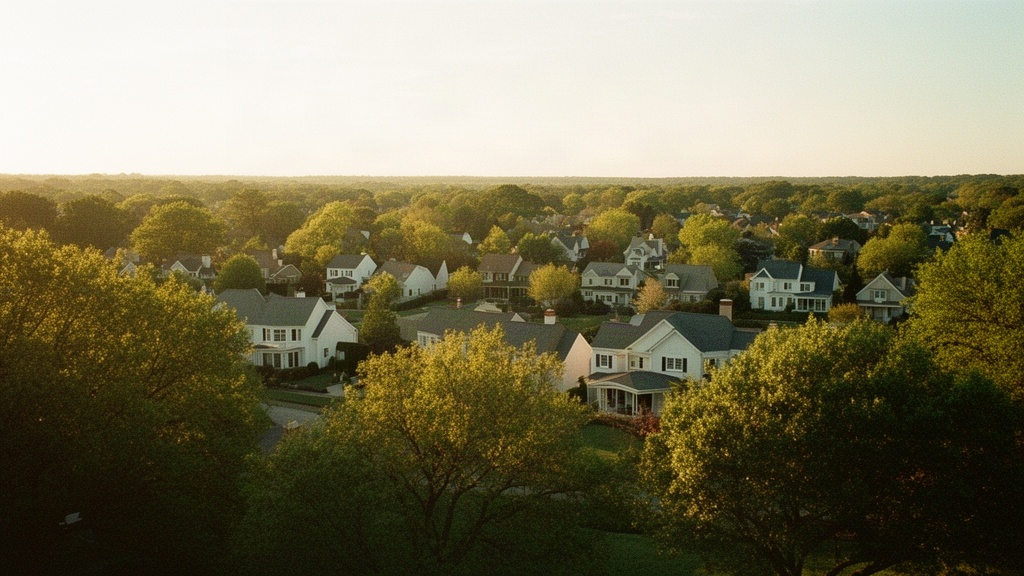
Short answer on neighborhoods. Charlotte's housing stock varies from Uptown high rise condos to early 20th century bungalows in neighborhoods like Plaza Midwood and Myers Park, to larger newer subdivisions in Ballantyne and the northern Lake Norman corridor; each area shows distinct price bands and lot sizes.
Uptown and Center City condos
Price and product. One bedroom condos in Uptown commonly list from the mid $200s into the $400s depending on building amenities and view; two bedroom units often move into the $400s through $700s. Newer towers near Truist Field and the Rail Trail carry HOA fees that reflect onsite gyms and valet services.
Inner neighborhoods and historic stock
Bungalows, craftsman, and tree-lined blocks. Neighborhoods such as Dilworth, Plaza Midwood, and Myers Park include older, renovated homes on smaller lots; typical sale prices range from roughly the high $500s to the low $1,000,000s depending on lot, renovation level, and proximity to SouthPark or Uptown.
Suburban sections: Ballantyne, South Charlotte, North Mecklenburg
Larger lots and newer construction. Newer subdivisions in Ballantyne and south Charlotte typically offer 3 to 5 bedroom homes on quarter acre to half acre lots, with prices that commonly sit between $450,000 and $850,000. North Mecklenburg suburbs and Lake Norman area developments have higher price tiers for waterfront and custom homes.
3. Timing: When to Buy or Sell in Charlotte
Direct timing advice. Seasonal peaks in listings typically occur in spring, while fall can present motivated sellers and less competition; however current mortgage rate moves and local employment news affect timing more than season alone in 2026.
Seasonal and event-driven timing
What to expect by season. Spring sees the largest inventory influx. Summer maintains demand near schools' schedules. Fall and winter often have fewer listings and sometimes faster negotiations for priced-right homes, especially after major local events or corporate hiring announcements.
Interest rates, financing, and windows to act
Finance-driven timing matters most. Locking a mortgage rate can be more important than listing month. Watch local lender queues for rate lock availability and prepare documents early to move quickly when you find the right property.
4. Practical Next Steps for Buyers and Sellers
Buyers first steps. Get preapproved by a lender who works in Mecklenburg County, decide on preferred neighborhoods and commute tolerances, and set alerts for new listings in those zip codes. Have inspections and appraisal expectations discussed upfront.
- Preapproval: Obtain a preapproval letter from a local lender to show sellers you are ready to move.
- Target list: Create a list of top 5 zip codes by commute time and housing type.
- Inspections: Budget for inspection and potential repairs, typically $400 to $800 for standard home inspections locally.
Sellers checklist. Price with local comps, invest in curb appeal and targeted repairs, and time your listing to local buyer traffic. Prepare a net sheet with Mark Weinberg to understand proceeds after Mecklenburg County taxes and typical closing costs.
- Pricing: Compare recent closed sales within 0.5 mile and 90 days for accurate comps.
- Repairs: Address safety and major systems first, then cosmetic touches with the highest return.
- Marketing: Professional photos, floor plans, and neighborhood highlight sheets increase buyer interest.
5. Local Resources and What to Check Yourself
Where to verify area facts. For objective information check Charlotte-Mecklenburg Schools pages for zoning, the City of Charlotte and Mecklenburg County sites for permit and tax data, and local police department pages for published incident reports. Census data shows population and housing characteristics.
Further market reading. If you want a deeper, numeric read of current trends and how Charlotte's market is adjusting, regional market guides provide week by week and county level charts.
6. Final Takeaways and Immediate Next Steps
Short, actionable summary. Charlotte's market this year is showing varied movement by neighborhood; check local price bands, prepare finance documents, and time your listing around inventory in your specific pocket of the city. For a custom plan and a net proceeds or affordability calculation, contact Mark Weinberg of Albrick to get neighborhood-level data and a clear next step.
FAQ
What are typical commute times from common Charlotte neighborhoods to Uptown?
Commute times vary by direction and time of day; for example driving from Ballantyne to Uptown typically takes 20 to 35 minutes without heavy traffic, while routes from northern suburbs like Huntersville or Concord often take 25 to 45 minutes. Public transit options such as the LYNX Blue Line serve South End and Uptown corridors, but many suburbs rely on driving. See my deeper commute guide for specifics at /agent/marksellscharlotte/blog/huntersville-to-uptown-charlotte-commute-drive-time-transit.
Are home prices in Charlotte dropping this year?
Charlotte shows pockets of price adjustment rather than a uniform drop; some neighborhoods have seen slower appreciation and longer days on market compared with spring, while other areas with constrained inventory remain steady. For contextual reporting on whether the market is cooling or adjusting, review regional commentary and data aggregators that track inventory and price trends over time.
How can I estimate closing costs and taxes for a Charlotte home?
Closing costs in Mecklenburg County include lender fees, title charges, prorated taxes, and recording fees; a good rule of thumb is 2 to 3 percent of sale price for buyers and 6 to 8 percent for sellers including commissions unless otherwise negotiated. For property tax calculations on specific price points, see my local guide to Mecklenburg County property taxes at /agent/marksellscharlotte/blog/mecklenburg-county-property-taxes-how-calculated-450000-home.