

← Back to Blog
Neighborhoods
NoDa Charlotte Real Estate Market Guide: Prices, Neighborhoods and Timing
By Mark Weinberg
Albrick · DRE# 285870 / 111356
September 18, 2026 · 11 min read
NoDa, Charlotte's arts district, has built a strong reputation as one of the city's most distinctive real estate markets, and right now in September 2026 it is drawing serious attention from buyers, sellers, and people relocating from across the country. This guide covers everything you need to know: current prices, what the housing stock actually looks like, how the neighborhood is laid out, and the timing factors that matter most whether you are buying or selling.
1. What Makes NoDa's Real Estate Market Distinct
NoDa is Charlotte's original arts district, and its real estate market reflects that identity in concrete, measurable ways. The neighborhood sits roughly two miles northeast of Uptown Charlotte, straddling North Davidson Street between 36th Street and the older industrial corridors near Parkwood Avenue. Unlike newer master-planned communities elsewhere in Mecklenburg County, NoDa grew organically from a 19th-century textile mill village, and that history is visible in every block.
The Physical Neighborhood
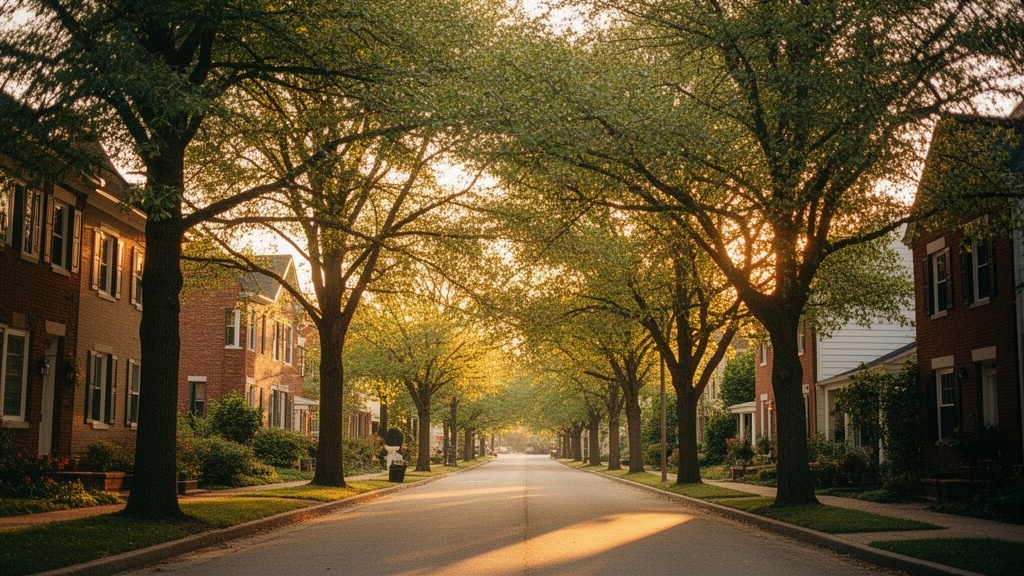
NoDa is compact and walkable by Charlotte standards. The core of the district runs along North Davidson Street, lined with converted mill buildings now housing galleries, music venues, coffee shops, breweries, and independent restaurants. Streets like 36th, 37th, and Matheson Avenue branch off the main corridor into residential blocks with tight lot spacing, mature tree canopy, and sidewalks that connect directly to the commercial strip. The Gold Line light rail extension, which added the 36th Street and Sugar Creek stations to the LYNX Blue Line network, means residents can reach Uptown Charlotte in under ten minutes by train.
The neighborhood boundaries are informal but generally understood as North Davidson Street to the west, Sugar Creek Road to the north, The Plaza to the east, and 36th Street to the south. Some buyers also consider the adjacent Optimist Park and Villa Heights pockets when shopping the NoDa corridor, since those areas share similar architecture, walkability, and proximity to the light rail.
Housing Stock and Architecture
NoDa's housing stock is genuinely varied, which is part of what makes it interesting to shop. The oldest homes are Craftsman bungalows and mill worker cottages from the early 1900s, typically 900 to 1,400 square feet on lots of 5,000 to 7,500 square feet. These sit alongside mid-century ranches from the 1950s and 1960s, and a growing inventory of infill construction: new townhomes, small-lot single-family homes, and low-rise condominiums built since 2015 as demand for walkable urban living in Charlotte accelerated.
Older bungalows have been renovated to varying degrees. Some have been fully updated with open floor plans, modern kitchens, and new mechanicals; others retain original wood floors, built-in cabinetry, and smaller room configurations that appeal to buyers who want historic character. New construction townhomes in NoDa typically run three stories, with rooftop decks or private outdoor space on upper levels, two-car garages on the ground floor, and open-plan living areas in between. Buyers should check Charlotte's property records for permit history on any renovated cottage, since the quality of updates varies considerably.
2. NoDa Charlotte Home Prices Right Now
NoDa commands a price premium over many Charlotte neighborhoods because of its walkability, transit access, and limited supply of detached homes. As of September 2026, the median sale price for a single-family home in the NoDa zip code (28205, which also covers parts of Plaza Midwood and Chantilly) sits in the range of $480,000 to $530,000, depending on condition and lot size. Fully renovated Craftsman bungalows with updated kitchens and new HVAC systems are trading at the upper end of that band or above it.
Current Price Ranges by Property Type
Pricing in NoDa in September 2026 breaks down roughly as follows across the main property categories:
- Original mill cottages and bungalows (unrenovated or partially updated): roughly $350,000 to $430,000, depending on lot size and structural condition.
- Fully renovated Craftsman bungalows: $480,000 to $600,000 for homes in the 1,100 to 1,600 square foot range.
- New construction townhomes: $450,000 to $580,000 for two to three bedroom units with attached garages.
- Condominiums and loft-style units: $280,000 to $420,000, with converted mill lofts at the higher end due to ceiling heights, exposed brick, and unique floor plans.
- Larger infill single-family homes (2,000 square feet and above): $620,000 to $800,000 for newer construction on double lots or premium corner positions.
These ranges reflect active listings and recent closed sales in the NoDa corridor as of this month. Price per square foot in NoDa currently runs between $290 and $380 for single-family homes, which is meaningfully higher than the Charlotte metro median. For broader context on what Charlotte home prices look like across the city, the article on average home prices in Charlotte in September 2026 gives a useful metro-wide baseline.
How NoDa Prices Compare to the Broader Charlotte Market
NoDa prices are noticeably higher per square foot than outer-ring Charlotte communities, but the trade-off is density of amenities and transit access that those areas do not offer. A buyer who would spend $480,000 in NoDa for a 1,300-square-foot renovated bungalow could find a 2,200-square-foot home in a community like Steele Creek or University City for a similar price. The difference is entirely about lifestyle priorities: walkability, proximity to Uptown, and access to the LYNX Blue Line versus square footage and newer construction.
Charlotte's housing market as a whole has shown resilience through the 2025-2026 period. As HousingWire has reported on Charlotte's market adjustments, the metro has been navigating a price adjustment phase rather than a sharp correction, with in-fill urban neighborhoods like NoDa holding value better than suburban areas because supply remains constrained.
3. Living in NoDa: Commutes, Amenities and Day-to-Day Life
NoDa's day-to-day livability is rooted in its physical layout and transit connections, not just its cultural identity. Residents have walkable access to a dense concentration of restaurants, bars, coffee shops, and music venues within a few blocks, and light rail access to Uptown Charlotte in under ten minutes. That combination is unusual in Charlotte, where most neighborhoods require a car for nearly every errand.
Getting Around from NoDa
The LYNX Blue Line's 36th Street and Sugar Creek stations put NoDa residents within a short walk of direct rail service to Uptown Charlotte, South End, and the Scaleybark area. The train ride from 36th Street station to the Uptown stations (Trade Street or 7th Street) takes approximately eight to ten minutes. For residents commuting to major Uptown employers, including the large banking and financial services firms headquartered there, this is a genuine alternative to driving.
By car, NoDa is roughly two miles from the center of Uptown Charlotte, a drive that takes five to twelve minutes depending on time of day. Interstate 85 is accessible via North Tryon Street or Sugar Creek Road, connecting NoDa to the University City corridor to the northeast and to the airport via I-85 South in approximately 25 to 30 minutes under normal traffic conditions. Charlotte Douglas International Airport is roughly 12 miles from NoDa.
What Is Actually There
North Davidson Street between 36th and 40th Streets is the commercial spine of the neighborhood. Residents have walkable access to multiple independent breweries including NoDa Brewing Company, which opened in the neighborhood before relocating its production facility while maintaining a taproom presence; several live music venues; art galleries; and a rotating mix of restaurants covering a wide range of cuisines. The monthly NoDa Art Crawl has taken place on the first Friday of each month for over two decades and draws visitors from across Charlotte.
For outdoor space, Cordelia Park sits just east of the neighborhood core and includes athletic fields, a community garden, and open green space along Little Sugar Creek. The Little Sugar Creek Greenway runs through the area and connects to a larger network of trails extending south toward Freedom Park and north toward the Nevin Road area. Grocery access requires a short drive or bike ride; the closest full-service grocery options are along The Plaza or North Tryon Street.
4. Timing the NoDa Market: When to Buy and When to Sell
Timing in NoDa follows Charlotte's broader seasonal patterns, but with some nuances specific to the neighborhood's tight supply. Because NoDa has a relatively small number of detached single-family homes compared to the demand for them, the market here tends to move faster than the Charlotte metro average, and well-priced listings in good condition still attract multiple offers even in slower seasonal windows.
Seasonal Patterns in NoDa
Spring, specifically March through May, is when NoDa sees the highest volume of new listings and the most buyer activity. Sellers who list in late February or early March tend to capture peak buyer attention. Summer activity holds reasonably well in NoDa compared to suburban Charlotte because the neighborhood attracts buyers who are already living in Charlotte and actively searching rather than relocating families tied to school calendars.
Fall, including September and October, is a solid secondary window for both buyers and sellers in NoDa. Inventory tends to be lower than spring, but so is buyer competition, which can create more negotiating room on price and terms. Buyers who missed out on spring listings often re-enter the market in September with renewed urgency. December and January are the slowest months, with fewer listings and fewer active buyers, though motivated sellers who list in January occasionally capture serious buyers with limited competition.
Market Conditions in September 2026
Right now, in September 2026, NoDa sits in a market that is more balanced than the frenzied conditions of 2021 and 2022, but not a buyer's market in any straightforward sense. Days on market for NoDa homes have extended compared to the peak years; properties that might have gone under contract in three to five days in 2022 are now sitting for two to four weeks before going under contract. That shift gives buyers more time to conduct due diligence and negotiate, but well-priced and well-presented homes are still moving.
Sellers in NoDa currently need to price accurately from day one. Overpriced listings are sitting, accumulating days on market, and eventually selling below original ask after price reductions. Buyers watching the market closely know this and are using extended days on market as a negotiating signal. For sellers, the article on selling a home in Charlotte in 2026 covers the pricing and preparation process in detail.
5. What Buyers and Sellers Need to Know Before Transacting in NoDa
NoDa has specific transaction considerations that differ from buying or selling in newer Charlotte suburbs, and going in without that knowledge costs buyers and sellers real money. The age of the housing stock, the mix of property types, and the neighborhood's zoning evolution all create due diligence requirements that do not apply in the same way in a community of homes built after 2005.
Key Considerations for Buyers
- Inspection depth matters more here: Homes built before 1978 may have lead paint and older knob-and-tube or aluminum wiring. Budget for a thorough inspection that includes the electrical system, plumbing, foundation, and any additions or renovations the seller completed.
- HOA status varies widely: Older bungalows are typically non-HOA properties with no monthly fees, while newer townhome developments and condo buildings carry HOA dues ranging from $150 to $450 per month. Confirm HOA status and review documents before going under contract.
- Parking is constrained: Many original cottages have one off-street parking space or none at all. New townhomes typically include an attached two-car garage. If you own more than one vehicle, verify the parking situation before making an offer.
- Zoning and short-term rental rules: Charlotte's zoning code governs short-term rental use in NoDa. If you are considering using the property as an Airbnb or VRBO, verify current City of Charlotte zoning rules and any HOA restrictions before purchasing.
- Flood zone awareness: Portions of NoDa near Little Sugar Creek sit in or near FEMA-designated flood zones. Check the FEMA flood map for any specific property before making an offer, as flood insurance adds meaningfully to carrying costs.
Key Considerations for Sellers
- Pre-listing preparation is visible here: NoDa buyers are often design-conscious and will notice deferred maintenance, dated finishes, and cosmetic issues more acutely than buyers in markets where newer construction is the norm. Fresh paint, landscaping, and updated light fixtures return disproportionate value.
- Highlight the walkability and transit story: Buyers paying a premium for NoDa are specifically paying for proximity to the light rail and the North Davidson Street corridor. Your listing description and marketing should quantify walk times to the 36th Street station and the main commercial block.
- Disclose known issues upfront: North Carolina is a disclosure state. Older homes in NoDa often have deferred maintenance items that buyers will discover during inspection. Getting ahead of known issues with a pre-listing inspection and repair credits reduces the chance of a deal falling apart after due diligence.
- Pricing precision matters: NoDa's comparable sales pool is small because the neighborhood is small. A single outlier sale can skew a Zestimate significantly. Work with an agent who has closed transactions in the NoDa corridor specifically and can build a defensible comparative market analysis from actual closed data.
If you are relocating to Charlotte and considering NoDa alongside other urban neighborhoods, the broader guide on relocating to Charlotte covers how NoDa fits into the larger picture of Charlotte's in-town real estate options, including Dilworth, South End, and Plaza Midwood.
Mark Weinberg of Albrick has worked extensively in Charlotte's urban core neighborhoods and brings specific knowledge of the NoDa market to both buyer and seller transactions. Whether you are evaluating a renovated bungalow on Matheson Avenue or a new townhome a block from the light rail, having an agent who understands the neighborhood's pricing nuances and transaction quirks makes a real difference in outcome.
FAQ
Is NoDa Charlotte a good area to buy a home right now in September 2026?
NoDa offers a specific combination of walkability, light rail access, and historic housing stock that is difficult to find elsewhere in Charlotte, and as of September 2026 the market is more balanced than it was during the 2021 to 2022 peak, giving buyers more time to conduct due diligence. Prices remain elevated relative to the Charlotte metro median because supply of detached homes in NoDa is genuinely limited. Whether the neighborhood fits your situation depends on your budget, your tolerance for smaller square footage, and how much value you place on proximity to Uptown and the North Davidson Street corridor. A buyer who needs 2,500 square feet and a large yard will find better value elsewhere; a buyer who prioritizes walkability and transit access will find NoDa compelling at current prices. The best starting point is reviewing active listings against your specific criteria with an agent who knows the neighborhood's pricing patterns.
What is the typical price per square foot in NoDa Charlotte?
As of September 2026, price per square foot in NoDa for single-family homes runs between approximately $290 and $380, depending on condition, lot size, and property type. Fully renovated Craftsman bungalows with updated mechanicals and modern kitchens sit at the upper end of that range, while unrenovated or partially updated cottages fall toward the lower end. New construction townhomes typically price in the $300 to $360 per square foot range. Condo and loft-style units vary more widely, with converted mill lofts commanding premiums for ceiling heights and unique floor plans. These figures reflect closed sales and active listings in the NoDa corridor; comparable sales in adjacent pockets like Optimist Park or Villa Heights may price slightly differently.
How long does it typically take to sell a home in NoDa Charlotte?
In September 2026, NoDa homes that are accurately priced and well-presented are typically going under contract within two to four weeks of listing, compared to three to seven days during the 2021 to 2022 peak. Overpriced listings are sitting considerably longer, sometimes 45 to 60 days, before sellers reduce to market price. The neighborhood's small inventory means that when a well-priced property hits the market, it draws concentrated attention from buyers who have been watching and waiting. Sellers who invest in pre-listing preparation, including fresh paint, landscaping, and addressing visible deferred maintenance, tend to move faster and achieve prices closer to list. Working with an agent who has specific NoDa transaction experience and can build an accurate comparative market analysis from the neighborhood's limited comparable sales pool is the most important factor in controlling days on market.