← Back to Blog
Neighborhoods
South End Charlotte: What It's Like to Live There Now
By Mark Weinberg
Albrick · DRE# 285870 / 111356
September 3, 2026 · 11 min read
If you are wondering what the South End neighborhood in Charlotte is actually like to live in day to day in 2026, the short answer is this: it is one of the most walkable, transit-connected urban corridors in the entire Carolinas, built around a light-rail line, a converted rail trail, and a dense grid of restaurants, breweries, and mixed-use buildings that keeps the sidewalks busy on a Tuesday afternoon. This guide covers the texture of daily life, not just the highlights, including housing costs, commute realities, noise levels, grocery options, and the trade-offs that come with living in one of Charlotte's fastest-changing neighborhoods.
1. The Physical Layout and Feel of South End
South End sits roughly one mile south of Uptown Charlotte, wedged between the I-277 loop and the older Dilworth neighborhood to the east. It is not a sprawling district. The core of it runs along South Boulevard and the adjacent streets for about a mile and a half, which means you can walk from one end to the other in under 25 minutes without breaking a sweat.
The Rail Trail and Street Grid
The Rail Trail is the spine of the neighborhood. This paved multi-use path follows the old railroad corridor for about 3.5 miles and connects South End to the NoDa arts district to the north. On any given weekday morning you will find runners, cyclists, people walking dogs, and commuters on e-bikes using it as a genuine transportation route, not just a recreational one. The trail passes directly behind many of the newer apartment and condo buildings, which is a major reason developers have concentrated so much density here.
The street grid in South End is a mix of converted industrial blocks and newer infill construction. Camden Road, South Boulevard, and Tremont Avenue form the main commercial corridors. Side streets like Worthington Avenue and Dowd Street have a mix of older brick warehouses that have been converted to offices, breweries, and event spaces alongside five and six-story residential buildings that went up in the last few years.
How South End Connects to Uptown and Beyond
South End borders Dilworth to the east, which adds a layer of quieter tree-lined streets and bungalow blocks within easy walking distance. To the south, the neighborhood transitions into Sedgefield and then Montford, where the restaurant density continues. To the north, a short rail ride or a 15-minute walk puts you at the southern edge of Uptown, near Bank of America Stadium and the Convention Center.
2. What Daily Life in South End Charlotte Is Actually Like in 2026
Day-to-day life in South End in 2026 feels genuinely urban by Charlotte standards. You can leave your building, grab coffee, run a few errands, meet a friend for lunch, and get back without touching your car. That is not something you can say about most of Charlotte, where a car is still the default for nearly everything.
Morning Routines and Walkability
Coffee options within a five-minute walk include Methodical Coffee, Not Just Coffee, and several independent spots inside the mixed-use buildings along South Boulevard. The Rail Trail is the go-to for morning exercise. On weekdays, it is busy but not crowded before 7:30 a.m. On weekend mornings it fills up quickly, especially between the breweries and the Atherton Mill section, where the trail widens and there is more room to spread out.
Food, Coffee, and Nightlife on a Weeknight
South End has one of the highest concentrations of breweries per square mile in North Carolina. Sycamore Brewing, Wooden Robot, and Protagonist Brewing are all within the neighborhood's walkable core. The food scene extends well beyond beer: Hawkers Asian Street Fare, Futo Buta ramen, and the Optimist fish camp are all within a short walk of the main residential buildings. On a weeknight, the area around Tremont Avenue and Camden Road stays active until around 10 or 11 p.m., which is lively for Charlotte but not the kind of late-night noise that keeps people awake past midnight on most nights.
Weekend nights are a different story. Friday and Saturday evenings bring more foot traffic, louder patio bars, and Uber and Lyft pickups that cluster on the main streets. If you are in a building directly on South Boulevard or Camden Road, you will hear this. If you are on a side street or in a building set back from the main corridors, it is noticeably quieter.
Noise, Density, and the Trade-offs of Urban Living
Construction noise is a real factor in South End right now. As of September 2026, there are still active development projects along South Boulevard and near the Bland Street and East-West station areas. Cranes and concrete trucks are part of the morning soundtrack in several blocks. This will eventually taper off, but if you are sensitive to construction noise, it is worth walking the specific block where you are considering buying or renting before you commit.
The density also means parking is a constant conversation. Street parking is scarce on evenings and weekends. Most residential buildings have structured parking garages, but guest parking is limited. If you have visitors regularly, this is something to think through before you sign anything.
3. Housing in South End: What You Can Buy or Rent Right Now
South End is primarily a condo and townhome market. Single-family detached homes exist on the edges near Dilworth and Sedgefield, but the core of South End is made up of mid-rise and high-rise residential buildings. If you are coming from a suburban background, the product type here is genuinely different from what you may be used to.
Condo and Townhome Prices in September 2026
Condo prices in South End currently range from roughly $350,000 for a one-bedroom unit in an older building to $700,000 or more for a larger two-bedroom with upgraded finishes and a parking space in one of the newer towers. Townhomes, which are rarer and tend to sit on the edges of the district, run from about $550,000 to well over $800,000 depending on size and finish level. HOA fees are a significant line item here: monthly fees in the $400 to $700 range are common in the newer buildings, and some of the full-service towers run higher than that.
For renters, a one-bedroom apartment in a newer South End building currently runs between $1,700 and $2,400 per month. Two-bedrooms start around $2,400 and go up from there depending on floor, views, and building amenities. Older buildings and those a few blocks off the main corridor tend to price about 10 to 15 percent below the newest product.
What Your Budget Gets You
At the $400,000 to $500,000 price point, you are typically looking at a one-bedroom or a smaller two-bedroom condo in a building that is five to ten years old. You will likely have a rooftop amenity deck, a gym, and a concierge or package room, but the unit itself may be 700 to 900 square feet. At $600,000 and above, two-bedroom units with open layouts, higher ceilings, and better views become realistic. Square footage in South End is expensive relative to Charlotte's suburban markets, and that is a trade-off you are consciously making in exchange for walkability and transit access.
If you want to compare how South End pricing stacks up against other Charlotte neighborhoods, the Charlotte real estate market guide on this site covers city-wide price trends and how different districts compare right now.
4. Getting Around: Commute and Transit from South End
Transit access is South End's clearest practical advantage over most Charlotte neighborhoods. The LYNX Blue Line runs directly through the neighborhood with three stations serving the South End corridor: New Bern, East-West, and Bland Street. This is not a bus-rapid-transit approximation; it is a dedicated light-rail line with its own right-of-way, which means it runs on schedule regardless of surface traffic.
The LYNX Blue Line in Practice
From the Bland Street station, you can reach the center of Uptown Charlotte at the 7th Street station in about seven minutes. The line runs from I-485 in the south all the way through Uptown and into NoDa to the north, so if your employer is anywhere along that corridor, a car-free commute is genuinely practical. Trains run every 10 to 12 minutes during peak hours and every 15 to 20 minutes in the evenings and on weekends.
The Blue Line is also useful for Panthers and Charlotte FC game days. Bank of America Stadium is a short walk from the Stonewall station one stop north of South End, which means you can walk to the Rail Trail, take the train, and avoid the post-game parking chaos entirely. This is one of the quality-of-life details that South End residents mention repeatedly once they have lived here through a football season.
Driving, Biking, and Parking
Driving into Uptown from South End during peak hours takes 10 to 20 minutes depending on the time of day, which is short in absolute terms but can feel longer when the I-277 on-ramps back up. South Boulevard itself is a surface arterial that moves well outside of rush hour. For destinations south of South End, like Ballantyne or SouthPark, driving is the only practical option and takes 20 to 35 minutes depending on traffic.
Biking is genuinely usable here in a way it is not in most of Charlotte. The Rail Trail eliminates the need to share lanes with cars for most of the neighborhood's length. Charlotte B-cycle, the city's bike-share program, has multiple docking stations in South End. For errands within the neighborhood or commutes to Uptown, a bike or e-bike is a real option that many residents use regularly.
5. Groceries, Errands, and the Practical Side of Living Here
The practical infrastructure of daily life in South End is solid but not comprehensive. You can handle most of your daily needs without a car, but a few categories still require a short drive or a trip on the rail.
Grocery and Daily Errand Options
Atherton Market, a specialty grocery and prepared-food hall inside the historic Atherton Mill building on South Boulevard, is the closest walkable grocery option for most South End residents. It is excellent for produce, local products, and prepared meals, but it is not a full-service supermarket. For a complete weekly shop, most residents drive to the Harris Teeter in Dilworth, the Trader Joe's on East Boulevard, or the Whole Foods on Providence Road, all of which are five to ten minutes by car.
Pharmacies, dry cleaners, and hardware stores require a short drive or a trip on the rail to Uptown. This is one area where South End's density has not yet caught up with its restaurant and entertainment options. Residents who want to handle all errands on foot will find it manageable but not effortless, and this is a fair trade-off to understand before you move.
Parks, Green Space, and Getting Outside
The Rail Trail is the primary green corridor, and it connects to the broader Four Mile Creek Greenway system to the south. Frazier Park, a small neighborhood park at the northern edge of South End near the Bland Street station, has open lawn space and is a popular spot for dog owners. For larger park experiences, Freedom Park in Dilworth is about a mile and a half away and offers 98 acres of open space, a creek, and sports fields.
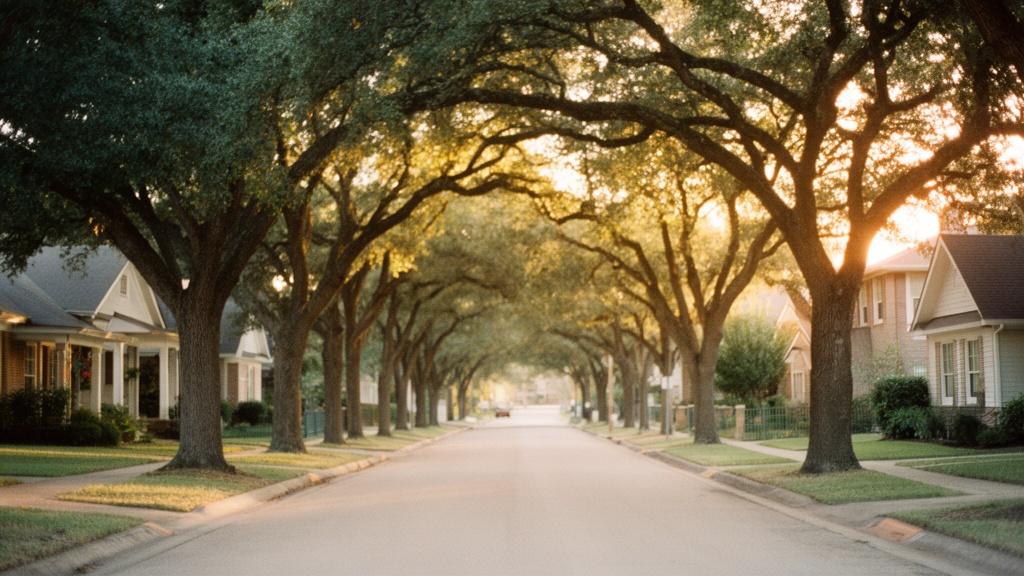
South End is not a neighborhood with abundant tree canopy or large lots. The trade-off for walkability and transit is a more built environment, and residents who want a quieter, greener setting tend to look at Dilworth, Myers Park, or neighborhoods further south. For a closer look at how Myers Park compares in terms of housing stock and price, the Myers Park real estate guide on this site covers that neighborhood in depth.
6. Who Tends to Move to South End and What They Say After a Year
South End draws people who are relocating to Charlotte and want an urban experience without moving to a true high-density city like New York or Chicago. It also attracts Charlotte residents who are downsizing from larger suburban homes and want to trade yard maintenance and commuting for walkability and convenience. The neighborhood's housing stock, transit access, and concentration of restaurants and entertainment make it a specific kind of trade-off that works well for some lifestyles and less well for others.
For a broader look at how Charlotte compares to other cities and what the overall relocation picture looks like, the Is Charlotte a Good Place to Live guide on this site covers the city-wide picture in detail.
Common Reasons People Choose South End
After a year of living here, the things residents most consistently say they value are the Rail Trail access, the ability to reach Uptown without a car, the density of restaurants within walking distance, and the energy of a neighborhood that is still actively being built rather than one that has fully settled. The sense of momentum, of things opening and changing, is something people either find energizing or exhausting, and it is worth knowing which camp you fall into.
For additional context on what the South End neighborhood offers, Stone Realty Group's South End Charlotte neighborhood guide provides a useful overview of the area's development history and current amenities.
The Honest Trade-offs
The things that frustrate South End residents after a year tend to be consistent: ongoing construction noise, the cost per square foot relative to suburban Charlotte, limited full-service grocery options within walking distance, and the weekend nightlife noise for those in buildings on the main corridors. None of these are dealbreakers for the right buyer or renter, but they are real enough that they should factor into your decision rather than being discovered after move-in.
The South End neighborhood in Charlotte in 2026 is one of the most genuinely walkable and transit-accessible places to live in the entire metro area. Whether the day-to-day reality of urban density, construction activity, and condo pricing fits your life is a question worth answering carefully before you commit. If you are also weighing the buying process and what it costs to purchase here, the guide to buying a home in South End Charlotte covers the transaction side in detail.
FAQ
Is South End Charlotte walkable enough to live without a car?
For daily activities within the neighborhood, including coffee, restaurants, the Rail Trail, and transit to Uptown, South End is walkable in a way that is genuinely uncommon in Charlotte. You can reach Uptown in under 10 minutes on the LYNX Blue Line and handle most food and entertainment needs on foot. The gap is in full-service grocery shopping and certain errands, which still require a short drive or a trip on the rail to adjacent neighborhoods. Residents who go car-free entirely tend to use a combination of the rail, the Rail Trail, bike-share, and delivery services to fill those gaps.
How noisy is it to live in South End Charlotte?
Noise level in South End depends heavily on which block and which building you choose. Units directly on South Boulevard or Camden Road will hear street traffic, late-night bar activity on weekends, and ongoing construction noise during weekday business hours as of September 2026. Buildings set back from the main corridors or on quieter side streets are noticeably calmer. The best way to assess this is to visit the specific address at different times of day, including a Friday or Saturday evening, before you sign a lease or make an offer.
What are typical HOA fees for condos in South End Charlotte?
HOA fees in South End condo buildings currently run from roughly $350 to $700 per month for most mid-rise buildings, with some full-service towers charging more. These fees typically cover building insurance, exterior maintenance, amenity spaces like rooftop decks and gyms, and sometimes water and trash. They do not usually cover electricity or internet. When you are comparing purchase prices across buildings, factoring in the HOA fee is important because a $50,000 difference in purchase price can easily be offset by a $200 per month difference in HOA costs over a few years.