
← Back to Blog
Local Living
Things to Do in Charlotte, North Carolina: A Local's Guide for Buyers and Newcomers
By Mark Weinberg
Albrick · DRE# 285870 / 111356
September 27, 2026 · 10 min read
Charlotte, North Carolina packs a lot into one city: pro sports, nationally recognized museums, a light rail corridor lined with breweries, and greenway trails that connect neighborhoods from Uptown to Ballantyne. If you are relocating here or buying your first home in the Queen City, understanding what the city actually offers day to day is just as important as understanding the housing market. This guide covers the things to do in Charlotte, North Carolina that shape daily life, weekend routines, and long-term quality of living.
1. Uptown Charlotte: Culture, Sports, and the City Core
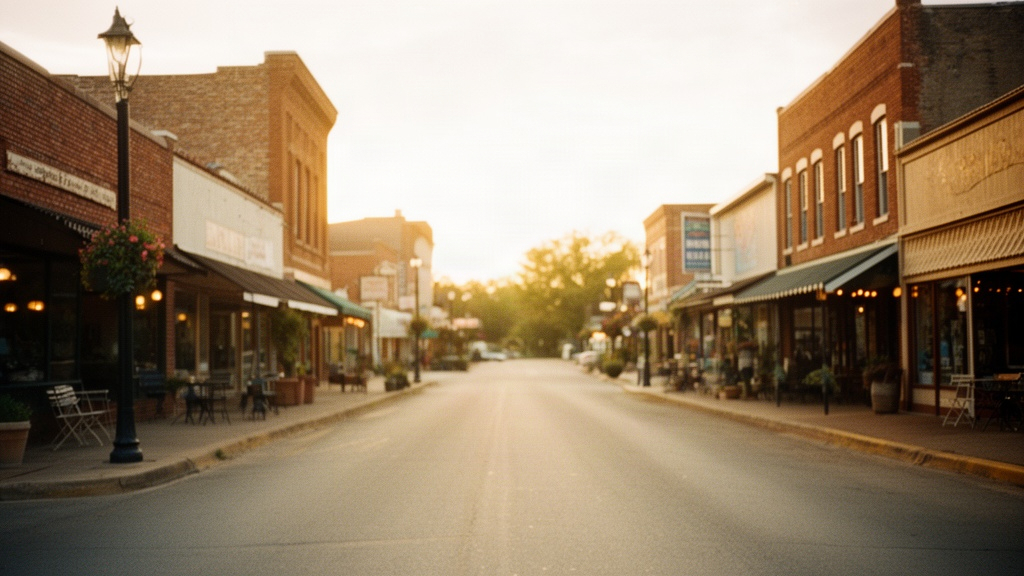
Uptown Charlotte is the geographic and cultural center of everything. Within roughly a one-mile radius, you can attend a Panthers NFL game at Bank of America Stadium, watch the Hornets play at Spectrum Center, catch a Broadway touring production at Blumenthal Performing Arts Center, and walk to dinner at a James Beard-nominated restaurant. That density of activity in a walkable urban core is one of the defining features of Charlotte that surprises most newcomers.
Museums and Performing Arts
The Mint Museum Uptown, located on Tryon Street, holds one of the largest collections of American and European art in the Southeast, with over 35,000 objects across its two locations. The Harvey B. Gantt Center for African-American Arts and Culture sits adjacent to the Bechtler Museum of Modern Art, which houses works by Giacometti, Warhol, and Miro. Visitors often spend an entire afternoon moving between buildings without covering everything. The Blumenthal Performing Arts Center hosts over 1,000 performances per year across its multiple stages, from touring musicals to local symphony and opera productions.
Discovery Place Science is a strong draw for anyone curious about interactive exhibits, with four floors covering biology, earth science, and technology. The NASCAR Hall of Fame, also in Uptown, is one of the city's most visited attractions and reflects Charlotte's deep connection to motorsports culture. The city hosts the Bank of America 400 at Charlotte Motor Speedway in nearby Concord, roughly 25 miles northeast of Uptown, drawing crowds from across the region each fall.
Pro Sports in One Zip Code
Charlotte fields four major professional sports teams within the metro area. The Panthers (NFL) and Hornets (NBA) both play in Uptown. Charlotte FC, the city's Major League Soccer club, plays at Bank of America Stadium on its own schedule, and the Charlotte Knights (Triple-A baseball) play at Truist Field, a 10,200-seat ballpark that sits right at the edge of Uptown near the South End border. Truist Field is consistently ranked among the top minor league ballparks in the country for its sightlines and atmosphere, and tickets remain accessible for most budgets.
2. Outdoor Life: Greenways, Parks, and the U.S. National Whitewater Center
Charlotte's outdoor infrastructure is one of its most underappreciated assets. The city has invested heavily in its greenway system, parks, and access to water over the past decade, and the results are visible across nearly every neighborhood. For people relocating from cities with limited green space, the scale of what Charlotte offers outdoors tends to be a genuine surprise.
The Greenway Network
Mecklenburg County maintains over 50 miles of paved greenway trails, with plans to extend that network significantly through the county's 2040 greenway master plan. The Little Sugar Creek Greenway runs roughly 10 miles from Uptown south through Midwood, Dilworth, and Myers Park before connecting to McMullen Creek. The Four Mile Creek Greenway in south Charlotte links neighborhoods near Ballantyne to community parks with minimal road crossings. These trails are used heavily by cyclists, joggers, and dog walkers throughout the week, not just on weekends.
For buyers considering neighborhoods in Dilworth or Myers Park, proximity to the Little Sugar Creek Greenway is a concrete selling point that shows up in how quickly those homes move. If you want to understand how greenway access affects home values in specific neighborhoods, the article on buying a home in Dilworth walks through costs and timelines in detail.
McDowell Nature Preserve and Freedom Park
McDowell Nature Preserve covers 1,108 acres along the western shore of Lake Wylie, about 12 miles southwest of Uptown. It includes over 12 miles of hiking trails, a boat launch, a nature center, and tent and cabin camping. The preserve is managed by Mecklenburg County and charges no admission for day use. Freedom Park, closer to the city center near the Dilworth and Myers Park border, spans 98 acres along Little Sugar Creek and hosts the Charlotte Nature Museum, an outdoor amphitheater, and open lawn space that fills up on warm weekends.
U.S. National Whitewater Center
The U.S. National Whitewater Center sits on 1,300 acres along the Catawba River, about 8 miles west of Uptown. It operates the world's largest artificial whitewater river, plus mountain bike trails, climbing walls, zip lines, flatwater kayaking, and a full outdoor music venue. Day passes give access to the trails and most facilities, with separate pricing for whitewater rafting and other guided activities. The center hosts the U.S. Olympic whitewater team for training and draws national competitions throughout the year. It is genuinely one of the more distinctive outdoor amenities attached to any American city of Charlotte's size.
3. Food, Drink, and Neighborhood Scenes
Charlotte's restaurant and bar scene has expanded substantially over the past several years, driven by population growth and the arrival of chefs from larger coastal markets. Each major neighborhood has developed its own identity around food and nightlife, which matters for buyers because it directly shapes what daily life feels like within walking distance of a home. For a broader look at how locals rate the overall experience of living in Charlotte, RentCafe's guide to things to do in Charlotte according to locals captures some of the neighborhood-level texture that residents notice most.
South End and the Light Rail Corridor
South End runs along the LYNX Blue Line light rail from Uptown south toward Woodlawn, and the corridor has become one of the most active stretches in the city for dining, breweries, and weekend activity. Sycamore Brewing, Wooden Robot, and Lenny Boy Brewing all operate taprooms within a short walk of the light rail stations. The Camp North End development, a 76-acre adaptive reuse project on former industrial land north of Uptown, has added food halls, outdoor event space, and rotating pop-up vendors to the city's options. The Optimist Hall food hall in the Optimist Park area, just north of NoDa, houses over a dozen restaurant concepts under one roof.
South End condos and townhomes sit within a short walk or one-stop light rail ride from most of this activity. For buyers considering that part of the city, the guide on buying a home in South End Charlotte covers what the process, costs, and timeline actually look like.
NoDa: Charlotte's Arts and Food District
NoDa, short for North Davidson, is Charlotte's designated arts district and sits about 2.5 miles northeast of Uptown. The neighborhood's main corridor along North Davidson Street is lined with independent galleries, live music venues, and restaurants that range from tacos and ramen to farm-to-table dining. The Evening Muse is a long-standing live music room that has hosted national touring acts alongside local artists for over two decades. NoDa Brewing, one of the city's original craft breweries, operates its flagship taproom here. First Friday events on the first Friday of each month bring gallery openings and street vendors to the neighborhood.
NoDa also connects to the LYNX Blue Line extension, making it accessible from Uptown and South End without a car. The real estate market in NoDa has shifted considerably as the light rail access matured. The NoDa Charlotte real estate market guide has current pricing and what buyers should expect in that specific market.
Plaza Midwood and Beyond
Plaza Midwood sits about 2 miles east of Uptown along Central Avenue and has a distinct character compared to South End or NoDa. The main commercial strip mixes vintage shops, independent bookstores, and eclectic restaurants with a walkable, low-rise feel. The Thomas Street Tavern has been a neighborhood anchor for decades. Midwood Smokehouse, with locations across the city, originated here. The surrounding residential streets feature bungalows and craftsman homes from the 1920s and 1930s, many of which have been renovated while retaining their original character.
Further south, Ballantyne and Pineville offer a different pace, with suburban retail corridors, a growing restaurant scene along Ballantyne Commons Parkway, and easy access to Lake Wylie. Buyers who want more space and a quieter setting without sacrificing access to Charlotte's amenities often look in this part of the city. Commute times from Ballantyne to Uptown run roughly 25 to 35 minutes by car depending on traffic, or longer during peak hours on I-485.
4. Day Trips and Regional Attractions Within an Hour of Charlotte
One of Charlotte's geographic advantages is what sits within an hour's drive in every direction. The Blue Ridge Mountains begin about 90 minutes to the west near Asheville, putting hiking, waterfalls, and mountain towns within a manageable day trip. The South Carolina coast at Myrtle Beach is roughly 3.5 hours southeast. But within a strict 60-minute radius, there is already plenty to work with.
Lake Norman and Mountain Island Lake
Lake Norman is the largest man-made lake in North Carolina, covering roughly 32,510 acres with 520 miles of shoreline, about 25 miles north of Uptown Charlotte. The towns of Cornelius, Davidson, Huntersville, and Mooresville line its shores and offer marinas, waterfront restaurants, and boat rentals. Mountain Island Lake, closer to Charlotte's western edge, is smaller and quieter, with limited public access points that keep it less crowded. Both lakes draw Charlotte residents for boating, paddleboarding, and fishing throughout the warm months.
Uwharrie National Forest
Uwharrie National Forest covers roughly 50,000 acres of Piedmont terrain about 55 miles northeast of Charlotte, near the town of Troy. It contains over 20 miles of hiking trails, off-road vehicle trails, primitive camping, and Badin Lake, which allows swimming and non-motorized boating. The terrain is rolling and wooded rather than dramatic, but the forest offers genuine solitude and dispersed camping options that are hard to find closer to the city. Hikers and mountain bikers from Charlotte make regular weekend trips here throughout the year.
Carowinds
Carowinds sits on the North Carolina and South Carolina state line, about 15 miles south of Uptown Charlotte along I-77. The park covers 406 acres and operates roller coasters, a water park called Carolina Harbor, and seasonal events including a fall Halloween-themed Haunt event that runs through October. Season passes are available and widely used by Charlotte-area residents who visit multiple times per year. The park is accessible in under 20 minutes from many south Charlotte neighborhoods, making it a practical recurring option rather than a once-a-year destination.
5. How Charlotte's Lifestyle Connects to the Housing Market
Understanding the things to do in Charlotte, North Carolina is not just useful for weekends. It directly shapes where buyers choose to live, how much they pay, and how quickly homes move in certain neighborhoods. Proximity to the light rail, walkable restaurant corridors, greenway access, and lake recreation all show up in pricing data. Knowing what each part of the city offers helps buyers make decisions that align with how they actually want to live, not just what looks good on paper.
Proximity to Amenities Drives Prices
Homes within walking distance of the South End light rail stations and the NoDa corridor have commanded a consistent price premium compared to comparable homes further from those corridors. In September 2026, the Charlotte metro median sale price sits around $385,000, but Uptown condos, South End townhomes, and NoDa bungalows frequently trade well above that figure because of what is immediately accessible on foot. Buyers who prioritize walkability and urban amenities should expect to pay more per square foot and receive less interior space in exchange for that location. For a full breakdown of current prices across the city, the article on average home prices in Charlotte right now has the latest numbers.
What Buyers Should Think About
The most useful exercise for any buyer relocating to Charlotte is to map their actual lifestyle against a map of the city. If you expect to use the Whitewater Center regularly, living on the west side near Steele Creek or Belmont cuts your drive to under 10 minutes. If you work Uptown and want to avoid a car entirely, South End or NoDa puts you on the light rail. If you want acreage, a garage, and a short drive to Lake Norman, north Mecklenburg towns like Huntersville and Cornelius offer that at price points that are still competitive with closer-in neighborhoods.
Charlotte's neighborhoods each have a distinct physical character, and the city's size means buyers have real options across a wide range of price points and lifestyles. The overview of Charlotte's neighborhoods for buyers and sellers is a good starting point for understanding how the different parts of the city compare on housing stock, price, and what surrounds them.
FAQ
What are the most popular things to do in Charlotte, North Carolina for newcomers?
Most newcomers start with Uptown, which puts pro sports, major museums, and the performing arts center within walking distance of each other. From there, the South End light rail corridor, the U.S. National Whitewater Center, and the NoDa arts district are the areas that tend to stick as regular habits rather than one-time visits. Charlotte's greenway network is also worth exploring early, since it connects neighborhoods in ways that are not obvious from a map. The city's proximity to Lake Norman and the Blue Ridge Mountains gives residents options that feel genuinely different from urban Charlotte, all within a short drive.
Is Charlotte, North Carolina a good city for outdoor activities?
Charlotte has more outdoor infrastructure than most cities its size. Mecklenburg County maintains over 50 miles of paved greenway trails, and the U.S. National Whitewater Center on the Catawba River offers whitewater rafting, mountain biking, climbing, and flatwater paddling on a single 1,300-acre campus. McDowell Nature Preserve adds over 12 miles of hiking trails along Lake Wylie, and Lake Norman to the north provides boating and waterfront access within 25 miles of Uptown. The Blue Ridge Mountains are about 90 minutes west, extending the outdoor options considerably for weekend trips.
How does knowing what to do in Charlotte help with buying a home there?
The things you plan to do regularly in Charlotte should directly influence where you buy. Buyers who want walkable dining and nightlife pay a premium for South End or NoDa locations, while those who prioritize lake access or acreage find better value in north Mecklenburg or south Charlotte. Commute times, greenway proximity, and access to specific amenities like the Whitewater Center or Carowinds all vary significantly by neighborhood. Working with a local agent who knows the city well, like Mark Weinberg of Albrick, helps you match your actual lifestyle to the right part of the market before you start making offers.