← Back to Blog
Neighborhoods
Living in Tacoma's North End Neighborhood: Daily Life
By Marquelle Butler
September 4, 2026 · 9 min read
People ask what it is like to live in the North End neighborhood of Tacoma day to day, and the honest answer is that it feels very different from most other parts of the city. Tree-lined streets, older homes with real architectural character, and walkable blocks near Puget Sound give North End a distinct texture that is hard to find elsewhere in Pierce County. This guide covers what you actually experience week to week: the housing stock, the commute, the coffee shops, the grocery runs, and the price you pay for all of it.
1. What North End Tacoma Actually Looks Like on the Ground
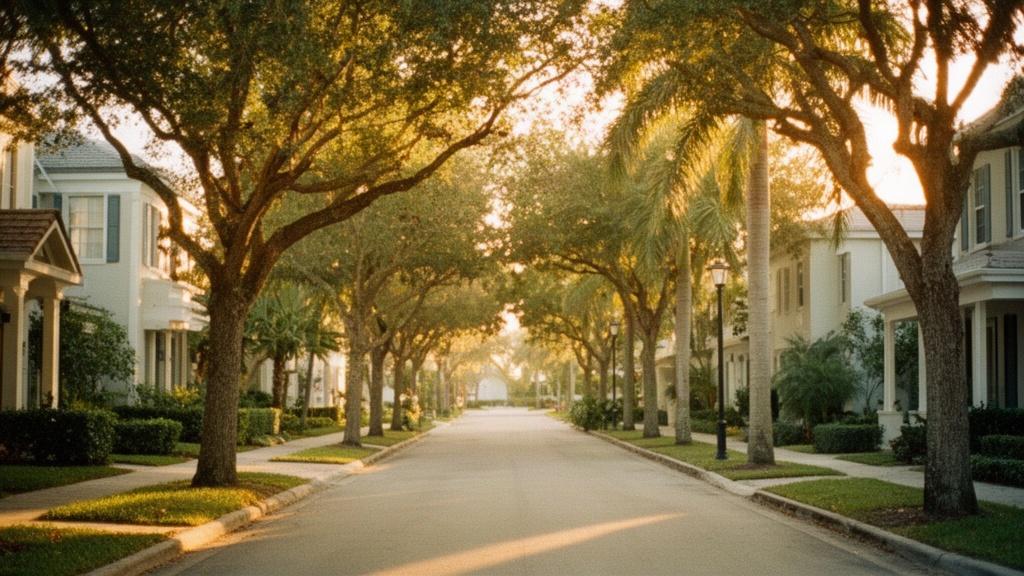
North End Tacoma sits in the northwestern corner of the city, bordered roughly by North 26th Street to the south, the Narrows to the west, and the Ruston city limits to the north. It is one of Tacoma's oldest developed areas, and that history shows in every block. Mature fir and maple trees arch over streets like North Alder, North Junett, and North Lawrence, creating a canopy effect that makes summer afternoons feel noticeably cooler than in newer subdivisions to the east.
The Housing Stock and Architecture
The dominant housing style is Craftsman bungalow, built primarily between 1905 and 1940. You will find wide front porches, exposed rafter tails, built-in cabinetry, and original hardwood floors in homes that have been maintained or restored over the decades. Tudor revivals and Colonial-style two-stories are scattered throughout as well, particularly in the blocks closest to North Tacoma's commercial corridors.
Mid-century ranches appear more frequently south of North 36th Street, offering single-level living with attached garages, a layout that is harder to find in the older blocks closer to the water. A small number of newer infill townhomes have been built near the North 21st Street corridor, but they are the exception rather than the rule.
Lot Sizes and Street Layout
Lot sizes in North End typically run between 5,000 and 8,500 square feet, with some corner lots and older estates exceeding 10,000 square feet. Streets follow a consistent grid pattern, which makes navigation intuitive and gives the neighborhood a pedestrian-friendly rhythm. Alleys run behind many blocks, so garages are often accessed from the rear, keeping the streetscape clean and uninterrupted.
For a broader overview of how North End fits into the wider North Tacoma area, the Move to Tacoma neighborhood guide offers a useful orientation to the sub-neighborhoods and boundaries that locals use when talking about the north side of the city.
2. Day-to-Day Errands, Walkability, and Getting Around
Living in the North End neighborhood of Tacoma day to day means most routine errands are manageable on foot or by bike from many blocks. The commercial strips along North 26th Street, Proctor Street, and North 21st Street put groceries, coffee, hardware, and restaurants within a short walk of the residential core.
Walkable Blocks and Local Businesses
The Proctor District is the commercial heart of North End. It runs along North 26th Street between Proctor Street and North Alder Street, and it contains an independent bookstore (King's Books), a wine shop, a pharmacy, several cafes, and a New Seasons Market grocery store. For residents in the blocks immediately surrounding Proctor, daily errands rarely require a car.
North 21st Street near the Pearl District boundary adds more dining options and a handful of specialty retailers. Residents in the southern blocks of North End are closer to this corridor and to downtown Tacoma, which sits roughly 1.5 miles south along Pacific Avenue or Stadium Way.
Pierce Transit routes serve the neighborhood, with buses running along North 26th Street and Proctor Street connecting riders to downtown Tacoma's transit hub. For larger grocery runs or big-box shopping, the Fred Meyer on 6th Avenue is roughly a 10-minute drive, and the Tacoma Mall area is about 15 minutes by car via Highway 16.
Commuting From North End Tacoma
Driving to downtown Tacoma from North End takes roughly 10 to 15 minutes without traffic. The route down North 21st Street or Stadium Way is direct, though Stadium Way has a steep grade that some drivers prefer to avoid in icy winter conditions. For commuters heading to Joint Base Lewis-McChord, the drive south on I-5 from the North End area runs about 25 to 35 minutes depending on the gate and the time of day.
Commuters heading north to Seattle face the most significant variable. The drive from North End to downtown Seattle via I-5 is roughly 35 miles and takes anywhere from 45 minutes in off-peak hours to well over 90 minutes during morning rush. The Tacoma Dome Sounder station is about 4 miles from the heart of North End, and the Sounder commuter train to Seattle's King Street Station takes approximately 55 minutes, making it a practical option for regular Seattle commuters who prefer to skip the freeway.
For Gig Harbor and the Kitsap Peninsula, the Tacoma Narrows Bridge is accessible via Highway 16, which connects directly from the western edge of North End. The bridge crossing to Gig Harbor takes about 10 minutes from most North End addresses.
3. Parks, Waterfront, and Outdoor Life in North End
Outdoor access is one of the most tangible parts of what it is like to live in the North End neighborhood of Tacoma day to day. The area borders two of Tacoma's most significant green and waterfront spaces, and both are reachable without getting on a freeway.
Point Defiance Park
Point Defiance Park covers 760 acres at the northwestern tip of the Tacoma peninsula, and it borders North End directly. From most North End addresses, the park entrance is a 5 to 10 minute drive or a manageable bike ride. Inside the park you will find the Five Mile Drive loop road (closed to cars on weekends and certain weekday mornings), old-growth forest trails, a saltwater beach at Owen Beach, the Point Defiance Zoo and Aquarium, a Japanese garden, and a rose garden that peaks in June and July.
The park also contains Fort Nisqually Living History Museum, a reconstructed Hudson's Bay Company fort from the 1850s, which gives the park a historical dimension beyond its trails and beach. On clear days, views from the park's bluff overlooks take in the Olympic Mountains, Vashon Island, and the Tacoma Narrows.
The Waterfront and Ruston Way
Ruston Way runs along Commencement Bay between downtown Tacoma and the small city of Ruston, which sits at the northern edge of North End. The waterfront path along Ruston Way is paved and flat, stretching roughly 2.5 miles with benches, fishing piers, and unobstructed views across the bay toward Mount Rainier on clear days. Several waterfront restaurants sit along this stretch, including the Lobster Shop South and Harmon Brewing's waterfront location.
For North End residents, a walk or run along Ruston Way is genuinely a before-work or after-dinner activity, not a destination that requires planning. That proximity to moving water and mountain views shapes how the neighborhood feels in a way that photographs do not fully capture.
4. What Homes Cost in North End Tacoma Right Now
North End consistently carries some of the higher price points in Tacoma, reflecting its older housing stock, lot sizes, walkability, and proximity to Point Defiance. As of September 2026, buyers should expect to pay a meaningful premium over Tacoma's citywide median.
Current Price Ranges
Entry-level in North End currently starts around $550,000 to $620,000 for a smaller Craftsman bungalow in need of updating, typically in the 1,100 to 1,400 square foot range. Move-in-ready homes with updated kitchens and baths and original hardwood floors in good condition generally list between $680,000 and $850,000. Larger homes on corner lots or with water views, particularly those closest to the Ruston Way waterfront or on the bluff above Commencement Bay, regularly list above $1 million and can reach $1.5 million or more for fully restored examples.
The North End market tends to move faster than the Tacoma average for well-priced listings. Homes that are accurately priced and in good condition have been going under contract within 10 to 21 days through the summer of 2026, while overpriced listings have sat longer as buyers have become more selective with rates still elevated compared to the pre-2022 environment.
What Your Budget Gets You
At $650,000 to $700,000, buyers can typically find a 3-bedroom, 1.5-bath Craftsman with original character intact, a detached garage, and a fenced backyard on a standard North End lot. At $800,000 to $900,000, the same footprint usually comes with a renovated kitchen, updated electrical and plumbing, and often a finished basement adding a fourth bedroom or flex space. Above $1 million, buyers gain square footage, view corridors, or proximity to the park entrance.
Condominiums are rare in North End proper, though a small number of older converted units exist near the Proctor District. Buyers seeking a lower entry price with North End proximity often look at the southern edge near North 26th Street or the blocks just east of North 21st Street where prices step down slightly.
5. Schools, Community Feel, and What to Research Before You Buy
Understanding the full picture of what it is like to live in the North End neighborhood of Tacoma day to day means looking beyond the housing stock and the park. Schools and community institutions shape the rhythm of daily life, and they deserve direct research from any buyer.
How to Research Schools Independently
North End falls within the Tacoma Public Schools district. The specific elementary, middle, and high school assigned to a given address can be confirmed through the Tacoma Public Schools district website using the address lookup tool.
Several private and parochial schools also serve the North Tacoma area, including schools operated by faith-based organizations with campuses within a few miles of the neighborhood. Those options are worth researching directly through each school's admissions office for current enrollment, tuition, and program details.
Community Character and Local Institutions
North End has an active neighborhood council that holds regular public meetings and maintains communication channels for residents. The Proctor District Association organizes events through the year, including a summer street fair that draws vendors and residents from across the north side of the city.
The University of Puget Sound campus sits at the southern edge of the North End, on the blocks between North 15th and North 18th Streets along Union Avenue. The campus adds a library, a concert hall, and athletic facilities that are accessible to the broader community for certain events. It also brings a steady presence of faculty and staff who live in the surrounding blocks.
For anyone wanting a thorough orientation to daily life in the area before visiting, the AllReady Moving guide to living in North End Tacoma covers logistics like moving costs, utility setup, and neighborhood layout in practical terms that complement what a real estate search alone will not tell you.
The neighborhood also contains several houses of worship, a handful of yoga and fitness studios, and a cluster of independent restaurants along the Proctor corridor that have maintained consistent followings for years. Day to day, the commercial strip feels local rather than chain-dominated, which contributes to the texture of the neighborhood in a way that residents frequently mention.
FAQ
Is North End Tacoma walkable for daily errands?
It depends on where in North End your home sits. Residents within four to six blocks of the Proctor District on North 26th Street can walk to a grocery store, pharmacy, coffee shops, and restaurants without a car. Blocks further north toward Ruston or further east toward North 21st Street are more car-dependent for grocery runs, though sidewalks and the street grid make walking pleasant even where destinations are spread out. Pierce Transit bus routes along Proctor Street and North 26th Street extend the walkable range for commuters and those without a car.
How do North End home prices compare to the rest of Tacoma in September 2026?
North End consistently prices above Tacoma's citywide median, which sits in the low-to-mid $400,000 range as of September 2026. Entry-level North End homes start around $550,000 to $620,000, with move-in-ready Craftsman homes typically listing between $680,000 and $850,000. The premium reflects the neighborhood's older architectural character, mature tree canopy, lot sizes, walkability to the Proctor District, and direct access to Point Defiance Park and the Ruston Way waterfront. Buyers who want North End's character at a lower price point sometimes look at the blocks along the southern and eastern edges of the neighborhood where prices step down slightly.
What should I know about the housing stock in North End before making an offer?
The majority of North End homes were built between 1905 and 1945, which means buyers should budget for the realities of older construction: knob-and-tube or early aluminum wiring in some homes, galvanized plumbing in others, and original single-pane windows that affect energy efficiency. A thorough inspection by a licensed inspector familiar with pre-war construction is important. On the positive side, the same era of construction produced thick old-growth fir framing, solid plaster walls, and built-in cabinetry that is expensive to replicate. Many homes have been thoughtfully updated over the decades, but the inspection will tell you what has been addressed and what remains. Factor potential deferred maintenance into your offer strategy rather than assuming a high list price means a fully updated home.