← Back to Blog
Market Trends
North End Tacoma Real Estate Market Guide: Prices, Neighborhoods
By Marquelle Butler
September 4, 2026 · 11 min read
The North End of Tacoma, Washington real estate market guide covering prices, neighborhoods, and timing is exactly what buyers, sellers, and relocating households need before making a move in this part of the city. North Tacoma stretches from roughly North 26th Street up to the Tacoma city limits near North 51st Street, and it contains some of the most architecturally distinct housing stock in the entire South Sound region. This guide breaks down what homes are actually selling for right now in September 2026, how the different pockets within North Tacoma compare on price and character, and when the market tends to favor buyers versus sellers.
1. What Makes the North End of Tacoma Its Own Real Estate Market
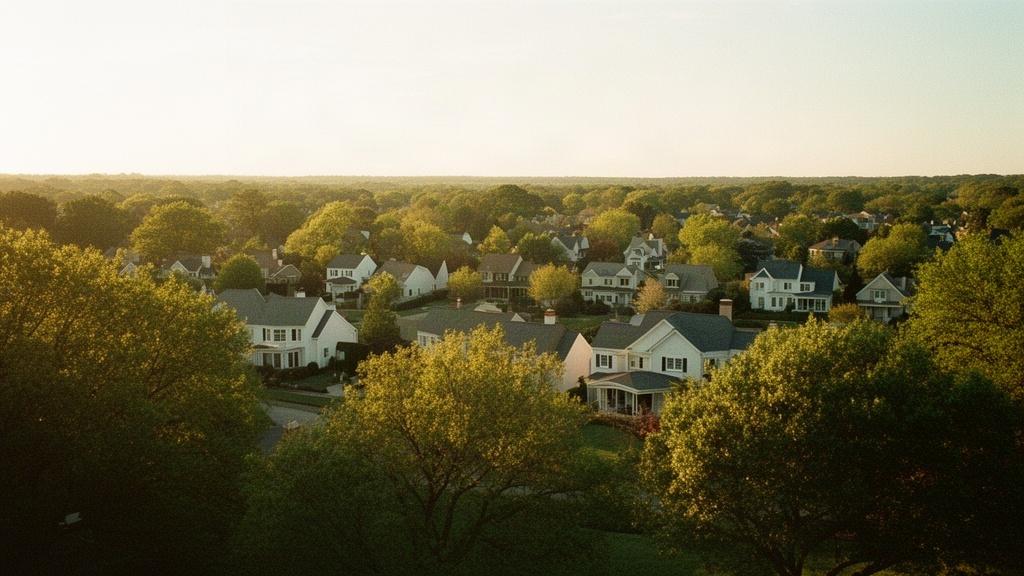
The North End of Tacoma functions as a distinct real estate submarket. It sits north of Downtown Tacoma and is generally bounded by North 26th Street to the south, the Puget Sound waterfront to the west, and the city limits near North 51st Street to the north. This geography creates a corridor of residential streets that feel removed from the industrial and commercial zones closer to the Port of Tacoma, and that separation is reflected directly in property values.
Geography and Boundaries
North Tacoma borders the city of Ruston on its northwestern edge, where the Ruston Way waterfront trail connects to Point Defiance Park. To the east, North Tacoma transitions into the North End neighborhoods of the Stadium District and then into Central Tacoma. The area is served by State Route 16 to the west and Interstate 5 to the east, giving residents multiple freeway access points without the highway cutting directly through the neighborhood itself.
Housing Stock and Architecture
The housing stock in the North End is older and more architecturally varied than in most Tacoma neighborhoods built after World War II. Craftsman bungalows from the 1910s and 1920s sit alongside Tudor Revivals, Colonial Revivals, and larger foursquare homes. Lot sizes tend to run from 5,000 to 9,000 square feet on interior streets, with some corner and waterfront-adjacent lots exceeding 10,000 square feet. Many homes retain original woodwork, hardwood floors, and covered front porches, which drives strong buyer interest from people who want character that newer construction cannot replicate.
New construction is limited in the North End because most buildable lots were developed decades ago. When new builds do appear, they are typically infill projects on previously subdivided lots or teardown replacements, and they tend to price at a premium over comparable square footage in the existing inventory.
2. North End Tacoma Home Prices Right Now
In September 2026, the median sale price for single-family homes in the North End of Tacoma sits in the range of $560,000 to $610,000, depending on which pocket of the neighborhood a property falls in. That range places North Tacoma meaningfully above the broader Tacoma citywide median. For full context on where the city as a whole stands right now, see the breakdown in What Is the Average Home Price in Tacoma Washington Right Now in September 2026. The North End premium reflects the combination of architectural character, proximity to Point Defiance Park, and the limited inventory that comes with an established, fully built-out neighborhood.
Median Sale Price in September 2026
Homes in the $500,000 to $650,000 band represent the largest share of closed transactions in the North End right now. Entry-level properties, typically smaller Craftsman bungalows under 1,400 square feet on standard lots, are moving in the $480,000 to $530,000 range. Larger homes with four or more bedrooms, updated kitchens, and detached garages are regularly closing above $700,000, with the most desirable blocks near the waterfront or inside the historic district pushing past $800,000.
How Prices Have Shifted Over the Past Year
Compared to September 2025, North End prices are up approximately 4 to 6 percent. That rate of appreciation is moderate by recent South Sound standards, reflecting a market that has stabilized after the sharper swings of 2022 and 2023. Sellers are still receiving strong offers, but the multiple-offer situations that pushed prices 10 to 15 percent above asking in prior years have become less common. Buyers who were priced out in 2022 are finding slightly more breathing room, though competition remains real on well-maintained, move-in-ready properties.
For additional context on how North Tacoma's trajectory fits into broader trends, this second-quarter 2025 market update for North Tacoma provides useful baseline data that shows where the submarket was heading into 2026.
Price Per Square Foot Breakdown
Price per square foot in the North End currently runs between $310 and $390 for most single-family homes, with outliers on both ends. Smaller homes on premium lots often exceed $400 per square foot because buyers are paying partly for the land and the address. Larger homes above 2,800 square feet tend to come in closer to $300 per square foot, since the pool of buyers for that price point is smaller and negotiating leverage shifts slightly toward the buyer.
3. Neighborhood Breakdown Inside the North End
The North End is not a single uniform area. It contains several distinct pockets that differ in price, housing type, walkability, and proximity to commercial services. Understanding these differences is essential for anyone using the North End Tacoma real estate market guide to make a buying or selling decision.
North Slope Historic District
The North Slope Historic District covers a concentrated area of streets between roughly North 1st Street and North 11th Street, east of Tacoma Avenue North. This district contains some of the oldest and most architecturally significant homes in the city, with many properties listed on the National Register of Historic Places or contributing to the local historic overlay. Buyers here are often drawn by the craftsmanship of the original construction: wide covered porches, original fir floors, leaded glass windows, and detailed millwork that would cost far more to replicate today.
Prices in the North Slope district tend to run at the higher end of the North End range, with many homes closing between $650,000 and $900,000 depending on size and condition. Buyers should budget for renovation costs on older systems, as homes built in the 1910s often need updated electrical panels, plumbing, or roofing even when they present well cosmetically. The historic overlay also means exterior alterations require approval from the City of Tacoma's historic preservation office, which is worth understanding before submitting an offer.
Proctor District and Surrounding Streets
The Proctor District is the primary commercial hub of the North End, centered on North 26th Street and Proctor Street. The corridor includes independent restaurants, a hardware store, a year-round farmers market, coffee shops, and a mix of service businesses that give the surrounding residential streets strong walkability scores. Homes within a four-block radius of Proctor Street command a noticeable premium because of that walkable access.
Residential streets near Proctor feature a mix of bungalows, duplexes, and the occasional mid-century ranch. Prices here range from $490,000 for a smaller updated bungalow to $720,000 for a larger two-story home with a detached garage and updated interior. The Proctor Farmers Market, which runs on Saturdays from April through November, draws buyers who prioritize walkable neighborhood life and is frequently mentioned by relocating buyers as a reason they chose this part of Tacoma.
Old Town and the Ruston Way Corridor
Old Town sits at the waterfront edge of the North End, where Ruston Way runs along Commencement Bay. The Ruston Way waterfront trail stretches approximately two miles and connects to Point Defiance Park at the north end, giving residents walking and cycling access to one of the largest urban parks in the country. Old Town itself is a small commercial node with a handful of restaurants and shops, and the residential streets above the bluff offer views of the bay and the Olympic Mountains on clear days.
Homes with partial or full water views in Old Town and along the bluff streets price significantly higher than comparable square footage elsewhere in the North End, often in the $800,000 to $1.2 million range. View properties here are rare and move quickly when they come to market. Buyers targeting this pocket should be prepared to act within days of a listing appearing, and should have financing fully arranged in advance.
Stadium District
The Stadium District sits at the southern edge of the North End, named for Stadium High School, the landmark castle-like building perched above Commencement Bay. The residential streets here include a dense mix of older single-family homes, apartment buildings, and converted multi-unit properties. Prices in the Stadium District are somewhat lower than in the North Slope or Old Town, with single-family homes typically ranging from $430,000 to $600,000, making it a more accessible entry point into the North End market.
The Stadium District also has the shortest distance to Downtown Tacoma of any North End pocket, roughly one mile from the Stadium High School bluff to Pacific Avenue. That proximity means buyers here get North End character with a shorter commute to downtown offices, the Tacoma Link light rail, and the Tacoma Convention Center.
4. Commute Times, Amenities, and What to Expect Day to Day
Where you live within the North End affects your commute meaningfully. Buyers relocating from outside the region often underestimate how much the specific street matters when calculating drive times to major employment centers.
Getting to Seattle, Joint Base Lewis-McChord, and Downtown Tacoma
From the heart of the North End, driving to Downtown Tacoma takes roughly 10 to 15 minutes without traffic. The Tacoma Link light rail extension, which reached the Hilltop neighborhood in recent years, is accessible from the southern edge of the North End and provides a car-free option for reaching the downtown core and the Sounder commuter rail station at Tacoma Dome.
Commuting to Seattle via Interstate 5 from the North End runs 35 to 55 miles depending on the destination, with drive times ranging from 45 minutes in light traffic to well over 90 minutes during peak hours. Many North End residents use the Sounder commuter train, which runs from Tacoma Dome Station to King Street Station in Seattle in approximately 60 minutes and avoids the I-5 congestion entirely. Joint Base Lewis-McChord is approximately 15 to 20 miles south of the North End via I-5, with drive times of 20 to 35 minutes depending on gate access and traffic.
Parks, Waterfront, and Commercial Corridors
Point Defiance Park is the defining green space for North End residents. At approximately 760 acres, it contains old-growth forest, five miles of waterfront, the Point Defiance Zoo and Aquarium, a boat launch, rose gardens, and the Fort Nisqually Living History Museum. The park's main entrance is at the northern tip of the North End, making it walkable or bikeable from most North End addresses.
Beyond Point Defiance, the North End has access to Wright Park, a 27-acre Victorian-era park near the Stadium District that features a conservatory, mature trees, and open lawn areas. The Proctor District corridor handles most day-to-day retail and dining needs, while the Sixth Avenue commercial strip in Central Tacoma is a short drive south for additional options including live music venues, independent bookstores, and specialty grocery stores.
5. Timing the North End Tacoma Market: When to Buy and When to Sell
Timing matters in the North End, and the seasonal patterns here are consistent enough to plan around. This section of the North End of Tacoma real estate market guide addresses both the predictable annual cycle and what the current September 2026 conditions mean for buyers and sellers right now.
Seasonal Patterns in North Tacoma
The North End follows the broader Pacific Northwest seasonal pattern, with the highest listing volume arriving between April and July. Spring listings benefit from curb appeal: mature trees are leafed out, gardens are in bloom, and natural light fills the older homes that can feel dark during the gray winter months. Sellers who list in May or June historically see the most competing offers and the strongest sale-to-list price ratios.
The fall window, from September through October, is the second-strongest period for sellers. Inventory drops after summer, but motivated buyers who did not find a home during the spring rush are still active. Homes that are priced correctly and presented well in September often sell quickly because they face less competition from other listings than they would have in May.
November through February is historically the slowest period for North End transactions. Fewer listings come to market, and buyer activity slows. For buyers, this window can offer more negotiating room on price and terms, particularly on properties that have been sitting for more than 30 days. Sellers who can wait until spring will generally see better results, though well-priced winter listings do sell.
What the Current September 2026 Market Looks Like for Buyers and Sellers
Right now in September 2026, the North End is in a transitional moment. The summer selling season has wound down, and the number of active listings is ticking up slightly as sellers who held back during August try to catch the fall window before winter. Days on market for the average North End listing has stretched to approximately 18 to 25 days, up from the 10 to 14 days seen during the peak spring months.
For sellers, this means pricing discipline is more important than it was in April. Homes that are overpriced by 5 percent or more are sitting, and price reductions are becoming more common than they were six months ago. Sellers who price accurately from day one are still closing quickly and at strong numbers.
For buyers, September 2026 offers a real opportunity. There is more inventory to choose from than there was in May, sellers are more open to negotiating on closing costs and inspection timelines, and the urgency of competing against six other offers has eased on most properties. Buyers who were frustrated during the spring rush should find this fall window more workable.
Mortgage rates remain a key factor shaping buyer behavior across the North End. Buyers should get pre-approved before touring homes, since sellers in the North End still expect proof of financing before accepting showings on competitive properties. A local lender familiar with the Tacoma market can often move faster than a national online lender, which matters when a desirable listing appears.
FAQ
What is the typical price range for a home in the North End of Tacoma right now?
In September 2026, most single-family homes in the North End of Tacoma are selling between $480,000 and $750,000, with the median landing in the $560,000 to $610,000 range depending on the specific pocket of the neighborhood. Smaller bungalows under 1,400 square feet are entering the market in the high $400,000s, while larger updated homes with four or more bedrooms and premium lots are regularly closing above $700,000. Properties with water views or inside the North Slope Historic District can exceed $800,000 to $1.2 million. Price per square foot currently runs between $310 and $390 for most standard homes.
How does the North End of Tacoma compare to other parts of the city in terms of home prices?
The North End of Tacoma consistently prices above the citywide Tacoma median, driven by its older architectural character, proximity to Point Defiance Park, and the limited supply that comes with a fully built-out neighborhood where new construction is rare. The premium varies by submarket within the North End: the Stadium District sits closest to the citywide median, while Old Town, the North Slope Historic District, and streets near the Proctor commercial corridor carry the largest premiums. Buyers who want North End character at a lower price point often look at the Stadium District first as an entry into the area.
Is fall a good time to buy a home in the North End of Tacoma?
Fall, specifically September and October, is historically the second-strongest selling season in the North End, which means buyers face less competition than they would during the spring peak but still find a reasonable selection of active listings. In September 2026 specifically, days on market have stretched to 18 to 25 days on average, sellers are more open to negotiating terms, and the urgency that defined the spring market has eased. Buyers who were unable to compete during the May and June rush often find fall to be a more workable window. Sellers who price accurately in September still achieve strong results before the slower winter period begins.