← Back to Blog
Neighborhoods
What Is It Actually Like to Live in Leslieville Toronto Day to Day in 2026
By Marwen Ferchichi
September 16, 2026 · 10 min read
Wondering what it is actually like to live in Leslieville Toronto day to day in 2026? This guide covers the real texture of the neighbourhood: the morning coffee run, the commute downtown, the housing market, the weekend farmers market, and everything in between. If you are weighing a move to Toronto's east end, here is what you need to know before you decide.
1. The Physical Layout and Housing Stock of Leslieville
Leslieville sits in Toronto's east end, roughly between Coxwell Avenue to the east, Carlaw Avenue to the west, Gerrard Street East to the north, and Lake Shore Boulevard East to the south. It is a compact, walkable grid of streets built mostly in the late 19th and early 20th centuries, which means the built environment has a consistency and human scale that newer suburban developments do not share.
Streets, Lot Sizes, and Architectural Character
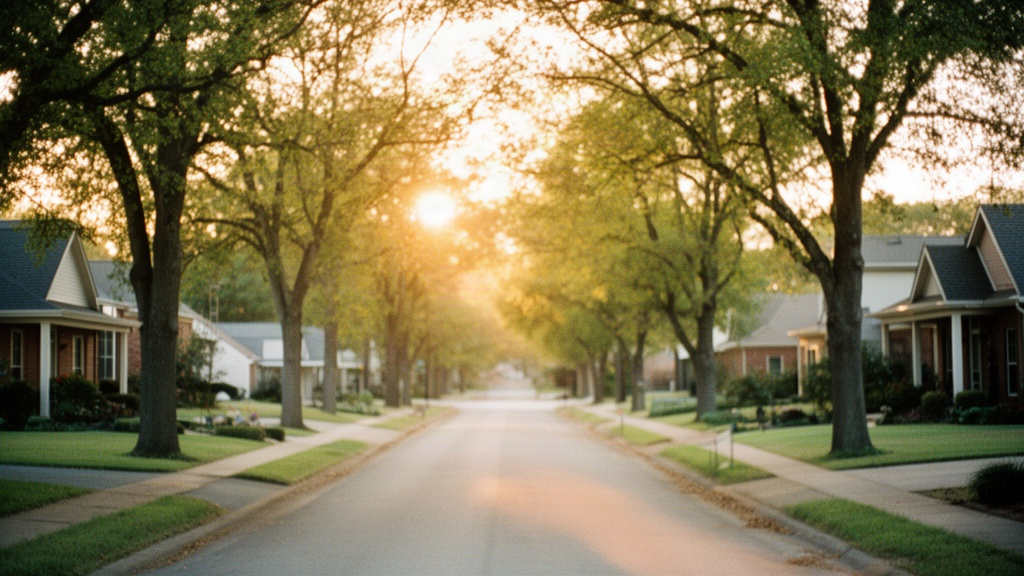
The dominant housing type is the Toronto semi-detached. You will find row after row of two-storey brick semis on 15 to 20 foot lots, many with original Victorian or Edwardian detailing: bay windows, corbelled brick cornices, and covered front porches. Fully detached homes exist on the wider streets, particularly closer to Greenwood Avenue, but they are the minority. Laneway houses and garden suites have started appearing behind the larger lots as the city's infill rules have loosened, adding a new layer of housing to a neighbourhood that was already dense.
Queen Street East is the main commercial spine, running east-west through the heart of the neighbourhood. The ground floor retail along Queen is a mix of independent restaurants, coffee shops, vintage furniture stores, and a handful of galleries, with residential above. Gerrard Street East and Dundas Street East each carry their own quieter strip of local businesses. The side streets between these arterials are almost entirely residential and relatively quiet once you step off the main corridors.
What the Housing Market Looks Like Right Now
As of September 2026, a typical semi-detached home in Leslieville is trading in the range of $1.1 million to $1.5 million, depending on lot width, interior condition, and whether the home has been updated or retains original finishes. Fully detached properties on the wider lots push into the $1.6 million to $2.2 million range. Condos and stacked townhouses, which have appeared in larger numbers along the Lake Shore and on former industrial sites near Eastern Avenue, generally list between $550,000 and $850,000 for a one or two bedroom unit.
If you want a broader picture of how these prices compare across the city, this complete buyer's guide to Toronto's housing market is a useful starting point before you narrow your search to Leslieville specifically.
Inventory in Leslieville has been tighter than the Toronto average for most of 2026. Well-maintained semis on desirable streets like Curzon Street, Booth Avenue, and Bertmount Avenue tend to receive multiple offers and sell within one to two weeks of listing. Properties that need significant renovation or sit on the noisier arterials move more slowly and offer more negotiating room. For a detailed look at the neighbourhood's real estate profile, this Leslieville neighbourhood and real estate guide provides useful context on housing types and recent market activity.
2. Getting Around Leslieville Day to Day
Getting around Leslieville without a car is genuinely practical for most daily trips. The neighbourhood scores well on walkability because Queen Street East puts groceries, cafes, pharmacies, and restaurants within a short walk of most residential streets.
Transit Options and Commute Times
The 501 Queen streetcar is the primary TTC route through Leslieville, running along Queen Street East and connecting west to Osgoode, St. Patrick, and eventually Roncesvalles. In practice, the 501 is one of the busiest and historically least reliable routes in the TTC network. Off-peak trips downtown to King Street West or Bay Street take roughly 25 to 35 minutes. During morning rush hour, that same trip can stretch to 45 minutes or longer if the streetcar bunches, which it does with some regularity.
The 72 Pape bus runs north-south and connects to the Bloor-Danforth subway line at Pape Station, roughly a 10 to 12 minute bus ride from the Queen and Pape intersection. From Pape Station, the subway puts Union Station about 15 minutes away. Many residents combine the bus-to-subway route rather than relying on the streetcar alone for downtown commutes. The 83 Jones bus provides another north-south connection to the subway at Greenwood Station. Driving to the Financial District during rush hour takes 20 to 30 minutes on a clear day, but parking costs downtown are a real consideration.
Cycling and Walking
Cycling is a legitimate commute option for a large share of Leslieville residents. The Martin Goodman Trail runs along the waterfront at the neighbourhood's southern edge and connects cyclists west to downtown and east toward the Beaches with almost no traffic conflict. The Coxwell Avenue and Greenwood Avenue cycling lanes provide north-south routes. A bike commute from Leslieville to King and Spadina takes roughly 20 to 25 minutes on a dry day, which compares favourably to the streetcar in heavy traffic.
Walking scores vary by block. Streets within two blocks of Queen Street East put most daily errands on foot. Streets closer to Eastern Avenue or Lake Shore are more car-oriented and require a longer walk to reach the commercial strip. If walkability is a priority, the blocks between Gerrard and Queen, west of Coxwell, offer the densest concentration of services within a short walk.
3. Food, Coffee, and Everyday Errands in Leslieville
The day-to-day food and retail scene in Leslieville is one of the most tangible things that shapes how people feel about living here. Queen Street East between Carlaw and Coxwell has a high density of independent operators, which means the experience of running errands and grabbing meals is distinctly local rather than chain-dominated.
Where Residents Shop and Eat
For groceries, residents primarily use the Metro at Gerrard Square, a short walk or bike ride north on Greenwood. Gerrard Square itself is a mid-size enclosed mall anchored by Metro, with a No Frills also accessible nearby on Pape for budget grocery shopping. A Loblaws is accessible on the Danforth for a larger selection. Independent produce shops and butchers along Gerrard Street East and on some of the side streets fill in the gaps for residents who prefer to shop daily rather than in bulk.
Coffee culture on Queen Street East is well established. Broadview Espresso, Jimmy's Coffee, and a string of other independent cafes give the strip a morning rhythm that feels genuinely neighbourhood-specific. For restaurants, the options range from long-standing brunch spots to newer dinner destinations. Leslieville has accumulated a reputation for brunch in particular, with lineups on weekend mornings at a handful of spots being a familiar part of the weekend experience.
The Farmers Market and Weekend Rhythm
The Leslieville Farmers Market runs on Sunday mornings from May through October at Jonathan Ashbridge Park, at the corner of Queen Street East and Coxwell Avenue. It draws local produce vendors, bakers, cheese makers, and prepared food stalls. The market is a genuine weekly gathering point and gives the neighbourhood a distinct weekend texture that residents often cite as one of the things they most value about living here.
The stretch of Queen East through Leslieville also has a notable concentration of vintage and antique furniture shops, which draw shoppers from across the city on weekends. This gives the main street a different weekend energy compared to purely residential neighbourhoods: there is foot traffic from outside the area, which keeps the retail scene viable but also means Queen Street is busier on Saturday and Sunday than it is mid-week.
4. Green Space, Recreation, and Community Life
Access to parks and outdoor space is a concrete, measurable part of what it is like to live in Leslieville Toronto day to day. The neighbourhood has several parks within easy walking distance of most residential streets, and the waterfront adds a significant recreational resource to the south.
Parks and Waterfront Access
Jonathan Ashbridge Park at Queen and Coxwell is the largest green space within the neighbourhood proper. It has a wading pool, sports fields, and a tennis court, and it hosts the farmers market and occasional community events through the warmer months. Greenwood Park, a few blocks north on Greenwood Avenue, has a splash pad, a skating rink that operates in winter, and a dog off-leash area. Jimmie Simpson Park on Dundas Street East offers a recreation centre with an indoor pool, gym, and programming for various age groups.
The waterfront at the southern edge of Leslieville is accessed via a short walk or bike ride south on Coxwell or Leslie Street. The Martin Goodman Trail connects here, and the Leslie Street Spit, formally known as Tommy Thompson Park, is a few minutes east by bike. Tommy Thompson Park is a 500-hectare naturalized peninsula that juts into Lake Ontario and is managed by the Toronto and Region Conservation Authority. It is open to cyclists and pedestrians on weekends and holidays, and it offers a genuinely uncommon experience of open space and birdwatching within city limits.
Arts, Culture, and Local Institutions
Leslieville has a notable concentration of film and television production infrastructure. Pinewood Toronto Studios, located on Eastern Avenue near the neighbourhood's southern edge, is one of Canada's largest film studio complexes. The presence of the studios has historically shaped the neighbourhood's commercial character, bringing a creative industry workforce into the local economy. You will notice this in the mix of businesses along Queen East, which skews toward design, photography, and creative services more than a typical Toronto residential neighbourhood.
The Broadview Hotel, a restored 1890s building at the corner of Broadview Avenue and Queen Street East, anchors the western gateway to Leslieville. Its rooftop bar has become a well-known gathering point and offers a clear view of the downtown skyline. The building's restoration has been a reference point for the neighbourhood's broader shift from an industrial and working-class residential area toward its current character. The Danforth Music Hall, a few minutes north on Broadview, brings a live music venue within easy reach for residents.
5. What to Research Before You Buy or Rent in Leslieville
Understanding what it is like to live in Leslieville Toronto day to day in 2026 also means knowing what to look into before you commit. There are a few specific areas where doing your own research will serve you better than relying on generalizations.
Schools and Education Resources
Leslieville is served by both the Toronto District School Board and the Toronto Catholic District School Board. School boundaries in Toronto shift periodically, and the school assigned to a specific address is not always the one closest to it geographically. The most reliable way to find out which school serves a particular address is to use the TDSB or TCDSB school locator tools directly on those boards' websites. For information on individual schools, the Ontario Ministry of Education's school information finder provides data that you can review and draw your own conclusions from. School selection is a personal decision, and Marwen Ferchichi can help you understand how to verify boundaries for any specific property you are considering.
Practical Considerations for Buyers and Renters
Basement flooding has been an issue in parts of Leslieville, particularly on blocks that sit in lower-lying areas near the former industrial lands to the south. The City of Toronto's basement flooding protection subsidy program covers some of the cost of backwater valves and sump pumps, but it is worth asking specifically about a property's flood history and what improvements have been made. Any home inspection in this area should include a close look at the foundation, weeping tile, and sump pump condition.
Noise is another practical factor. Properties directly on Queen Street East, Eastern Avenue, or Lake Shore Boulevard East experience more street noise and streetcar noise than the quieter side streets. If you are sensitive to ambient noise, visiting a property at different times of day before making an offer is worthwhile. The streetcar tracks on Queen generate a particular type of low-frequency vibration that is more noticeable inside homes within a half-block of the tracks.
For a broader look at what the buying process looks like in Toronto, including offer strategy and closing costs, this complete buyer's guide to Toronto's housing market covers the full process from search to closing.
Parking is limited on most residential streets in Leslieville. Many semis were built without garages, and on-street permit parking is competitive. If you own a car and need reliable parking, look for properties with a detached garage, a legal parking pad, or a laneway that provides rear access. This detail is worth clarifying before you fall in love with a specific property. For more on what the Leslieville lifestyle looks like from a resident's perspective, this neighbourhood guide from Own in Toronto provides additional detail on the local character and housing options.
FAQ
Is Leslieville walkable enough to live without a car in 2026?
For most daily needs, yes. The blocks closest to Queen Street East put groceries, coffee, restaurants, a pharmacy, and transit within a short walk. The TTC's 501 Queen streetcar and the 72 Pape bus connect the neighbourhood to the subway and downtown without a car. That said, residents who need to travel frequently to suburban destinations or who do large weekly grocery runs often find a car useful, particularly given that the nearest large-format stores require a bus ride or a longer walk. Cycling is a practical supplement for many residents, especially for the downtown commute via the Martin Goodman Trail.
How long does it take to commute from Leslieville to downtown Toronto?
The commute time depends on your specific destination and mode of transport. By streetcar on the 501 Queen route, the trip from Queen and Coxwell to King and Bay takes roughly 25 to 35 minutes off-peak and 40 to 50 minutes during morning rush hour. Taking the 72 Pape bus to Pape Station and then the subway to Union Station takes approximately 25 to 30 minutes door-to-door in most conditions and tends to be more consistent than the streetcar alone. Cycling to King and Spadina via the Martin Goodman Trail and the waterfront route takes about 20 to 25 minutes on a dry day. Driving during peak hours can take 20 to 35 minutes depending on traffic on Lake Shore or King Street.
What types of homes are available to buy in Leslieville and what do they cost in 2026?
Leslieville's housing stock is dominated by semi-detached brick homes built in the late 19th and early 20th centuries, typically on 15 to 20 foot lots. As of September 2026, semi-detached homes are generally priced between $1.1 million and $1.5 million, with fully detached properties on wider lots ranging from $1.6 million to $2.2 million. Condo and stacked townhouse units, concentrated along the Lake Shore and on former industrial sites near Eastern Avenue, are available in the $550,000 to $850,000 range for one and two bedroom layouts. Laneway and garden suite units have also begun appearing as infill options. Inventory has been tighter than the Toronto average through most of 2026, and well-maintained properties on desirable streets tend to sell quickly.