← Back to Blog
Market Trends
Pelican Bay, Naples, Florida Real Estate Market Guide: Prices, Neighborhoods and Timing
By Megan Hartsgrove
September 8, 2026 · 10 min read
Pelican Bay is one of the most closely watched addresses in Naples, Florida, and for good reason: its combination of Gulf-front beach access, manicured grounds, and a wide range of property types makes it a consistent draw for buyers relocating from across the country. This guide covers current prices, the distinct sub-communities within Pelican Bay, and the seasonal timing patterns that shape how and when deals get made here.
1. What Pelican Bay Actually Is: Boundaries, Scale, and Amenities
Pelican Bay is a master-planned community of roughly 5,600 acres in North Naples, bordered by U.S. 41 to the east, Vanderbilt Beach Road to the north, and the Gulf of Mexico to the west. It sits within the 34108 ZIP code and contains approximately 7,000 residential units spread across more than 40 distinct sub-communities.
The Physical Footprint
The community spans from the Ritz-Carlton Naples on its northern edge down to the Waterside Shops and Artis-Naples performing arts center on its southern perimeter. Those two landmarks matter to buyers because they define walkable and tram-accessible cultural and retail amenities that most gated communities in Collier County simply do not have at this scale.
Private Beach Access and the Tram System
Private beach access is the headline feature. Pelican Bay residents have exclusive use of approximately three miles of Gulf-front beach, serviced by two beach facilities: the North Beach Station and the South Beach Station. Each station has full-service restaurants, chair and umbrella rentals, and restrooms. A complimentary tram runs from internal community stops to both beach entrances, which matters when you are staying in an inland condo and do not want to park on the beach road.
The Foundation: What Your HOA Covers
The Pelican Bay Foundation is the master association that governs the shared infrastructure. Foundation fees cover beach access, the tram, the fitness and wellness center, tennis courts, and the upkeep of the community's extensive mangrove preserve and boardwalk trails. Individual buildings then layer their own condo association fees on top of the Foundation fee, which is why total monthly carrying costs in Pelican Bay vary considerably depending on which building you choose.
2. Pelican Bay Real Estate Prices in September 2026
Prices in Pelican Bay currently range from the high $400,000s for smaller inland condominiums to well above $10 million for direct beachfront residences in high-rise towers. That spread is wider than most buyers expect, and it reflects the diversity of product types within the community rather than any single market trend.
Condominiums: The Dominant Property Type
Condominiums make up the large majority of Pelican Bay's housing stock. As of September 2026, median condo prices in the 34108 ZIP code are tracking in the $1.1 million to $1.4 million range, depending on building, floor, and view orientation. Entry-level units in low-rise buildings without Gulf views can be found from the upper $400,000s to the mid $600,000s. Mid-tier units in buildings like Laurel Oaks, St. Maarten, or Pelican Bay Place typically price between $700,000 and $1.2 million. High-rise beachfront units in buildings like St. Pierre, Montenero, or Mystique start around $2 million and climb sharply with floor level and square footage.
For broader context on how these figures compare to the rest of Naples, the Pelican Bay Real Estate Market Report provides detailed historical sales data and price-per-square-foot breakdowns that can help you benchmark any specific listing you are evaluating.
Single-Family and Villa Pricing
Single-family homes inside Pelican Bay are concentrated in enclaves like Bay Colony Shores, Pelican Bay Woods, and Pelican Bay Estates. These properties typically sit on quarter-acre to half-acre lots and price between $2.5 million and $6 million, depending on lot position, pool configuration, and renovation status. Bay Colony, the gated community within a gated community on the northern edge of Pelican Bay, commands a premium of its own: single-family homes there regularly trade above $5 million, and its tower residences have sold above $15 million.
How Pelican Bay Compares to the Broader Naples Market
Naples as a whole is one of the costliest luxury housing markets in the United States. A report from Gulf Shore Business noted that Naples ranks among the nation's most expensive luxury housing markets, with Pelican Bay consistently representing the upper tier of that market. Price-per-square-foot in Pelican Bay's beachfront towers routinely exceeds $1,500, and in Bay Colony it can push past $2,000. Inland condos in the community still run $400 to $700 per square foot, which is above the Naples metro median but below what you would pay in Park Shore or Moorings for comparable square footage.
If you want a broader view of what is available across all of Naples right now, the guide to homes for sale in Naples, Florida in 2026 covers inventory, price tiers, and neighborhood comparisons across the entire market.
3. The Sub-Communities Inside Pelican Bay
Pelican Bay is not a single neighborhood; it is a collection of more than 40 distinct sub-communities, each with its own association, fee structure, building age, and physical character. Understanding the differences between them is one of the most important steps in narrowing your search.
Beachfront and Near-Beach High-Rises
The Gulf-front towers are the most recognizable properties in Pelican Bay. Buildings like Montenero, St. Pierre, Mystique, Le Jardin, and the Bay Colony towers sit directly on or within a short walk of the beach. Most were built between the mid-1980s and early 2000s, and many have undergone significant interior renovations in recent years. Units typically range from 1,800 to over 4,000 square feet, with floor plans that include formal dining rooms, large lanais, and service entrances. Parking is deeded and underground. These buildings tend to have the highest monthly HOA fees in the community, often ranging from $3,000 to over $6,000 per month when the Foundation fee is included.
Mid-Rise and Low-Rise Condos
Mid-rise and low-rise buildings make up the bulk of Pelican Bay's residential inventory. Communities like Crescent, Breakwater, Pelican Bay Place, Hyde Park, and Chateaumere offer two- and three-bedroom condos with covered parking, community pools, and direct access to the Pelican Bay trail system. These buildings are generally four to six stories, built between 1985 and 1998, and they offer some of the most accessible price points in the community. Buyers who want the Pelican Bay beach access and lifestyle without the carrying costs of a high-rise tower often find the best value here.
Single-Family Enclaves
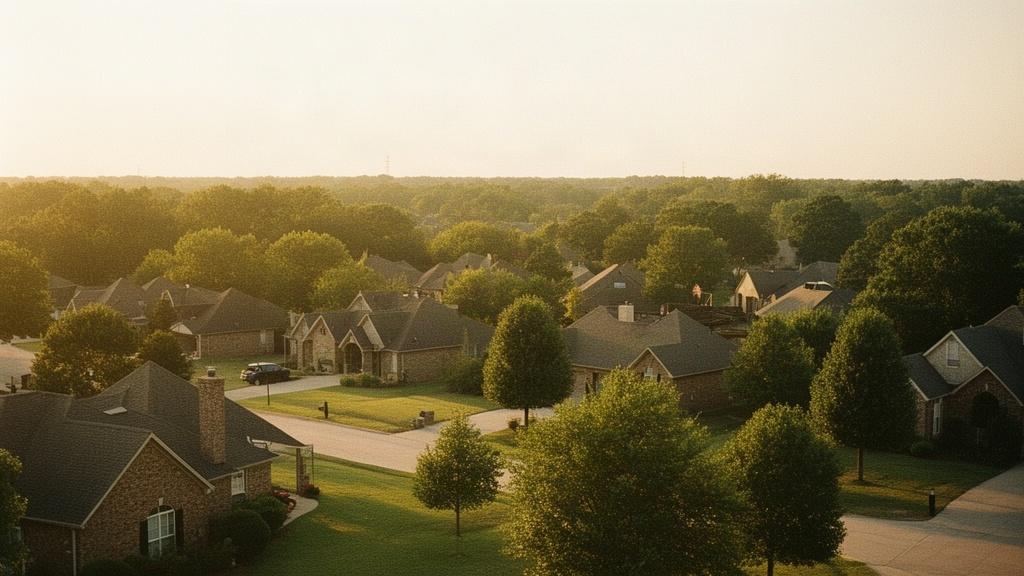
Pelican Bay Woods, Pelican Bay Estates, and Pelican Bay Homes are the primary single-family sections of the community. These streets sit inland, east of the main Pelican Bay Boulevard corridor, and feature homes built largely in the late 1980s and 1990s on lots ranging from about 0.2 to 0.6 acres. Many of these homes have been substantially updated, with new kitchens, pools, and outdoor living spaces. The trade-off compared to the towers is more private outdoor space and lower monthly HOA fees, typically in the $200 to $600 range per month at the sub-community level, plus the Foundation fee.
4. Market Timing: When to Buy and When to Sell in Pelican Bay
Timing in Pelican Bay follows Naples's distinct seasonal demand cycle, but the luxury segment has its own nuances that differ from the broader market. Knowing those nuances can directly affect your negotiating position, whether you are buying or selling.
The Seasonal Demand Cycle
Peak season in Naples runs from January through April, when seasonal residents return from northern states and snowbird traffic is at its highest. In Pelican Bay specifically, this is when the most buyers are physically present, open houses draw the most foot traffic, and sellers tend to see the strongest offers. The months of February and March historically produce the highest transaction volume and the tightest days-on-market figures for the community. Listing a property in late December or early January positions it for maximum exposure during this window.
The summer months, May through September, see reduced buyer activity as seasonal residents return north. However, this does not mean the market stops. Relocation buyers, often purchasing remotely or during short trips, remain active year-round. In a community like Pelican Bay where many buyers are not dependent on local employment, the seasonal pattern is somewhat less pronounced than in more primary-residence-oriented neighborhoods.
Inventory Patterns Through the Year
Inventory in Pelican Bay tends to build from October through December as sellers prepare for the season. This means buyers who shop in November and December often have more options to compare, even if they face competition once January arrives. Conversely, sellers who list in October and November sometimes accept offers before the peak rush, from buyers who want to be settled before the holidays or who are motivated to avoid competing with a wave of new listings in January.
What September 2026 Looks Like Right Now
Right now, in September 2026, Pelican Bay is in its quieter summer phase. Active listings are available across all price tiers, and days on market for properties priced above $2 million have stretched compared to the February-March peak. This creates a window for buyers to negotiate more carefully and conduct thorough due diligence without the pressure of competing offers on every property. Sellers who need to move now can still transact, but pricing accurately is more important in this period than it is during peak season.
The fall pre-season, roughly October through December, is when Pelican Bay's market begins to accelerate again. Sellers who list in October with accurate pricing and strong presentation are well-positioned to capture early-season buyers who arrive ahead of the January crowd.
5. Practical Considerations Before You Buy or List
Whether you are buying into Pelican Bay or preparing to sell a property there, several financial and logistical factors are specific to this community and worth understanding before you go under contract.
HOA Fees and What They Include
Every Pelican Bay property carries two layers of association fees. The Pelican Bay Foundation fee covers the shared amenities described earlier and currently runs approximately $2,700 to $3,000 per year per residential unit. On top of that, each sub-community has its own condo or homeowners association fee that covers building insurance, exterior maintenance, reserves, and building-specific amenities. For high-rise condos, the combined monthly cost can range from $2,500 to over $6,000. For single-family homes in Pelican Bay Woods, the sub-community fee is typically much lower, often under $500 per month, making the total carrying cost more comparable to other gated communities in Naples.
Buyers should request the most recent budget and reserve study from each building they are considering. Florida's condominium laws require associations to maintain adequate reserves, and buildings that are behind on reserve funding may face special assessments. This is particularly relevant for older high-rise buildings that are approaching or undergoing major structural or mechanical updates.
Financing a Luxury Condo in Pelican Bay
Many Pelican Bay purchases are cash transactions, particularly above the $2 million price point. For buyers using financing, lenders will require a condo questionnaire from the building's association, and some buildings may not meet conventional or jumbo loan approval criteria if their owner-occupancy ratios, litigation history, or reserve funding fall outside lender guidelines. Buyers financing above the conventional loan limit, currently $806,500 for a single-unit property in Collier County in 2026, will need a jumbo mortgage product, which carries its own qualification standards. Working with a lender experienced in Florida luxury condo financing before you make an offer is strongly advised.
Due Diligence Checklist for Buyers
A thorough due diligence process in Pelican Bay should cover several areas that go beyond a standard home inspection. Review the building's milestone inspection reports and structural integrity reserve studies, which are now required under Florida law for older multi-story buildings. Confirm the rental policy of the building, since some Pelican Bay buildings restrict short-term or seasonal rentals, which affects both personal use plans and future resale. Verify the parking assignment and storage unit included with the unit. Check the pet policy if applicable. And review the most recent meeting minutes from the association to identify any pending votes on assessments, rule changes, or major capital projects.
FAQ
What is the price range for condos in Pelican Bay, Naples, Florida right now?
As of September 2026, condominiums in Pelican Bay span a wide range depending on building type, floor, and Gulf proximity. Inland low-rise units can be found from the upper $400,000s to the mid $600,000s, while mid-rise buildings with partial Gulf views typically price between $700,000 and $1.2 million. Beachfront high-rise residences in towers like St. Pierre, Montenero, or Mystique start around $2 million and can exceed $10 million at the highest floors with renovated interiors. Price per square foot in the beachfront towers routinely runs above $1,500. The best way to evaluate a specific unit is to compare it against recent closed sales in the same building, which a local agent can pull for you.
Is Pelican Bay a good time to buy in September 2026?
September is part of Pelican Bay's quieter summer period, which creates real advantages for buyers. Sellers who have had properties sitting since spring may be more willing to negotiate on price or terms, and you can take your time with due diligence without the competitive pressure of Naples's peak season. Inventory across all price tiers is available right now, and days on market for higher-priced properties have extended compared to February and March. The trade-off is that you are buying ahead of the pre-season inventory wave, so new listings will come to market in October and November. If you find the right property now, the current environment generally favors buyers more than the January through April window does.
What are the monthly HOA fees in Pelican Bay, and what do they cover?
Every Pelican Bay property pays two layers of fees. The Pelican Bay Foundation fee, which covers private beach access, the tram service, fitness center, tennis courts, and the mangrove preserve, currently runs approximately $2,700 to $3,000 per year per unit. Each sub-community then has its own association fee on top of that, covering building insurance, exterior maintenance, and reserves. For high-rise condo owners, the combined monthly total can range from $2,500 to over $6,000 depending on the building. Single-family homeowners in sections like Pelican Bay Woods typically pay much lower sub-community fees, often under $500 per month, making their total carrying cost considerably more modest. Buyers should always request the current budget, reserve study, and recent meeting minutes before closing.