← Back to Blog
Neighborhoods
What Is It Actually Like to Live in the Pelican Bay Neighborhood in Naples Florida
By Megan Hartsgrove
September 8, 2026 · 10 min read
If you are researching what it is like to live in the Pelican Bay neighborhood in Naples Florida, the short answer is this: it is a large, master-planned coastal community built around private beach access, a robust amenity system, and a wide range of housing types, from high-rise condominiums overlooking the Gulf to single-family homes tucked behind lush landscaping. This guide covers the physical layout, housing stock, costs, commute distances, daily routines, and everything else you need to form a clear picture before making a move.
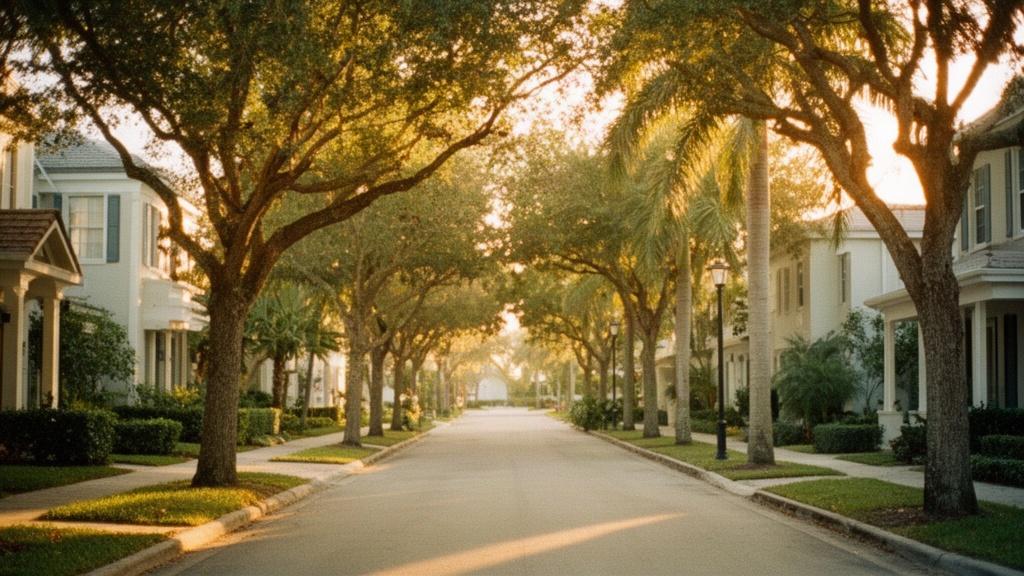
1. The Physical Layout of Pelican Bay
Pelican Bay spans roughly 2,300 acres along the Gulf Coast in North Naples, sitting between U.S. 41 (Tamiami Trail) to the east and the Gulf of Mexico to the west. It is one of the largest planned communities in Southwest Florida, and its scale is something first-time visitors consistently underestimate. The community contains approximately 7,000 residential units spread across dozens of distinct sub-communities, each with its own architectural character and association rules.
Size and Boundaries
The community runs roughly three miles from north to south, bordered by Vanderbilt Beach Road to the north and Seagate Drive to the south. Within those boundaries you will find 570 acres of dedicated conservation land, including mangrove forests and coastal wetlands managed by the Pelican Bay Foundation. That preserved land is not incidental; it is the reason the western edge of the community feels as quiet and natural as it does, even though Waterside Shops and Mercato are a short drive away.
The Tram System and Getting Around Inside the Community
One of the more distinctive features of daily life in Pelican Bay is the tram system. Electric trams run through the community's interior pathways, connecting residential areas to the two beach facilities: the North Beach facility and the South Beach facility. Residents walk or bike to a tram stop and ride the rest of the way to the beach, which keeps vehicle traffic off the beachside paths entirely. It is a practical system that shapes the rhythm of a typical morning here in a way that no other Naples neighborhood replicates.
The community also has an extensive network of paved walking and biking paths that wind through the conservation areas. Many residents cover their daily errands within the community on foot or by bicycle, particularly those living in the mid-community sub-associations closest to the community center buildings.
2. Housing Stock and Price Ranges in Pelican Bay
The housing in Pelican Bay is more varied than many people expect. You are not looking at a single building type or a uniform price point. The community holds everything from two-bedroom condominiums in the $600,000s to ultra-luxury high-rise units and custom single-family homes that trade well above $10 million.
Condominiums and High-Rises
The majority of Pelican Bay's residential units are condominiums, and the high-rise towers along the western edge of the community are the most recognizable part of the skyline. Buildings like St. Raphael, Montenero, and Mystique sit directly on or near the Gulf, with upper-floor units offering unobstructed water views. These properties typically range from around $2 million for a mid-floor two-bedroom unit to $8 million or more for a top-floor penthouse with Gulf frontage.
Mid-rise and low-rise condominiums in the interior of the community, in sub-associations like Chateaumere, Oakmont, or Dorchester, offer a different experience. These buildings are typically three to six stories, surrounded by mature landscaping, and priced from the mid-$600,000s to around $2 million depending on floor, view, and renovation level. They share full access to the Pelican Bay Foundation's beach and amenity system, which is the same access the high-rise residents have.
Single-Family Homes and Villas
Single-family homes in Pelican Bay are concentrated in neighborhoods like Bay Colony, Pelican Bay Woods, and Crescent. Bay Colony is a gated enclave within Pelican Bay with its own private beach club and tennis facilities; homes there typically range from $4 million into the $20 million range for beachfront estates. Pelican Bay Woods and Crescent offer more moderately priced single-family options, generally from the $1.5 million to $4 million range, with larger lots and more privacy than the condominium buildings.
Villa-style attached homes appear in several sub-associations and typically trade between $900,000 and $1.8 million. These are often two-car-garage properties with private lanais, small yards, and a lock-and-leave lifestyle that appeals to part-time residents who spend several months of the year elsewhere.
What Drives Price Differences Within the Community
Within Pelican Bay, price is driven primarily by four factors: proximity to the Gulf, floor height (for condominiums), the specific sub-association's amenities and age of construction, and whether the unit has been updated. A renovated unit in an older building with Gulf views will often outprice a newer unit in an interior building by a significant margin. Understanding these micro-market dynamics is one reason working with a Naples-focused agent like Megan Hartsgrove makes a real difference when you are evaluating whether a listing is priced appropriately.
For a broader look at current inventory and pricing across Naples, the Homes for Sale in Naples, Florida 2026 guide provides useful context on how Pelican Bay fits into the wider Naples market.
3. The Pelican Bay Foundation: What Your Fees Actually Cover
Every property owner in Pelican Bay pays into the Pelican Bay Foundation, which is the governing body that manages the community's shared infrastructure, natural areas, and amenities. The Foundation is not a typical HOA; it operates more like a small municipality, maintaining roads, streetlights, the tram system, the beach facilities, tennis courts, and 570 acres of conservation land. You can review the Foundation's full scope of services directly on the Pelican Bay Foundation's official site, which also has resources specifically for buyers and their agents.
Private Beach Access and Beach Services
The private beach access is the most tangible daily benefit of Foundation membership. Pelican Bay has approximately three miles of private Gulf-front beach, accessible only to residents and their guests. Both the North Beach and South Beach facilities have full-service restaurants, beach chair and umbrella service included with membership, restrooms, and staff on site. On a busy January weekend, when public beaches like Vanderbilt Beach Road parking lots fill by 9 a.m., Pelican Bay's private beach remains uncrowded by comparison.
Tennis, Fitness, and Community Programs
The Foundation operates two tennis facilities with a combined total of 18 Har-Tru courts, plus two fitness centers. Pickleball courts have been added in recent years in response to resident demand, and the community calendar includes fitness classes, art programs, and educational lectures throughout the year. These are not amenities that exist on paper only; they are heavily used, particularly during the November through April season when the full-time and seasonal population peaks.
Environmental Stewardship
The Foundation manages the mangrove restoration and coastal ecosystem preservation that gives Pelican Bay its distinctive natural buffer. This is not just an aesthetic feature. The mangroves provide meaningful storm surge buffering, which is a practical consideration for any buyer evaluating coastal property in Southwest Florida. The Foundation has an active environmental services team that monitors and maintains this system year-round.
4. Daily Life, Errands, and Getting Around Naples
Living in the Pelican Bay neighborhood in Naples Florida means you are positioned in one of the most convenient locations in the entire city for day-to-day errands and dining. The community is bordered on its eastern edge by U.S. 41, and the commercial corridors on either side of that road put most daily needs within a five-minute drive.
Proximity to Waterside Shops and Mercato
Waterside Shops, an open-air shopping center anchored by Saks Fifth Avenue and Pottery Barn, sits at the intersection of U.S. 41 and Seagate Drive, directly adjacent to the southern boundary of Pelican Bay. Many residents walk or bike there from the southern sections of the community. Mercato, the mixed-use center with Whole Foods, a movie theater, and more than a dozen restaurants, is about a mile north on U.S. 41, a five-minute drive or a manageable bike ride for those comfortable on a road shoulder.
Commute Times to Key Naples Destinations
Distance to key Naples destinations from Pelican Bay is worth knowing concretely. Fifth Avenue South in downtown Naples is approximately 7 miles south, typically a 15 to 20 minute drive outside of peak season traffic. Naples Pier is about the same distance. NCH Baker Hospital on Immokalee Road is roughly 4 miles east, a 10-minute drive. Southwest Florida International Airport in Fort Myers is approximately 35 miles north on I-75, usually 40 to 50 minutes depending on traffic. During the January through March peak season, U.S. 41 through North Naples can add 10 to 15 minutes to most of these trips.
Dining and Healthcare Access
The restaurants at Mercato include Bayside Seafood Grill, Bravo, and True Food Kitchen, among others, all within a five-minute drive. The beach clubs at North and South Beach each have their own full-service dining, so many residents eat lunch at the beach several times a week without leaving the community. For more specialized dining, the concentration of restaurants along Fifth Avenue South and Third Street South in downtown Naples is a 20-minute drive.
NCH Healthcare System operates facilities close to the community, and the Cleveland Clinic Florida campus in Weston is a roughly 90-minute drive north for those who need specialized care. Physicians Regional Medical Center on Collier Boulevard is also within the broader Naples area and accessible without highway travel for most Pelican Bay residents.
5. What Living in Pelican Bay Actually Costs Beyond the Purchase Price
The purchase price is only part of the financial picture in Pelican Bay. The ongoing costs, which include Pelican Bay Foundation assessments, individual sub-association HOA fees, property taxes, and insurance, add up to a meaningful monthly number that buyers need to factor into their budget before making an offer.
HOA and Foundation Fees
Every Pelican Bay property owner pays the Pelican Bay Foundation assessment, which as of September 2026 runs approximately $2,600 to $2,800 per year for most residential units. On top of that, each sub-association charges its own HOA fee, which varies considerably. A condominium in a high-rise building with a doorman, pool, and underground parking might carry a sub-association fee of $1,500 to $3,500 per month. A villa in a smaller low-rise community might run $600 to $1,200 per month. Single-family home sub-associations are generally lower, sometimes $300 to $700 per month, though Bay Colony carries higher fees due to its additional private amenities.
Insurance and Property Tax Considerations
Homeowners insurance in coastal Collier County has risen substantially in recent years, and Pelican Bay is not exempt from that trend. Wind insurance through Citizens or private carriers, flood insurance through the National Flood Insurance Program or private alternatives, and standard homeowners coverage together can run $15,000 to $40,000 or more per year for higher-value properties, depending on the structure type, elevation certificate, and coverage limits. Condominium owners in buildings with master policies pay a portion of the building's insurance through their HOA fee, which is one reason high-rise HOA fees are as high as they are.
Property taxes in Collier County are assessed by the Collier County Property Appraiser. Florida's Homestead Exemption reduces the assessed value by $50,000 for primary residences and caps annual assessment increases at 3% for homesteaded properties. Many Pelican Bay owners use their property as a seasonal or investment property and do not qualify for homestead, which means their assessed value can reset to market value at sale. On a $2 million condominium, annual property taxes without homestead typically run in the $18,000 to $24,000 range, depending on the exact millage rate.
Total Monthly Cost Picture
Putting the numbers together for a mid-range Pelican Bay condominium priced at $1.5 million: a buyer financing 50% of the purchase at current rates would have a mortgage payment in the range of $5,500 to $6,500 per month. Add HOA fees of $1,200 per month, the Foundation assessment of roughly $230 per month, property taxes of approximately $1,400 per month, and insurance of $1,500 per month, and the total monthly carrying cost approaches $10,000 to $12,000 before utilities and maintenance. Cash buyers obviously eliminate the mortgage component, which is why a significant share of Pelican Bay transactions are all-cash purchases.
These numbers vary by unit, building, and financing structure, and Megan Hartsgrove can walk you through the specific cost breakdown for any property you are considering in Pelican Bay before you make an offer.
FAQ
Is Pelican Bay in Naples Florida a year-round community or mostly seasonal?
Pelican Bay has both year-round and seasonal residents, and the mix varies by sub-association. The high-rise towers along the Gulf tend to have a higher concentration of seasonal owners who are present from November through April and return to northern states or other countries for the summer months. The single-family home sections, particularly Pelican Bay Woods and Crescent, have a higher proportion of full-time residents. The community's amenities, including the beach clubs and tennis facilities, operate year-round, though programming is more active and the facilities are busier during the winter season. If year-round community energy matters to you, it is worth asking about the specific occupancy patterns in the sub-association you are considering.
Can you rent out a Pelican Bay property as a short-term or vacation rental?
Rental rules in Pelican Bay vary by sub-association, and this is one of the most important questions to ask before purchasing. Some condominium buildings allow rentals with a minimum lease term of 30 days, while others require 90-day or six-month minimums. A handful of sub-associations have more restrictive policies. Short-term rentals in the style of vacation platforms are generally not permitted in most of the community. Collier County also has its own short-term rental regulations that layer on top of the association rules. Your agent should pull the specific rental restrictions from the association documents during the due diligence period before you close.
How does the Pelican Bay real estate market compare to the broader Naples market right now?
As of September 2026, Pelican Bay remains one of the higher-priced segments within Naples, with median condominium prices well above the Naples-wide median. The community has seen relatively stable demand compared to some other Naples neighborhoods, partly because the private beach access and Foundation amenity system create a value proposition that does not exist elsewhere in the city. Inventory levels in Pelican Bay have been somewhat higher in 2026 than in the peak years of 2021 and 2022, which has given buyers more negotiating room than they had during that period. Days on market for well-priced, updated units remain shorter than for properties that need significant renovation.