← Back to Blog
Neighborhoods
What Is It Like to Live in the Old Fourth Ward Neighborhood of Atlanta Day to Day
By Melanie White
September 24, 2026 · 13 min read
If you are wondering what it is like to live in the Old Fourth Ward neighborhood of Atlanta day to day, the short answer is this: it is dense, walkable, historically layered, and changing fast. This guide covers everything from morning commutes and grocery runs to housing costs, architectural character, and the physical rhythms of the neighborhood so you can decide whether it fits the life you want to build in Atlanta.
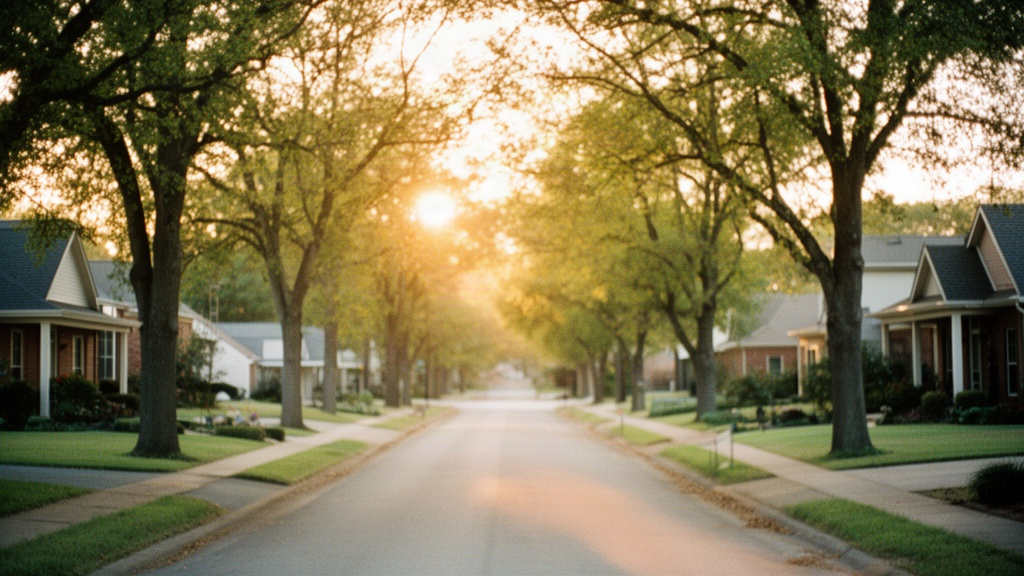
1. The Physical Layout and Character of Old Fourth Ward
Old Fourth Ward sits roughly one mile east of Downtown Atlanta and about a mile southeast of Midtown. Its rough boundaries run from Freedom Parkway to the north, DeKalb Avenue to the south, Boulevard to the east, and the Connector (I-75/85) to the west. That puts it in a genuinely central position: close enough to Downtown to see the skyline from certain corners, but with a street-level texture that feels nothing like the office towers of Peachtree Street.
The neighborhood carries a lot of Atlanta history. It is the birthplace of Martin Luther King Jr., and the Martin Luther King Jr. National Historical Park anchors the western portion of the neighborhood along Auburn Avenue. The Sweet Auburn corridor, once called the richest Negro street in the world by Fortune magazine in 1956, runs through the heart of it. Walking those blocks, you pass Ebenezer Baptist Church, the King birth home, and blocks of commercial buildings that are being steadily restored after decades of disinvestment.
Boundaries and Orientation
Old Fourth Ward borders several well-known Atlanta neighborhoods. Inman Park sits immediately to the east, Virginia-Highland is a short bike ride north, and Poncey-Highland occupies the northwest corner near Ponce de Leon Avenue. These adjacencies matter for daily life because residents often move fluidly across these boundaries for restaurants, coffee shops, and weekend errands without ever getting in a car.
The topography is gently rolling, with some steeper grades near Freedom Park and the creek corridors. Ponce de Leon Avenue cuts through the northern edge and connects the neighborhood directly to Midtown on one side and Decatur on the other, making it one of the more strategically located corridors in the city for someone who wants to avoid the interstate entirely.
Streets, Walkability, and Getting Around
Old Fourth Ward scores consistently high on walkability indexes for Atlanta. The street grid is relatively intact compared to neighborhoods that were bisected by highway construction, which means you can actually walk from block to block without dead ends or concrete barriers interrupting your path. Edgewood Avenue, Auburn Avenue, and North Avenue each offer different retail and dining corridors within walking distance of most addresses inside the neighborhood.
The Atlanta BeltLine's Eastside Trail is the single biggest infrastructure asset for daily pedestrian and bike life. It runs along the western edge of the neighborhood and connects directly to Piedmont Park, Midtown, and points south toward Grant Park. On a typical weekday morning you will see a steady stream of people running, cycling, and walking dogs along the trail before 8 a.m. On weekends it becomes one of the busiest outdoor corridors in the city.
2. What Day-to-Day Life in Old Fourth Ward Actually Looks Like
Day-to-day life in Old Fourth Ward is urban in a way that is specific to Atlanta: car-optional for some errands but not all, dense without being high-rise, and layered with both historic preservation and new construction happening on the same block. For a more detailed look at how Old Fourth Ward compares to other intown Atlanta options, the guide at Redfin's Old Fourth Ward neighborhood overview offers useful baseline data on housing and commute patterns.
Morning Routines and Coffee Culture
Coffee options within the neighborhood are concentrated near the BeltLine and Ponce City Market. Ponce City Market itself houses several coffee and breakfast options inside the historic Sears, Roebuck building on Ponce de Leon Avenue, a 2.1 million square foot adaptive reuse project that opened in phases starting in 2014 and remains the commercial anchor of the northern part of the neighborhood. On a weekday morning, the ground floor is filled with people grabbing breakfast before heading to offices located in the building or commuting out of the neighborhood.
The BeltLine trail itself functions as a morning social corridor. Residents who live within two or three blocks of the Eastside Trail often incorporate a morning walk or run into their daily routine before work, stopping at one of the food vendors or coffee windows that have opened along the trail over the past several years.
Groceries, Errands, and Daily Needs
Grocery access is one of the more practical questions for anyone evaluating whether to live in Old Fourth Ward. The Kroger on Ponce de Leon Avenue at the edge of Poncey-Highland is the closest large-format grocery store and is within a 10 to 15 minute walk from most addresses in the northern part of the neighborhood. Residents in the southern sections near Edgewood Avenue typically drive or bike to that Kroger or to the Publix in nearby Inman Park, roughly a mile east.
For everyday errands, the neighborhood has a mix of independent shops and national chains concentrated along Edgewood Avenue and near Ponce City Market. Dry cleaning, pharmacies, and fitness studios are all present within the neighborhood. The Krog Street Market, just across the border in Inman Park, adds a covered food hall with specialty vendors that many Old Fourth Ward residents treat as a regular weekly stop.
Parks, Green Space, and the BeltLine
Old Fourth Ward Park is the neighborhood's central green space, covering about 6.5 acres along the BeltLine corridor. It includes a skate park, a dog park, a large open lawn, and a retention pond that manages stormwater for the surrounding area. The park is heavily used on evenings and weekends and serves as an informal gathering point for the neighborhood.
Freedom Park runs along the northern edge of the neighborhood and connects to the Carter Center grounds. It is a linear greenway that follows a former interstate right-of-way, offering a wide paved path through a corridor of mature trees. Piedmont Park, one of Atlanta's largest urban parks at 185 acres, is accessible via the BeltLine trail in roughly 15 to 20 minutes on foot or five to seven minutes by bike.
3. Commuting Into and Out of Old Fourth Ward
Commute times from Old Fourth Ward depend heavily on your destination and how you travel. The neighborhood's central location means that Downtown Atlanta is roughly a 10 to 15 minute drive in light traffic, Midtown is 10 minutes, and Buckhead is 20 to 25 minutes. During morning rush hour those times increase, particularly on North Avenue and Ponce de Leon Avenue heading west.
Driving and Parking Realities
Parking is a genuine daily consideration in Old Fourth Ward, especially near Ponce City Market and the BeltLine. Single-family homes typically have driveways or one-car garages. Condo and townhome buildings vary widely: some include deeded parking, others rely on street parking or nearby decks. If you are evaluating a specific property, confirming the parking situation before making an offer is worth doing carefully.
Street congestion near Ponce City Market and along Edgewood Avenue on weekend evenings is significant. Residents who live within a few blocks of those corridors generally learn to walk or bike to those destinations rather than drive, which is one of the practical advantages of being close to the BeltLine.
MARTA and Bike Commuting
MARTA rail access is available at the King Memorial station on the Blue and Green lines, located on DeKalb Avenue near the southern boundary of the neighborhood. From King Memorial, a rider can reach Five Points station (the Downtown hub) in about four minutes, or Hartsfield-Jackson Atlanta International Airport in roughly 20 minutes. Several MARTA bus routes also serve Edgewood Avenue, Auburn Avenue, and North Avenue, providing connections to Midtown and other intown destinations.
Bike commuting is practical for a meaningful portion of Old Fourth Ward residents. The BeltLine Eastside Trail connects directly to Midtown employment centers, and Atlanta Beltline Inc. has continued to expand protected connections toward Downtown. Relay Bike Share stations are distributed along the BeltLine and near major intersections, offering a point-to-point option for shorter trips.
4. Housing Stock, Architecture, and What You Can Buy
The housing stock in Old Fourth Ward is one of the most varied of any intown Atlanta neighborhood, ranging from Victorian-era cottages to glass-and-steel new construction condos. That variety means the neighborhood attracts buyers at different price points and with very different priorities. Understanding what is actually available is essential before you start scheduling showings. For a broader look at how intown Atlanta neighborhoods compare on housing type and price, the Atlanta real estate market guide on this site covers the full picture.
Historic Homes and Renovation Projects
The oldest residential blocks of Old Fourth Ward contain Craftsman bungalows, Queen Anne cottages, and vernacular shotgun houses dating from the 1890s through the 1930s. Many of these were in poor condition as recently as 15 years ago and have been renovated to varying degrees. A fully renovated Craftsman bungalow with 1,400 to 1,800 square feet on a standard Atlanta lot will typically carry an asking price in the $650,000 to $850,000 range as of September 2026, depending on the specific block and finish level.
Unrenovated properties still exist and represent a different kind of opportunity. Buyers willing to take on a renovation project can sometimes find older bungalows in the $400,000 to $550,000 range, though those opportunities have become less frequent as the neighborhood has continued to appreciate. Any buyer considering a renovation project should factor in permit timelines and contractor availability, both of which are currently stretched in intown Atlanta.
Condos, Townhomes, and New Construction
New construction has accelerated significantly in Old Fourth Ward over the past decade, concentrated near the BeltLine and along Edgewood Avenue. Townhome developments with two- and three-bedroom units have filled in many formerly vacant lots, and several mid-rise condo buildings have opened near Ponce City Market. These newer units tend to have open floor plans, rooftop decks or terraces, and finishes that contrast sharply with the historic fabric one block away.
If you are considering a condo purchase specifically, it is worth understanding the HOA structure, reserve fund health, and rental restrictions before making an offer. The guide on buying a condo in Virginia-Highland covers those due diligence steps in detail and most of them apply equally to Old Fourth Ward condo purchases.
Current Price Ranges as of September 2026
As of September 2026, the median sale price for homes in Old Fourth Ward sits in the range of $575,000 to $650,000, with significant variation by property type. Entry-level condos in older mid-rise buildings start around $320,000 to $380,000. New construction townhomes near the BeltLine are typically priced from $700,000 to over $1 million depending on size and finishes. Single-family detached homes span the widest range, from the mid-$400,000s for unrenovated properties to well above $1.2 million for large, fully restored historic homes on premium blocks.
Days on market for well-priced properties in Old Fourth Ward currently average 18 to 28 days, which is slightly faster than the broader Atlanta metro average. Properties priced at or below $500,000 tend to move more quickly and sometimes attract multiple offers. The upper end of the market, above $900,000, moves more slowly and gives buyers more room to negotiate.
5. Food, Nightlife, and the Social Texture of the Neighborhood
The restaurant and bar scene in Old Fourth Ward is one of the most active of any intown Atlanta neighborhood, and it shapes the daily rhythm of life here in ways that matter if you are evaluating whether to buy. Evening foot traffic along Edgewood Avenue and the BeltLine is heavy on weekends, which means noise and activity are part of the package for anyone living close to those corridors. That is worth knowing before you commit.
Restaurants and Bars Along Ponce and Edgewood
Edgewood Avenue has become one of Atlanta's most concentrated bar corridors, with a cluster of venues between Boulevard and Moreland Avenue that draw crowds from across the city on weekend nights. Residents who live on or near Edgewood will hear that activity. Blocks further north, toward Freedom Park or the residential streets off North Avenue, are noticeably quieter in the evenings.
Ponce de Leon Avenue offers a different dining register: full-service restaurants, brunch spots, and specialty food businesses that serve both the neighborhood and the broader intown Atlanta market. Several nationally recognized Atlanta restaurants are located within a short walk of the Ponce City Market building, making the northern edge of Old Fourth Ward a destination for people coming in from other parts of the city as well.
The Krog Street Market and Ponce City Market Effect
Ponce City Market functions as both a commercial anchor and a daily amenity for Old Fourth Ward residents. The ground floor food hall includes a rotating mix of local and regional vendors, and the building also houses office space, residential units, and retail. On a typical weekday, the food hall is busy at lunch with office workers from inside the building and from nearby employers. On weekends it draws visitors from across Atlanta.
The Krog Street Market, technically in Inman Park but accessible via a short BeltLine walk from Old Fourth Ward, adds another food hall with a different character: smaller, more intimate, and focused on local vendors. Together these two markets mean that Old Fourth Ward residents have access to a level of food and retail variety that is unusual even by intown Atlanta standards. For buyers comparing Old Fourth Ward to Inman Park specifically, the guide on buying a home in Inman Park covers the distinctions in housing process and costs.
6. What to Research Before You Buy in Old Fourth Ward
Knowing what it is like to live in the Old Fourth Ward neighborhood of Atlanta day to day is only part of the decision. Before committing to a purchase, there are a few specific research tasks that are worth doing carefully, particularly around schools and the physical character of the specific block you are considering.
Schools and Education Resources
Old Fourth Ward falls within Atlanta Public Schools. School assignments depend on your specific address, and boundaries can change. The best source for current zoning is the Atlanta Public Schools website directly, where you can enter an address and confirm which schools serve that property. For performance data and additional context, the Georgia Department of Education publishes school report cards that are publicly available and updated annually. These are personal decisions that every buyer should research independently based on their own priorities.
Several private schools are located within a few miles of Old Fourth Ward, and the neighborhood's central location makes it accessible to a range of options. Researching those options directly with each institution is the most reliable approach, as availability and enrollment timelines vary.
Noise, Density, and Lifestyle Fit
Old Fourth Ward is not a quiet neighborhood, and that is worth stating plainly. The BeltLine brings foot traffic and event noise. Edgewood Avenue brings bar and restaurant activity on evenings and weekends. North Avenue and Ponce de Leon Avenue are high-volume arterials with bus routes and steady traffic. If you are evaluating a specific property, visiting it on a Friday or Saturday evening will give you a much more accurate picture of the ambient noise level than a weekday morning showing.
Construction activity is also ongoing throughout the neighborhood. Infill development continues on formerly vacant lots, and several larger mixed-use projects are currently in various stages of construction along the BeltLine corridor. Buyers purchasing near active construction sites should ask about projected completion timelines and what will be built adjacent to the property they are considering.
For first-time buyers navigating these considerations in Atlanta, the first-time home buyer guide for Atlanta covers the full process from pre-approval through closing, including what to look for during due diligence on an intown property.
FAQ
Is Old Fourth Ward walkable enough to live without a car?
Old Fourth Ward is among the more walkable neighborhoods in Atlanta, but whether you can go fully car-free depends on where you work and how you handle grocery shopping. The BeltLine Eastside Trail connects you to Midtown, Inman Park, and Ponce City Market on foot or by bike, and the King Memorial MARTA station provides rail access to Downtown and the airport. Grocery stores require either a 10 to 15 minute walk to the Kroger on Ponce or a trip to the Publix in Inman Park. Most residents find that a car is useful for some errands and longer commutes, even if they use it far less than they would in suburban Atlanta.
What types of homes are available in Old Fourth Ward and what do they cost?
Old Fourth Ward has one of the widest ranges of housing types of any intown Atlanta neighborhood. Options include historic Craftsman bungalows from the early 1900s, mid-rise condos near Ponce City Market, new construction townhomes along the BeltLine, and a small number of larger Victorian-era homes. As of September 2026, entry-level condos start around $320,000 to $380,000, renovated bungalows typically range from $650,000 to $850,000, and new construction townhomes near the BeltLine often exceed $700,000. Unrenovated single-family properties can still be found in the $400,000 to $550,000 range, though those opportunities are becoming less common as the neighborhood continues to appreciate.
How does Old Fourth Ward compare to neighboring Inman Park for daily life?
Both neighborhoods share access to the BeltLine Eastside Trail and the Krog Street Market, but they have distinct characters. Old Fourth Ward has more commercial activity, more ongoing construction, and a more active nightlife corridor along Edgewood Avenue. Inman Park tends to feel quieter on residential blocks and has a higher concentration of large Victorian homes with deep lots. Old Fourth Ward's proximity to Ponce City Market and the Sweet Auburn corridor gives it a different daily rhythm, with more foot traffic and more density near its commercial nodes. Buyers who prioritize walkability and proximity to major retail and food destinations often lean toward Old Fourth Ward, while those who want more residential quiet on their street sometimes prefer Inman Park's interior blocks.