← Back to Blog
Selling
Selling a Home in Sandy Springs, Georgia: Pricing, Timeline and What to Expect
By Melanie White
September 7, 2026 · 12 min read
Selling a home in Sandy Springs, Georgia involves more moving parts than most sellers expect, from setting the right list price in a market where values can shift by six figures depending on the street, to managing offers, inspections, and a closing process that typically runs 30 to 45 days. This guide breaks down the full picture: current pricing benchmarks, a realistic week-by-week timeline, and the costs and decisions that will shape your outcome.
1. What the Sandy Springs Housing Market Looks Like Right Now
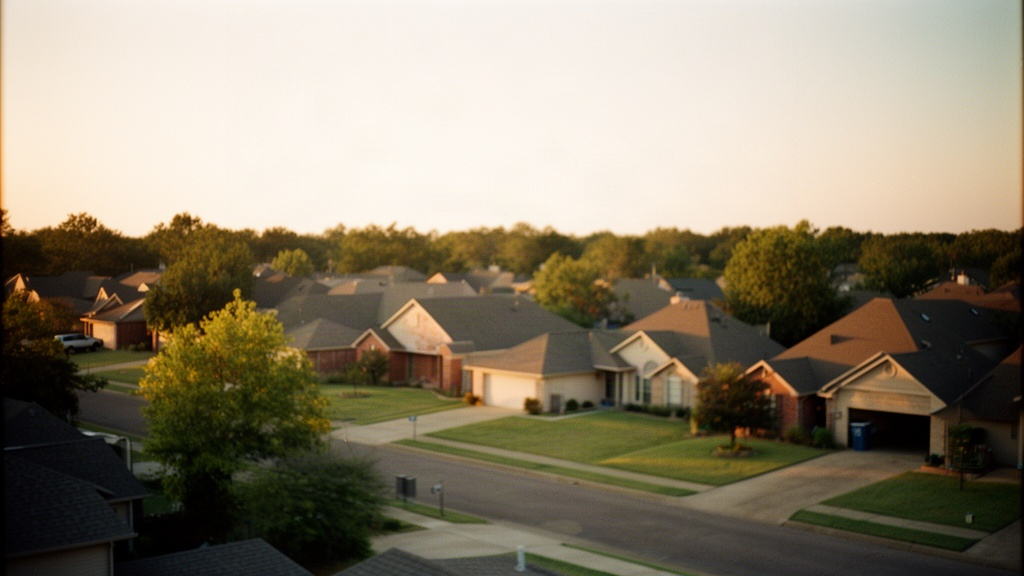
Sandy Springs sits in a nuanced position in the Atlanta metro. It is an incorporated city within Fulton County, bordered by Dunwoody to the north, Buckhead to the south, and the Chattahoochee River to the west. That geography, combined with the city's own municipal services and parks system, gives Sandy Springs a distinct identity that affects how buyers evaluate and price properties here.
Price Ranges by Property Type
As of September 2026, median home prices in Sandy Springs are running in the mid-to-upper $600,000s for single-family detached homes, though the range is wide. Entry-level ranches and split-levels built in the 1960s and 1970s, concentrated in neighborhoods like Spalding Woods and Hammond Hills, typically list from the low $400,000s. Mid-century homes closer to the Roswell Road and Hammond Drive corridors often land between $550,000 and $750,000. Larger newer construction and estate-style properties along the river or in gated communities can push well past $1.5 million.
The city's Q1 2025 real estate snapshot described the market as one in balance, with supply and demand leveling out after the compressed inventory years of 2021 and 2022. That balance has continued into 2026, meaning sellers can still command strong prices but need to price accurately rather than aspirationally.
How Sandy Springs Compares Within Fulton County
Sandy Springs consistently prices above the Fulton County median but below the highest-tier Buckhead luxury segment. If you want a broader look at how Buckhead pricing works and how it affects the surrounding submarkets, the Buckhead Atlanta Real Estate Market Guide covers that territory in detail. Understanding where Sandy Springs sits in relation to Buckhead matters when you are setting a list price, because buyers comparison-shop across both markets.
Condominiums and townhomes in Sandy Springs, particularly along the Perimeter Center area near Hammond Drive and Ashford Dunwoody Road, generally range from the upper $200,000s to the mid-$500,000s depending on square footage, building age, and HOA amenities. This segment attracts buyers who want proximity to the Perimeter business district without a single-family maintenance load.
2. How to Price Your Sandy Springs Home Correctly
Correct pricing is the single biggest lever a seller controls. Homes priced within 2 to 3 percent of their true market value in Sandy Springs typically go under contract within two to three weeks. Homes priced 5 percent or more above market tend to sit, accumulate days on market, and eventually sell for less than they would have at a proper opening price.
Why Pricing Too High Costs You Money
Buyers in Sandy Springs are well-informed. Many are relocating professionals working at the large employers clustered around the Perimeter, including State Farm's regional hub and the many healthcare and financial services firms near GA-400. They are typically pre-approved, working with experienced buyer's agents, and tracking the market closely. An overpriced listing gets filtered out immediately.
A listing that sits for 45 or 60 days in this market raises questions buyers cannot ignore. Even if you reduce the price, the stigma of a stale listing often means you end up negotiating harder on repairs, closing costs, and contingencies than you would have with a clean, well-priced launch.
What a Comparative Market Analysis Actually Covers
A comparative market analysis, or CMA, is the tool your agent uses to establish a defensible list price. A thorough CMA for a Sandy Springs property looks at closed sales within roughly a half-mile radius over the past three to six months, adjusting for square footage, lot size, bedroom and bathroom count, garage configuration, and condition. In Sandy Springs, micro-location matters enormously: a home on a quiet cul-de-sac backing to Morgan Falls Overlook Park will price differently than a similar home on a busy arterial like Roswell Road, even at the same square footage.
Your CMA should also account for active competition. If three similar homes are sitting unsold at $750,000, pricing at $749,000 does not solve the problem. The analysis needs to identify why those homes are not moving and price yours to stand apart on value, not just by a cosmetic dollar difference.
3. The Sandy Springs Home-Selling Timeline, Week by Week
From the day you decide to sell to the day you hand over keys, most Sandy Springs transactions take between 60 and 90 days total. That window breaks into three distinct phases: pre-listing preparation, the active listing period, and the contract-through-closing stretch. Each phase has its own demands and potential delays.
Pre-Listing Preparation
Plan for two to four weeks of preparation before your home goes live. This phase covers decluttering and deep cleaning, any cosmetic repairs or touch-ups, professional photography, and the completion of your Georgia Seller's Property Disclosure. In Sandy Springs, where many homes were built between 1960 and 1985, sellers often discover deferred maintenance items during this phase: aging HVAC systems, older roofs, or dated electrical panels. Addressing known issues before listing, or pricing to reflect them transparently, prevents deals from falling apart later.
Professional photography is not optional in this market. Buyers browsing listings on their phones make a decision about whether to schedule a showing within seconds of seeing the first photo. Drone footage is worth considering for properties with significant lot size or proximity to the Chattahoochee River corridor, where the outdoor setting is part of the value proposition.
Active Listing Period
Once live on the Georgia MLS, well-priced Sandy Springs homes typically receive their strongest showing activity in the first 10 to 14 days. This is the window that matters most. Serious buyers who have been watching the market will schedule showings within the first weekend. If your home is priced correctly and presented well, you can expect offers within two weeks of going live.
Open houses remain a useful tool in Sandy Springs, particularly for homes near City Springs, the city's performing arts and civic center on Roswell Road, or near the Powers Ferry Landing area where foot traffic from the nearby retail and restaurant corridor brings organic visibility. Your agent should also be marketing the listing directly to buyer's agents in the Perimeter and Buckhead submarkets, where many active buyers are already searching.
Under Contract Through Closing
Once you accept an offer, the closing clock starts. In Sandy Springs, the standard contract-to-close window runs 30 to 45 days for conventional and FHA financing. Cash transactions can close in as few as 14 to 21 days. The closing timeline is governed by the buyer's financing contingency deadlines, the inspection period (typically 10 days under a Georgia Purchase and Sale Agreement), and the appraisal process. For a deeper look at how the closing timeline works across Atlanta, the closing timeline guide for Atlanta walks through each phase in detail.
4. Costs Every Sandy Springs Seller Should Budget For
Sellers in Sandy Springs typically net between 7 and 10 percent less than the gross sale price after all transaction costs. Knowing what those costs are before you list prevents surprises at the closing table and helps you evaluate offers accurately.
Commission and Closing Costs
Real estate commission in Georgia is negotiable, but sellers should budget for total brokerage compensation in the range of 5 to 6 percent of the sale price, split between the listing brokerage and the buyer's agent. On a $650,000 Sandy Springs home, that is $32,500 to $39,000. Georgia also charges a real estate transfer tax of $1 per $1,000 of the sale price, which is relatively modest.
Seller-paid closing costs vary by negotiation, but it is common in this market for sellers to contribute $3,000 to $8,000 toward the buyer's closing costs, particularly when the buyer is using FHA or VA financing. Attorney fees for the closing itself typically run $800 to $1,200 on the seller's side. Georgia requires a licensed real estate attorney to conduct the closing, so this cost is unavoidable.
Property taxes are prorated at closing. If you have already paid your Fulton County property taxes for the year, you will receive a credit for the portion covering the period after closing. If they are unpaid, your share through the closing date will be deducted from your proceeds. For context on how Fulton County property taxes are calculated on homes in this price range, the guide on property taxes on a $450,000 Fulton County home gives a useful baseline.
Pre-Sale Repairs and Staging
Pre-sale repairs and staging are variable costs, but they directly affect both your sale price and your days on market. In Sandy Springs, where the housing stock skews toward mid-century and 1980s construction, the most common pre-sale investments are fresh interior paint (typically $3,000 to $6,000 for a 2,500-square-foot home), refinished hardwood floors ($1,500 to $3,000), and landscaping cleanup. Full professional staging for a vacant home runs $2,000 to $5,000 per month depending on the size of the property.
A pre-listing home inspection, which costs $350 to $500, is worth considering for older Sandy Springs homes. It surfaces issues you can address proactively rather than reactively during the buyer's inspection period, which reduces the chance of a renegotiation or a deal falling apart at the worst possible moment.
5. What Actually Happens During the Contract and Closing Period
Accepting an offer is not the finish line; it is the start of the most complex part of the transaction. The 30 to 45 days between contract and closing involve several sequential steps, each with its own deadline and potential for complications.
Inspections and Repair Negotiations
The buyer's inspection period in Georgia typically lasts 10 days from the binding agreement date. During this window, the buyer hires a licensed home inspector and often specialists for items like radon, sewer lines, or HVAC systems. Sandy Springs homes built before 1978 may also trigger lead paint inspections.
After the inspection, the buyer submits a repair request or an amendment to the purchase price. As a seller, you have three options: agree to the repairs, offer a credit at closing in lieu of repairs, or decline. Declining puts the buyer in a position to terminate and receive their earnest money back. Most Sandy Springs transactions reach a negotiated middle ground, with sellers addressing material defects and declining cosmetic items.
Appraisal Contingencies
If the buyer is using financing, the lender will order an appraisal, typically within the first two weeks of the contract period. In Sandy Springs, where price appreciation has been meaningful over the past several years, appraisals occasionally come in below the contract price, particularly on properties that sold above asking in a competitive offer situation. When that happens, the seller and buyer must renegotiate the price, the buyer must make up the difference in cash, or the deal terminates.
The best defense against a low appraisal is a well-supported list price from the start. When your agent has documented comparable sales that justify the contract price, your listing agent can provide that data directly to the appraiser, which is allowed under Georgia practice. A strong comp package can make the difference between an appraisal that clears and one that does not.
Final Steps to the Closing Table
Once inspections and the appraisal are resolved, the transaction moves toward the closing date. The buyer's lender issues a clear-to-close, the closing attorney prepares the settlement statement, and both parties review the final numbers. In Georgia, sellers do not always need to attend the closing in person; many sign documents in advance or via a mobile notary.
The buyer does a final walkthrough, typically within 24 hours of closing, to confirm the property is in the agreed condition and that any negotiated repairs have been completed. Sellers should have the home professionally cleaned and all personal property removed before this walkthrough. Proceeds are typically wired to the seller within 24 hours of the closing date, sometimes the same day.
For broader context on how the Atlanta-area selling process compares across different submarkets, the complete seller's guide for Atlanta covers the regional picture in detail.
6. What Makes Sandy Springs Different From Other Atlanta Submarkets
Sandy Springs has characteristics that set it apart from other Fulton County submarkets and that directly affect how sellers should approach the market. Understanding them helps you position your home more effectively.
The Perimeter Employment Corridor
The Perimeter Center area, straddling the Sandy Springs and Dunwoody border along I-285, is one of the largest suburban office markets in the Southeast. Major employers including State Farm, Northside Hospital, and dozens of financial and technology firms have significant presences there. This creates a consistent pipeline of relocating buyers with corporate relocation packages, which tend to compress timelines and reduce contingency risk.
Proximity to MARTA's Sandy Springs and Medical Center stations on the Red Line is a genuine selling point for buyers who commute to Midtown or Downtown Atlanta. Homes within a half-mile of a MARTA station consistently generate broader buyer interest than comparable homes farther from transit.
The River and Parks Premium
Sandy Springs manages an extensive parks system, including Morgan Falls Overlook Park on the Chattahoochee, the Island Ford unit of the Chattahoochee River National Recreation Area, and the recently expanded trails along the river corridor. Homes within walking distance of these parks, particularly in the Riverside and Heards Ferry neighborhoods, carry a measurable premium that a good CMA will capture.
City Springs, the city's $225 million civic and performing arts center on Roswell Road, has also reshaped the immediate area around it. Properties within a short walk of City Springs benefit from the walkability and activity that the venue generates, which is a relatively new value driver in a city that was historically very car-dependent.
Luxury Sales and Market Depth
Sandy Springs has a healthy luxury tier. The top 10 sales of 2024 in Sandy Springs included several transactions above $3 million, with the highest-profile sales concentrated in the Heards Ferry and River Chase areas along the Chattahoochee. This active upper tier matters even for mid-range sellers because it signals that the overall market has depth and that buyers with purchasing power are choosing Sandy Springs over other Atlanta suburbs.
For sellers in the $500,000 to $900,000 range, the presence of an active luxury market above them is a positive signal. It means the overall price trajectory in Sandy Springs is supported by genuine demand at multiple price points, not just at the entry level.
FAQ
How long does it take to sell a home in Sandy Springs, Georgia right now?
As of September 2026, well-priced Sandy Springs homes are going under contract within two to three weeks of listing. The full process from your first conversation with an agent to the closing date typically runs 60 to 90 days: two to four weeks of pre-listing preparation, two to three weeks on market, and 30 to 45 days in the contract-to-close period. Cash transactions can compress the back end to as few as 14 to 21 days. Homes priced above market value take significantly longer and often sell for less than a properly priced home would have.
What are the typical closing costs for a seller in Sandy Springs?
Sandy Springs sellers should budget for total transaction costs of roughly 7 to 10 percent of the gross sale price. The largest line item is real estate commission, which typically runs 5 to 6 percent of the sale price split between the listing brokerage and the buyer's agent. Additional costs include Georgia's real estate transfer tax at $1 per $1,000 of sale price, attorney fees of $800 to $1,200, any seller-paid buyer closing cost contributions negotiated in the contract, and prorated property taxes through the closing date. Pre-sale repairs and staging are separate, variable costs that depend on the condition and presentation of your specific property.
Is September a good time to list a home in Sandy Springs?
September sits in the early fall window, which is historically the second-strongest selling season in the Atlanta metro after spring. Buyer activity remains solid in September because families who did not find a home during the summer rush are still actively searching, and corporate relocations tied to fourth-quarter start dates create urgency. Inventory in Sandy Springs typically ticks up slightly in early fall as sellers who held off during summer list before the holiday slowdown, so pricing precisely is important. Homes listed in September that are well-prepared and correctly priced have a strong track record of going under contract before Thanksgiving.