
← Back to Blog
Market Trends
What Is the Average Home Price in Dayton Ohio Right Now in September 2026
By Melissa Erbaugh, Licensed Real Estate Agent
Gillen Group - Keller Williams Community Partners
September 18, 2026 · 10 min read
If you are wondering what the average home price in Dayton Ohio is right now in September 2026, the short answer is that the Dayton metro median sits in the low-to-mid $200,000s, though prices shift meaningfully depending on the city, township, or zip code you are looking at. This article breaks down current pricing across Dayton and its surrounding communities, explains what is driving values this fall, and gives you the concrete numbers you need whether you are buying, selling, or relocating.
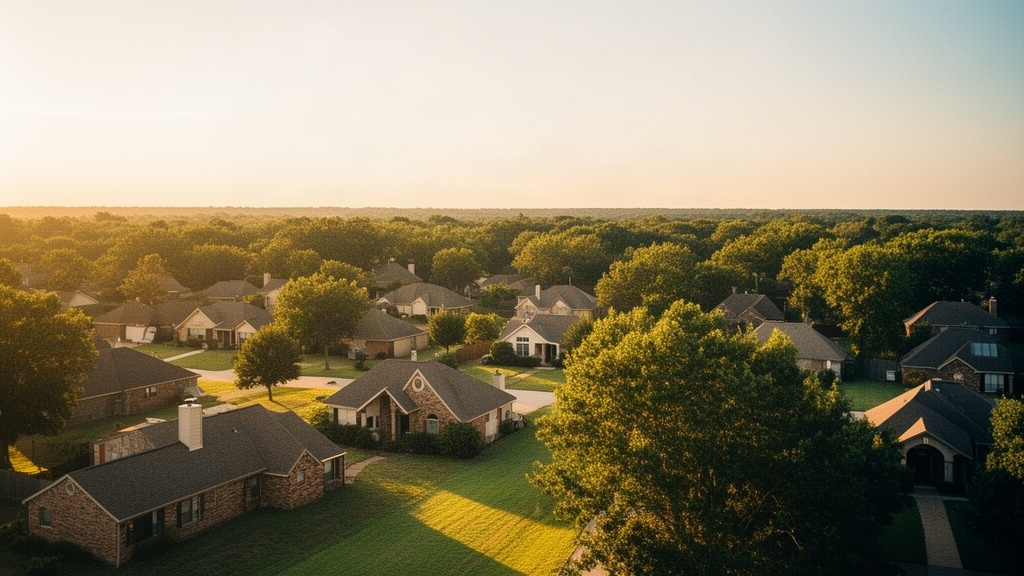
1. The Current Average Home Price in Dayton Ohio in September 2026
The median home sale price in the Dayton metro area is approximately $215,000 to $225,000 as of September 2026. That figure reflects closed sales across the broader Miami Valley region, which includes Montgomery County, Greene County, Warren County, and portions of Clark County. The number has risen steadily over the past two years, up roughly 6 to 8 percent from September 2025, driven by a combination of constrained supply and persistent buyer demand.
It is worth understanding the difference between median and average. The median is the midpoint price where half of homes sold for more and half sold for less. The average (mean) is pulled higher by luxury sales and large custom builds, and in Dayton it currently runs closer to $245,000 to $260,000. For most buyers and sellers, the median is the more useful benchmark because it is not distorted by outliers.
Metro-Wide Median vs. Average
Metro-level numbers are a useful starting point, but they can mask wide variation. A three-bedroom brick ranch in Trotwood and a four-bedroom colonial in Centerville both fall inside the Dayton metro, yet their prices can differ by $150,000 or more. The sections below break that down city by city so you can calibrate your expectations before you start touring homes or setting a list price.
For the most current closed-sale data updated monthly, Dayton Realtors publishes Miami Valley housing statistics including median prices, unit sales, and days on market broken out by county. That is a reliable primary source to bookmark alongside this article.
How Dayton Compares to Ohio Statewide
Ohio's statewide median home price is running close to $260,000 in September 2026, pushed up by Columbus and Cincinnati metro values. Dayton remains one of the more accessible large metros in the state on a price-per-square-foot basis. The Columbus metro median is roughly $330,000 to $340,000 right now, and Cincinnati's median sits near $290,000, which means buyers priced out of those markets are actively relocating to Dayton, adding another layer of demand here.
2. Home Prices by Neighborhood and Suburb
Dayton's housing market is highly localized. Prices shift block by block in some parts of the city, and the gap between the most affordable zip codes and the priciest suburbs can exceed $200,000. Here is a current breakdown of what homes are trading for across the major communities in the metro as of September 2026.
City of Dayton Proper
Inside the city limits of Dayton, the median sale price currently runs between $120,000 and $160,000, with significant variation by zip code. The 45419 zip code, which covers the eastern edge of the city near the Dayton Art Institute and Riverview neighborhood, tends to trade at the higher end of that range. Areas closer to downtown along the Oregon District, which is known for its 19th-century brick storefronts and lively restaurant corridor on East Fifth Street, have seen renewed investor and owner-occupant interest, with renovated bungalows and craftsman-style homes selling in the $150,000 to $200,000 range depending on condition and lot size.
The city's housing stock is predominantly pre-1960, featuring a mix of American Foursquares, Cape Cods, and two-story frame homes on 40-to-60-foot lots. Buyers willing to put in renovation work can find solid bones at prices well below the metro median, and several neighborhoods near the Great Miami River Trail have attracted buyers who want walkable access to Dayton's 340-plus miles of paved recreational paths.
Kettering and Centerville
Kettering and Centerville sit immediately south of Dayton and represent a significant step up in price. Kettering's median is currently in the $220,000 to $250,000 range. The city is built largely on postwar ranch homes and split-levels from the 1950s through the 1970s, many on quarter-acre to half-acre lots. Kettering's Fraze Pavilion, an outdoor amphitheater, and the proximity to Dorothy Lane Market are frequently cited by residents as reasons they chose the area.
Centerville pushes higher, with a median closer to $290,000 to $320,000 in September 2026. The housing stock there includes a broader mix of 1980s and 1990s colonials, two-story traditionals, and newer construction in planned communities. Centerville is about 12 miles south of downtown Dayton via I-675, putting most of the metro's employment centers within a 20-to-25-minute commute.
Beavercreek and Fairborn
Beavercreek, located in Greene County about 10 miles east of downtown Dayton, has a median sale price of roughly $280,000 to $310,000 right now. The community features a heavy concentration of 1990s and 2000s construction, including two-story colonials, brick-front homes, and newer builds in subdivisions off Dayton-Yellow Springs Road and Grange Hall Road. Its proximity to Wright-Patterson Air Force Base, which is one of the largest single-site employers in Ohio with roughly 30,000 military and civilian personnel, keeps buyer demand consistently strong.
Fairborn sits adjacent to Wright-Patterson and carries a lower median than Beavercreek, currently around $190,000 to $215,000. The housing stock in Fairborn is older on average, with more postwar construction and smaller lot sizes, but buyers get significantly more square footage per dollar compared to Beavercreek or Centerville.
Oakwood and Miamisburg
Oakwood is one of the priciest submarkets in the Dayton area, with a median that regularly exceeds $350,000 and top-end sales clearing $600,000 or more. It is a small, walkable city of about 9,000 residents directly south of Dayton, known for its tree-lined streets, Tudor and Colonial Revival architecture from the 1920s and 1930s, and large lots. Homes here are on the market for fewer days than almost anywhere else in the metro, often going under contract within one to two weeks of listing.
Miamisburg, located along the Great Miami River about 15 miles south of downtown, offers a median closer to $230,000 to $255,000. The city has a mix of older in-town homes near its historic Main Street district and newer subdivisions on the western edges. The Miamisburg Mound, a prehistoric Native American earthwork, sits within a city park just blocks from the downtown core.
3. What Is Driving Dayton Home Prices Right Now
Three forces are shaping Dayton home prices in September 2026: inventory, interest rates, and new construction. Understanding how each one is moving right now helps both buyers and sellers make better decisions about timing and pricing.
Inventory Levels This Fall
Active listings in the Miami Valley remain below the historical norm for a balanced market. A balanced market typically carries four to six months of supply. As of September 2026, the Dayton metro is running closer to two to three months of supply in most price ranges, which continues to give sellers an edge. The sub-$250,000 segment is the tightest, where move-in-ready homes frequently attract multiple offers within days of hitting the market.
Interest Rates and Buyer Demand
Mortgage rates have moderated from their 2023 peaks but remain elevated relative to the 2020-2021 era. Thirty-year fixed rates are currently in the mid-to-upper 6 percent range nationally, and that is shaping buyer behavior in Dayton. Some would-be move-up sellers are holding onto their existing low-rate mortgages, which is one reason inventory stays tight. At the same time, Dayton's price point is low enough that buyers can absorb higher rates more easily than in pricier metros, keeping demand relatively steady.
New Construction Activity
New construction is adding supply in Greene County and the northern Warren County corridor, but not fast enough to meaningfully cool prices. Active builder communities in Beavercreek Township, Sugarcreek Township, and around the Lebanon-Springboro corridor are delivering homes in the $320,000 to $450,000 range. Entry-level new construction under $280,000 is rare in the Dayton metro right now, which pushes first-time buyers into the resale market and intensifies competition there.
For a broader look at how these trends have developed through 2026, the Dayton mid-year 2026 market report from Coldwell Banker IS Home offers useful context on how the first half of the year set up the conditions buyers and sellers are navigating right now.
4. What These Prices Mean If You Are Buying in Dayton
Dayton remains one of the most accessible metro housing markets in the Midwest, and your dollar stretches further here than in most comparable cities. Here is what you can realistically expect at different price points in September 2026.
How Far Your Budget Goes
At $150,000 to $180,000, buyers can find two-to-three bedroom homes in the city of Dayton, Trotwood, Huber Heights, or Xenia, many with garages and yards, though often requiring cosmetic updates. At $200,000 to $250,000, the options open up considerably: updated ranches in Kettering, solid brick colonials in Huber Heights, or well-maintained split-levels in Riverside. At $300,000 and above, buyers can access Centerville, Beavercreek, and Springboro, where newer construction and larger square footage are the norm.
Price Per Square Foot Benchmarks
Price per square foot is a useful cross-community comparison tool. In the city of Dayton, resale homes are trading at roughly $80 to $110 per square foot in September 2026. Kettering and Fairborn run $110 to $140 per square foot. Beavercreek and Centerville fall in the $140 to $175 range. Oakwood regularly exceeds $180 to $200 per square foot, reflecting the premium for its architecture and lot sizes. New construction across the metro is generally priced above resale on a per-square-foot basis, often landing between $175 and $220 depending on finishes.
What to Expect at Different Price Points
Competition is sharpest below $250,000, where buyer demand significantly outpaces available supply. Buyers in that range should be prepared to move quickly, have financing fully pre-approved before touring, and consider waiving minor contingencies on strong offers, though waiving inspection is a decision that deserves careful thought on any home. Above $350,000, the market is more balanced, with more room to negotiate on price, closing costs, or repairs.
If you want a full picture of what is available across the metro before you start making offers, the complete buyer's guide to Dayton homes for sale covers the process from pre-approval through closing with Dayton-specific detail.
5. What These Prices Mean If You Are Selling in Dayton
Sellers in the Dayton market are in a relatively strong position heading into fall 2026, but the market is not uniformly hot at every price point. Understanding where your home falls in the current pricing landscape is the difference between a fast, clean sale and a listing that sits.
Days on Market in September 2026
The median days on market across the Dayton metro is currently running between 18 and 28 days, depending on price range and location. Homes priced under $250,000 in move-in-ready condition are frequently going under contract in under two weeks. Homes above $400,000 are taking longer on average, sometimes 30 to 45 days, particularly if they require any updating or are priced above recent comparable sales.
Pricing Strategy in the Current Market
Accurate pricing from day one is the single most important factor in a successful Dayton sale right now. Overpriced homes are sitting longer and eventually selling below where they would have if priced correctly at the start. Buyers are informed: they are tracking the market, and a listing that drops its price signals weakness. A comparative market analysis using closed sales from the past 60 to 90 days in your specific zip code is the most reliable foundation for a list price.
When to List This Fall
September and October remain active months in the Dayton market, and listing now captures buyers who want to be settled before the holiday season. Buyer activity typically slows in November and December, so sellers who are ready now have a window of motivated, qualified buyers. If your home needs preparation work, getting it done and listing in early October is a reasonable target. Waiting until spring means competing with a larger wave of new inventory.
FAQ
What is the average home price in Dayton Ohio right now in September 2026?
The median home sale price in the Dayton metro area is approximately $215,000 to $225,000 as of September 2026, based on closed sales across Montgomery, Greene, and Warren counties. The mean average runs higher, closer to $245,000 to $260,000, because it is pulled up by higher-end sales. Prices vary widely by community: the city of Dayton proper trades well below the metro median, while Oakwood and Centerville are significantly above it. For the most current monthly data, Dayton Realtors publishes updated Miami Valley housing statistics at daytonrealtors.org.
Is Dayton Ohio a buyer's market or a seller's market in September 2026?
Dayton is currently a seller's market in most price ranges, with active inventory running at roughly two to three months of supply rather than the four to six months that would indicate a balanced market. The sub-$250,000 segment is the most competitive, where well-priced, move-in-ready homes regularly attract multiple offers within the first week. Above $400,000, conditions are more balanced, and buyers have more negotiating room. The overall market has been seller-favored for most of 2026, and that dynamic is expected to continue through at least the end of the year barring a significant rise in listings or mortgage rates.
How much have Dayton Ohio home prices increased over the past year?
Dayton metro home prices have increased approximately 6 to 8 percent year over year as of September 2026, compared to September 2025. That pace of appreciation has moderated from the double-digit gains seen in 2021 and 2022, but it remains above the long-run historical average for the market. Price growth has been strongest in the entry-level and mid-range segments, where inventory is tightest. The upper end of the market, homes above $450,000, has seen slower appreciation as higher mortgage rates have reduced the pool of qualified buyers at that level.