
← Back to Blog
Market Trends
Oakwood, Ohio Real Estate Market Guide: Prices, Neighborhoods and Timing
By Melissa Erbaugh, Licensed Real Estate Agent
Gillen Group - Keller Williams Community Partners
September 21, 2026 · 11 min read
If you are researching the Oakwood, Ohio real estate market guide covering prices, neighborhoods and timing, this article gives you the concrete numbers and local context you need to make a confident decision. Oakwood is a small, self-governing city of roughly 9,000 residents fully enclosed within Dayton, sitting about seven miles northeast of Miamisburg along I-75. Its distinct housing stock, tight inventory, and premium price points make it one of the more closely watched submarkets in Montgomery County for both buyers and sellers.
1. What Makes Oakwood's Housing Stock Distinct
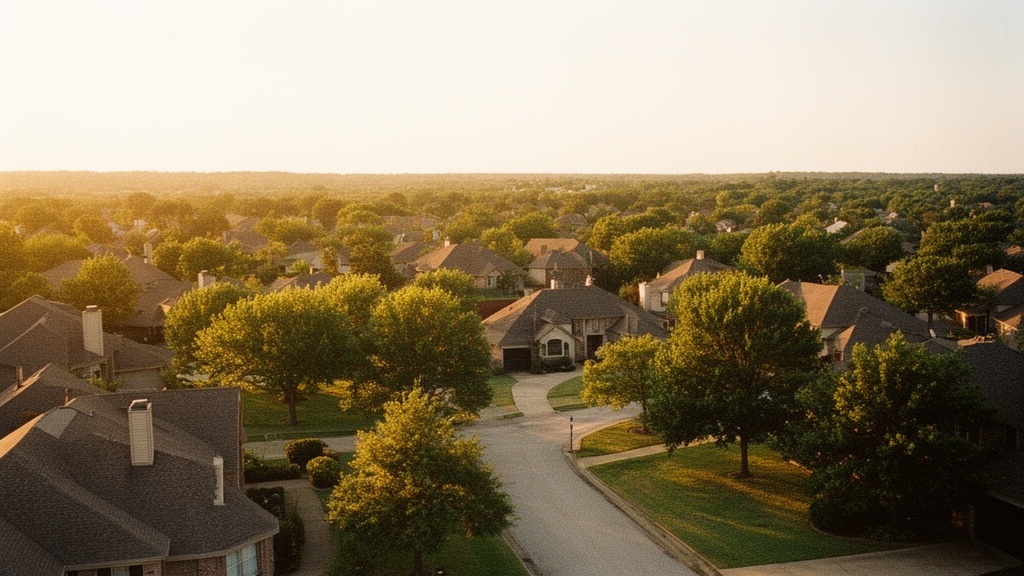
Oakwood's housing stock is genuinely unlike anything else in the Dayton metro. The city was developed primarily between 1910 and 1960, and that shows in the architecture. Tudor Revival, Colonial Revival, American Foursquare, and brick Craftsman bungalows sit on tree-lined streets with mature canopy cover. Lot sizes typically run from 0.15 to 0.40 acres, larger than most Dayton city neighborhoods but smaller than the half-acre lots common in suburban Miamisburg townships.
Architecture and Lot Sizes
The dominant building material is brick, which contributes to the durability and maintenance profile buyers should expect. Homes here tend to have full basements, detached or semi-detached garages, and original hardwood floors. Many properties retain their original millwork, leaded glass windows, and built-in cabinetry, features that add character but also require buyers to budget for ongoing upkeep. Square footage on most mid-range Oakwood homes runs between 1,600 and 3,200 square feet.
Property Types You Will Find
Single-family detached homes make up the overwhelming majority of Oakwood's housing supply. Condominiums and multi-family properties exist but are rare. There is essentially no new construction inside Oakwood's boundaries because the city is fully built out. Every transaction involves existing inventory, which keeps supply structurally constrained regardless of broader market conditions. If you are coming from Miamisburg and are accustomed to seeing new subdivision builds, Oakwood will feel different in that respect.
2. Oakwood Home Prices in September 2026
Oakwood carries some of the highest median home prices in Montgomery County. As of September 2026, the median sale price in Oakwood sits in the range of $390,000 to $430,000 depending on the street and property condition, with the price per square foot typically landing between $175 and $230. Entry-level homes, meaning smaller bungalows or properties needing updates, start around $280,000. Larger, fully renovated homes on premier streets regularly close above $600,000.
Current Median and Price Per Square Foot
- Median sale price: Approximately $400,000 to $430,000 as of September 2026, up from roughly $375,000 to $400,000 in September 2025.
- Price per square foot: Typically $175 to $230, with fully renovated homes on larger lots pushing above $240.
- Entry-level threshold: Around $280,000 for smaller or cosmetically dated properties.
- Upper tier: Renovated homes on Shafor Park Drive, Ridgeway Road, or Oakwood Avenue routinely close between $600,000 and $850,000.
- Year-over-year appreciation: Roughly 6 to 8 percent in 2026, consistent with the broader Ohio trend noted by housing economists tracking Midwest markets.
How Oakwood Compares Within Montgomery County
For context, the broader Dayton metro median sits considerably lower. You can read a full breakdown of metro-wide figures in the Dayton, Ohio Real Estate Market Guide published on this site. Oakwood consistently prices at a 40 to 60 percent premium over the Dayton metro median, a gap that has held relatively stable over the past several years. Miamisburg, by comparison, offers median prices in the $230,000 to $280,000 range, making it a frequent alternative for buyers who want proximity to Oakwood's amenities without the price tag.
National data supports what local sellers are experiencing. According to NAR's reporting on home price trends, prices have continued rising nationally despite affordability pressure, and Oakwood mirrors that dynamic. Demand for the city's limited, non-replicable housing stock has kept values firm even as some outer-ring suburbs have seen more price volatility.
3. Oakwood's Neighborhoods and Streets: What the Features Tell You
Oakwood does not have formally designated neighborhoods the way larger cities do, but distinct pockets exist based on street layout, home size, and proximity to parks and commercial corridors. Understanding these distinctions helps buyers know what they are comparing when they look at two homes listed at similar prices on different streets. For school district research, the Oakwood City School District serves the entire city; you can review state-level data through the Ohio Department of Education or read more context in this article on school districts in the Kettering and Oakwood areas.
The Far Hills Corridor
Far Hills Avenue is Oakwood's main commercial spine, running north to south through the center of the city. Homes within a block or two of Far Hills tend to be on the smaller side, with lots under 0.20 acres and square footage in the 1,400 to 2,000 range. These properties often carry the lowest price points in Oakwood, typically $280,000 to $370,000, and attract buyers who want walkable access to the restaurants, coffee shops, and retail concentrated along that corridor. Trader Joe's, local boutiques, and multiple dining options are all within easy walking distance of this section.
Shafor Park and Central Oakwood
Shafor Park is a 27-acre green space at the heart of the city, featuring tennis courts, a pond, picnic areas, and open lawn. Streets bordering and near the park, including Shafor Park Drive and portions of Ridgeway Road, contain some of Oakwood's largest and most architecturally detailed homes. These are predominantly Tudor Revival and Colonial Revival properties with 2,500 to 4,500 square feet, full basements, and original period details. Prices in this pocket frequently exceed $550,000 and can reach $900,000 for extensively renovated properties.
Central Oakwood streets like Harman Avenue, Runnymede Road, and Schantz Avenue offer a middle tier. Homes here typically run 1,800 to 2,800 square feet on lots of 0.18 to 0.30 acres, with prices in the $350,000 to $520,000 range. These blocks see the most transaction volume in Oakwood, which means buyers have slightly more options to compare and sellers have a clearer pool of recent comparable sales.
The Oakwood Avenue and Thruston Boulevard Area
The western and northern edges of Oakwood, particularly along Oakwood Avenue and Thruston Boulevard, border Kettering and include a mix of home sizes. Some of these properties sit on lots that back up to wooded areas or ravines, adding privacy and natural screening. Buyers comparing Oakwood to Kettering often look at homes in this zone because the price differential can narrow here while still keeping an Oakwood address and school district. Expect prices in the $310,000 to $480,000 range depending on size and condition.
4. Market Conditions Right Now: Inventory, Days on Market, and Competition
Oakwood's market in September 2026 remains supply-constrained, which is the single most important fact for both buyers and sellers to understand. At any given time, fewer than 20 active listings exist inside Oakwood's boundaries. That is a function of the city's small geographic footprint of about 3.7 square miles and its fully built-out nature. When a well-priced home comes on the market, it rarely sits.
Supply Levels and Absorption
Oakwood currently sits at roughly one to two months of supply, well below the four to six months that would indicate a balanced market. The Midwest broadly has seen absorption rates accelerate in 2026, and Oakwood's micro-market reflects that trend in a concentrated way. Homes priced accurately and in good condition are going under contract within seven to fourteen days. Overpriced listings do linger, sometimes for sixty days or more, which creates a visible gap between active and sold data.
What Sellers Are Seeing
Sellers in Oakwood are generally receiving strong offers, but the market is more price-sensitive than it was in 2021 and 2022. Multiple-offer situations still occur on move-in-ready homes priced at or slightly below market, but buyers are more willing to walk away from homes that need significant work unless the price reflects it. Sellers who invest in pre-listing updates, particularly kitchens, bathrooms, and mechanical systems, are seeing better net proceeds than those who sell strictly as-is.
What Buyers Are Facing
Buyers competing in Oakwood need to be pre-approved and ready to move quickly. Because inventory is so thin, it is common for a buyer to wait weeks between seeing homes that match their criteria. Having financing locked in, knowing your must-haves versus nice-to-haves, and understanding the inspection realities of 1920s to 1950s construction will put you in a much stronger position than arriving unprepared. Buyers relocating from outside the Dayton area sometimes underestimate how fast Oakwood moves compared to larger metros with deeper inventory.
5. Timing Your Move: When to Buy or Sell in Oakwood
Timing in Oakwood follows Ohio's seasonal rhythms but with some local nuances worth knowing. Because the inventory pool is so small, a single new listing can shift the perceived balance of the market. That makes timing less about picking the perfect month and more about being ready when the right property appears.
Seasonal Patterns in Oakwood
Spring, specifically March through May, brings the highest listing volume in Oakwood. Buyers get more options but also face more competition. Summer sees moderate activity. Fall, which is where the market sits right now in September 2026, tends to bring motivated sellers who need to close before the school year is too far along or before winter. Buyers who are flexible on timing sometimes find fall a useful window because competition softens slightly compared to peak spring. Winter listings are rare but often represent sellers with genuine urgency, which can create negotiating room.
Broader Ohio Market Context
Ohio's housing market has seen inventory rise modestly in 2026 compared to 2025, with price cuts becoming more common statewide on overpriced listings. However, Oakwood's structural supply constraints insulate it from some of that softening. The city simply does not have enough homes to create the kind of buyer's market you might see in outer-ring suburbs with active new construction. For a broader view of what housing economists are projecting for markets like this, the 2026 Real Estate Outlook from NAR offers useful macro context.
Practical Timing Advice
- For buyers: Get pre-approved before you start touring. In a market with under 20 active listings at any time, you cannot afford to lose a day gathering documents after you find the right home.
- For sellers: Spring listing dates maximize buyer traffic, but a well-prepared fall listing faces less competition from other Oakwood sellers. September and October can work well if the home is ready.
- Watch for price reductions: Homes that have been sitting for 30 or more days in Oakwood are almost always overpriced relative to condition. Those reductions can create genuine opportunity for prepared buyers.
- Inspection preparation: Homes built between 1920 and 1960 often have older electrical panels, galvanized plumbing, and original windows. Budget for inspection surprises and factor repair credits into your offer strategy.
6. Commute Times and Proximity to Miamisburg and Dayton
Oakwood's location inside the Dayton city boundary gives it excellent access to the broader metro without the long suburban commute. From central Oakwood, downtown Dayton is approximately 5 to 6 miles north via Far Hills Avenue or the I-75 interchange, a drive of roughly 12 to 18 minutes in normal traffic. The University of Dayton campus sits immediately adjacent to Oakwood's northern border, making the commute there essentially a short drive or walkable depending on your exact address.
Miamisburg is approximately 10 to 12 miles southwest of Oakwood, a drive of 18 to 25 minutes via I-75 South or Ohio Route 741. Buyers who work in Miamisburg's commercial corridors along Byers Road or near the Austin Landing mixed-use development often consider Oakwood for its housing character and then commute back south. The reverse is equally common: buyers priced out of Oakwood who settle in Miamisburg and commute northeast. Wright-Patterson Air Force Base, one of the region's largest employers, is approximately 18 to 22 miles east of Oakwood via I-675, typically a 25 to 35 minute drive depending on traffic.
7. Costs Beyond the Purchase Price
Buying in Oakwood involves costs that go beyond the sale price, and buyers should plan for them carefully. Montgomery County property taxes apply to Oakwood homes, and the Oakwood City School District levy is one of the higher millage rates in the county. On a $400,000 home in Oakwood, annual property taxes typically run between $7,500 and $10,000 depending on the assessed value and applicable levies. That is a meaningful budget line. For a detailed breakdown of how Montgomery County property taxes are calculated, see this article on property taxes in Montgomery County Ohio.
Closing costs for buyers in Ohio typically run 2 to 4 percent of the purchase price. On a $400,000 Oakwood home, that is $8,000 to $16,000 in lender fees, title insurance, appraisal, and prepaid items. You can find a full explanation of what to expect in the article on buyer closing costs in Dayton, Ohio. Additionally, older Oakwood homes often require buyers to budget $5,000 to $20,000 for deferred maintenance items uncovered during inspection, including electrical updates, HVAC replacement, or window work. These are not dealbreakers, but they are real numbers that affect your total cost of ownership.
HOA fees are not a factor in Oakwood. The city has no homeowners associations governing residential streets, which means no monthly HOA dues and no association restrictions on property use beyond city ordinances. That is a notable difference from many suburban Miamisburg developments where HOA fees of $50 to $200 per month are common.
FAQ
Is Oakwood, Ohio a good place to buy real estate right now in September 2026?
Oakwood's market in September 2026 is supply-constrained, with typically fewer than 20 active listings at any time and median prices in the $400,000 to $430,000 range. Homes priced accurately are going under contract within one to two weeks. Whether it is the right market for a specific buyer depends on their budget, their timeline, and how the older housing stock aligns with their maintenance expectations. Buyers should research the city's property tax millage rates, factor in inspection costs for pre-1960 construction, and confirm their financing before beginning their search.
How do Oakwood home prices compare to Miamisburg and the rest of the Dayton metro?
Oakwood consistently prices at a 40 to 60 percent premium over the broader Dayton metro median. As of September 2026, Oakwood's median sale price is approximately $400,000 to $430,000, while Miamisburg's median runs in the $230,000 to $280,000 range. The premium reflects Oakwood's brick architecture, mature landscaping, established street grid, proximity to the University of Dayton, and a fully built-out city with no new construction diluting existing home values. Buyers who want Oakwood's character but need a lower price point often look at Kettering or Miamisburg as alternatives.
What should I know about Oakwood's older housing stock before making an offer?
Most Oakwood homes were built between 1910 and 1960, which means buyers should expect to encounter original electrical panels that may need upgrading, galvanized or cast-iron plumbing, original single-pane windows, and older HVAC systems. These are not automatic dealbreakers, but they should be factored into your offer and your post-purchase budget. A thorough home inspection by an inspector experienced with older construction is essential. Budgeting $10,000 to $25,000 for deferred maintenance on a typical Oakwood home is a reasonable starting point, though the actual number varies widely by property condition and age of major systems.