← Back to Blog
Market Trends
Good Time to Buy a Home in Denver in 2026?
By Melissa Smith, Broker
Brokers Guild Real Estate
August 28, 2026 · 6 min read
If you have been asking yourself whether right now is a good time to buy a home in the Denver Metropolitan Area or should you wait, you are not alone. With mortgage rates, inventory levels, and home prices all shifting in 2026, the answer is genuinely nuanced and depends heavily on your personal situation. This post breaks down what the current Denver market actually looks like, what the data suggests about where things are headed, and how to think through this decision clearly.
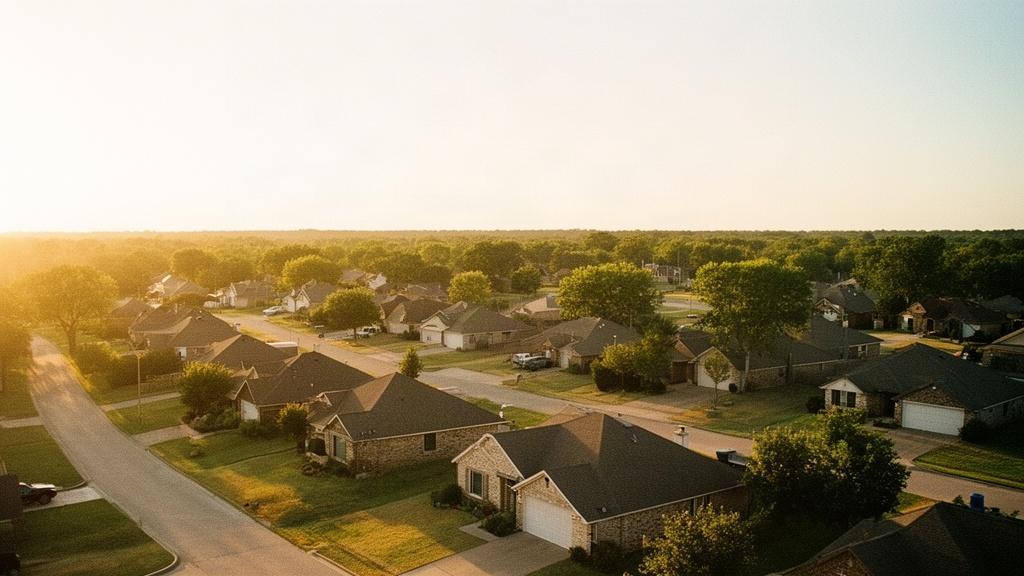
1. What the Denver Metro Housing Market Looks Like Right Now
The Denver Metropolitan Area housing market in August 2026 looks meaningfully different from the frenzy of 2021 and 2022. Norada Real Estate's 2026 Denver housing market analysis notes that the metro has moved into a more balanced state, with buyers having more options and fewer bidding wars than in prior years. That shift matters a great deal when you are weighing whether to act now or hold off.
Inventory Has Expanded
Active listings across the Denver metro are running higher than they were in 2023 and 2024. That means buyers shopping right now in communities like Aurora, Lakewood, Thornton, Westminster, and Englewood have more properties to compare before making an offer. Months of supply have increased, which gives you time to do a proper inspection, negotiate repairs, and think clearly rather than waiving everything just to compete.
In practical terms, a buyer touring a 1,400 square foot ranch in Arvada or a newer townhome near the light rail corridors in Wheat Ridge is far less likely to face ten competing offers today than they would have been two years ago. That breathing room is real and worth factoring into your timing decision.
Prices Have Stabilized, Not Crashed
Median home prices in the Denver metro have not collapsed, but they have softened from their 2022 peaks. Detached single-family homes across the metro currently sit in a broad range depending on location, with entry-level properties in some eastern suburbs starting in the low $400,000s and established neighborhoods closer to Denver proper often commanding $600,000 and above. Condos and attached homes remain a more accessible entry point in many areas, with options in the $300,000 range still available in select submarkets.
2. The Case for Buying Now in Denver
The question of whether right now is a good time to buy a home in the Denver Metropolitan Area or whether you should wait does not have a universal answer, but there are concrete reasons why acting in 2026 makes sense for many buyers.
More Negotiating Room Than in Recent Years
Sellers in the current market are more willing to negotiate on price, closing costs, and concessions than at any point in the last four years. A buyer who structures an offer thoughtfully today can often ask for seller-paid closing costs or a rate buydown contribution, which directly reduces the financial burden of getting into the home. Those concessions were nearly impossible to negotiate during the peak years.
Denver's proximity to major employment hubs along the I-25 and I-70 corridors, the tech and aerospace sectors in the southeast suburbs, and the continued draw of outdoor recreation along the Front Range all support long-term demand. Buying into a market with these fundamentals, when competition is lower, is a reasonable strategic position.
Locking In Before Demand Shifts
Mortgage rate forecasts for the remainder of 2026 suggest gradual movement rather than dramatic drops. If rates ease meaningfully, a significant wave of buyers who have been sitting on the sidelines will re-enter the market at the same time, which would push prices upward and compress negotiating windows. Buying now, while that wave has not materialized, positions you ahead of renewed competition rather than in the middle of it.
3. The Case for Waiting, and When It Makes Sense
Waiting is not always the wrong call. There are specific circumstances where holding off is the more financially sound choice, and being honest about those circumstances is important.
When Your Finances Need More Time
If your credit score is below 680, your down payment savings are thin, or your debt-to-income ratio is stretched, waiting six to twelve months to strengthen those numbers will likely save you more money in interest and loan terms than any short-term price movement would. Buying before you are financially ready in a market like Denver, where property taxes and HOA fees can add meaningfully to monthly costs depending on the community, creates real risk.
What Waiting Actually Costs You
The cost of waiting is not just about prices going up. Every month you rent rather than own, you are paying someone else's mortgage and not building equity. In the Denver metro, where average rents for a two-bedroom unit in areas like Cherry Creek, Highlands Ranch, or Centennial run well above $2,000 per month, the opportunity cost of waiting adds up quickly. If you are financially ready, the math of renting while waiting for a perfect rate rarely works in your favor.
4. How Denver's Neighborhoods and Price Ranges Factor In
The Denver metro is not a single uniform market. Conditions vary considerably depending on the city, price tier, and property type you are targeting, and that variation should shape your timing decision.
Entry-Level and Mid-Range Markets
Properties priced below $500,000 across the metro still see relatively stronger demand than the upper tiers. Communities like Commerce City, Brighton, and parts of Thornton offer detached homes in this range with reasonable commute times to downtown Denver via I-76 or the RTD commuter rail. If you are targeting this segment, inventory is better than it was two years ago, but competition can still emerge quickly on well-priced listings.
Higher-Price Corridors
In the $700,000 and above range, particularly in areas like Castle Rock, Parker, and parts of Littleton near Chatfield Reservoir, days on market have stretched and sellers are more open to price reductions. Buyers in this tier currently have the most leverage of any segment in the metro. Homes with mountain views along the foothills, larger lot sizes in Douglas County, or walkability to Old Town Littleton's shops and restaurants are sitting longer, which creates real negotiating opportunity.
For a broader look at how these dynamics are playing out across different price tiers, the CBS News Colorado market outlook for 2026 offers useful context on why experts expect the metro to hold relatively steady rather than swing dramatically in either direction.
5. How to Make the Decision That Is Right for You
Market conditions set the backdrop, but your personal financial picture and life circumstances are what actually determine whether right now is a good time to buy a home in the Denver Metropolitan Area or whether you should wait.
Run the Numbers Before You Decide
Start by getting pre-approved so you know your actual purchasing power, not an estimate. Then compare your current monthly rent to what an estimated mortgage payment, property taxes, and insurance would look like on a home in your target price range. Factor in how long you plan to stay, since buying makes stronger financial sense when you expect to remain in the home for at least three to five years given closing costs and transaction fees.
Questions to Ask Yourself
Consider whether your employment is stable, whether you have three to six months of reserves after your down payment, and whether your timeline is flexible enough to search properly without rushing. If the honest answers to those questions are yes, then the current Denver metro market, with its expanded inventory and more negotiable sellers, offers a genuinely reasonable environment to buy. If any of those answers give you pause, use the next several months to address the gaps rather than stretching into a purchase that creates financial stress.
FAQ
Will Denver home prices drop significantly in the next year, making it worth waiting?
Most market analysts and economists tracking the Denver Metropolitan Area do not forecast a significant price decline in the near term. The metro's population growth, employment base, and geographic constraints on developable land continue to support values. A modest softening in certain price tiers is possible, but waiting for a dramatic drop that may not materialize means continuing to pay rent while the market moves sideways or gradually upward. If you are financially ready, the cost of waiting tends to outweigh the benefit of a marginal price adjustment.
How do mortgage rates factor into my decision to buy in Denver right now?
Mortgage rates directly affect your monthly payment and total borrowing cost, so they matter a great deal. In August 2026, rates remain elevated compared to the historic lows of 2020 and 2021, but they are not at crisis levels. One important consideration is that if rates do fall meaningfully, you can refinance into a lower rate later, while the purchase price and equity you lock in today cannot be retroactively improved. Buying at today's rate with the option to refinance is a strategy many Denver buyers are using rather than waiting indefinitely for rate relief that may or may not arrive on your timeline.
Is the Denver metro market different enough from suburb to suburb that my timing should change based on where I want to buy?
Yes, and this is one of the most important nuances buyers often overlook. The Denver Metropolitan Area spans communities from Brighton and Commerce City in the north to Castle Rock and Parker in the south, and conditions vary noticeably by price tier, property type, and submarket. Some areas are seeing homes sit for 60 or more days while others still move quickly. Understanding the specific dynamics of the neighborhoods and price ranges you are targeting requires current, local data rather than metro-wide averages. Working with a local expert who tracks these differences in real time gives you a meaningful advantage in both timing and negotiation.