← Back to Blog
Neighborhoods
What is it like to live in the Southwest Yonkers neighborhood day to day
By Melissa Soto
Highline Residential
September 13, 2026 · 10 min read
If you are wondering what is it like to live in the Southwest Yonkers neighborhood day to day, the honest answer is that it feels more like a dense urban village than a typical suburb. Streets lined with two-family homes and brick apartment buildings sit within walking distance of the Hudson River waterfront, Metro-North stations, and a growing number of local businesses. This guide covers everything a buyer or renter needs to know before committing to this corner of Yonkers, New York.
1. The Physical Landscape of Southwest Yonkers
Southwest Yonkers sits at the southwestern edge of the city, bounded roughly by the Saw Mill River Parkway to the east, the Hudson River to the west, the Bronx border to the south, and the neighborhoods of Getty Square and Nodine Hill to the north. It is one of the most densely built sections of Yonkers, and that density shapes nearly every aspect of daily life here.
Street Grid and Architecture
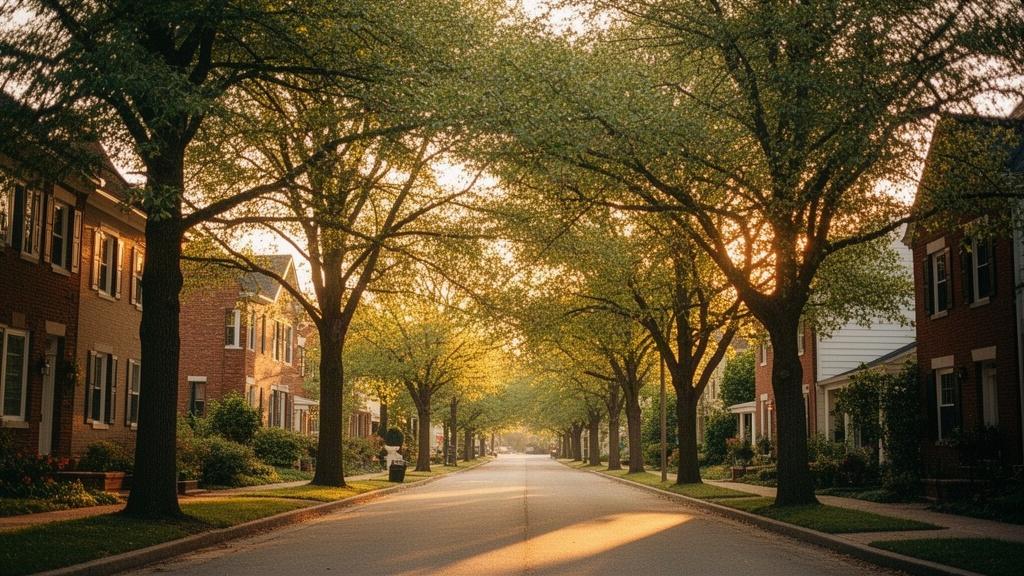
The streets in Southwest Yonkers follow a tight, walkable grid inherited from the neighborhood's late 19th and early 20th century development. You will find a mix of two-family attached homes, three-story brick apartment buildings, and the occasional detached single-family house on a narrow lot. Many buildings date from the 1920s through the 1950s, so brick facades, covered front stoops, and small rear yards are common architectural features. Renovated units often preserve original hardwood floors and plaster ceilings while adding updated kitchens and bathrooms.
The topography is notably hilly in the eastern sections of the neighborhood, with some streets dropping sharply toward the Hudson. Blocks closer to the river tend to be flatter and more commercial at street level, with residential floors above storefronts. This layered, urban texture is a defining characteristic of day-to-day life in Southwest Yonkers.
Waterfront Access and Green Space
The Hudson River waterfront is one of Southwest Yonkers' most tangible daily assets. Yonkers' ongoing waterfront revitalization has added paved walking paths, benches, and open lawn areas along the river's edge. On a clear morning, the Palisades across the river in New Jersey are visible from several points along the waterfront path. The Yonkers Pier area, a short walk or drive from most Southwest Yonkers addresses, offers open water views and a spot to decompress after a long commute.
Tibbetts Brook Park lies a few miles to the east and is accessible by car in under ten minutes. Closer to the neighborhood itself, Larkin Plaza and small pocket parks provide green space within walking distance for residents who do not own a car. The Saw Mill River daylighting project, which restored a portion of the river that had been buried under pavement in downtown Yonkers, is also within reach and has added a genuinely unusual urban nature feature to the broader area.
2. Housing Stock and What Homes Actually Cost
Southwest Yonkers offers some of the most accessible entry price points in all of Westchester County, which makes it a serious consideration for buyers who want proximity to New York City without paying Manhattan-adjacent prices. As of September 2026, the housing market here reflects broader Yonkers trends: limited inventory, steady demand, and prices that have held firm through the current rate environment.
What You Can Buy Here
Condominiums and co-ops in Southwest Yonkers currently list in a range from roughly $150,000 for a modest one-bedroom co-op unit to $350,000 or more for a renovated two-bedroom condo with river views. Two-family attached homes, which are among the most common property types in the neighborhood, typically list between $450,000 and $650,000 depending on condition, lot size, and proximity to transit. These properties attract buyers who want to offset their mortgage with rental income from the second unit, a common strategy in this part of Yonkers.
Single-family detached homes do exist in Southwest Yonkers but are less common than in the city's northern neighborhoods like Crestwood or Homefield. When they do come to market, they tend to move quickly. Buyers interested in single-family homes in this area should be prepared to act within days of a new listing appearing. For a broader look at what the Yonkers market currently holds, the Homes for Sale in Yonkers buyer's guide on this site covers inventory trends across all parts of the city.
Property taxes are a real consideration in any Yonkers purchase. Southwest Yonkers properties carry Yonkers city taxes in addition to Westchester County and school district levies, which together can add meaningfully to a monthly payment. You can find a detailed breakdown of how Yonkers tax rates compare to other Westchester municipalities in the article on property taxes in Yonkers NY compared to other Westchester County cities published on this site.
Renting in Southwest Yonkers
Rental prices in Southwest Yonkers are notably lower than comparable units in the Bronx neighborhoods just across the city line, which draws tenants who work in New York City and want more space for their dollar. As of September 2026, a one-bedroom apartment in a two-family home typically rents for $1,600 to $2,000 per month. Two-bedroom units in the same building type run $2,000 to $2,600. Larger apartments in older brick buildings with shared laundry and no doorman land at the lower end of those ranges, while renovated units with in-unit washer/dryer hookups command a premium.
3. Getting Around: Commutes, Transit, and Walkability
Transit access is one of the strongest arguments for living in Southwest Yonkers, and it is one of the first things residents mention when describing daily life here. The neighborhood sits close to two Metro-North Hudson Line stations, giving residents multiple options depending on which part of the neighborhood they live in.
Metro-North and Bus Routes
Yonkers Station on the Metro-North Hudson Line sits at the northern edge of the Southwest Yonkers neighborhood and is the most-used transit hub for residents here. Express trains from Yonkers Station reach Grand Central Terminal in Manhattan in approximately 28 to 35 minutes during peak hours. Local trains add roughly 10 to 15 minutes. For residents commuting to Midtown Manhattan five days a week, this is a genuinely competitive travel time compared to many parts of the outer boroughs.
Greystone Station, located slightly south along the Hudson Line, serves the southern portion of the neighborhood and offers another walkable option for residents closer to the Bronx border. Bee-Line Bus routes operated by Westchester County also run through Southwest Yonkers, connecting residents to the Bronx, White Plains, and other Yonkers neighborhoods without requiring a car. The Yonkers BRT (Bus Rapid Transit) corridor along South Broadway provides additional frequency on one of the neighborhood's main commercial corridors.
For a deeper look at the overall Yonkers market and how transit access shapes home values across different neighborhoods, the guide to buying a home in Yonkers on this site covers those dynamics in detail.
Driving and Parking
Residents who drive to work in New York City or Westchester have quick access to the New York State Thruway (I-87) and the Saw Mill River Parkway, both of which are reachable in under five minutes from most Southwest Yonkers addresses. The Cross Bronx Expressway is accessible within ten to fifteen minutes, depending on traffic. Peak-hour congestion on the Thruway southbound toward the George Washington Bridge is a real factor, and residents who drive to the city typically budget 45 to 75 minutes during morning rush.
Street parking in Southwest Yonkers follows a permit system in most blocks, and finding a spot within a block or two of your home is generally manageable outside of peak evening hours. Many two-family homes include a driveway or detached garage, which is a meaningful practical advantage in a neighborhood this dense. When evaluating specific properties, confirming whether a parking space is included or available is worth doing early in the process.
4. Daily Errands, Shopping, and Eating
Day-to-day errands in Southwest Yonkers are largely walkable, which is one of the features that distinguishes it from Yonkers' more suburban northern neighborhoods. South Broadway is the main commercial spine running through the area, and it carries a dense mix of grocery stores, pharmacies, dollar stores, hair salons, and small restaurants.
Grocery and Retail Options
Several supermarkets serve Southwest Yonkers within a short walk or drive. Associated Supermarket locations on South Broadway and nearby streets carry a broad selection of Latin American and Caribbean products alongside standard grocery staples, reflecting the neighborhood's population. C-Town and Compare Foods operate nearby as well. For larger shopping trips or big-box retail, the Cross County Shopping Center in central Yonkers is about a ten-minute drive north and includes Target, Home Depot, and a full range of national retailers.
Pharmacies including CVS and Walgreens are present along South Broadway, and urgent care clinics are accessible within the neighborhood. St. John's Riverside Hospital, one of Yonkers' main medical centers, is located in the northern part of the city and reachable in about fifteen minutes by car. For specialized medical care, the proximity to the Bronx means Montefiore Medical Center and other major hospital systems are within a reasonable drive.
Restaurants and Local Spots
The restaurant scene in Southwest Yonkers skews toward casual, affordable, and locally owned. Dominican, Mexican, and Puerto Rican restaurants are well represented along South Broadway and its side streets, with lunch plates typically running $10 to $15. Bakeries selling pan dulce, fresh juice spots, and small bodegas fill in the gaps between larger storefronts. The neighborhood does not have a large concentration of sit-down dinner restaurants, so residents who want that experience typically head to Yonkers' waterfront district or into Manhattan.
The Yonkers waterfront area, anchored by the Yonkers Brewing Company and several other restaurants along the Hudson River, is about a five-minute drive or a 20-minute walk from the heart of Southwest Yonkers. This gives residents a nearby option for a more varied dining experience without leaving the city. You can find more context about Southwest Yonkers' population and commercial character through the Southwest Yonkers neighborhood profile on City-Data, which aggregates census and demographic data for the area.
5. Parks, Recreation, and Community Life
Understanding what is it like to live in the Southwest Yonkers neighborhood day to day means looking honestly at both its assets and its trade-offs when it comes to open space and community infrastructure. The neighborhood is more urban than parklike, but it has meaningful green space within reach.
Outdoor Spaces
Larkin Plaza, located at the base of South Broadway near the waterfront, serves as a central public gathering space with seasonal programming and a farmers market during warmer months. The Yonkers waterfront esplanade connects to the plaza and extends along the Hudson, providing a flat, paved route for walking and cycling. Residents who want more expansive outdoor recreation typically use Tibbetts Brook Park, which has a pool, athletic fields, and picnic areas, or drive north to Saxon Woods Park in White Plains, about 20 minutes away.
Trevor Park, a small neighborhood park on the western edge of Southwest Yonkers near the river, offers a playground and open lawn area. It is one of the more active local parks on weekends, with pickup soccer games and youth sports common on the open fields. For residents who prioritize outdoor space as part of daily life, the waterfront path and Larkin Plaza are the practical everyday options, with larger parks requiring a short drive.
Community Character and Schools
Southwest Yonkers has a strong sense of neighborhood identity rooted in its long history as a port of entry for immigrants to Westchester County. The community is active, with block associations, local churches, and community organizations playing a visible role in neighborhood events. The Yonkers Public Library's main branch in Getty Square, just north of Southwest Yonkers, is accessible on foot and offers programming for all ages.
Public schools in Southwest Yonkers are part of the Yonkers City School District, which is the fourth-largest school district in New York State. If researching schools is a priority for your household, the New York State Education Department publishes school-level performance data and enrollment information at nysed.gov, which is the most reliable source for making your own informed comparison. Private and parochial school options also exist within Yonkers and in adjacent Bronx neighborhoods.
If you are weighing Southwest Yonkers against other parts of the city, working with someone who knows each neighborhood's specific inventory and price patterns makes a real difference. The article on finding a good real estate agent in Yonkers, New York on this site walks through what to look for when choosing representation in this market.
FAQ
Is Southwest Yonkers a good area to buy a home right now?
As of September 2026, Southwest Yonkers offers some of the lowest entry price points in Westchester County alongside strong Metro-North access to Manhattan, which makes it a practical option for buyers who need to balance commute time with purchase price. Two-family homes in the $450,000 to $650,000 range are the most common purchase type and allow buyers to generate rental income from the second unit. Inventory is limited, so buyers should be prepared to move quickly when a property that fits their criteria appears. Whether Southwest Yonkers is the right fit depends on your specific priorities around housing type, transit, and daily lifestyle, which is a personal decision worth researching directly.
How long does it take to commute from Southwest Yonkers to Midtown Manhattan?
Metro-North Hudson Line express trains from Yonkers Station reach Grand Central Terminal in approximately 28 to 35 minutes during peak commuting hours. Local trains take roughly 40 to 50 minutes. Drivers heading to Manhattan during morning rush hour should budget 45 to 75 minutes depending on conditions on the New York State Thruway and the approach to the George Washington Bridge or Harlem River crossings. For residents commuting by train, the walk from most Southwest Yonkers addresses to Yonkers Station takes about five to fifteen minutes depending on where you live.
What types of homes are most common in Southwest Yonkers?
Two-family attached homes built in the early to mid-20th century are the most prevalent housing type in Southwest Yonkers. These brick or wood-frame structures typically have two floors of living space with a shared driveway or small rear yard. Co-ops and condominiums in older apartment buildings make up a significant share of the ownership market as well, particularly for buyers entering at lower price points. Detached single-family homes exist but are less common than in northern Yonkers neighborhoods, and they tend to receive multiple offers when they do come to market. Rental apartments above ground-floor commercial storefronts are also common along South Broadway and other main corridors.