← Back to Blog
Market Trends
Investment Property Guide for Palmdale, CA: What Every Investor Needs to Know
By Mely Diaz
September 2, 2026 · 11 min read
Palmdale, CA has drawn serious attention from real estate investors looking for value in the greater Los Angeles region, and for good reason. This investment property guide for Palmdale, CA covers the local housing market, rental dynamics, property types, financing considerations, and the due diligence steps that separate profitable acquisitions from costly mistakes. Whether you are buying your first rental or expanding a portfolio, the details below will help you make a grounded decision.
1. Why Palmdale Attracts Real Estate Investors
Palmdale draws investors because it offers substantially lower entry prices than coastal Los Angeles while still sitting within the broader LA metro economy. The city is roughly 60 miles north of downtown Los Angeles via the Antelope Valley Freeway (SR-14), a commute that many working households make daily, which keeps rental demand from the employed workforce consistently present.
Location and Infrastructure Drivers
Palmdale sits at the intersection of SR-14 and SR-138, giving residents access to employment centers in the Santa Clarita Valley, the San Fernando Valley, and downtown Los Angeles. The Metrolink Antelope Valley Line runs through Palmdale Station on East Palmdale Boulevard, connecting riders to Union Station in downtown LA in roughly 90 minutes, which matters to renters who prefer not to drive the freeway daily.
The Antelope Valley is also home to significant aerospace and defense employment. Plant 42 in Palmdale, operated by Northrop Grumman and Lockheed Martin among others, employs thousands of skilled workers. Edwards Air Force Base is about 30 miles northeast. These employers generate a stable base of rental households that are not dependent on any single private industry cycle.
The planned Brightline West high-speed rail project, which would connect Las Vegas to a Rancho Cucamonga terminus, has generated broader regional conversation about infrastructure investment in the Inland and Antelope Valley corridor. Separately, the California High-Speed Rail project has a planned Palmdale station, which, if built, would link the city directly to both Los Angeles and the Central Valley. These remain long-horizon projects, but they are part of why investors have been watching Palmdale closely for years. An earlier look at this growth story was documented by Inman, which noted Palmdale's expansion trajectory and the infrastructure investments underpinning it.
Population and Housing Demand
Palmdale's population has grown steadily over the past two decades, crossing 170,000 residents and making it one of the larger cities in Los Angeles County by population. That scale means a real rental market exists, not just a handful of landlords. The city has a mix of owned and rented housing, and many households who cannot yet afford to purchase in coastal LA counties look to the Antelope Valley as a place to rent while building savings.
2. Palmdale Housing Market Conditions in 2026
As of September 2026, Palmdale's housing market reflects the broader California pattern of limited inventory paired with sustained demand, but at price points that remain more accessible than most of Los Angeles County. Investors entering this market right now are working in an environment where well-priced properties move relatively quickly, and overpriced listings sit. Understanding current conditions is the foundation of any useful investment property guide for Palmdale, CA.
Median Prices and Inventory
Median home prices in Palmdale currently sit in the $460,000 to $510,000 range for single-family homes, depending on the submarket and condition of the property. Entry-level three-bedroom homes in areas like Rancho Vista or West Palmdale can still be found below the median, while newer construction in master-planned communities such as Anaverde pushes toward the upper end and beyond. Condos and townhomes offer lower entry points, often in the $280,000 to $360,000 range, though HOA fees affect net operating income calculations.
Active inventory has remained tight through most of 2026, with many desirable properties receiving multiple offers within the first week. For investors, this means the days of easily negotiating a price well below asking are less common right now. Accurate underwriting before making an offer is essential, because overpaying at acquisition compresses every return metric downstream.
Rental Market Snapshot
Rental rates in Palmdale as of September 2026 generally range from $1,900 to $2,400 per month for a three-bedroom single-family home, with four-bedroom properties in updated condition reaching $2,600 or more. Two-bedroom apartments and condos typically rent between $1,500 and $1,900. These figures vary meaningfully by street, condition, and whether the unit has been updated. A dated kitchen or a worn exterior can cost a landlord $150 to $200 per month in achievable rent, which compounds significantly over a 12-month lease.
Vacancy rates in Palmdale have historically run lower than the national average, partly because the city's distance from the coast limits the supply of competing rental options for households tied to local employment. For a deeper look at how analysts have modeled the rental market here, the HouseCashin real estate investing guide for Palmdale provides a useful framework for thinking through market-level metrics alongside property-level numbers.
3. Investment Property Types in Palmdale
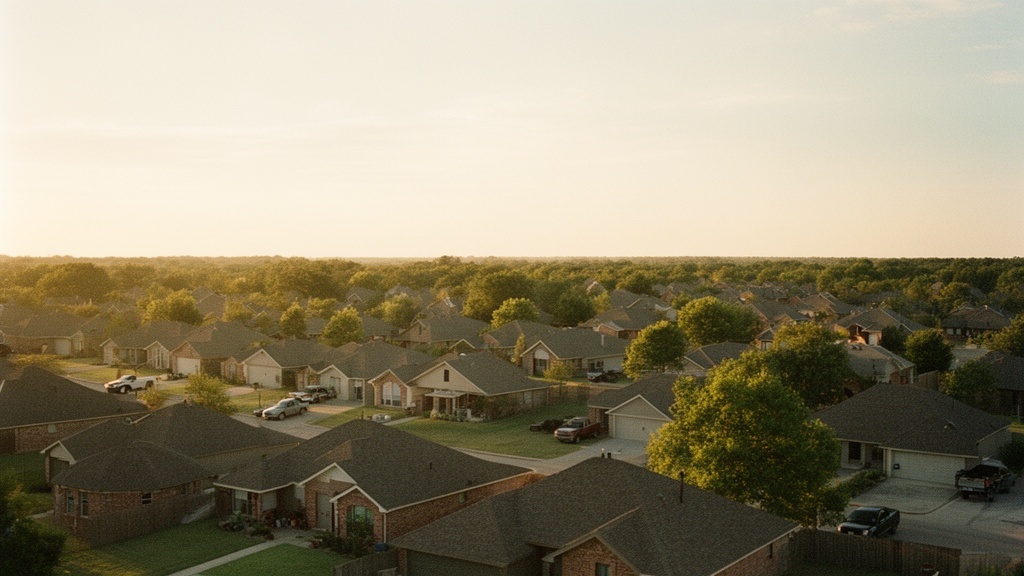
Palmdale's housing stock is dominated by single-family detached homes built primarily between the 1970s and the 2000s, with a meaningful wave of newer construction in master-planned communities built through the 2010s and into the 2020s. Each property type carries a different risk and return profile, and the right choice depends on your capital, your management capacity, and your investment timeline.
Single-Family Rentals
Single-family rentals are the most common investment vehicle in Palmdale and the easiest to finance with conventional loans. A three-bedroom, two-bathroom home in the 1,200 to 1,600 square foot range is the workhorse of the local rental market. These properties attract long-term tenants, tend to have lower turnover than apartments, and are relatively straightforward to manage, especially for investors who are new to landlording.
Lots in Palmdale tend to be generous by Southern California standards, with many 1970s and 1980s tract homes sitting on 6,000 to 8,000 square foot lots. Some parcels have room for an accessory dwelling unit, which can meaningfully improve cash flow if local zoning and the existing structure permit it. Verifying ADU feasibility during due diligence is worth the time.
Multi-Family and Small Apartment Buildings
True multi-family inventory in Palmdale is limited compared to cities like Lancaster or Victorville, but duplex and triplex properties do appear on the market periodically. A duplex allows an owner-occupant to live in one unit while renting the other, a strategy that can significantly reduce effective housing costs while building equity. Financing a two-to-four unit property with an FHA or conventional loan requires only one unit to be owner-occupied, which opens doors for investors who want to start small.
Small apartment buildings with five or more units shift into commercial lending territory, which typically means larger down payments and different underwriting standards. These properties are rare in Palmdale's transaction history but not absent. When they do appear, they require thorough inspection of plumbing, electrical, and roofing systems, since deferred maintenance across multiple units can quickly erode projected returns.
Fix-and-Flip Opportunities
Palmdale has a stock of older homes, particularly in central and west Palmdale, that present fix-and-flip potential when acquired at the right price. Homes built in the 1970s and early 1980s often need updated kitchens, bathrooms, HVAC systems, and sometimes roofs. The spread between a distressed acquisition price and a renovated resale price can be meaningful, but it requires accurate contractor bids and a realistic timeline. Carrying costs on a hard-money loan at current rates can eat deeply into margins if a project runs long.
For buyers considering a primary residence purchase alongside investment considerations, the complete buyer's guide for homes for sale in Palmdale covers the purchase process in detail and is worth reading alongside this investment guide.
4. Key Numbers Every Palmdale Investor Should Understand
Return metrics are the language of investment real estate, and understanding them in the context of Palmdale's specific price and rent ranges is what separates informed offers from guesswork. None of these numbers are complicated, but they all require local inputs to be meaningful.
Gross Rent Multiplier and Cap Rate
The gross rent multiplier (GRM) is calculated by dividing the purchase price by the annual gross rent. A Palmdale single-family home purchased at $490,000 and renting for $2,200 per month generates $26,400 in annual gross rent, producing a GRM of roughly 18.6. Lower GRMs are generally more favorable for investors. In coastal LA markets, GRMs of 25 to 35 are common, which is part of why Palmdale draws investor attention.
The capitalization rate (cap rate) divides net operating income by purchase price and gives a cleaner picture of income after operating expenses but before debt service. In Palmdale, single-family rental cap rates in September 2026 typically land between 4.5% and 6.5%, depending on the property's condition, location within the city, and achievable rent. Properties that need work may show a higher cap rate on paper but carry execution risk if the renovation budget is not locked down.
Cash-on-Cash Return and Expense Ratios
Cash-on-cash return measures annual pre-tax cash flow against the total cash invested, including down payment and closing costs. At current interest rates and Palmdale price levels, investors putting 20% to 25% down on a conventionally financed rental property should model cash-on-cash returns carefully before assuming the deal pencils. Rising rates over the past few years have compressed cash flow for leveraged buyers, making the purchase price negotiation more consequential than it was in lower-rate environments.
Expense ratios for Palmdale rentals typically run between 35% and 50% of gross rent when accounting for property taxes (LA County's base rate is 1% plus direct assessments, which can add 0.2% to 0.4% or more depending on the Mello-Roos or CFD district), insurance, maintenance, property management (usually 8% to 10% of collected rent), and vacancy reserves. Newer communities like Anaverde may carry higher tax assessments due to CFD overlays, which is a line item worth verifying on the property tax bill before closing.
5. Due Diligence Checklist for Palmdale Investment Properties
Thorough due diligence is where investment property purchases succeed or fail, and Palmdale has several local factors that make certain checks especially important. The desert climate, the age of much of the housing stock, and the specific regulatory environment in Los Angeles County all create considerations that a generic checklist will not catch.
Property Condition and Local Codes
Palmdale's high desert climate means temperature swings of 40 degrees or more between summer highs and winter nights, which accelerates wear on HVAC systems, roofing materials, and exterior paint. A thorough inspection by a licensed inspector with experience in Antelope Valley properties is worth every dollar. Pay particular attention to the age and condition of the central air and heating system, since replacing a full HVAC unit in a Palmdale rental can run $6,000 to $12,000 depending on the size of the home.
Los Angeles County building and safety codes apply throughout unincorporated areas, while the City of Palmdale has its own code enforcement division for properties within city limits. Unpermitted additions, garage conversions, and pool structures are common in older Palmdale homes and can create issues at resale or during a tenant dispute. Pulling permits from the city's building department before closing is standard practice for experienced investors.
Tenant Laws and Landlord Obligations
California has some of the most tenant-protective landlord-tenant laws in the country, and investors new to the state need to understand them before acquiring a rental. AB 1482, California's statewide rent control law, caps annual rent increases at 5% plus local CPI (with a maximum of 10%) for most properties that are more than 15 years old and not single-family homes owned by individual landlords. Single-family homes owned by individual landlords are generally exempt, but the exemption requires a specific written notice in the lease.
California's just cause eviction requirements under AB 1482 also apply to covered properties after a tenant has lived there for 12 months. Understanding which properties are covered and which are exempt is critical before you structure a lease or price a rental. Consulting a California-licensed real estate attorney or a property management company familiar with Palmdale before signing your first lease is a sound investment of time and money.
Neighborhood-Level Research
Palmdale covers approximately 106 square miles, and conditions vary considerably from one part of the city to another. Rental demand, achievable rents, and property values in the Rancho Vista corridor differ from those in West Palmdale, which differ again from the newer master-planned areas in the northeast. Spending time in a submarket before committing capital, including driving streets, visiting comparable rentals, and reviewing recent sales data, is due diligence that no online tool fully replaces.
For schools, the relevant authority is the Palmdale School District and the Antelope Valley Union High School District, both of which publish enrollment and performance data on their own websites and through the California Department of Education. Investors should review this information directly from those sources rather than relying on third-party ranking sites, since rankings can be outdated and do not capture the full picture. Municipal data from the City of Palmdale and LA County is the appropriate source for any other local metrics that matter to your tenants.
If you are also considering selling a property as part of a portfolio repositioning, the article on what to expect when selling a home in Palmdale covers pricing, timelines, and agent selection in detail.
Investors relocating from out of state who are unfamiliar with the Antelope Valley market will benefit from working with an agent who knows the specific streets, price patterns, and landlord considerations in Palmdale. The article on finding a trustworthy real estate agent in Palmdale for out-of-state buyers addresses how to vet agents and what questions to ask before committing to representation.
FAQ
Is Palmdale, CA a good market for rental property investment in 2026?
Palmdale offers entry prices that are significantly lower than coastal Los Angeles while still drawing rental demand from households employed in aerospace, defense, healthcare, and retail sectors throughout the Antelope Valley. As of September 2026, median single-family home prices are in the $460,000 to $510,000 range, and three-bedroom rentals are achieving $1,900 to $2,400 per month in many submarkets. That combination produces gross rent multipliers and cap rates that are more favorable than most of coastal LA County. The key variables are the specific property, its condition, the submarket within Palmdale, and the financing terms you can secure, so each deal needs to be underwritten on its own numbers rather than on market-level averages alone.
What are the biggest risks of buying an investment property in Palmdale?
The most common risks are overpaying at acquisition in a competitive market, underestimating renovation costs on older homes, and misunderstanding California's landlord-tenant laws, particularly AB 1482's rent cap and just cause eviction provisions. Palmdale's high desert climate also accelerates wear on HVAC systems and roofing, so deferred maintenance can surface quickly after purchase. Additionally, some newer Palmdale communities carry Mello-Roos or Community Facilities District (CFD) tax assessments that can add meaningfully to annual property tax obligations, which affects net operating income. Reviewing the full tax bill and pulling permits for any additions before closing are essential steps.
Do I need a local real estate agent to buy an investment property in Palmdale?
Working with an agent who knows Palmdale's specific submarkets is a practical advantage, not just a formality. Palmdale spans over 100 square miles, and achievable rents, property values, and rental demand vary considerably between areas like Rancho Vista, West Palmdale, and the Anaverde master plan. A local agent can identify which streets have strong rental histories, flag properties with unpermitted work, and provide recent comparable sales data that online tools often lag behind. For out-of-state investors especially, local representation reduces the risk of acquiring a property based on assumptions that do not match on-the-ground conditions.