← Back to Blog
Buying
Buying a Home in Palmyra, Virginia: What the Process, Costs and Timeline Actually Look Like
By Michael Darby
September 12, 2026 · 11 min read
Buying a home in Palmyra, Virginia involves more moving parts than most first-time buyers expect, and understanding the process, costs, and timeline before you start can save you thousands of dollars and weeks of stress. This guide walks through every stage, from getting your finances in order to handing keys at closing, with numbers and details specific to Fluvanna County.
1. What the Palmyra Housing Market Looks Like Right Now
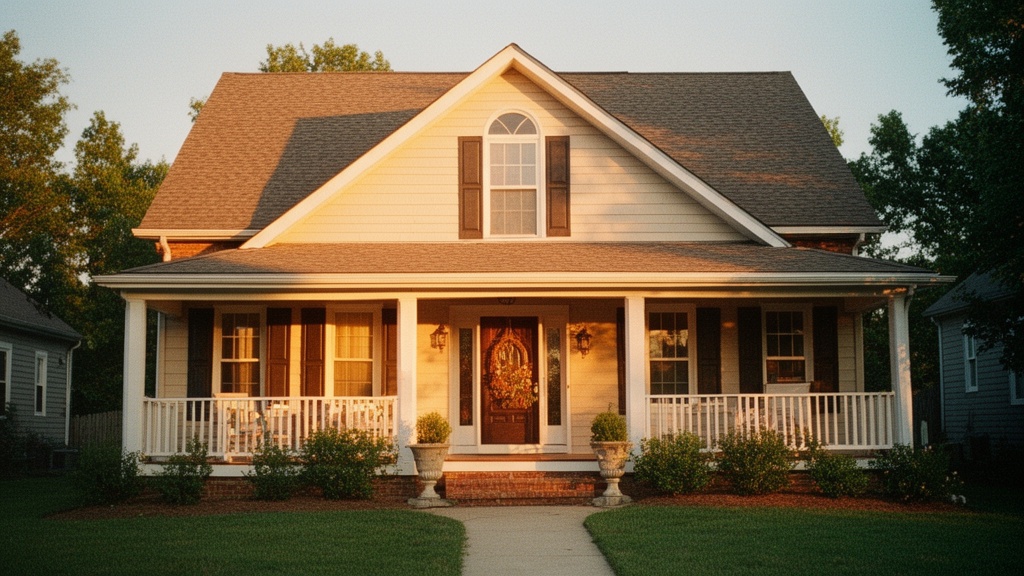
Palmyra sits at the center of Fluvanna County, roughly 25 miles east of Charlottesville along Route 53 and US-15. The housing stock here is predominantly single-family homes on half-acre to several-acre lots, with a mix of older ranch-style and colonial homes built in the 1980s and 1990s alongside newer construction in planned subdivisions. Townhomes and condos are rare; if you are coming from an urban market expecting a condo option under $300,000, Palmyra will require an adjustment in expectations.
What You Can Buy and at What Price
Median home prices in Palmyra and the surrounding Fluvanna County area currently sit in the low-to-mid $400,000 range as of September 2026. Entry-level homes, typically three-bedroom ranches or older colonials needing some updating, start in the high $200,000s to low $300,000s. Larger homes on wooded or waterfront lots along Lake Monticello, which is the largest planned community in Fluvanna County, routinely list between $400,000 and $650,000. For a detailed breakdown of current pricing by property type, see the current home price breakdown for Palmyra.
How Inventory and Competition Shape Your Experience
Inventory in Fluvanna County remains tight. Well-priced homes in move-in condition, particularly those inside the Lake Monticello gate or within easy reach of the Route 15 corridor, tend to receive multiple offers within the first week of listing. Homes that need cosmetic work or sit on less-traveled roads tend to stay on the market longer, sometimes 30 to 60 days, which gives buyers more room to negotiate. Understanding this split is one of the most practical things you can do before you start writing offers.
2. The Step-by-Step Home Buying Process in Palmyra
The home buying process in Palmyra follows the same broad arc as anywhere in Virginia, but local conditions, Fluvanna County's rural character, and the specific quirks of its water and septic infrastructure add steps that buyers from suburban markets sometimes miss. Here is how the process unfolds from beginning to end.
Step 1: Get Pre-Approved Before You Look
Pre-approval is not a formality in this market; it is a requirement. Sellers in Fluvanna County, especially those listing competitively priced homes, will not seriously consider an offer that arrives without a pre-approval letter from a recognized lender. A pre-approval involves a lender pulling your credit, verifying income and assets, and issuing a letter stating the loan amount you qualify for. This is different from a pre-qualification, which is an informal estimate based on self-reported numbers. Get the full pre-approval.
If you are a first-time buyer or have questions about down payment assistance, Virginia Housing (formerly VHDA) offers programs worth reviewing. Their homebuying process overview walks through eligibility requirements and loan options available to Virginia residents, including income-based down payment grants that can apply to Fluvanna County purchases.
Step 2: Define What You Need in Fluvanna County
Before you tour a single home, get clear on a few things that matter more in Palmyra than they would in a suburban subdivision. Most homes in rural Fluvanna County rely on private wells and septic systems rather than public water and sewer. Lake Monticello is a notable exception, with its own community water system, but even there, many homes use septic. Knowing whether you are comfortable with well and septic, and understanding the inspection requirements for both, shapes which homes belong on your list.
Commute tolerance is the other major filter. If you work in Charlottesville, the drive from central Palmyra runs roughly 25 to 35 minutes under normal conditions, but that number changes meaningfully depending on exactly where in Fluvanna County the home sits and what time you leave. The commute guide from Palmyra to Charlottesville covers this in detail and is worth reading before you decide how far out you are willing to go.
Step 3: Make an Offer and Negotiate
Once you find a home, your agent will prepare a written offer using the Virginia Association of Realtors residential contract. The offer specifies the purchase price, the amount of your earnest money deposit (typically 1% to 2% of the purchase price in this market), the proposed closing date, and any contingencies you want to include. Common contingencies include financing, home inspection, and appraisal. In a competitive multiple-offer situation, buyers sometimes waive or limit these, which increases risk and requires careful thought.
Earnest money in Fluvanna County deals typically runs $4,000 to $8,000 on a home in the $400,000 range. That deposit is held in escrow and applies toward your closing costs or down payment at settlement. If the deal falls apart due to a contingency you properly exercised, you get it back. If you walk away without a valid contingency reason, you generally forfeit it.
Step 4: Inspections, Contingencies and Due Diligence
The inspection period is where rural Virginia purchases diverge most from urban ones. A standard general home inspection costs roughly $400 to $600 in this area depending on home size. If the home has a private well, you should also order a water quality test (typically $100 to $200) and a well flow test to confirm adequate yield. A septic inspection, which involves pumping and inspecting the tank and drain field, runs $300 to $500 and is strongly advisable on any home with a system older than 15 years.
If the home is in a flood zone, which applies to some properties near the Hardware River or other low-lying areas in Fluvanna County, you will need to factor in flood insurance costs as well. Your lender will require an elevation certificate if the property is in a Special Flood Hazard Area, and that document is ordered separately. Budget an additional $150 to $300 for that if it applies.
Step 5: Clear to Close and Settlement Day
Once inspections are resolved and your lender issues a clear to close, the title company schedules your settlement. In Virginia, closings are typically handled by an attorney or a title company, not a real estate agent. You will receive a Closing Disclosure at least three business days before settlement that itemizes every dollar changing hands. Review it carefully against the Loan Estimate you received at the start of the process and flag any discrepancies with your lender immediately.
3. The Real Costs of Buying a Home in Palmyra, Virginia
The purchase price is only part of what buying a home in Palmyra, Virginia costs. Buyers who focus only on the list price and monthly payment are often caught off guard by the upfront cash required to get to closing and the ongoing costs that begin the day they own the home.
Upfront Costs You Pay Before Closing
Several costs come out of pocket before you ever reach the closing table. These are not reimbursed if the deal falls through for reasons outside a contingency. On a typical Palmyra purchase in the $400,000 range, expect to spend:
- Earnest money deposit: $4,000 to $8,000, applied toward closing costs at settlement.
- Home inspection: $400 to $600 for a general inspection on a typical single-family home.
- Well water test: $100 to $200 for a basic quality and flow test, required by most lenders on properties with private wells.
- Septic inspection: $300 to $500 including pumping and inspection of the drain field.
- Appraisal: $500 to $700, ordered by your lender and paid by you as part of the loan process.
Closing Costs: What to Budget
Closing costs in Virginia typically run 2% to 5% of the purchase price. On a $400,000 home, that means $8,000 to $20,000 in closing costs on top of your down payment. The largest single line item is usually the lender's origination fee, followed by title insurance, the recording fee paid to Fluvanna County, and prepaid items like homeowners insurance and the first months of property taxes held in escrow.
Virginia's grantor tax (paid by the seller) and the recordation tax (split between buyer and seller in many transactions) are worth understanding. The state recordation tax is $0.25 per $100 of the purchase price, and Fluvanna County adds its own local recordation tax on top of that. For a detailed look at what Bankrate reports as typical Virginia closing cost components, this breakdown of the cost to buy a house in Virginia is a useful reference point.
Down payment requirements depend on your loan type. Conventional loans typically require 5% to 20% down. FHA loans require 3.5% with qualifying credit. VA loans, available to eligible veterans and service members, require no down payment. USDA loans are also worth checking for rural Fluvanna County properties, as parts of the county qualify for USDA Rural Development financing, which also offers a zero-down option.
Ongoing Costs After You Own the Home
Property taxes in Fluvanna County are set at a rate that, on a $400,000 assessed home, produces an annual tax bill in the range of $2,000 to $2,400 depending on the current rate and your home's assessed value. For the exact current rate and a worked example at different price points, see the Fluvanna County property tax breakdown.
Homeowners insurance on a single-family home in rural Virginia typically runs $1,200 to $2,000 per year, though homes on larger wooded lots or near water may be priced higher. If you are buying inside Lake Monticello, you will also pay a Property Owners Association fee, which covers amenity access including the lake, beaches, tennis courts, and security. That fee runs approximately $1,800 to $2,200 per year as of September 2026, though you should verify the current amount directly with the LMOA before closing.
4. How Long the Buying Process Takes in Palmyra
From the day you start seriously looking to the day you receive keys, buying a home in Palmyra, Virginia typically takes 60 to 120 days total. That range is wide because the search phase varies enormously depending on how specific your criteria are and how quickly homes that match come to market.
Search Phase
Buyers with flexible criteria, say a three-bedroom home anywhere in Fluvanna County under $400,000, often find something worth offering on within two to four weeks of active searching. Buyers with narrow requirements, such as a specific lot size, a particular subdivision, waterfront access, or a detached garage, may search for two to four months before the right property appears. Fluvanna County's inventory is smaller than a suburban market, so patience is part of the process.
Contract to Close
Once you have a ratified contract, the clock runs on a defined schedule. The inspection period in most Fluvanna County contracts runs 10 to 15 days. Your lender then needs time to process the appraisal and underwrite the loan, which typically takes 21 to 30 days in normal market conditions. A 30-day close is possible with a conventional loan and a motivated lender, but 45 days is more realistic and gives everyone breathing room if the appraisal or underwriting hits a snag.
Total Timeline Estimate
- Pre-approval: 3 to 7 business days if you have documents ready (tax returns, pay stubs, bank statements).
- Active home search: 2 to 10 weeks depending on criteria and available inventory.
- Offer to ratified contract: 1 to 5 days in most cases, though multiple-offer situations can extend negotiations.
- Inspection and due diligence period: 10 to 15 days.
- Loan processing and appraisal: 21 to 30 days.
- Clear to close through settlement: 3 to 7 business days after the lender issues the final approval.
- Total from search start to keys: 60 to 120 days for most buyers.
5. Virginia-Specific Programs and Resources That Can Help
Virginia has several state-level programs that reduce the upfront cost of buying a home, and some of them apply directly to buyers in Palmyra and Fluvanna County. Knowing these options before you talk to a lender puts you in a stronger position.
Virginia Housing Loan Programs
Virginia Housing, the state's housing finance authority, offers below-market interest rate mortgages and down payment assistance grants to qualifying buyers. The Down Payment Assistance Grant does not need to be repaid, which makes it particularly useful for buyers who are strong on income but short on cash reserves. Income and purchase price limits apply, and they are updated periodically, so confirm current eligibility directly with a Virginia Housing-approved lender.
USDA Rural Development loans are worth a separate conversation with your lender if you are buying outside of Lake Monticello or the denser Route 15 corridor. Portions of Fluvanna County qualify as rural areas under USDA definitions, meaning eligible buyers can finance 100% of the purchase price with no down payment and a competitive fixed interest rate. The property and the buyer both have to meet eligibility criteria, so this is a conversation to have early in the process.
Local Considerations for Fluvanna County Buyers
Fluvanna County does not currently offer its own local buyer assistance programs, but the county's relatively lower property tax rate compared to Charlottesville city and Albemarle County is itself a financial advantage. Buyers relocating from higher-tax jurisdictions often find that the annual savings on property taxes in Fluvanna meaningfully offset the longer commute costs.
If you are relocating to the area and want to understand what daily life in Palmyra looks like beyond the transaction itself, the daily life guide for Palmyra covers grocery options, restaurants, and things to do in and around Fluvanna County.
New construction is also an option worth considering. Several active subdivisions in Palmyra offer new builds in the $380,000 to $550,000 range, with the advantage of builder warranties and modern energy efficiency. For an overview of what is currently being built, see the guide to new subdivisions and housing developments in Palmyra.
FAQ
How much money do I need saved before buying a home in Palmyra, Virginia?
At minimum, plan for your down payment plus 2% to 5% of the purchase price in closing costs, plus $1,000 to $2,000 in inspection-related costs. On a $400,000 home with a 5% conventional down payment, that means having roughly $28,000 to $42,000 in liquid savings before you start. If you qualify for a USDA or VA loan with no down payment, you can reduce that significantly, but you still need cash for inspections, the appraisal, and any prepaid items at closing. Virginia Housing's down payment assistance grant can also reduce the upfront cash requirement for qualifying buyers.
Is it hard to buy a home in Palmyra, Virginia right now?
The market in Fluvanna County is competitive for move-in-ready homes but more accessible than many surrounding areas. Homes priced correctly and in good condition, particularly inside Lake Monticello, tend to attract multiple offers quickly. Homes needing cosmetic updates or located on less-traveled roads often sit longer, giving buyers more negotiating room. Being pre-approved, flexible on closing timeline, and working with an agent who knows the local inventory makes a meaningful difference in how smoothly the process goes.
What inspections do I need when buying a home in Palmyra that has a well and septic?
You should order a general home inspection, a well water quality test, a well flow test, and a full septic inspection including pumping. The general inspection covers the structure, roof, HVAC, electrical, and plumbing. The well tests confirm both the safety of the water and whether the well produces enough gallons per minute for household use. The septic inspection checks the tank condition and drain field function. Together, these four inspections typically cost $900 to $1,500 and are among the most important money you spend in the buying process on a rural Fluvanna County property.