← Back to Blog
Market Trends
Palmyra, Virginia Real Estate Market Guide: Prices, Neighborhoods and Timing
By Michael Darby
September 9, 2026 · 10 min read
This Palmyra, Virginia real estate market guide covers what buyers, sellers, and relocating households need to know right now: what homes cost, what the different pockets of Fluvanna County actually look like on the ground, and how to time a move in a market that has shifted meaningfully over the past year. Whether you are coming from Charlottesville, Northern Virginia, or out of state, the details here will help you make a confident decision.
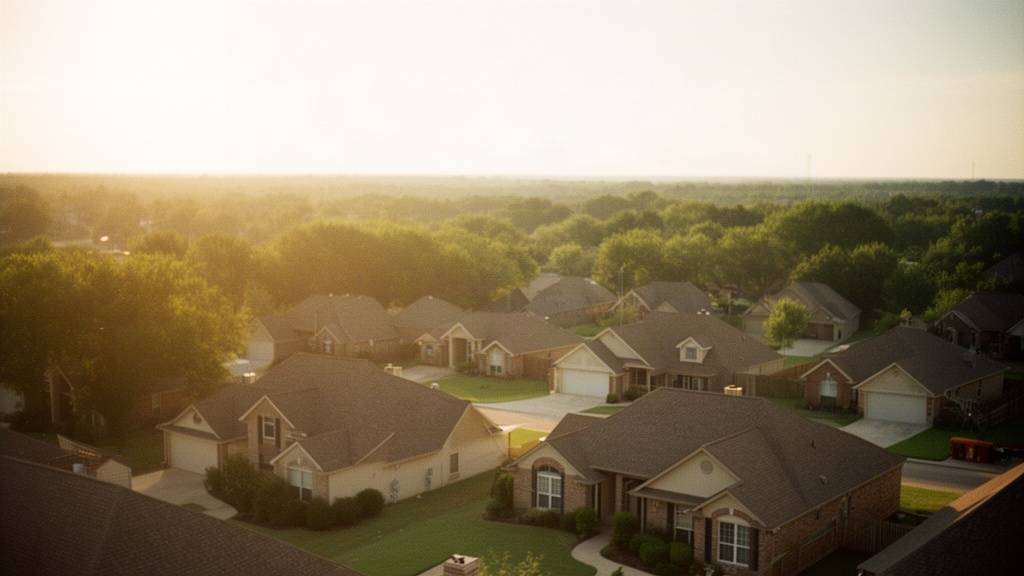
1. Understanding the Palmyra, Virginia Real Estate Market in 2026
Palmyra sits at the center of Fluvanna County, roughly 25 miles east of Charlottesville along Route 53 and US-250. That location has made it one of the more active smaller markets in Central Virginia, drawing buyers who want more land and lower taxes than Albemarle County offers while keeping a reasonable drive to Charlottesville's employers, hospitals, and the University of Virginia.
How Palmyra Fits Into the Broader Market
Nationally, 2025 was described as a year of normalization after the frenzy of 2021 and 2022. HousingWire noted that inventory began recovering in many markets, price growth slowed, and buyers gained back some negotiating room. Palmyra followed a similar arc but with a local twist: Fluvanna County's supply remains structurally thin because the county has limited water and sewer infrastructure outside of Lake Monticello and the Zion Crossroads area, which constrains how quickly new homes can be built.
As of September 2026, the Palmyra market is more balanced than it was two years ago but has not tipped into a full buyer's market. Homes priced correctly are still selling within 30 to 45 days. Overpriced listings are sitting longer, sometimes 90 days or more, which is a meaningful shift from the sub-two-week pace buyers faced in 2022.
What Is Driving Demand Right Now
Remote and hybrid work arrangements continue to push buyers out of Charlottesville proper and into Fluvanna County, where a dollar buys considerably more square footage and land. The Zion Crossroads interchange at I-64 and Route 15 has also matured into a genuine commercial node, with grocery, dining, and medical options that were not there a decade ago. That infrastructure growth has made the area more attractive to buyers who previously worried about rural isolation.
Buyers relocating from Northern Virginia and the DC metro corridor represent another consistent segment. They often arrive with equity from higher-priced markets and find Palmyra's price points allow them to buy outright or carry a smaller mortgage than they would in Loudoun or Fairfax County.
2. Home Prices in Palmyra and Fluvanna County
The median home price in the Palmyra area as of September 2026 sits in the low-to-mid $400,000s for a single-family home, though the range is wide depending on location, lot size, and condition. For a deeper breakdown of current figures, see the detailed price data in the Palmyra Virginia Home Prices September 2026 post on this site.
Median Price and Price Per Square Foot
Price per square foot in Fluvanna County generally runs between $175 and $230 for finished interior space on a typical resale home, depending on updates and proximity to Lake Monticello or the Zion Crossroads corridor. New construction commands a premium, often landing at $240 to $280 per square foot before lot premiums, because builders are passing through higher material and labor costs that have not fully retreated from their 2022 peaks.
Price Ranges by Property Type
Entry-level homes in Palmyra, typically older ranches or split-levels on smaller lots, start around $280,000 to $320,000. Mid-range homes, which make up the bulk of the market, run from roughly $350,000 to $500,000 and include newer colonials, craftsman-style builds, and updated 1980s and 1990s construction. Above $550,000, buyers find custom homes on larger acreage parcels, waterfront lots on Lake Anna's northern tributaries, or fully renovated properties with premium finishes.
How Prices Have Moved Year Over Year
Compared to September 2025, median prices in Fluvanna County are up modestly, approximately 3 to 5 percent, which is a significant slowdown from the 10 to 15 percent annual gains seen in 2021 and 2022. That deceleration reflects both higher mortgage rates and a gradual improvement in available inventory. Buyers who waited on the sidelines hoping for a sharp price correction have largely not seen one in this market, partly because local supply remains constrained.
Forbes Advisor's housing market analysis for 2026 noted that smaller, land-rich markets in the Mid-Atlantic and Southeast tend to hold value better than urban cores during rate-driven slowdowns, which aligns with what Palmyra has experienced. The county's limited developable land acts as a natural floor under prices.
3. Neighborhood and Area Breakdown
Palmyra and the surrounding Fluvanna County area contain several distinct pockets, each with its own housing stock, lot sizes, and access to amenities. Understanding the physical differences between them helps buyers narrow a search quickly and helps sellers position their home accurately.
Lake Monticello
Lake Monticello is a private, gated community centered on a 350-acre lake in the western portion of Fluvanna County, about 6 miles from the Palmyra courthouse area. The community includes roughly 4,000 homes ranging from modest 1970s and 1980s ranches and split-levels to updated two-story colonials built in the 1990s and 2000s. Lots are generally a quarter-acre to just over half an acre, giving the community a suburban density unusual for rural Fluvanna.
Amenities within the gates include the lake itself with swimming beaches and boat access, a golf course, tennis courts, and a community center. HOA fees apply and run roughly $1,200 to $1,800 per year depending on lot type. Home prices inside Lake Monticello range from around $290,000 for an older ranch needing updates to $550,000 or more for a renovated waterfront property. The community sits approximately 25 minutes from downtown Charlottesville via Route 53.
Zion Crossroads Corridor
Zion Crossroads, located at the intersection of I-64 and Route 15 in the eastern part of the county, has seen the most active new construction in Fluvanna County over the past decade. Subdivisions here include a mix of attached townhomes starting around $320,000 and detached single-family homes ranging from $380,000 to $550,000. The area has public water and sewer connections, which is a key distinction from most of rural Fluvanna where well and septic systems are standard.
The commercial development along Route 15 near I-64 includes a grocery store, pharmacy, urgent care, restaurants, and other retail, making day-to-day errands possible without leaving the county. Commuters heading to Richmond can reach the city in roughly 45 to 55 minutes via I-64 East, while Charlottesville is about 20 to 25 minutes west. That position between two metro areas is a consistent draw for buyers who work in one city and have family or other ties to the other.
Rural Roads and Acreage Properties
Outside the two primary nodes, Fluvanna County is largely agricultural and forested, with properties on routes like Route 6, Route 616, and Route 620 offering 2 to 50-plus acre parcels. These homes range from older farmhouses and brick ranches built in the 1950s through 1970s to custom builds on private lots completed more recently. Prices vary enormously based on acreage, road frontage, and whether the land is cleared or wooded, but buyers can find 4 to 10-acre parcels with livable homes in the $350,000 to $480,000 range.
Well and septic due diligence is essential on rural properties. Buyers should budget for a well flow test, water quality testing, and a full septic inspection before going under contract. Repair or replacement costs for these systems can run from $5,000 for minor septic work to $25,000 or more for a full drain field replacement, so understanding condition upfront protects the buyer significantly.
4. Timing the Market: When to Buy or Sell in Palmyra
In Fluvanna County, the spring selling season runs from roughly March through June and produces the highest volume of listings and the most buyer competition. Fall, particularly September through November, is a secondary active period. Winter months see the fewest listings but also the least competition, which can create opportunity for buyers willing to move when others are not looking.
Seasonal Patterns in Fluvanna County
Sellers who list in March or April typically see more showings and stronger offers than those who list in July or August, when summer heat and vacation schedules slow foot traffic. September, right now, is an interesting window: the summer slowdown has passed, buyers who paused over the summer are re-engaging, and there is often less competition from other sellers than there was in the spring peak. Homes listed in September and October in this market frequently sell before the holidays.
For buyers, late fall and winter listings sometimes present negotiating opportunities that spring listings do not. A seller who listed in October and is still on market in December is likely more motivated than one who listed in April with multiple offers on day one. That context matters when deciding how to structure an offer.
What Inventory Levels Mean for Your Strategy
As of September 2026, Fluvanna County is carrying roughly 2.5 to 3.5 months of supply across most price points, which puts it in a roughly balanced market range. Below $350,000, supply is tighter and well-priced homes still move quickly. Above $550,000, buyers have more options and more time to be selective. Sellers in the upper price bands need to be especially precise on pricing because overpriced luxury and semi-luxury homes in smaller markets can sit for six months or more without an offer.
Mortgage rates remain a significant factor in buyer purchasing power right now. A one-percentage-point change in rate on a $400,000 loan changes the monthly payment by roughly $240 to $260, which is meaningful for buyers stretching to reach their target price point. Buyers who are rate-sensitive should talk to a lender early and understand their payment at different rate scenarios before committing to a price range.
5. What Buyers and Sellers Need to Know Before Acting
Whether you are buying or selling in Palmyra, the decisions you make in the first two weeks of the process set the trajectory for everything that follows. Preparation and local knowledge close the gap between a smooth transaction and a stressful one.
Key Steps for Buyers in This Market
Get pre-approved before touring homes, not just pre-qualified. In a market where well-priced homes still move in two to four weeks, a pre-approval letter from an underwriting-reviewed lender carries significantly more weight with sellers than a soft pre-qualification. Local lenders who know Fluvanna County's property types, including rural properties with well and septic, can also move faster when a contract comes together.
Understand the full cost picture before making an offer. Fluvanna County's property tax rate is lower than Albemarle County's, which affects the ongoing cost of ownership. HOA fees, where they apply (primarily in Lake Monticello and some Zion Crossroads subdivisions), add a recurring cost that needs to fit the budget. Buyers should also factor in the cost of maintaining a private well and septic system on rural properties, typically budgeting $500 to $1,000 per year for routine maintenance.
Know what you are buying in terms of internet connectivity. Broadband access in rural Fluvanna County has improved with fiber expansion projects, but coverage is not uniform. Buyers who work remotely should confirm available internet service at a specific address before going under contract, not after. Some rural routes still rely on fixed wireless or satellite options that may not support high-demand video conferencing workloads.
What Sellers Should Prepare For
Pricing accuracy matters more in this market than it did in 2021 and 2022. Buyers have more choices and more time to compare, so a home priced 5 to 8 percent above comparable sales will sit while correctly priced homes move. The first two weeks on market generate the most showings and the most serious buyers. A price reduction after three or four weeks of no offers is less effective than pricing correctly from day one.
Condition and presentation drive offers in this price range. Buyers in the $350,000 to $500,000 range in Fluvanna County are often comparing your home against new construction at Zion Crossroads, so deferred maintenance and dated finishes create an expectation of a discount. Sellers who invest in fresh paint, updated light fixtures, and professional photography consistently see faster sales and stronger offers than those who list as-is at the same price point.
Disclosure requirements in Virginia are specific, and Fluvanna County properties often have additional considerations. Sellers of rural properties must disclose known issues with well and septic systems. Properties in the Lake Monticello HOA have specific resale disclosure requirements. Working with an agent who knows these local requirements prevents delays at closing.
FAQ
What is the average home price in Palmyra, Virginia right now?
As of September 2026, the median single-family home price in the Palmyra and Fluvanna County area is in the low-to-mid $400,000s, though the range runs from around $280,000 for entry-level ranches to $600,000 or more for custom homes on larger acreage. Price per square foot on resale homes generally falls between $175 and $230 depending on condition and location. New construction commands a premium, typically $240 to $280 per square foot before lot costs. For a detailed current breakdown, the Palmyra Virginia Home Prices September 2026 article on this site covers the numbers by price band and property type.
Is it a good time to buy a home in Palmyra, Virginia in 2026?
The market in September 2026 is more balanced than it was in 2021 and 2022, which means buyers have more negotiating room than they did during the peak frenzy, particularly on homes priced above $500,000 or properties that have been sitting on market for more than 30 days. Below $350,000, inventory remains tight and well-priced homes still move quickly, so buyers in that range should be prepared to act with a strong pre-approval. The right time to buy is largely determined by your financial readiness, your timeline, and whether a specific property meets your needs, not by trying to call a market peak or trough. Working with a local agent who tracks active inventory and recent sales in Fluvanna County gives you the clearest picture of conditions at the specific price point and area you are targeting.
What are the main differences between buying in Lake Monticello versus Zion Crossroads?
Lake Monticello is a private gated community with a 350-acre lake, a golf course, and established neighborhoods built primarily from the 1970s through the 2000s, with homes on quarter-acre to half-acre lots and HOA fees of roughly $1,200 to $1,800 per year. Zion Crossroads is an unincorporated commercial and residential corridor at I-64 and Route 15 with more recent construction, public water and sewer, and closer access to retail and interstate travel. Lake Monticello homes tend to offer more established landscaping and community amenities, while Zion Crossroads properties are often newer builds with modern floor plans and easier commute access to both Charlottesville and Richmond. The right choice depends on what features matter most to you: community amenities and lake access versus newer construction and interstate proximity. Both areas have active resale markets and a range of price points to consider.