← Back to Blog
Neighborhoods
Relocating to Palmyra, Virginia Is Best: Neighborhoods, Costs and Timelines
By Michael Darby
September 12, 2026 · 14 min read
Relocating to Palmyra, Virginia puts you in a small-town setting in Fluvanna County, roughly 30 miles east of Charlottesville, with lakefront properties on Lake Monticello, wooded acreage lots, and a housing market that still offers meaningful value compared to the Charlottesville metro. This guide covers the neighborhoods you will encounter, what homes cost right now in September 2026, what the full relocation timeline looks like from first search to closing day, and the practical details that matter most when you are moving from out of the area.
1. What Palmyra, Virginia Actually Looks Like on the Ground
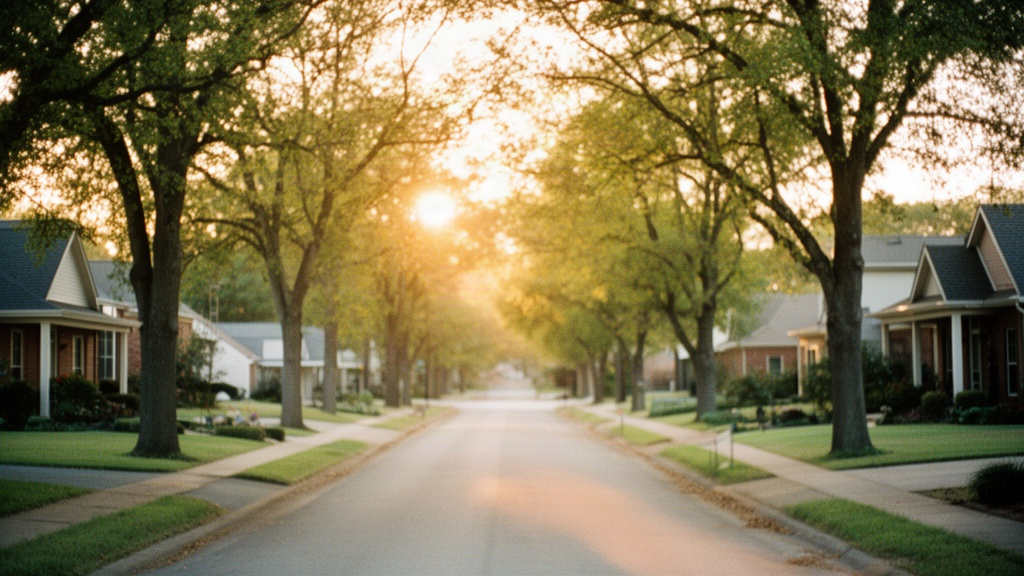
Palmyra is the county seat of Fluvanna County, Virginia. It sits along Route 15 in the Piedmont region, bordered by the Rivanna River to the north and rolling forested terrain in every direction. The town itself is compact: a courthouse, a handful of local businesses, and a post office. The residential life spreads out across subdivisions and rural tracts that surround the small commercial core.
The Physical Layout of Palmyra and Fluvanna County
Fluvanna County covers about 288 square miles, and Palmyra anchors the center of it. The county has no incorporated cities; Palmyra functions as the administrative hub without a traditional downtown grid. Route 15 runs north to south through the county and connects Palmyra to Zion Crossroads to the south and to Columbia and points north. Interstate 64 is accessible at Zion Crossroads, roughly 10 miles south of Palmyra, which is the main highway artery residents use for longer trips toward Richmond or Charlottesville.
The terrain is hilly and heavily wooded, with the Rivanna River forming a natural boundary along the northern edge. Lake Monticello, a private reservoir of roughly 350 acres, sits inside a gated community that accounts for a significant portion of Palmyra's residential population. Outside that community, properties tend to sit on larger lots, often one to five acres, with mature hardwood tree lines and long private driveways.
What the Housing Stock Looks Like
Palmyra's housing stock is diverse in scale but consistent in character. You will find ranch-style homes from the 1970s and 1980s, two-story colonials from the 1990s, craftsman-style builds from the 2000s, and a growing number of newer construction homes in planned subdivisions. Lakefront properties inside Lake Monticello range from modest cottages with water views to fully renovated four-bedroom homes with private docks. Rural parcels outside the gate often feature older farmhouses or custom builds on multi-acre lots.
New construction activity has been notable in 2026. Several subdivisions are actively adding inventory, which gives relocators options that do not require competing on the resale market. You can read a detailed breakdown of what is currently being built in the area in this guide to new subdivisions and housing developments in Palmyra in 2026.
2. Neighborhoods and Communities Worth Knowing Before You Relocate
Palmyra does not have named neighborhoods in the traditional urban sense. Instead, the residential landscape is organized around a few major communities, a handful of smaller subdivisions, and open rural corridors. Understanding the difference between them matters when you are relocating, because each area has a distinct price range, lot size, and set of amenities.
Lake Monticello
Lake Monticello is the largest planned community in Fluvanna County. It is a gated, amenity-rich development built around a 350-acre private lake. Residents have access to the lake for boating and fishing, a beach area, a swimming pool, tennis courts, and a clubhouse. The community has its own internal road network and a staffed gate at the main entrance off Lake Monticello Road.
Homes inside Lake Monticello range widely in price depending on whether the lot has direct water frontage, a view of the lake, or neither. Waterfront homes typically list in the $450,000 to $750,000 range as of September 2026, while interior lots with community amenity access but no water view can be found from the low $300,000s. Lots inside the community are generally smaller than rural Fluvanna parcels, often a quarter to half an acre, with homes situated close together compared to the county's open rural areas. The homeowners association fee covers road maintenance, amenity access, and gate operations.
Rivanna Subdivision and Smaller Pockets
Outside the Lake Monticello gate, Palmyra has several smaller subdivisions scattered along the Route 15 corridor and the secondary roads that branch off it. Communities like Fork Union Estates and various platted subdivisions near the courthouse area offer homes on lots ranging from a half acre to two acres. These properties typically do not carry HOA fees or carry minimal ones, and they appeal to buyers who want more land and fewer shared amenity restrictions.
Prices in these smaller subdivisions as of September 2026 generally run from the high $200,000s for older ranch homes needing updates to the low $400,000s for renovated or newer two-story homes. The inventory in these pockets turns over less frequently than Lake Monticello, so buyers relocating to Palmyra should be prepared to move quickly when a listing appears.
Rural Acreage and Route 15 Corridor
A significant share of Fluvanna County's housing stock sits on rural parcels of two acres or more, many of them along Route 15 or the county roads that run east and west toward the Rivanna River or the Albemarle County line. These properties range from older farmhouses priced in the $250,000 to $350,000 range to custom-built homes on five to twenty acres that can reach $600,000 or more depending on improvements, outbuildings, and road frontage.
Rural properties in Fluvanna typically rely on well water and septic systems rather than public utilities. Buyers relocating from suburban or urban areas should factor in the cost of well and septic inspections during due diligence, and should ask about the age and condition of both systems before making an offer. These are not obstacles; they are simply different systems that require different maintenance habits than a municipal water connection.
3. What Relocating to Palmyra, Virginia Costs in September 2026
The median home price in Palmyra and Fluvanna County as of September 2026 sits in the mid-$300,000s, with meaningful variation based on property type and location. Relocators coming from Northern Virginia, the Washington DC suburbs, or larger metro areas will find that their purchasing power stretches considerably further here. A detailed breakdown of current prices by property type is available in the September 2026 Palmyra home prices market breakdown.
Purchase Prices by Property Type
Here is how prices generally break down across Palmyra's main property categories as of September 2026. Entry-level homes, typically older ranch or split-level styles in smaller subdivisions or on modest rural lots, start around $260,000 to $310,000. Mid-range homes, which include updated colonials, newer construction in planned subdivisions, and non-waterfront Lake Monticello properties, cluster between $320,000 and $450,000. Waterfront homes inside Lake Monticello and custom rural estates on larger acreage occupy the upper tier, ranging from $450,000 to over $700,000 depending on finishes, lot size, and dock access.
New construction homes from active builders in Palmyra's growing subdivisions are currently priced from roughly $350,000 to $500,000 for standard floor plans, with upgrades pushing totals higher. The advantage of new construction for a relocator is predictability: you know the condition of everything, and you avoid competing in a bidding situation on a resale home.
Property Taxes and Carrying Costs
Fluvanna County's real estate tax rate is currently $0.869 per $100 of assessed value as of 2026. On a $400,000 home, that works out to roughly $3,476 per year in property taxes, or about $290 per month added to your housing cost. Assessments in Fluvanna County are generally conducted on a regular cycle, and assessed values tend to track market values fairly closely. For a full walkthrough of how the tax calculation works on a specific purchase price, the Fluvanna County property tax guide has the detailed math.
Homeowners inside Lake Monticello also pay HOA fees, which as of 2026 run approximately $1,200 to $1,500 per year depending on lot category and amenity tier. Rural properties outside any HOA carry no such fee, but owners budget separately for well pump maintenance, septic pumping every three to five years, and longer driveway upkeep. These costs are real but manageable when you plan for them from the start.
Closing Costs and Moving Budget
Buyers in Virginia typically pay closing costs of 2 to 4 percent of the purchase price. On a $380,000 home, that means budgeting $7,600 to $15,200 for lender fees, title insurance, recording fees, and prepaid items like homeowners insurance and property tax escrow. Some of these costs can be negotiated with the seller as a concession, particularly in a market where days on market are longer, which is worth discussing with your agent before you make an offer.
Relocating from out of state or from a distant metro adds moving costs on top of closing costs. A professional long-distance move to Palmyra from a mid-Atlantic city like Washington DC or Baltimore typically runs $4,000 to $9,000 depending on the volume of belongings and the distance. Budgeting a combined relocation reserve of $20,000 to $25,000 above your down payment gives most buyers enough cushion to cover closing, moving, and any immediate post-move needs like appliances or minor repairs.
4. Commutes, Amenities, and Daily Life After You Move
Palmyra's rural character is part of its appeal, but it also means you will drive for most things. Understanding the actual distances and drive times before you relocate helps you decide whether Palmyra's pace fits your lifestyle and your job situation.
Getting to Charlottesville and Richmond
Charlottesville is the primary employment and commercial hub for most Palmyra residents. The drive from central Palmyra to downtown Charlottesville covers roughly 28 to 32 miles via Route 53 and Route 20, and takes between 35 and 50 minutes under normal conditions. During morning rush hour, particularly on Route 20 approaching the city, the drive can stretch to 55 to 65 minutes. A full breakdown of morning commute timing is covered in the Palmyra to Charlottesville commute guide.
Richmond is accessible via Interstate 64 from the Zion Crossroads interchange, about 10 miles south of Palmyra. The drive from Palmyra to downtown Richmond covers approximately 65 miles and takes 70 to 85 minutes depending on traffic near the city. Many residents who work in Richmond find the distance workable on a hybrid schedule, commuting two or three days per week rather than daily.
Job relocation trends have shifted considerably since 2020, with remote and hybrid arrangements now common enough that buyers choosing Palmyra are often prioritizing quality of life and cost over proximity to a specific office. The NAR's analysis of job relocation trends and their impact on local real estate markets notes that smaller markets near major metros have absorbed meaningful relocation demand precisely because hybrid work makes a longer commute acceptable two or three days a week.
Grocery, Dining, and Everyday Errands
Palmyra itself has limited retail, but Zion Crossroads, about 10 miles south on Route 15, has grown significantly as a commercial node. A Walmart Supercenter, Lowe's, several chain restaurants, a Sheetz, and a handful of other retailers are all accessible within a 15-minute drive from most Palmyra addresses. For a broader grocery selection, Charlottesville offers a Whole Foods, multiple Kroger and Harris Teeter locations, and a Food Lion, all reachable within 40 to 50 minutes.
Dining options in and near Palmyra are modest but growing. The Lake Monticello area has a small number of local spots, and Zion Crossroads has added several chain options over the past few years. Most residents make a weekly or biweekly trip to Charlottesville for restaurants, specialty groceries, and entertainment. A full look at day-to-day life in Palmyra, including specific stores and dining options, is covered in the guide to daily life in Palmyra: grocery stores, restaurants, and things to do.
Outdoor Recreation and Lake Access
Palmyra's outdoor amenities are one of the most concrete reasons people choose it over closer-in suburbs. Lake Monticello offers boating, kayaking, fishing, and a beach area for residents of the community. The Rivanna River, which runs along the northern edge of Fluvanna County, provides access to paddling and fishing in a less developed setting. The Rivanna Trail system, which connects to Charlottesville's trail network, is accessible for those willing to make the short drive.
Shenandoah National Park is roughly 70 miles northwest of Palmyra, about 90 minutes by car, making it a realistic day trip destination for hiking and camping. The Blue Ridge Parkway access points near Waynesboro are about an hour away. Charlottesville's Rivanna Reservoir and Ragged Mountain Natural Area are closer, at 35 to 45 minutes, and offer trail running, mountain biking, and wildlife observation.
5. Your Relocation Timeline: From First Search to Move-In Day
A realistic relocation to Palmyra, Virginia takes three to five months from the moment you start researching to the day you have keys in hand. The exact timeline depends on your financing situation, how competitive the market is when you are searching, and whether you are buying new construction or a resale home. Here is how the process typically unfolds.
Months One and Two: Research and Pre-Approval
The first phase is about building a clear picture of what you can afford and what the local market offers. You should get a mortgage pre-approval from a lender before you tour homes seriously. Lenders will ask for two years of tax returns, recent pay stubs, bank statements, and a credit check. Pre-approval letters are typically valid for 60 to 90 days, so timing this step about 30 to 60 days before you expect to make offers is sensible.
During this phase, visiting Palmyra in person at least once is worth the trip. Drive the Route 15 corridor, tour the Lake Monticello gate area, and spend time in Zion Crossroads to understand the commercial landscape. Many relocators who skip this step end up surprised by how rural the area feels compared to what online photos convey. The terrain, the distances between things, and the pace of the community are all easier to evaluate in person than on a screen.
Months Two Through Four: Active Search and Offer
Once you are pre-approved and have a clear sense of your priorities, the active search phase begins. In Fluvanna County, inventory is not as deep as in larger markets. In September 2026, the county typically has 60 to 100 active listings across all price points and property types at any given time. That is a manageable number to work through, but it also means you will not have dozens of options in any one subcategory.
When a home matches your criteria, moving within 24 to 48 hours to schedule a showing is important. Well-priced homes in Palmyra, particularly lakefront properties and updated homes in the $320,000 to $420,000 range, can receive multiple offers within the first weekend. Your offer should be clean and well-structured: a strong earnest money deposit, a reasonable inspection period of 10 to 14 days, and a closing timeline that works for the seller. A full walkthrough of the offer and purchase process is in the guide to buying a home in Palmyra: process, costs and timeline.
Month Four Through Closing: Inspection, Financing, and Settlement
After an offer is accepted, the due diligence and financing phase runs approximately 30 to 45 days. A home inspection typically costs $350 to $500 for a standard single-family home in Fluvanna County, and rural properties with wells and septic systems require separate inspections for each, adding another $400 to $700 to the total. If the inspection reveals issues, you have the option to negotiate repairs, a price reduction, or a credit at closing.
Your lender will order an appraisal during this period, which typically takes one to two weeks to complete. Once the appraisal comes in and underwriting is satisfied, the lender issues a clear to close. Settlement in Virginia is handled by a title company or attorney, and you will sign final documents and receive keys at the closing table. From accepted offer to keys, the typical timeline in Palmyra runs 30 to 45 days for a financed purchase, or as few as 14 to 21 days for a cash buyer.
For relocators moving from out of state, coordinating the closing date with your lease end date or your current home's sale date is the most logistically complex part of the process. Many buyers in this situation negotiate a rent-back arrangement with the seller, or use a short-term rental in the Charlottesville area as a bridge. Planning this sequencing early, ideally before you make your first offer, saves significant stress later.
Research from the NAR and broader housing market analysts confirms that smaller markets adjacent to major metros have attracted sustained relocation interest, and Palmyra fits that pattern. Redfin's analysis of affordable places to live in Virginia highlights how Fluvanna County and similar Piedmont communities offer meaningful value relative to the broader Virginia market, particularly for buyers priced out of Charlottesville proper.
FAQ
How long does it realistically take to relocate to Palmyra, Virginia from another state?
Most out-of-state relocators complete the process in three to five months when they start with mortgage pre-approval and a clear budget. The first month or two goes toward research, financing, and at least one in-person visit to the area. The active home search and offer phase typically runs four to eight weeks depending on how quickly suitable inventory appears. Once an offer is accepted, closing takes 30 to 45 days for a financed purchase. Buyers who need to coordinate the sale of an existing home or the end of a lease should add additional time for that sequencing and discuss bridge options with their agent early.
What are the biggest costs to budget for when relocating to Palmyra, Virginia?
The main cost categories are your down payment, closing costs of 2 to 4 percent of the purchase price, moving expenses, and any immediate post-move needs. On a $380,000 home with a conventional loan at 10 percent down, you would need roughly $38,000 for the down payment, $7,600 to $15,200 for closing costs, and $4,000 to $9,000 for a long-distance move from a mid-Atlantic city. Property taxes in Fluvanna County run approximately $869 per $100,000 of assessed value per year. If you purchase inside Lake Monticello, budget an additional $1,200 to $1,500 per year for HOA fees. Rural properties with wells and septic systems require periodic maintenance costs that urban buyers may not be accustomed to planning for.
Do I need to be inside Lake Monticello to enjoy lake access in Palmyra?
Lake Monticello is a private lake, and access to its beach, boat ramps, and amenities is restricted to property owners and residents within the community. You do not need to live inside the gate to enjoy water recreation in Fluvanna County, however. The Rivanna River runs along the county's northern boundary and offers fishing and paddling access at several public points. Lake Anna, a larger public reservoir, is approximately 45 minutes east of Palmyra in Spotsylvania County and has multiple public boat launches and recreational areas. Buyers who want lake views and private dock access specifically should focus their search on Lake Monticello waterfront properties; buyers who simply enjoy being near water have options outside the gate as well.