← Back to Blog
Market Trends
Newport Oregon Real Estate: Buy or Sell Guide
By Michele Hallmark, Principal Broker
Coldwell Banker Professional Group · LIC# 201235221
August 21, 2026 · 6 min read
Newport Oregon real estate offers something genuinely rare: coastal living on the central Oregon coast with a working waterfront, year-round community, and a housing market that looks very different from what you will find inland. Whether you are relocating from the Willamette Valley, buying a primary residence near the bay, or preparing to sell a home you have owned for years, understanding how this specific market works will save you time and money.
1. What Makes Newport's Housing Market Distinct
Newport sits on the central Oregon coast in Lincoln County, roughly 60 miles west of Corvallis and about 115 miles southwest of Portland. It is home to the Oregon Coast Aquarium, Hatfield Marine Science Center, and a commercial fishing port that has operated continuously for over a century. These are not just tourist attractions; they are part of the economic fabric that shapes who lives here and what housing demand looks like.
A Working Coastal Town, Not a Vacation Village
Newport functions as a year-round city with a population of around 11,000. Unlike some smaller coastal communities where the housing market is dominated by vacation rentals and second homes, Newport has a substantial base of primary residents, including healthcare workers at Samaritan Pacific Communities Hospital, researchers affiliated with NOAA and Oregon State University's marine programs, and commercial fishing industry workers. This creates a more balanced and active housing market across multiple price points.
The Range of Housing Stock
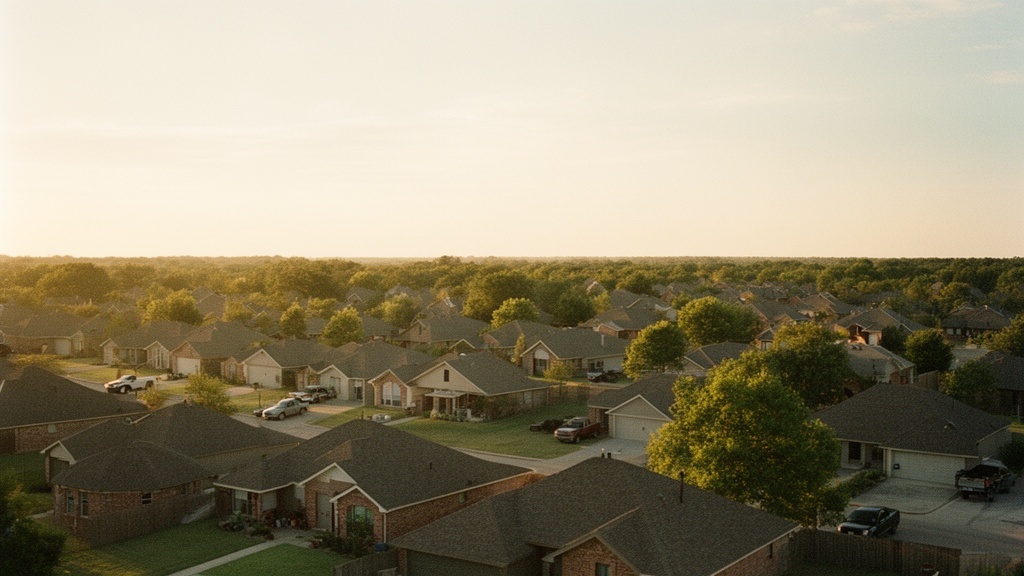
Newport's housing inventory spans a wide range. You will find modest craftsman bungalows and mid-century ranches in the older residential areas near downtown, newer construction in South Beach, oceanfront and bay-view properties along the bluffs, and smaller cottages on compact lots closer to the Bayfront. Condominiums and townhomes exist but are not as prevalent as single-family detached homes. Lot sizes vary considerably, from tight urban parcels to larger lots with room for outbuildings.
2. Newport Oregon Real Estate Market Conditions in 2026
The Newport Oregon real estate market in August 2026 reflects broader Oregon coastal trends: limited inventory, steady buyer interest, and prices that have held firm despite interest rate fluctuations. For broader context on statewide conditions, the Oregon housing market overview from Norada Real Estate provides useful background on price trends and supply dynamics across the state, which directly influence what buyers and sellers experience locally.
Inventory and Pricing Trends
Active listings in Newport remain below historical norms. Median home prices in the Newport area have generally ranged from the mid-$300,000s to the mid-$500,000s depending on location, size, and ocean proximity, with oceanfront and bay-view properties commanding a significant premium above that range. Entry-level homes in inland residential pockets tend to be the most competitive, often receiving multiple offers when priced accurately.
What Buyers Are Competing For
Move-in-ready homes with updated kitchens, good insulation, and modern heating systems tend to move quickly in Newport. Coastal homes require more maintenance than inland properties due to salt air, wind exposure, and moisture, so buyers place a real premium on properties where the seller has kept up with that upkeep. Homes that need significant work sit longer and often require price adjustments to attract offers.
3. The Different Areas Within Newport
Newport is not one uniform housing market. The city is divided into distinct areas with different price points, property types, and proximity to amenities. Understanding these differences helps buyers focus their search and helps sellers price their homes accurately.
Bayfront and Historic Districts
The Bayfront area sits along Yaquina Bay and includes Newport's oldest commercial and residential blocks. Homes here tend to be older, often dating to the early and mid-20th century, with character architecture and smaller footprints. The historic Nye Beach neighborhood, just north of downtown, features a mix of restored Victorian-era homes, newer infill construction, and walkable access to galleries, restaurants, and the beach. Properties in these areas carry higher price-per-square-foot values due to location and character.
South Beach and Agate Beach
South Beach, located just south of the Yaquina Bay Bridge, has seen newer residential development and is home to the Newport Marina and the Oregon Coast Aquarium. Housing here skews toward newer builds, with more conventional layouts and larger lot sizes in some subdivisions. Agate Beach, to the north of downtown, offers oceanfront and ocean-view lots along a stretch of coastline known for its wide, sandy beach and access to Beverly Beach State Park a few miles further north.
Outlying Areas: Toledo and Seal Rock
Buyers who want more land or lower price points often look at Toledo, about 10 miles east of Newport on Highway 20, or Seal Rock, roughly 10 miles south on Highway 101. Toledo offers larger parcels, older craftsman homes, and a small-town downtown along the Yaquina River. Seal Rock is a small unincorporated community with oceanfront and ocean-view properties, often at lower price points than comparable Newport addresses. Both are within reasonable driving distance of Newport's services.
4. Key Steps for Buyers in Newport
Buying Newport Oregon real estate requires a few steps that differ from purchasing in a larger metro area. The pool of available homes is smaller, the inspection process deserves extra attention given the coastal environment, and financing for oceanfront or flood-zone properties can involve additional requirements.
Get Pre-Approved Before You Search
In a low-inventory market, pre-approval is not optional. Sellers in Newport receive offers from buyers who have done their homework, and a pre-approval letter from a reputable lender signals that you are ready to move. If you are purchasing a property in a FEMA-designated flood zone, which applies to some Bayfront and low-lying coastal properties, your lender will also require flood insurance, and that cost needs to be factored into your monthly budget from the start.
Understand Coastal Zone Considerations
Oregon's Coastal Zone Management program and the state's Goal 18 shoreland regulations affect what can be built, modified, or expanded on properties near the ocean or bay. If you are buying a property with plans to add square footage, build an accessory dwelling unit, or make significant exterior changes, confirm those plans are feasible before closing. A local agent who knows Newport's permitting environment can help you ask the right questions during due diligence.
5. Selling a Home in Newport: What to Expect
If you are considering selling, the Newport Oregon real estate market currently rewards well-prepared listings. For a look at how local market data has shifted over the past year, the Newport, Oregon Real Estate Snapshot Report from August 2025 offers a useful point of comparison for understanding how conditions have evolved into 2026.
Pricing for a Coastal Market
Accurate pricing is the single most important factor in a successful Newport sale. Coastal properties are harder to comp than suburban tract homes because no two locations are identical. Ocean views, bay access, lot elevation, and proximity to flood zones all affect value in ways that a knowledgeable local agent can accurately capture. A comparative market analysis from an agent who has sold homes in Newport recently will give you a far more reliable starting point than any online estimate.
Presentation and Timing
Coastal homes photograph best in clear weather, and Newport's summer months from June through September offer the most reliable conditions for exterior and view photography. Listing in late spring or early summer typically captures peak buyer interest from both local purchasers and those relocating from the Willamette Valley or out of state. Interior preparation matters too: addressing deferred maintenance, freshening paint, and ensuring the home smells clean and dry goes a long way in a market where buyers are aware of coastal moisture issues.
FAQ
What is the typical price range for homes in Newport, Oregon right now?
As of August 2026, Newport Oregon real estate prices vary considerably depending on location and property type. Inland residential homes without ocean views generally start in the mid-to-upper $300,000s, while properties with bay or ocean views typically range from the high $400,000s into the $600,000s and beyond. True oceanfront properties and larger homes in Nye Beach or Agate Beach can exceed $700,000 or more. Entry-level buyers often find more options in Toledo or Seal Rock, where prices tend to run lower than comparable Newport addresses. Working with a local agent who tracks active sales data is the most reliable way to understand current pricing for a specific type of property.
How long do homes typically stay on the market in Newport, Oregon?
Well-priced, move-in-ready homes in Newport have been selling relatively quickly, often within two to four weeks of listing in the current market. Properties that need significant updating or are priced above what the local data supports tend to sit longer and may require price reductions before finding a buyer. Oceanfront and high-demand view properties can move faster when inventory is low, sometimes attracting multiple offers. Overpriced listings, regardless of location, tend to linger and lose momentum the longer they remain active. Accurate pricing from the start is consistently the factor that separates fast sales from prolonged ones.
Are there things specific to coastal Oregon that buyers should check during a home inspection?
Yes, and they are worth taking seriously. Coastal homes in Newport are exposed to salt air, persistent moisture, and high winds, all of which accelerate wear on roofing, siding, windows, and decks. Buyers should hire an inspector with experience in coastal Oregon properties and pay close attention to the condition of the roof, any wood siding or trim, crawl space moisture levels, and the integrity of windows and exterior seals. If the property is in or near a FEMA flood zone, review the flood insurance requirements and current elevation certificate before closing. Some properties may also be subject to Oregon's coastal zone regulations, which can affect future renovation or addition plans.