
← Back to Blog
Neighborhoods
Seminole Heights, Tampa, Florida Real Estate Market Guide: Prices, Neighborhoods and Timing
By Michelle Guzman, Realtor®
Coldwell Banker AquaTerra Realty
October 3, 2026 · 11 min read
Seminole Heights is one of Tampa's most architecturally distinct urban corridors, and its real estate market in October 2026 reflects both the character of its bungalow-lined streets and the broader shifts playing out across Hillsborough County. Whether you are buying, selling, or relocating to Tampa, this guide covers what you need to know about Seminole Heights home prices, how Old and Southeast Seminole Heights differ from each other, and when the timing works in your favor.
1. What Makes Seminole Heights a Distinct Real Estate Market
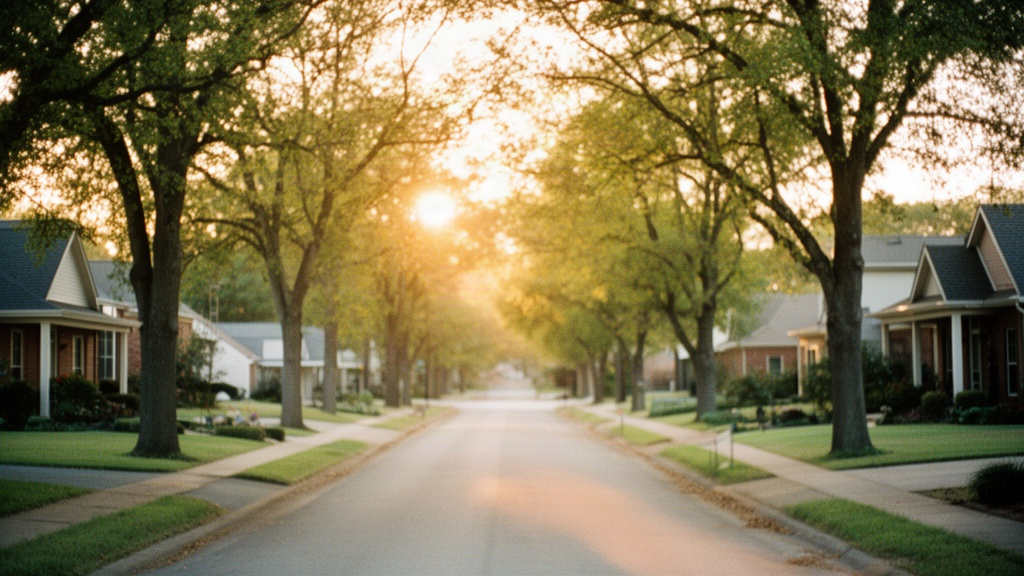
Seminole Heights stands apart from most Tampa submarkets because of what was built here a century ago. The neighborhood sits roughly three miles north of downtown Tampa along the Hillsborough River, and its streets are lined with Craftsman bungalows, Florida vernacular cottages, and Tudor Revival homes dating primarily from the 1910s through the 1940s. You will not find this concentration of pre-war architecture anywhere else in the city at this price point.
The Housing Stock
Most homes in Seminole Heights sit on lots ranging from 5,000 to 8,500 square feet, with living areas typically between 1,000 and 2,200 square feet. Original hardwood floors, front porches, and double-hung wood windows are common features. Buyers frequently encounter homes with updated kitchens and bathrooms sitting inside shells that retain their original rooflines and exterior cladding. That combination of old bones and modern updates defines the segment.
The commercial spine along North Florida Avenue and Nebraska Avenue runs parallel to the residential blocks and includes locally owned restaurants, craft breweries like Angry Chair Brewing and Coppertail Brewing, coffee shops, and independent retailers. Hillsborough River State Park is a short drive north, and Rivercrest Park sits directly within the neighborhood boundary, giving residents access to river frontage, a boat ramp, and walking paths.
Location and Commute Context
Commute times from Seminole Heights to downtown Tampa run roughly 10 to 20 minutes by car depending on the time of day, using I-275 or surface streets like Nebraska Avenue. Tampa International Airport is approximately 15 minutes west via I-275 and the Veterans Expressway interchange. The University of South Florida's main campus in Temple Terrace is about 12 minutes northeast. That central positioning is one reason the area draws buyers who want urban proximity without paying South Tampa prices.
For a broader look at how Seminole Heights fits into Tampa's overall market landscape, the Tampa, Florida Real Estate Market Guide on this site covers citywide price trends, inventory levels, and what is driving buyer demand across all major corridors.
2. Seminole Heights Home Prices in October 2026
Median home prices in Seminole Heights currently sit in the $380,000 to $450,000 range depending on the specific sub-area, condition of the home, and lot size. That places Seminole Heights at a meaningful discount to Hyde Park and South Tampa, where medians regularly exceed $600,000, while still commanding a premium over some of Tampa's newer suburban corridors. The price spread within Seminole Heights itself is wide, ranging from move-in-ready renovated bungalows near $500,000 to original-condition homes requiring significant work priced closer to $290,000.
Old Seminole Heights Pricing
Old Seminole Heights, the area generally bounded by Hillsborough Avenue to the north, Dr. Martin Luther King Jr. Boulevard to the south, the Hillsborough River to the west, and Nebraska Avenue to the east, carries a median sale price in the low-to-mid $400,000s as of October 2026. Renovated three-bedroom bungalows with updated kitchens and new roofs are moving in the $420,000 to $490,000 range. Homes on larger lots closer to the river or with detached garages converted to studios tend to push toward the top of that band. You can track current listing activity and recent sale prices directly on the Old Seminole Heights housing market page on Redfin.
Southeast Seminole Heights Pricing
Southeast Seminole Heights runs south of Dr. Martin Luther King Jr. Boulevard toward Interstate 4 and east toward 22nd Street. Median prices here run slightly lower than Old Seminole Heights, generally in the high $300,000s to low $400,000s in October 2026. The housing stock is similar in age and style, though lot sizes can be slightly smaller and the density of fully renovated homes is somewhat lower, which creates more opportunity for buyers willing to take on a project. The Southeast Seminole Heights housing market data on Redfin is a useful starting point for tracking list prices and price-per-square-foot trends in real time.
How Prices Have Moved
Seminole Heights saw significant appreciation between 2020 and 2022, with some blocks recording price gains of 40 to 55 percent over that two-year window. The market cooled through 2023 and 2024 as mortgage rates climbed, and prices pulled back modestly before stabilizing through 2025. In 2026, the area has found a steadier footing. Sellers are pricing more carefully and buyers are negotiating more actively than they were at the peak, but well-presented homes in Old Seminole Heights are still attracting multiple offers when priced correctly.
3. Neighborhood Breakdown: Old vs. Southeast Seminole Heights
Seminole Heights is not a single uniform neighborhood. It is a collection of adjacent sub-areas with distinct street grids, price points, and physical characteristics. Understanding the differences between Old Seminole Heights and Southeast Seminole Heights helps buyers set realistic expectations and helps sellers price accurately.
Old Seminole Heights
Old Seminole Heights is the most established and most recognized sub-area. Streets like Central Avenue, Osborne Avenue, and Hanna Avenue are known for intact historic streetscapes where original homes sit on mature tree-lined lots. The neighborhood association here is active, and the area has a designated historic district overlay that governs exterior alterations on contributing structures. Buyers purchasing a contributing historic home should budget for the permitting process associated with renovation work and understand that certain exterior changes require approval.
Rivercrest Park anchors the western edge of Old Seminole Heights with direct Hillsborough River access, a fishing pier, and open green space. The park hosts community events through the year and is within walking distance of a cluster of homes that consistently command the highest prices in the sub-area. North Florida Avenue through this section has a dense concentration of independently owned restaurants and bars that draw visitors from across Tampa.
Southeast Seminole Heights
Southeast Seminole Heights shares the same bungalow-era housing stock but sits at a slightly lower price point, which draws buyers who want the architectural character of the area at a more accessible entry. The sub-area is bounded roughly by Dr. Martin Luther King Jr. Boulevard to the north, Interstate 4 to the south, Nebraska Avenue to the west, and 22nd Street to the east. Lot sizes here are comparable to Old Seminole Heights, typically in the 5,000 to 7,500 square foot range, and the mix of renovated and original-condition homes is broader.
Buyers in Southeast Seminole Heights tend to find more negotiating room than in Old Seminole Heights, particularly on homes that need cosmetic work. The proximity to Interstate 4 makes eastbound commutes to the Brandon corridor and Plant City straightforward, which broadens the pool of buyers who consider this sub-area practical for their daily routine.
What Both Areas Share
Both sub-areas share the same fundamental appeal: walkable commercial streets, pre-war housing stock, and a location that puts downtown Tampa within a 15-minute drive on most days. Both also share the same practical considerations: older plumbing and electrical systems in unrenovated homes, potential for flood zone exposure in lower-lying blocks near the river, and a market where the condition gap between listings is wide. A buyer viewing two homes priced $30,000 apart may be looking at a turnkey property versus one that needs $80,000 in deferred maintenance.
4. Market Conditions and Timing in October 2026
The Seminole Heights market in October 2026 is more balanced than it was during the 2021 and 2022 peak, which means both buyers and sellers have more leverage than they did at either extreme. Inventory has increased compared to the near-zero supply environment of the peak years, and days on market have stretched. That does not mean sellers are at a disadvantage; it means pricing accuracy matters more than it did when any listing would attract ten offers.
Days on Market and Inventory
Homes in Seminole Heights are currently sitting on the market for an average of 35 to 55 days before going under contract, compared to the 7 to 14 day averages seen at the market peak in early 2022. Well-renovated homes in Old Seminole Heights priced within 3 to 5 percent of recent comparable sales are still moving in under 30 days. Homes priced above market or with significant deferred maintenance are sitting longer, sometimes 60 to 90 days, before sellers make adjustments.
Active inventory in the Seminole Heights zip codes (33603 and 33604) currently runs at roughly 2.5 to 3.5 months of supply, which puts the market in a roughly balanced to slightly buyer-favorable position. A market with less than 3 months of supply generally favors sellers; above 6 months favors buyers. The current range sits in between, which means negotiated outcomes vary significantly by property.
What Buyers Should Know Right Now
Buyers in October 2026 have more room to negotiate than at any point in the last four years, but the best homes still move quickly. Getting pre-approved before touring is essential, particularly for homes in Old Seminole Heights where a well-priced listing can still attract competing offers within the first week. Buyers should also budget for inspection findings on older homes; it is common to discover knob-and-tube wiring, galvanized plumbing, or original cast iron drain lines in homes built before 1950.
First-time buyers considering Seminole Heights should review the First-Time Home Buyer Guide for Tampa, Florida for a detailed walkthrough of the purchase process, closing costs, and what to expect at each stage of a transaction in Hillsborough County.
What Sellers Should Know Right Now
Sellers who price accurately from day one are still achieving strong results in Seminole Heights. The homes sitting on the market for 60 or 90 days are almost always the ones that came out overpriced relative to recent comparable sales. In a market where buyers have more choices than they did two years ago, an overpriced listing gets skipped rather than negotiated down. Sellers should also invest in presentation: professional photography, a clean exterior, and any deferred maintenance items that would flag on a standard home inspection.
For a detailed look at how to price and time a sale in Tampa's current environment, the guide on Selling a Home in Tampa, Florida: Pricing, Timeline and What to Expect covers the full process from listing preparation through closing.
5. Practical Buying and Selling Considerations in Seminole Heights
The character of Seminole Heights housing comes with specific practical considerations that buyers and sellers need to understand before transacting. These are not deal-breakers, but they affect budgets, timelines, and due diligence requirements in ways that newer construction neighborhoods do not.
Renovation Costs and Older Homes
A home built in 1925 that has not been updated since the 1970s may look cosmetically dated but carry significant hidden costs. Buyers should budget for the possibility of full electrical panel replacement (typically $3,000 to $6,000 in Hillsborough County), re-plumbing from galvanized to PVC or PEX ($8,000 to $18,000 depending on house size), and roof replacement if the existing roof is within 5 years of the end of its useful life. Homeowners insurance underwriters in Florida scrutinize roof age closely, and a roof over 15 years old can make standard coverage difficult to obtain at a reasonable premium.
Buyers purchasing a home in the Seminole Heights historic district overlay should confirm with the City of Tampa's Architectural Review Commission what alterations require a certificate of appropriateness before closing. This matters for buyers who plan to add square footage, change window types, or alter the roofline. The process adds time but is manageable when accounted for in advance.
Flood Zone Awareness
Blocks closest to the Hillsborough River in Old Seminole Heights carry elevated flood risk and may fall within FEMA Special Flood Hazard Areas requiring mandatory flood insurance. Flood insurance through the National Flood Insurance Program currently runs $1,500 to $4,000 or more annually depending on the zone designation and base flood elevation of the specific structure. Buyers should request a flood zone determination and elevation certificate during the due diligence period and factor the insurance cost into their monthly carrying cost calculations. The article on flood zones in Ballast Point and Bayshore Beautiful covers how to read FEMA flood maps and what to ask lenders about flood insurance requirements, and most of that guidance applies equally to Seminole Heights riverfront blocks.
Schools and Research Resources
School zoning in Seminole Heights falls under Hillsborough County Public Schools, which assigns attendance boundaries by address. Because boundaries can change and specific assignments vary by street, buyers should verify the assigned school for any property they are considering directly through the Hillsborough County Public Schools district website using the address lookup tool. The Florida Department of Education also publishes school-level data including enrollment figures and program offerings that buyers can review independently to make their own assessment.
If you are comparing Seminole Heights to other Tampa neighborhoods with different housing types and price points, the guides on South Tampa and Hyde Park provide parallel breakdowns of pricing, inventory, and what buyers encounter in those markets.
FAQ
What is the current median home price in Seminole Heights, Tampa?
As of October 2026, median home prices in Seminole Heights range from the high $300,000s in Southeast Seminole Heights to the low-to-mid $400,000s in Old Seminole Heights, depending on the condition and size of the home. Fully renovated three-bedroom bungalows in Old Seminole Heights with updated systems and finishes are trading in the $420,000 to $490,000 range. Original-condition homes needing significant work can be found closer to $290,000 to $330,000. The wide price spread reflects the uneven renovation activity across the neighborhood's housing stock. Buyers should compare recent sold prices, not just list prices, to calibrate their offers accurately.
How long does it take to sell a home in Seminole Heights right now?
In October 2026, the average days on market in Seminole Heights is roughly 35 to 55 days for homes priced in line with recent comparable sales. Well-presented, accurately priced homes in Old Seminole Heights are still going under contract in under 30 days, while overpriced or deferred-maintenance homes are sitting 60 to 90 days before sellers adjust. The market has normalized significantly from the 7 to 14 day averages seen at the 2022 peak, which means pricing strategy matters more than it did at the height of the seller's market. Sellers who invest in preparation and price correctly from day one are still achieving strong outcomes.
What should buyers know about older homes in Seminole Heights before making an offer?
Homes in Seminole Heights were built primarily between the 1910s and 1940s, which means buyers need to budget for potential updates to electrical, plumbing, and roofing systems that may not have been addressed by previous owners. A standard home inspection is essential, and buyers should consider adding a separate electrical inspection for homes with original wiring. Flood zone exposure is also a factor on blocks near the Hillsborough River, where flood insurance can add $1,500 to $4,000 or more to annual carrying costs. Homes within the historic district overlay may also require City of Tampa Architectural Review Commission approval for certain exterior alterations, which buyers planning renovations should research before closing. Factoring these costs into the purchase price negotiation is key to making the numbers work.